Looking for iconic works throughout MoMA’s galleries? We’ve got you covered. Follow this self-guided tour of unmissable artworks to experience an overview of the history of modern art in one visit. You’ll find these works on Floors 5, 4, and 2, tap on the gallery numbers below to see their location on our map. Let’s start on Floor 5.
Paula Modersohn-Becker’s Self-Portrait with Two Flowers in Her Raised Left Hand
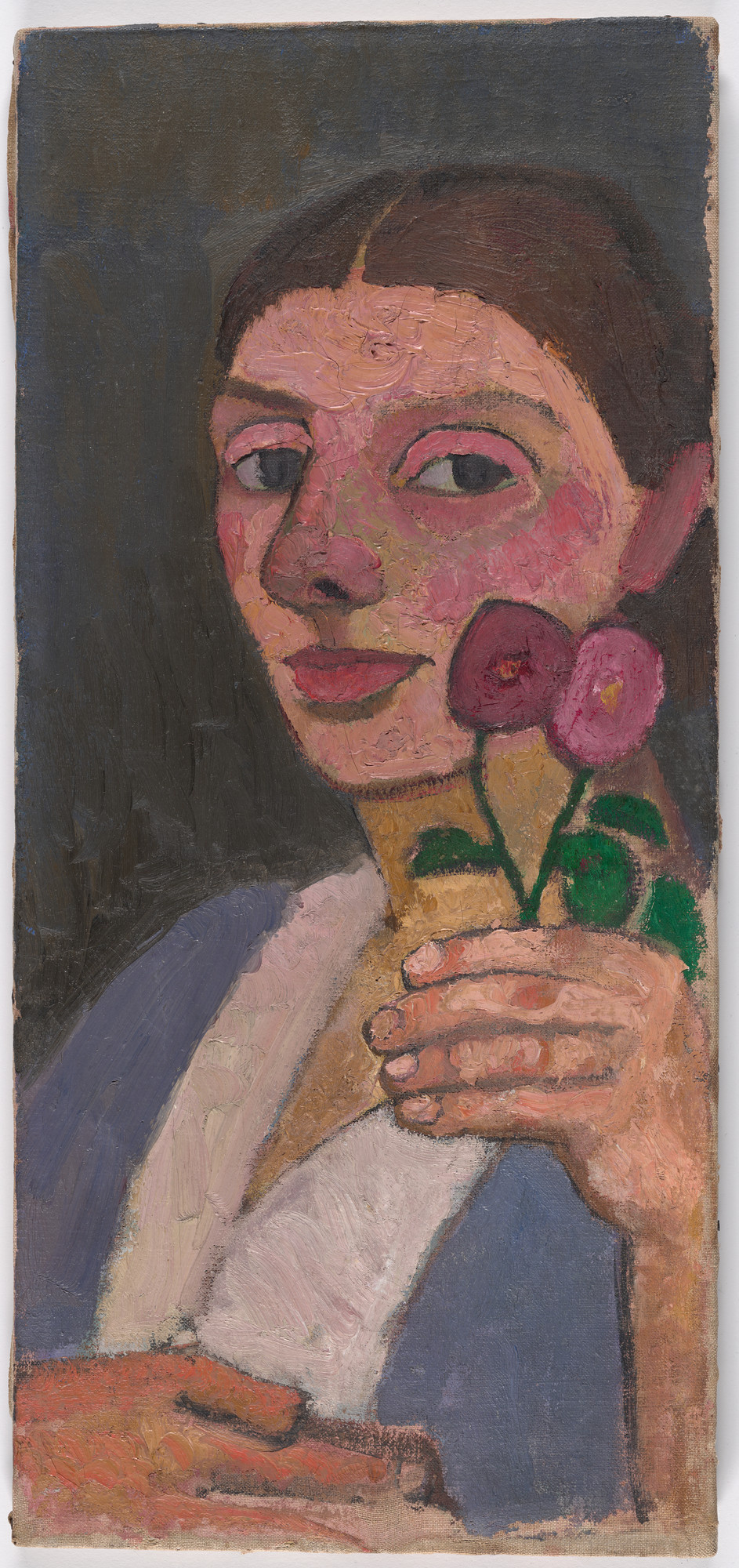
Floor 5 The Alfred H. Barr, Jr. Galleries
At a time when women were expected to be wives and mothers first, Paula Modersohn-Becker forged her own path as a professional artist. Her most radical step was in taking herself as a subject, likely becoming the first modern woman artist to have painted nude self-portraits, and, as in this work, to have painted herself pregnant.
Vincent van Gogh’s The Starry Night
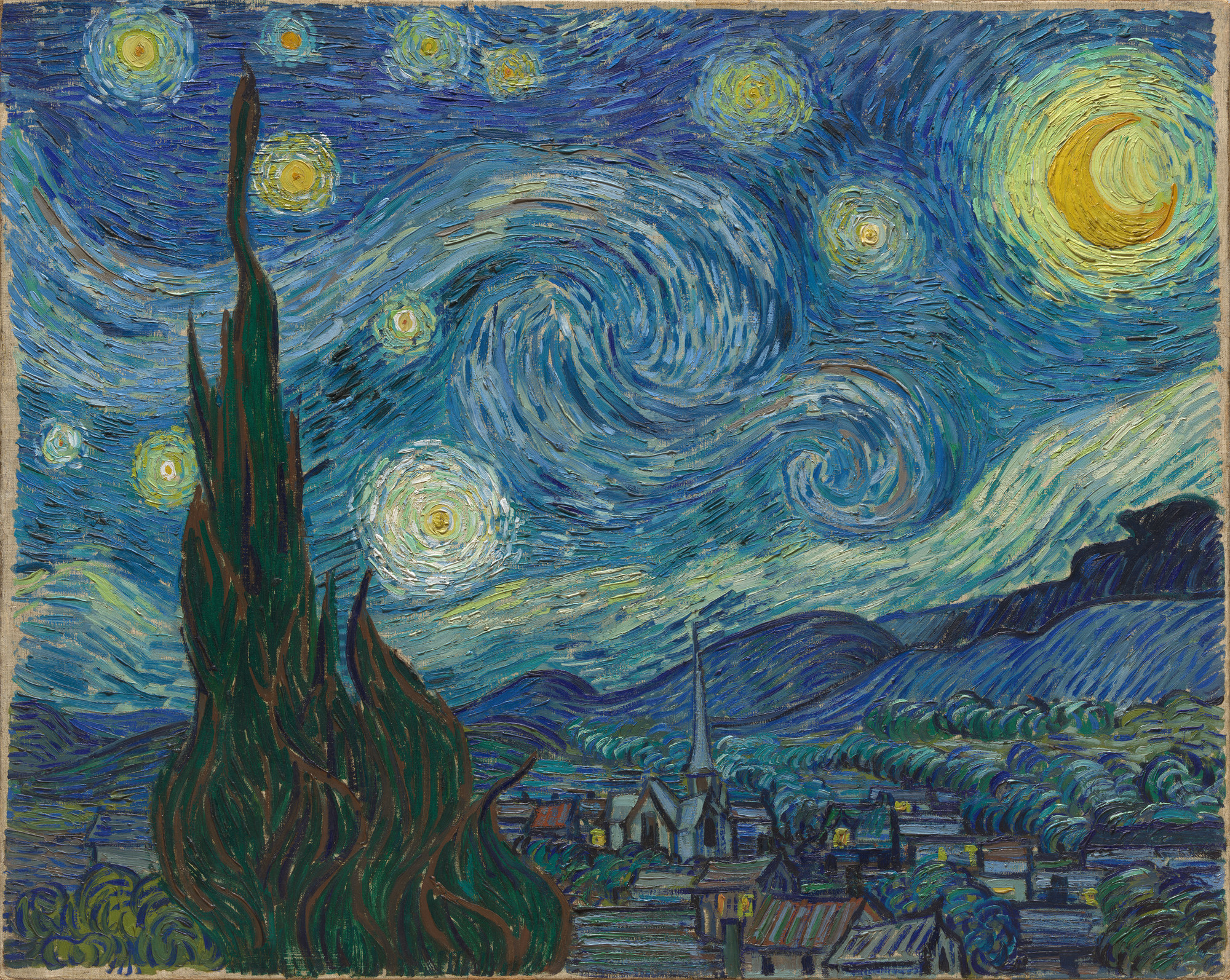
Floor 5, Gallery 501 The Alfred H. Barr, Jr. Galleries
No visit to MoMA is complete without a look at Van Gogh’s The Starry Night, so Gallery 501 is the perfect place to start. Departing from the idea that art ought to be true to nature, Van Gogh’s landscape expresses emotion through intense color and dramatic brushstrokes. Countless artists have taken inspiration from this, dreaming up new forms of artistic expression you’ll see on the rest of your visit. “Looking at the stars,” Van Gogh wrote, “always makes me dream.”
Pablo Picasso’s Les Demoiselles d’Avignon
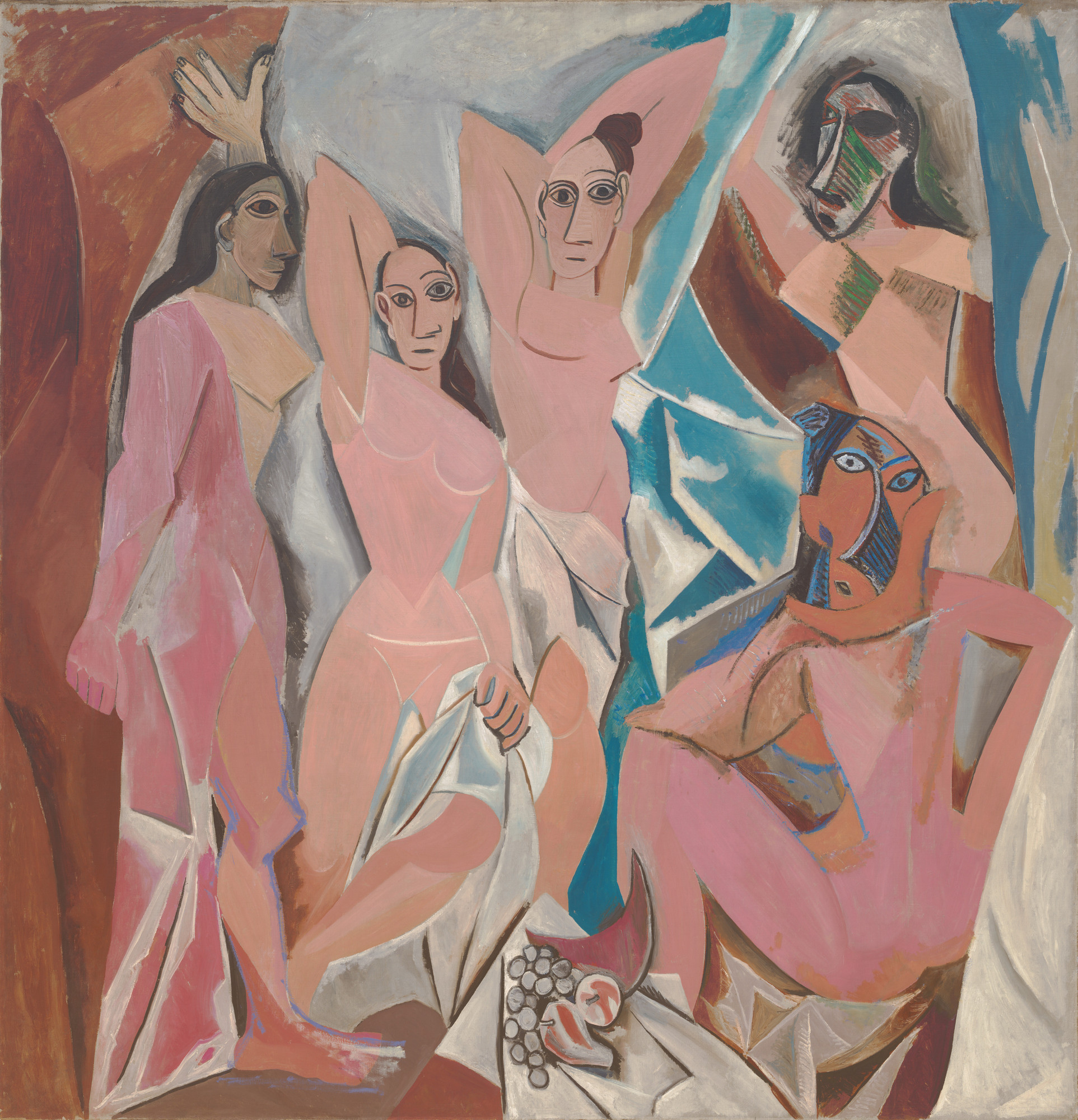
Floor 5, Gallery 502 The Alfred H. Barr, Jr. Galleries
Painted when Pablo Picasso was 25 years old, Les Demoiselles d’Avignon has been traditionally presented as the beginning of Cubism—the use of splintered forms and shifting vantage points that revolutionized art in the years prior to World War I. Picasso kept this painting hidden in his studio for nearly 20 years, almost as if he knew how radically ahead of its time it was.
Tarsila do Amaral’s The Moon
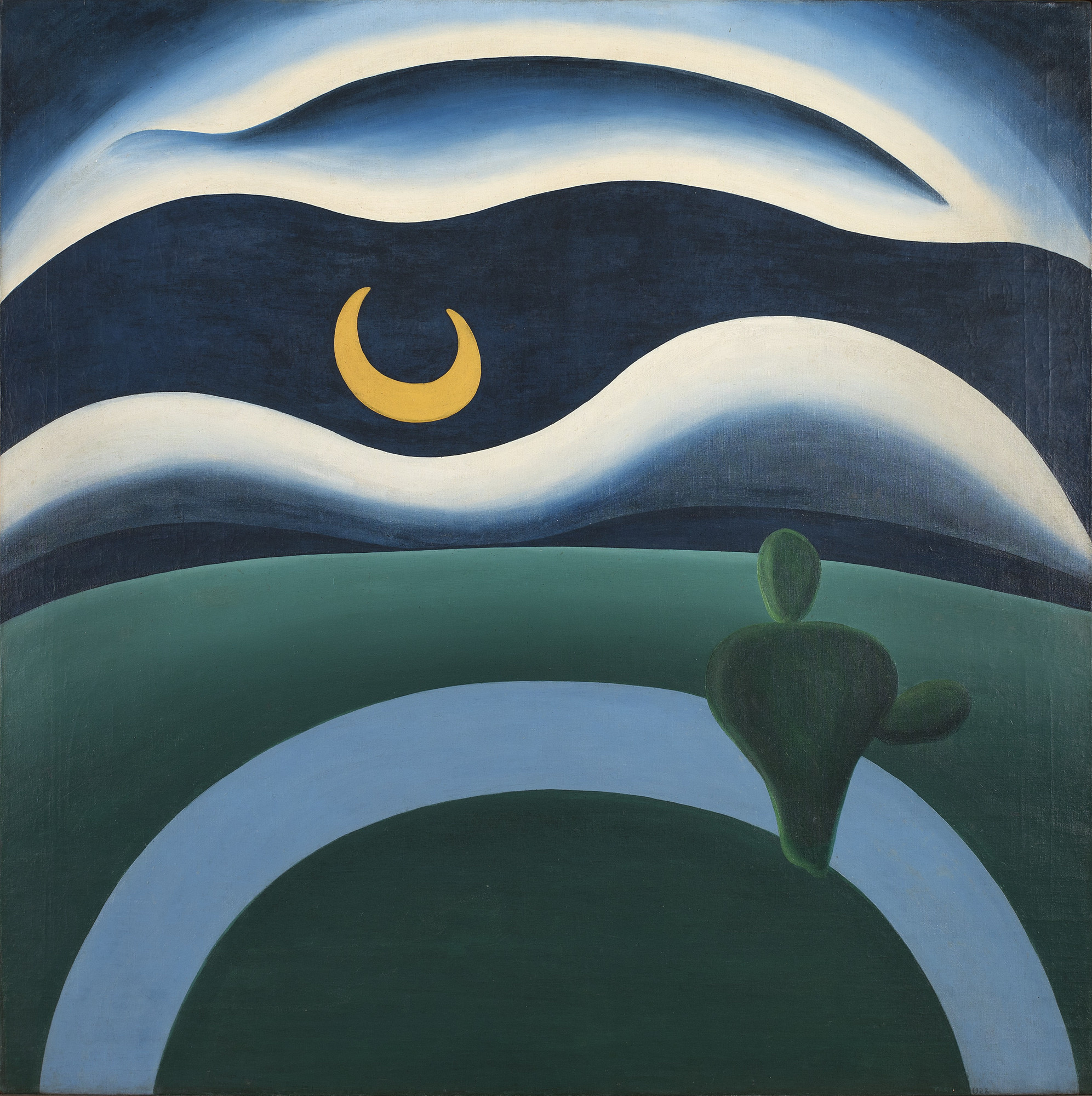
Floor 5, Gallery 509 The David Geffen Wing
Tarsila do Amaral said “I want to be the painter of my country.” Inspired by the landscapes and people of her native Brazil, she incorporated this imagery with a modernist vocabulary she experienced in Paris. Galvanized by artists she met there, like Picasso and Brancusi, do Amaral produced a body of work that brought a distinctly Brazilian voice to the development of modern art.
Claude Monet’s Water Lilies

Floor 5, Gallery 515 The David Geffen Wing
Unique to modern art was the idea that not everything had to be contained within the picture frame. Claude Monet paints his sky not above, but reflected within the immersive lily pond, which is almost abstract in its lack of a focal point. Revolutionary in his day, these monumental paintings went on to inspire the Abstract Expressionist artists working in New York decades later—which we’ll come to on Floor 4.
Meret Oppenheim’s Object
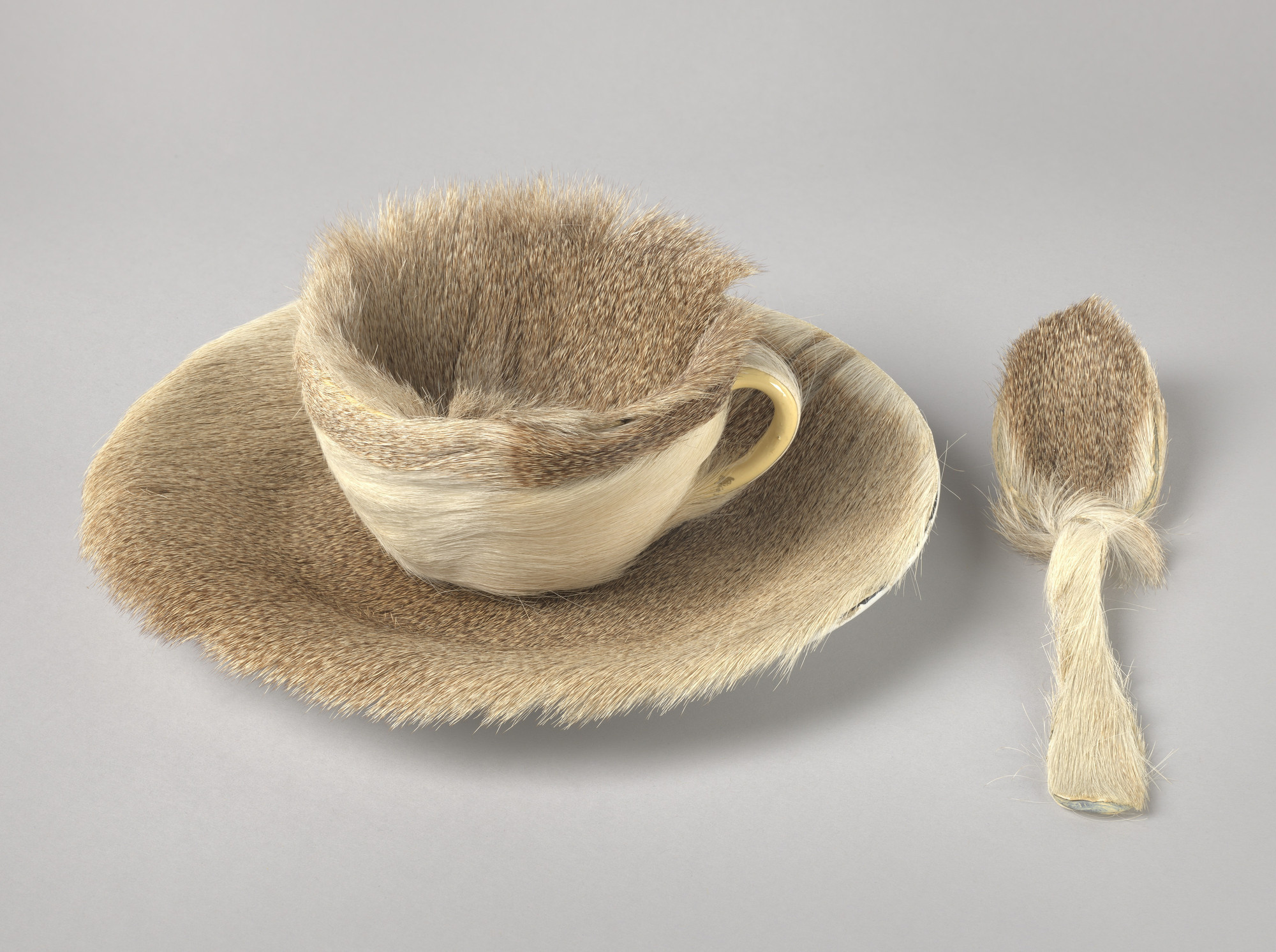
Floor 5, Gallery 517 The Alfred H. Barr, Jr. Galleries
Meret Oppenheim took everyday objects—in this case a teacup, saucer, and spoon—and presented them in an entirely unexpected way. She was one of the few women Surrealists, a group of artists intent on cracking the veneer of civilized society. Their work sought to challenge reason, draw out inhibitions, and connect viewers to their subconscious—whether they were ready for it or not.
Jackson Pollock’s Number 1A, 1950
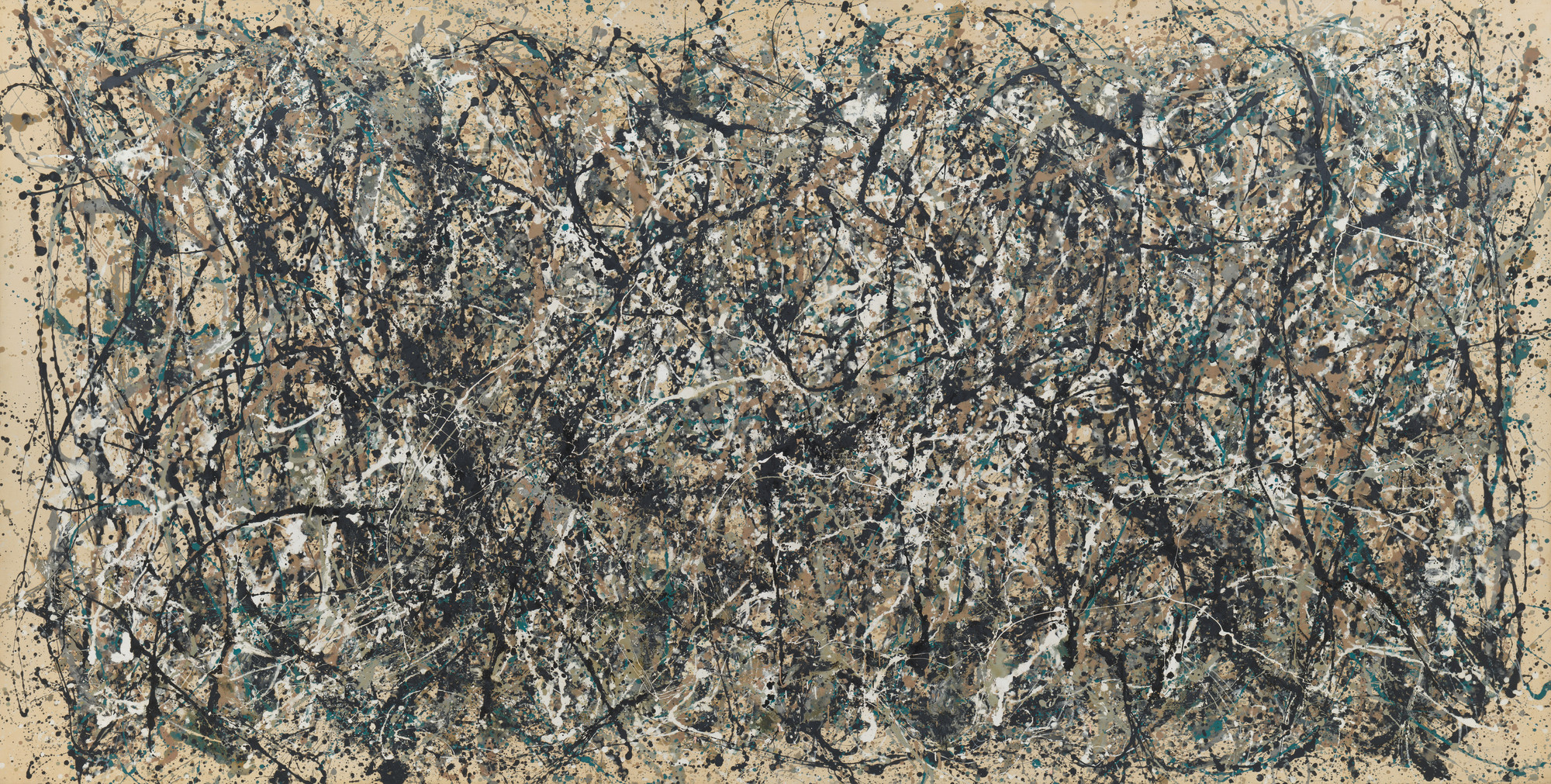
Floor 4, Gallery 401 The David Geffen Galleries
You can’t come to MoMA without viewing some Abstract Expressionist art. Sometimes called gestural art, or action painting, because you can imagine the kinds of movements the artist had to make to apply the paint, Abstract Expressionism is America’s first homegrown modern art movement, and it started here in New York City. In this and subsequent galleries, you’ll find works by Lee Krasner, Mark Rothko, and Joan Mitchell, to name a few.
Robert Rauschenberg’s Canyon
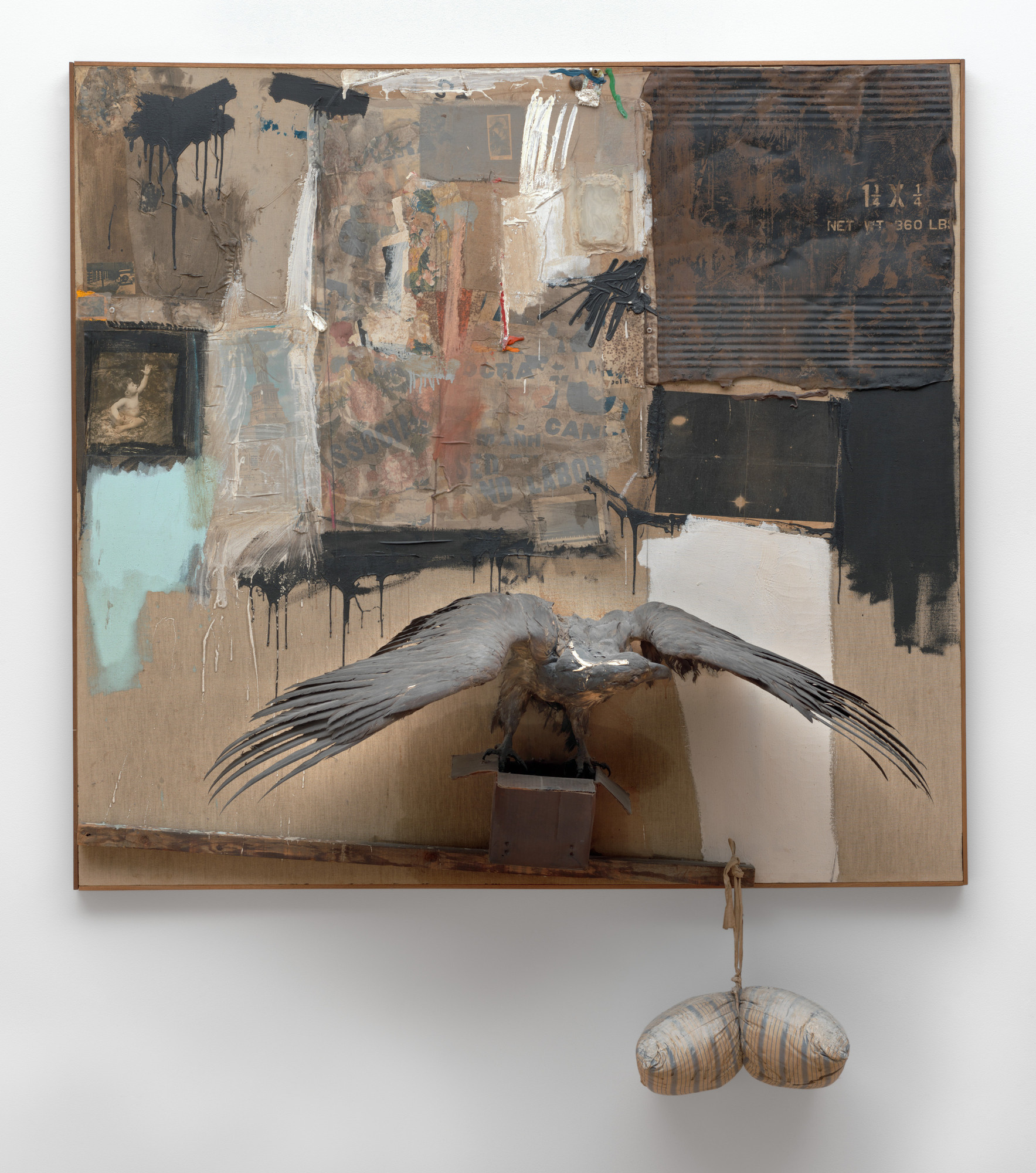
Floor 4, Gallery 408 The David Geffen Wing
At the beginning of his career, Robert Rauschenberg was seen by some as the next big Abstract Expressionist, but he had other ideas. He took stuff found on the streets of New York and put it in his art. Elevating everyday objects to the level of high art took modern art in a new direction.
Lee Bontecou’s Untitled
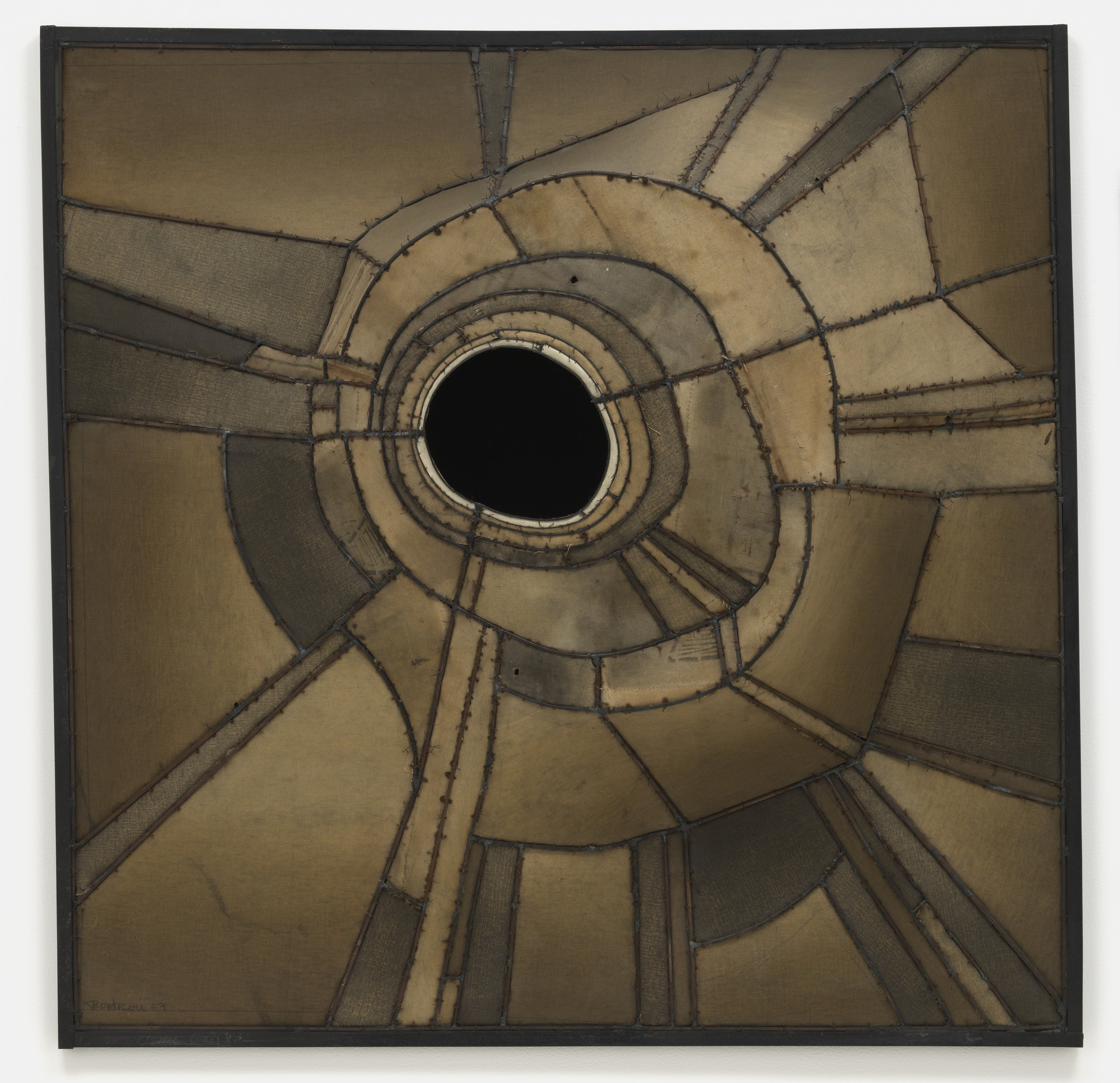
Floor 4, Gallery 408 The David Geffen Wing
This work comes from the streets and from the stars. Lee Bontecou assembled materials she found around her—this work is made of discarded conveyor belts from a laundry she lived above—to make works of art that suggest portals into other dimensions. Inspired by Sputnik, the first man-made satellite, Bontecou said, “I had a joy and excitement about outer space—nothing was known about the black holes—just huge, intangible, dangerous entities, and I felt great excitement when little Sputnik flew.”
Andy Warhol’s Campbell’s Soup Cans
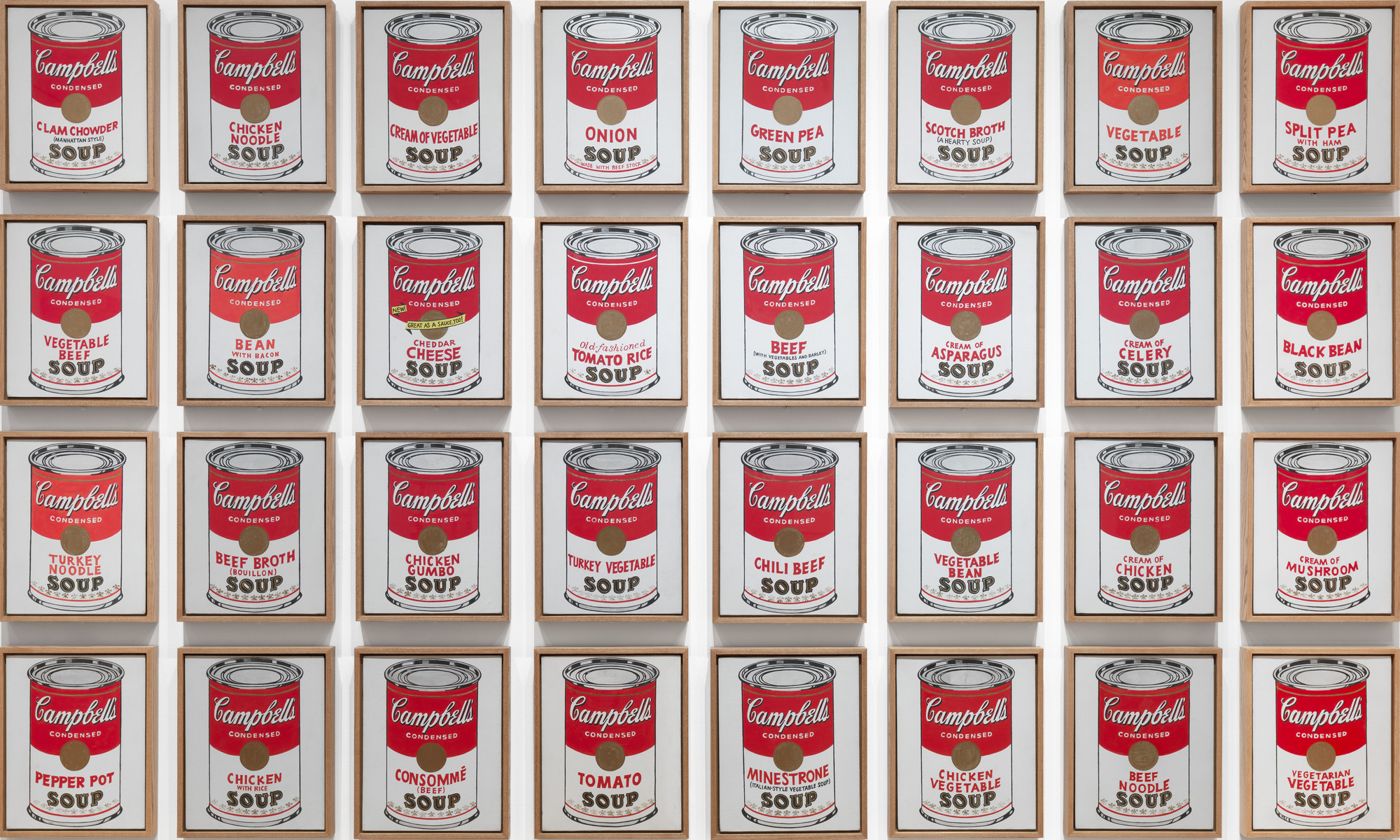
Floor 4, Gallery 412 The David Geffen Wing
“I don’t think art should be only for the select few,” Andy Warhol claimed, “I think it should be for the mass of the American people.” Campbell’s Soup Cans represents a breakthrough moment for Pop art, bringing something you could buy at the grocery store into the world of fine art. For Warhol, this idea was radical and daring because it replaced elitist art with a subject as ordinary as a can of soup.
Yoko Ono’s Bag Piece
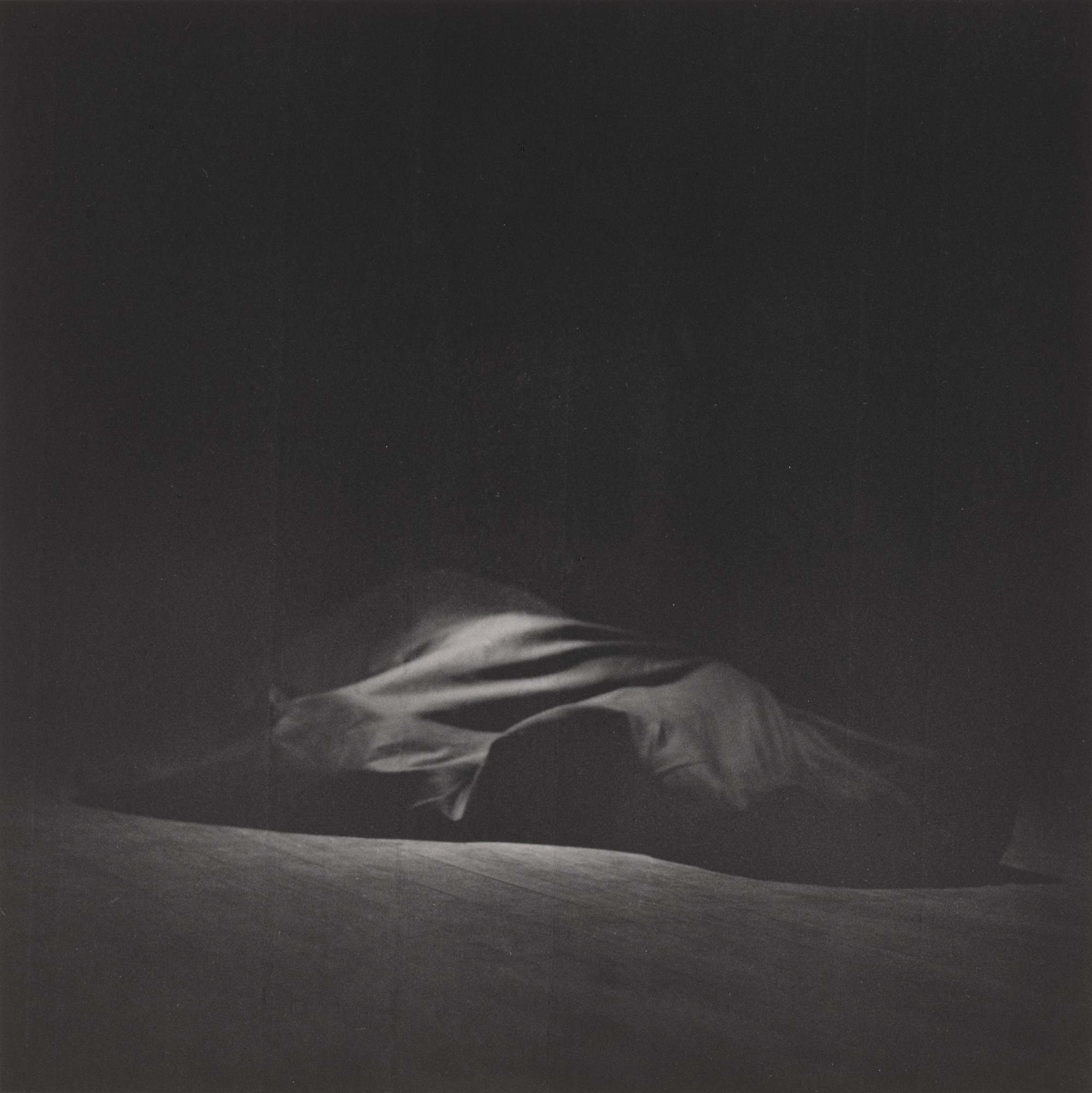
Floor 4, Gallery 417 The David Geffen Galleries
These images capture the moment in 1965 when Yoko Ono got into a bag. Why? Her intention was to blur the lines between the self and others. The artist said, “By being in a bag, you show the other side of you, which has nothing to do with race, nothing to do with sex, nothing to do with age. Then you become just a spirit or soul. And you can talk soul to soul.”
Faith Ringgold’s American People Series #20: Die
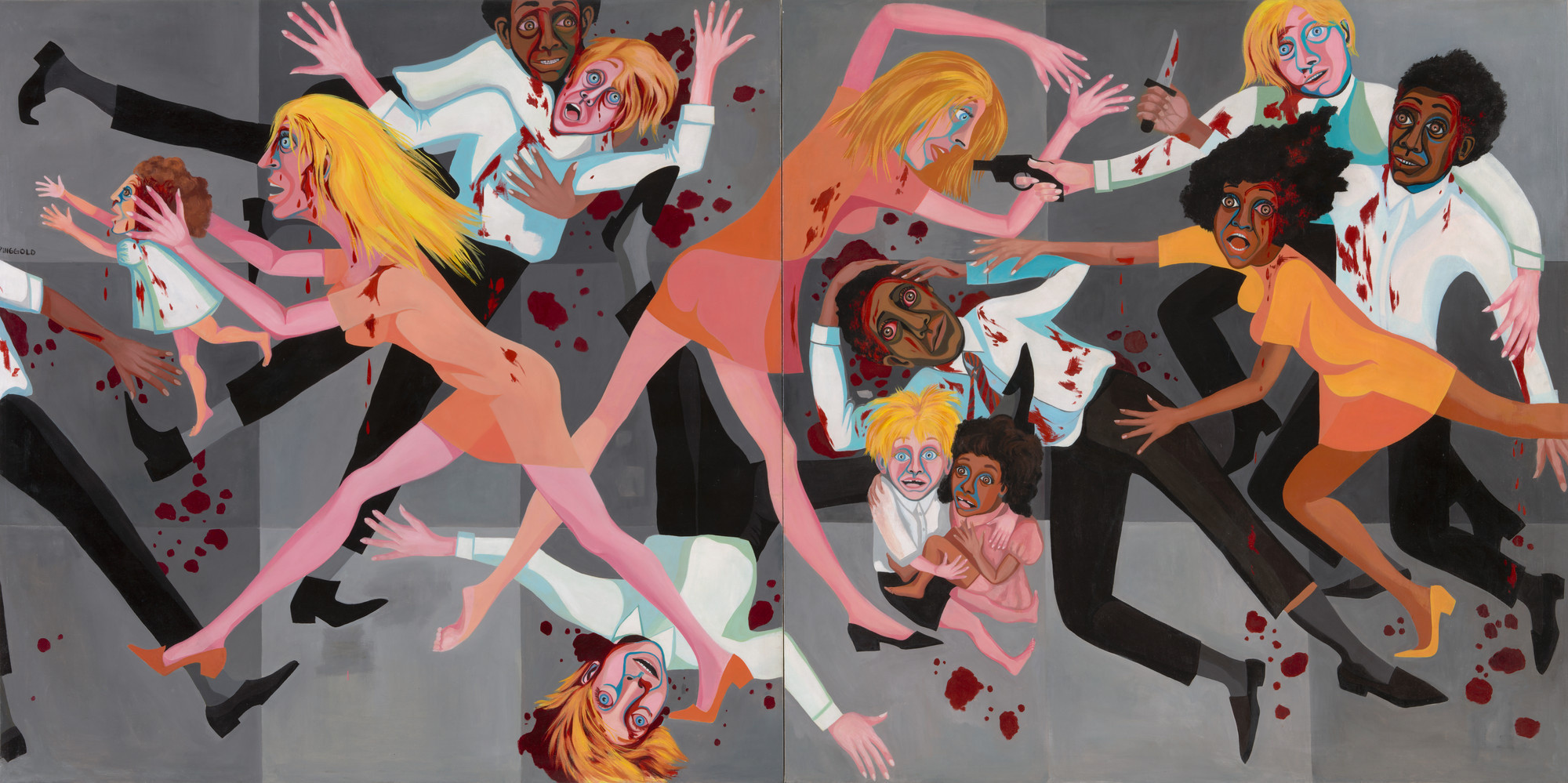
Floor 4, Gallery 420 The David Geffen Galleries
Faith Ringgold explicitly references Pablo Picasso’s painting Guernica in her commanding work from 1967, creating a new icon from an old one. At the time she made this work, riots were erupting in the streets around the country and Ringgold felt compelled to capture the moment. She asked herself, “How could I, as an African American woman artist, document what was happening all around me?” This work was her answer.
Richard Serra’s Equal
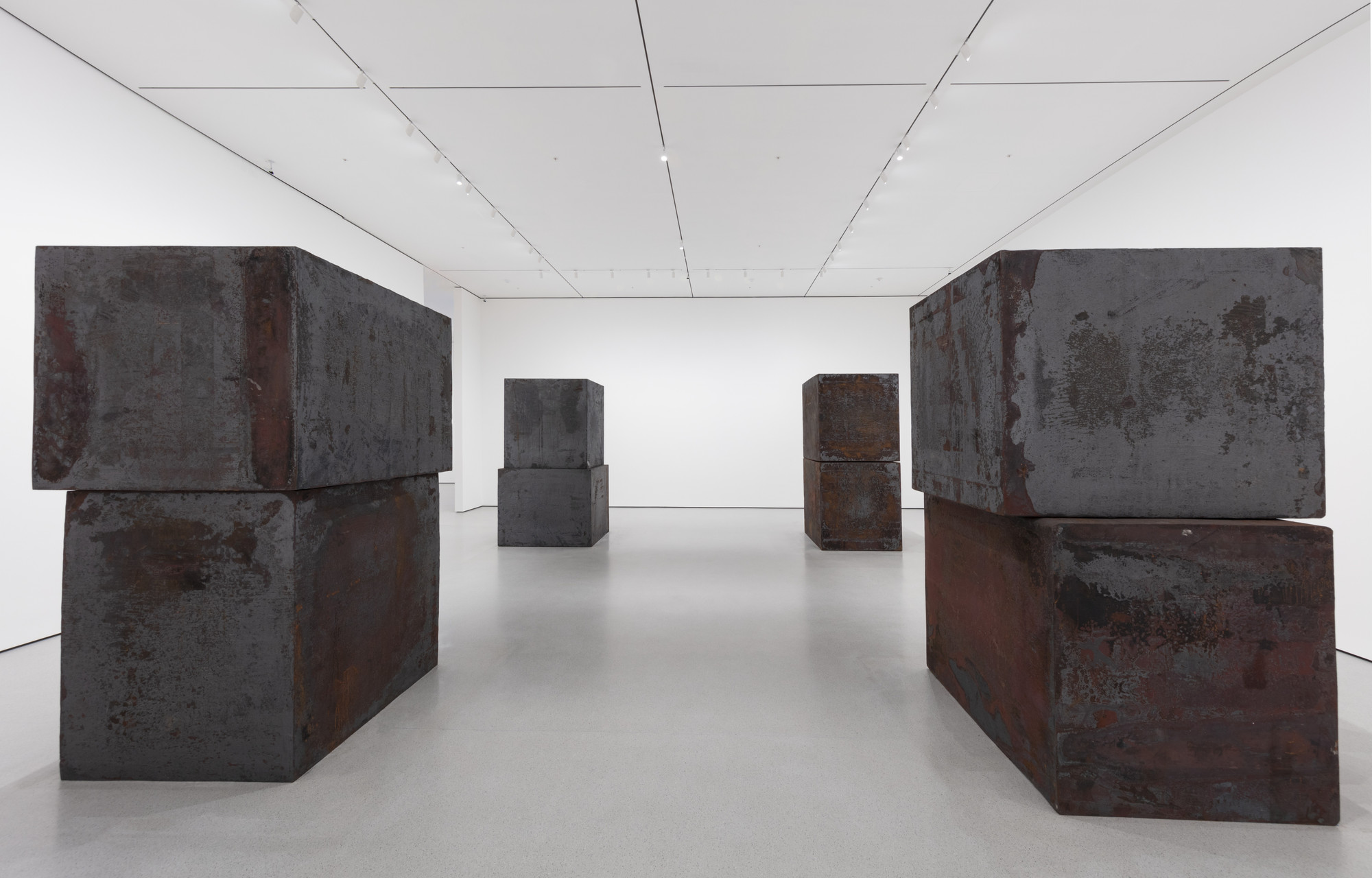
Floor 2, Gallery 210 The David Geffen Wing
Phew! What you’ve seen so far has been a lot, so let’s end in a quiet space, with a monumental sculpture. While a lot of modern and contemporary art aims to stimulate the mind, this work engages your body. Wherever you are in the gallery, you feel the presence of these massive blocks of steel. Each stack weighs 80 tons! Just let yourself feel that for a minute.
Listen to more
Want to hear more? Find our audio playlists at moma.org/audio, or on MoMA’s guide on the free Bloomberg Connects app.
Eating and shopping
- If you’re looking for for gifts, you’ve come to the right place! Visit any store in the Museum or venture to a MoMA Design Store (across from our main entrance on 53rd Street and in Soho) for all your gifting needs.
- Hungry? We’re not just a destination for art, we’re also a destination for good food. Whether you’re looking for fine dining, simple pasta for the kids, or coffee, snacks, or a festive hot chocolate, we’ve got options for you. Check out our restaurant guide.