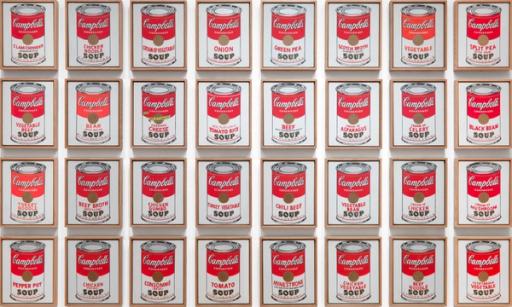
Warhol first exhibited these thirty-two canvases in 1962, displayed together on shelves like products in a grocery aisle. “I used to drink it,” he said of Campbell’s soup. “I used to have the same lunch every day, for 20 years, I guess, the same thing over and over again.” Though the paintings resemble the mass-produced, printed advertisements that inspired Warhol, they are hand-painted, and the fleur-de-lys pattern ringing each can’s bottom edge is handstamped. Mimicking the repetition and uniformity of advertising by carefully reproducing the same image across each individual canvas, he varied only the label on the front of each can.
2025
Publication excerpt from MoMA Highlights: 375 Works from The Museum of Modern Art, New York (New York: The Museum of Modern Art, 2019)
“I don’t think art should be only for the select few,” Warhol said. “I think it should be for the mass of the American people.” Like other Pop artists, Warhol used images with wide appeal: comic strips, advertisements, photographs of rock-music icons and movie stars, and tabloid news shots. In Campbell’s Soup Cans he reproduced an object of mass consumption in the most literal sense. When he first exhibited these canvases—there are thirty-two of them, the number of soup varieties Campbell’s then sold—each one simultaneously hung from the wall, like a painting, and stood on a shelf, like groceries in a store. The artist referred to them affectionately as “portraits.”
Warhol made these paintings in a systematic multistep process. First he delineated each can with pencil on canvas. Next he painted the can and label by hand, using a light projector to superimpose the lettering directly onto the canvas, then tracing its form. Repeating the nearly identical image at the same scale, the canvases stress the uniformity and pervasiveness of the Campbell’s can, thereby challenging the prevailing idea of painting as a medium of invention and originality distinct from popular culture. The Campbell’s label, which had not changed in more than fifty years, was unremarkable and ubiquitous. Warhol later said of Campbell’s soup, “I used to drink it. I used to have the same lunch every day, for twenty years, I guess, the same thing over and over again.”
MoMA Highlights: 375 Works from The Museum of Modern Art, New York (New York: The Museum of Modern Art, 2019)
Kids label from 2025
Want to learn something soup-er interesting?
Andy Warhol’s favorite food was Campbell’s soup. He ate it for lunch almost daily for twenty years! That’s one reason he made this artwork showing every soup flavor Campbell’s made in the 1960s.
2025
Explore more
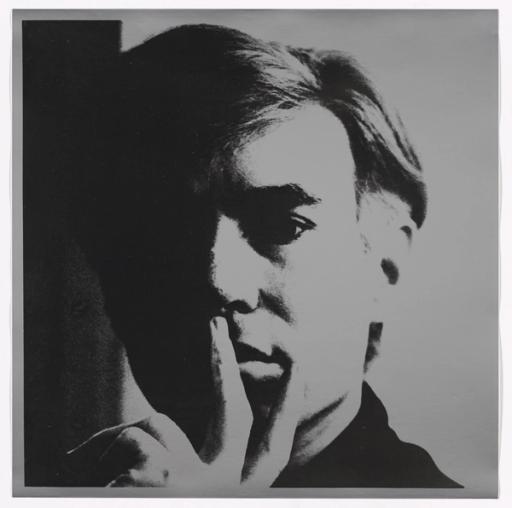
Andy Warhol
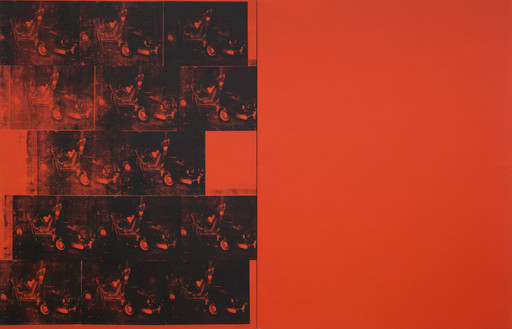
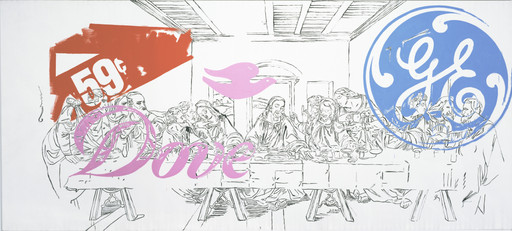
American, 1928–1987 287 works onlineTwo exhibitions in 1962 announced Andy Warhol’s dramatic entry into the art world. In July, at the Ferus Gallery in Los Angeles, he exhibited his now-iconic Campbell’s Soup Cans .
Learn more →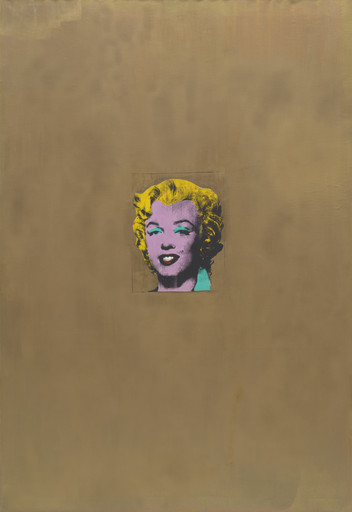
![Andy Warhol. Untitled ([Early Work] Woman)](https://www.moma.org/media/W1siZiIsIjI2ODkwOCJdLFsicCIsImNvbnZlcnQiLCItcXVhbGl0eSA5MCAtcmVzaXplIDUxMng1MTJcdTAwM2UiXV0.jpg?sha=3a19f0596d819514)
![Andy Warhol. Untitled ([Early Work] Woman)](https://www.moma.org/media/W1siZiIsIjI2ODkwOSJdLFsicCIsImNvbnZlcnQiLCItcXVhbGl0eSA5MCAtcmVzaXplIDUxMng1MTJcdTAwM2UiXV0.jpg?sha=9a7a22b249a25d4b)
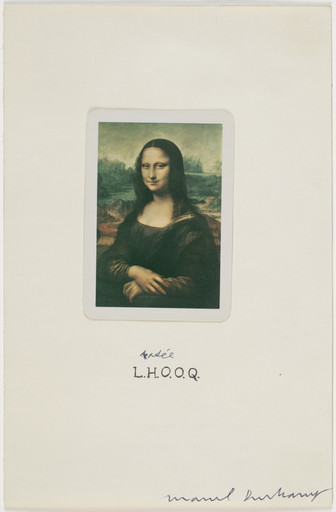
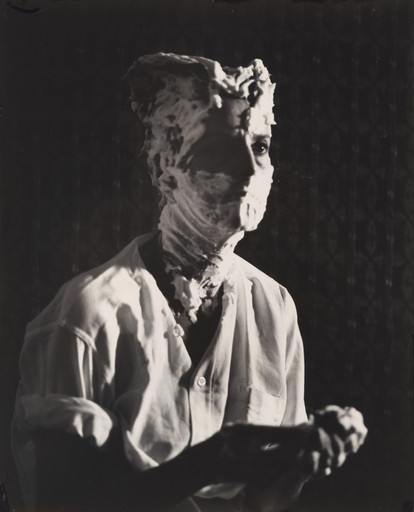
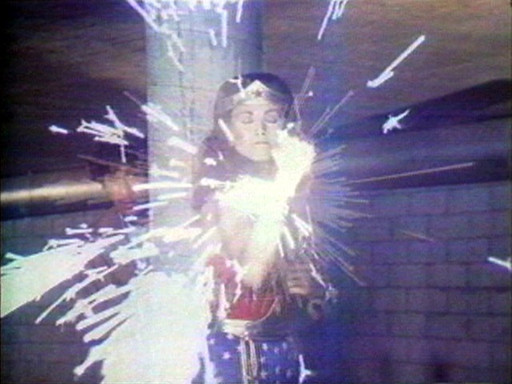

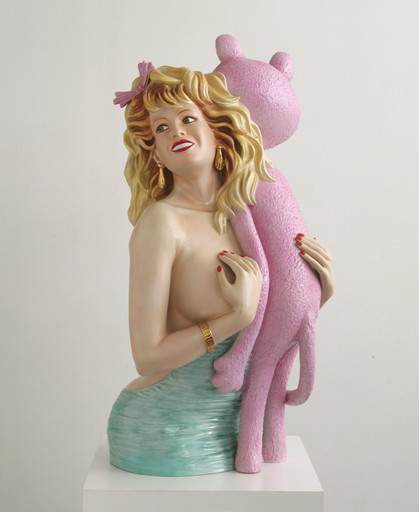
Mass production
The production of large amounts of standardized products through the use of machine-assembly production methods and equipment.
Learn more →


Modern art
Art made from the 1880s to the 1970s—a time marked by the growth of cities, the rise of industry, a surge in technologies, and the development of mass media.
Learn more →

Pop art
A movement comprising initially British, then American artists in the 1950s and 1960s. Pop artists borrowed imagery from popular culture—from sources including television, comic books, and print advertising—often to challenge conventional values propagated by the mass media, from notions of femininity and domesticity to consumerism and patriotism.
Learn more →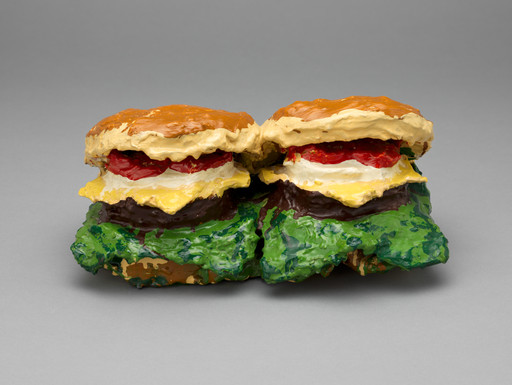
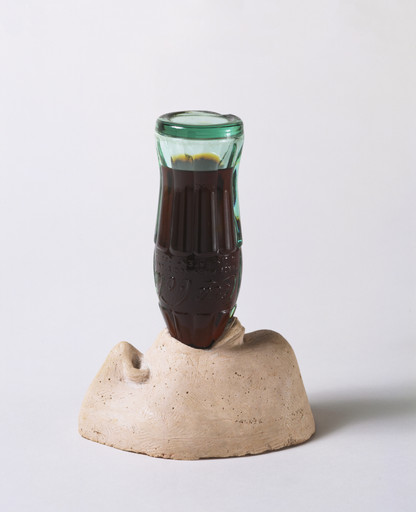
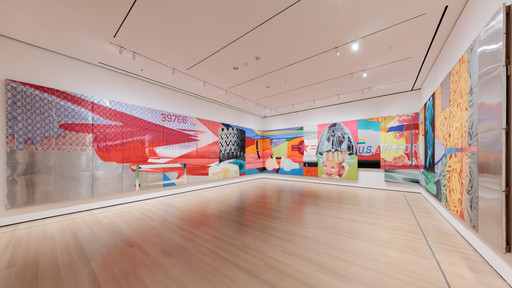
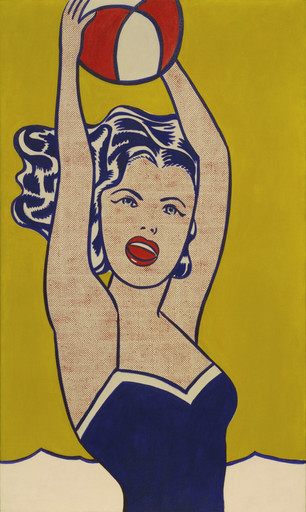
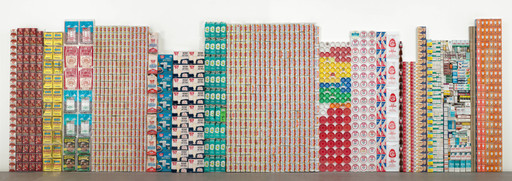
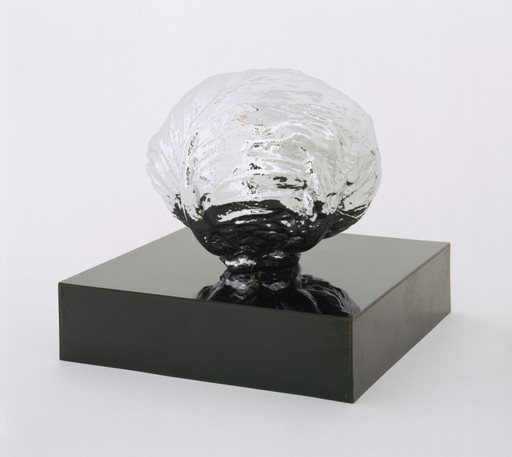
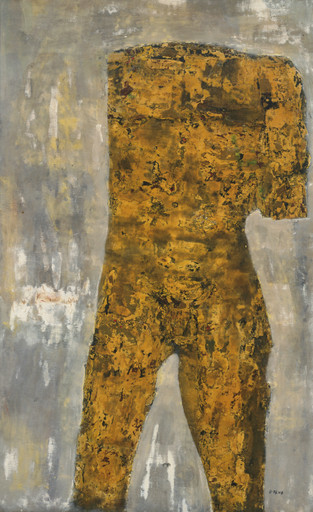
Things: A Story of the Sixties
Gallery 412This gallery takes its name— Things —from French writer Georges Perec’s 1965 novel, which follows the journey of a young couple who “wanted life’s enjoyment, but all around them enjoyment was equated with ownership.
Learn more →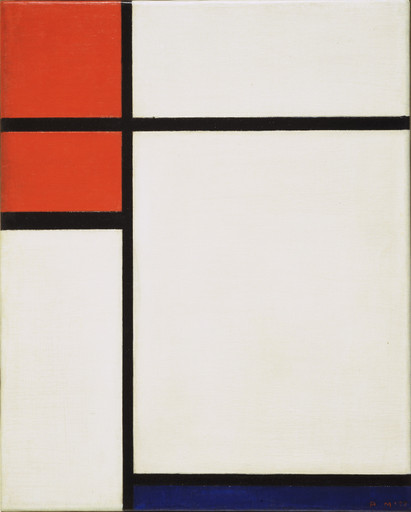

Audio
Audio from the playlist Collection 1950s–1970s
Audio from the playlist Kids
Audio from the playlist Verbal Descriptions
From MoMA Design Store


Installation views
We have identified this work in the following photos from our exhibition history.
Licensing
Artwork or archival images
If you would like to reproduce an image of a work of art in MoMA's collection, or an image of a MoMA publication or archival material (including installation views, checklists, and press releases), please contact Art Resource (publication in North America) or Scala Archives (publication in all other geographic locations).
Audio and film clips
MoMA licenses archival audio and select out of copyright film clips from our film collection. At this time, MoMA produced video cannot be licensed by MoMA/Scala. All requests to license archival audio or out of copyright film clips should be addressed to Scala Archives at [email protected]. Motion picture film stills cannot be licensed by MoMA/Scala. For access to motion picture film stills for research purposes, please contact the Film Study Center at [email protected]. For more information about film loans and our Circulating Film and Video Library, please visit Circulating Film and Video Library.
Text from a publication or the archives
If you would like to reproduce text from a MoMA publication, please email [email protected]. If you would like to publish text from MoMA's archival materials, please fill out this permission form and send to [email protected].
Feedback
This record is a work in progress. If you have additional information or spotted an error, please fill out this feedback form.