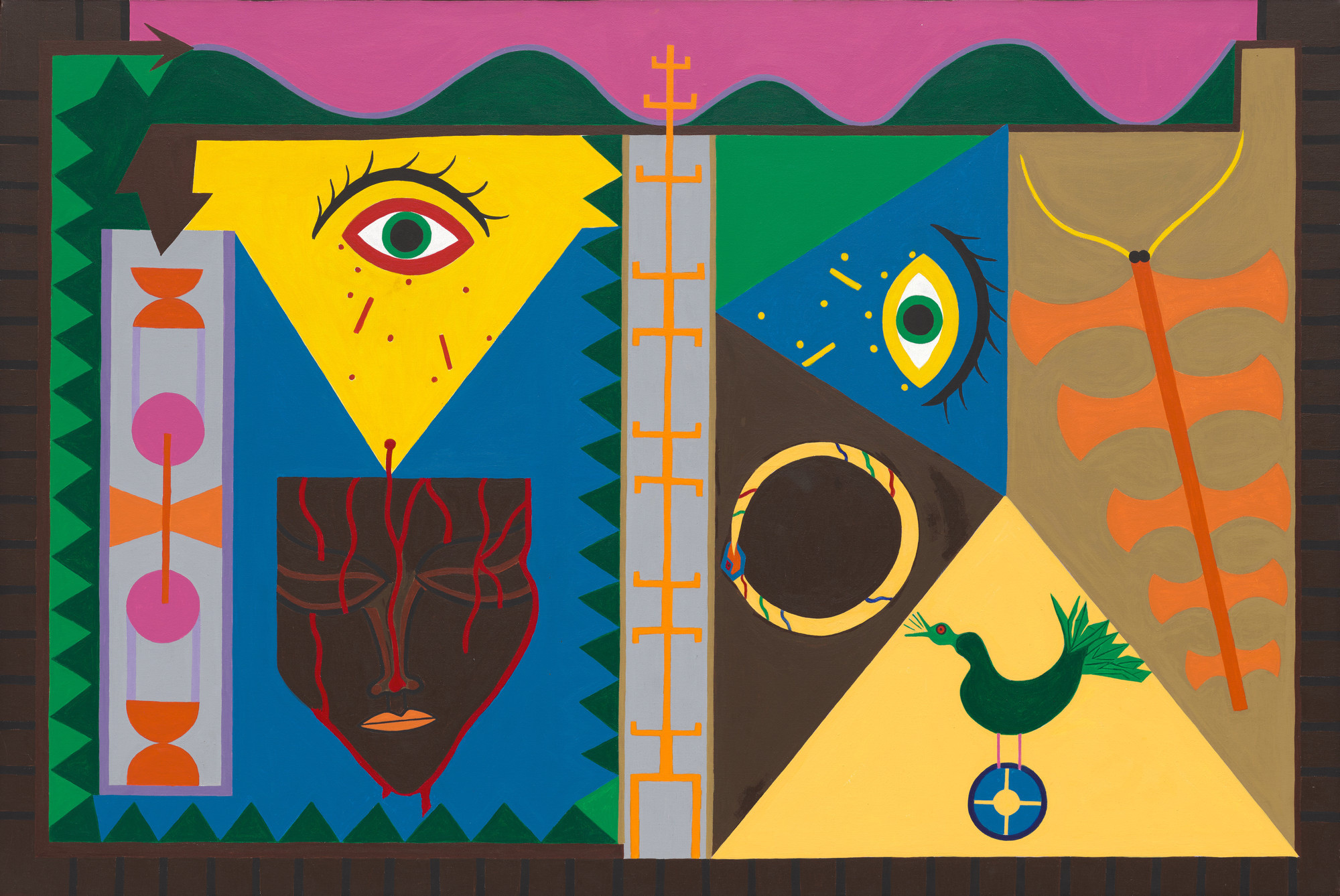
Slow Looking can help us see art in new ways and connect with ourselves. It’s an invitation to use all of our senses to experience art in the most expansive way possible. Slow Looking is an approach and practice that can refine our capacity to observe, process, think, relate, and create personal meaning. It can also fuel curiosity, inspiration, and confidence in engaging with art.
You have everything you need to go on this journey. What discoveries might you make along the way?
Wade Guyton, Untitled ❌❌❌
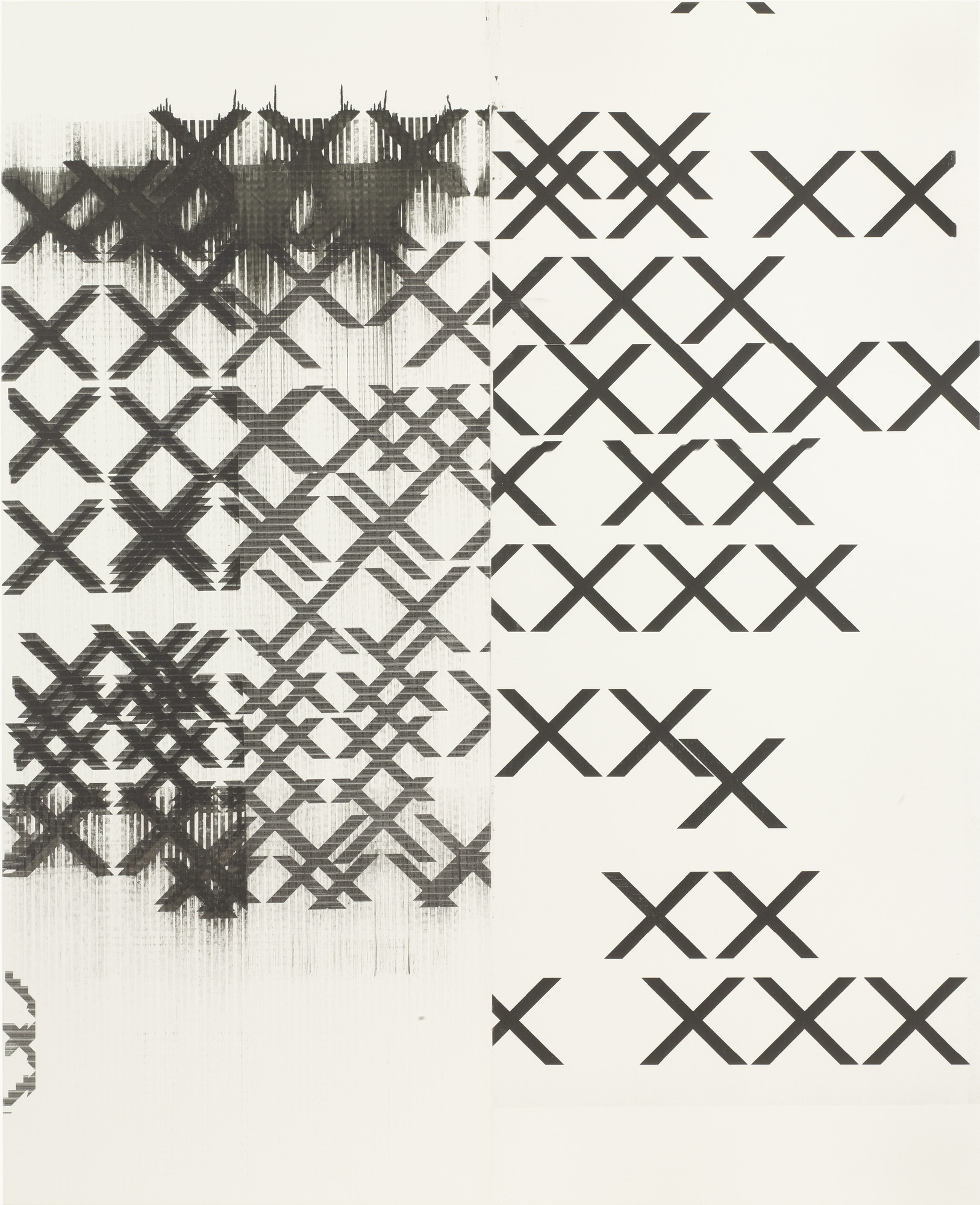
Floor 2
Let your eyes follow the marching Xs across this canvas. Does your gaze feel steady or jumpy? Notice where the ink smudges, blurs, or fades. What might these imperfections reveal? Imagine the canvas moving through the printer, each half forming in sequence. How does knowing this process change the way you see this work? Step closer and trace a single X with your gaze. What shifts in your perception as you slow down and look again?
Judit Reigl, Guano-Round 🌑
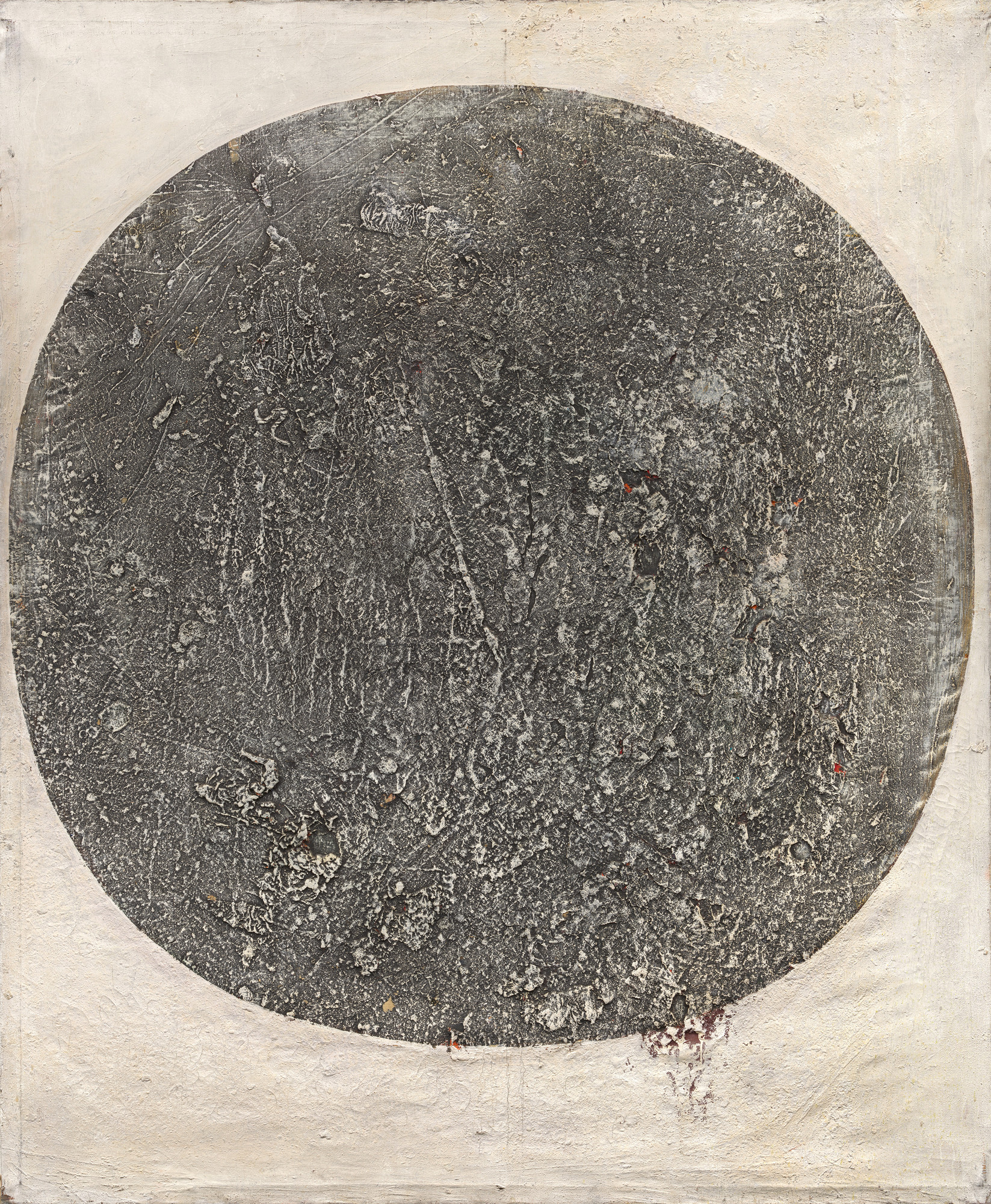
Floor 4, Gallery 401
The David Geffen Galleries
Imagine wrapping your arms around the circle dominating this canvas. Does the shape have an energy or frequency? If you were to push your hands into the shape, how hot or cold do you imagine it would feel? Do you notice any textures? Allow your eyes to find a pathway around and through this circle, tracing over lines and other marks. What comes to mind as you do this? Imagine this circle becoming three-dimensional, lifting off the canvas and joining you in the gallery. Does anything change in the way you perceive this work or how you experience it in your body? As you continue to take in this work, what questions, thoughts, sensations, or emotions linger?
Abdias Nascimento, Facade of a Temple ⛩️✨
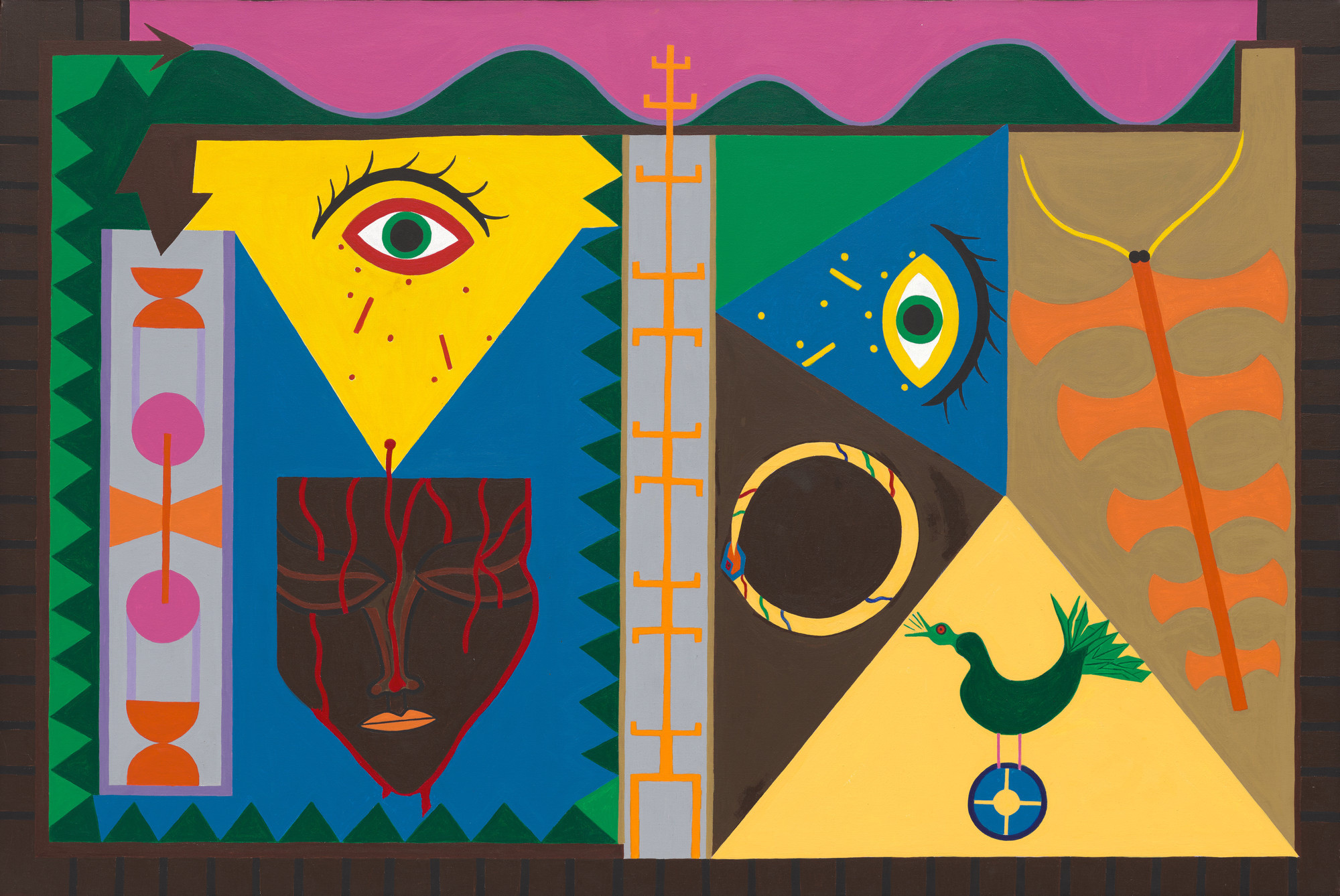
Floor 4, Gallery 407
The David Geffen Galleries
Let your gaze trace the bold, colorful shapes and patterns of Facade of a Temple. What shapes feel the most architectural to you? Notice any patterns or repetition of forms? Do they feel static, or alive with movement? If you could rearrange the shapes and marks, how would you do it? How would the energy of this work change? In your mind, picture yourself stepping through this facade. Where might it lead? As you continue looking, allow yourself to be enveloped by the shapes and color and notice what shifts within you.
Daniel Spoerri, Kichka’s Breakfast I 🍽️☕🚬
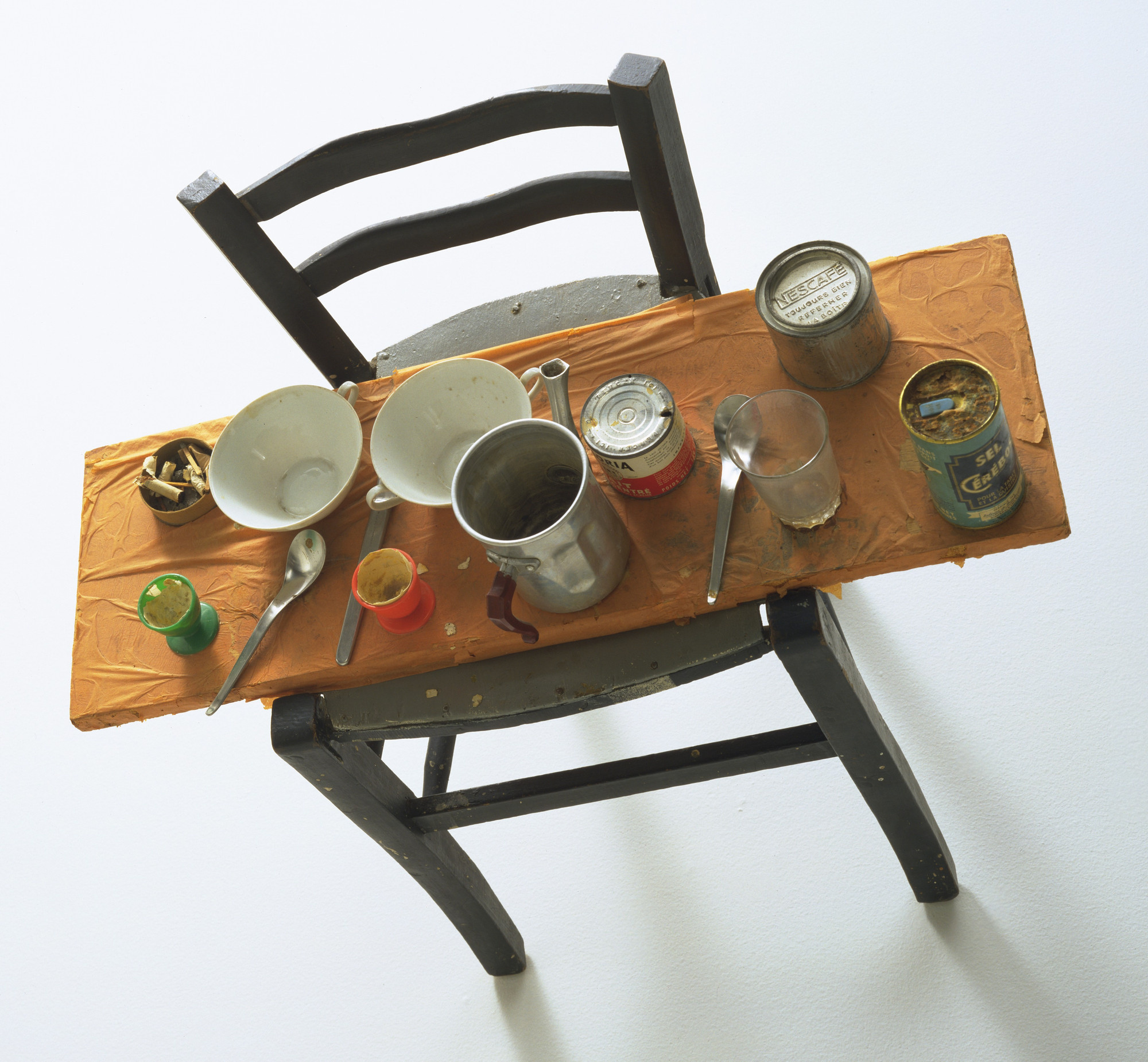
Floor 4, Gallery 408
Take a moment to scan the contents of this breakfast table. What do you notice? If it feels okay, tilt your head—how does seeing this high on the wall shift your sense of gravity? If you could step into the moment this breakfast was made, what sounds or smells would you experience? Notice what feels familiar or unexpected. As you look longer, what details emerge that you didn’t see at first?
If your breakfast table suddenly froze in time, what stories might it tell?
Geta Bratescu, Medea’s Hypostases IV 🧵
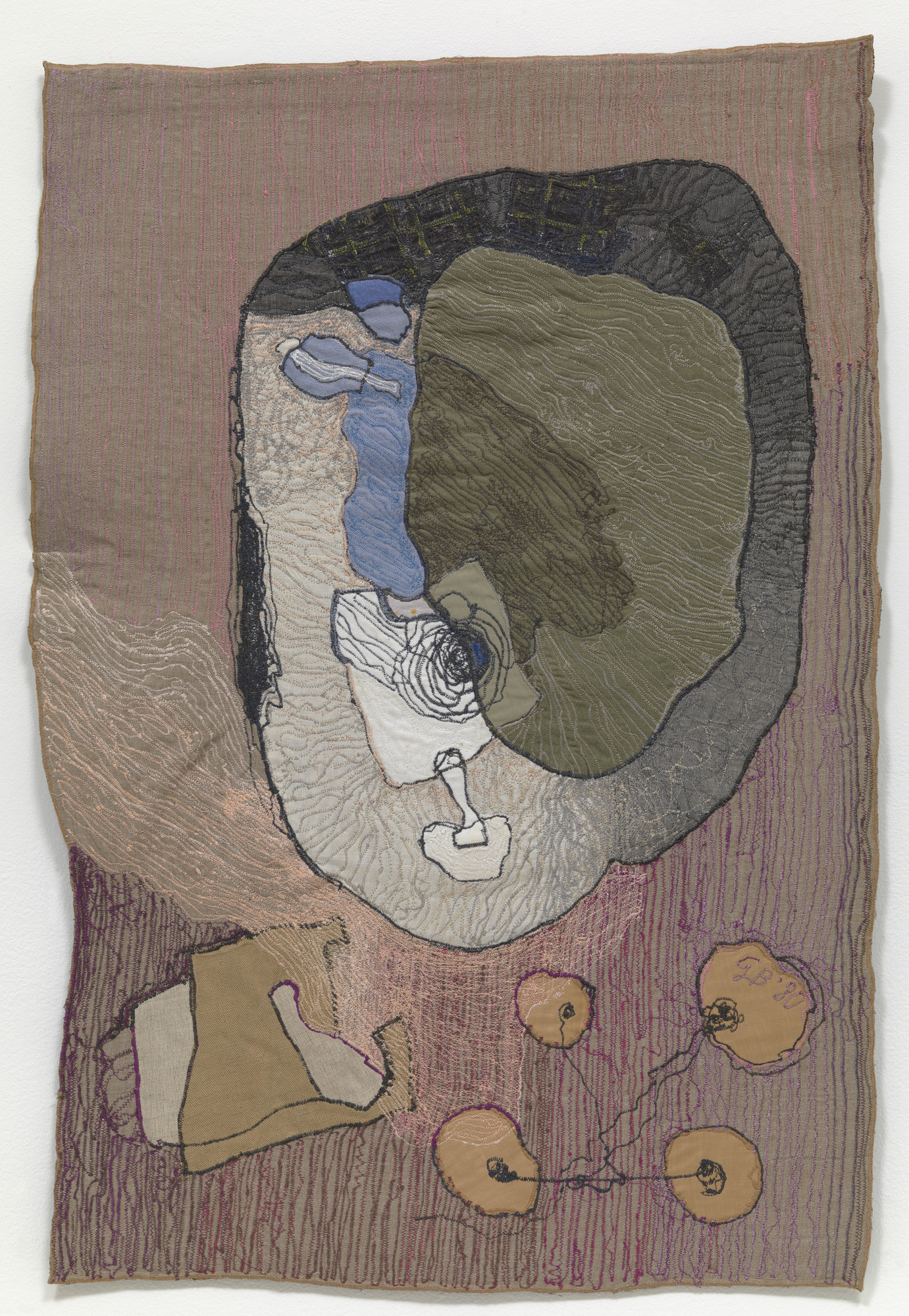
Floor 4, Gallery 420 The David Geffen Galleries
Give yourself a moment to take in this work, allowing your eyes to wander across the textile. What are your first impressions? Try slowly “reading” the work from left to right. Now start from the top and move to the bottom. What colors do you notice? Do any shapes stand out? Can you imagine what this work would feel like if you were able to run your hand over it? Find a spot that draws you in. Visualize yourself pulling on a thread and seeing it unravel. How would the composition shift? Do you sense places of tension and ease, both in this work and in yourself?
Dorothea Tanning, Dogs of Cythera 🌀🐕
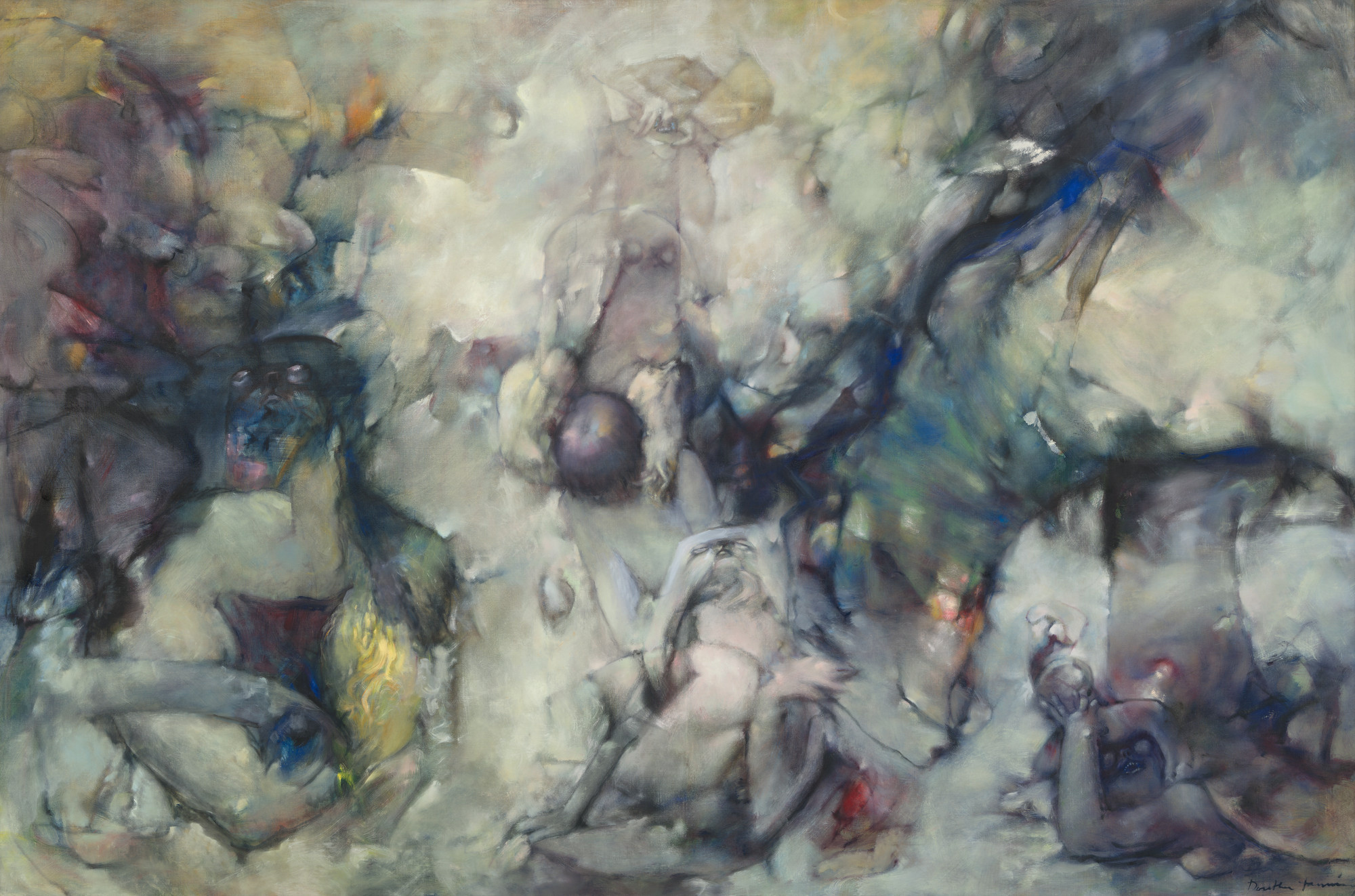
Floor 4, Gallery 420
The David Geffen Galleries
Let your eyes drift over this dreamlike scene. Notice how forms appear and dissolve, shifting between presence and absence. Can you find doglike or humanlike elements? How would you describe the movement pictured? Is it gentle or something more forceful? What might the air in this world feel like against your skin?
Slowly scan this painting from left to right and back again. Do you think this is a place of arrival or departure? As you continue looking, what emotions, sensations, stories, or questions start to surface?
David Smith, Head 👤
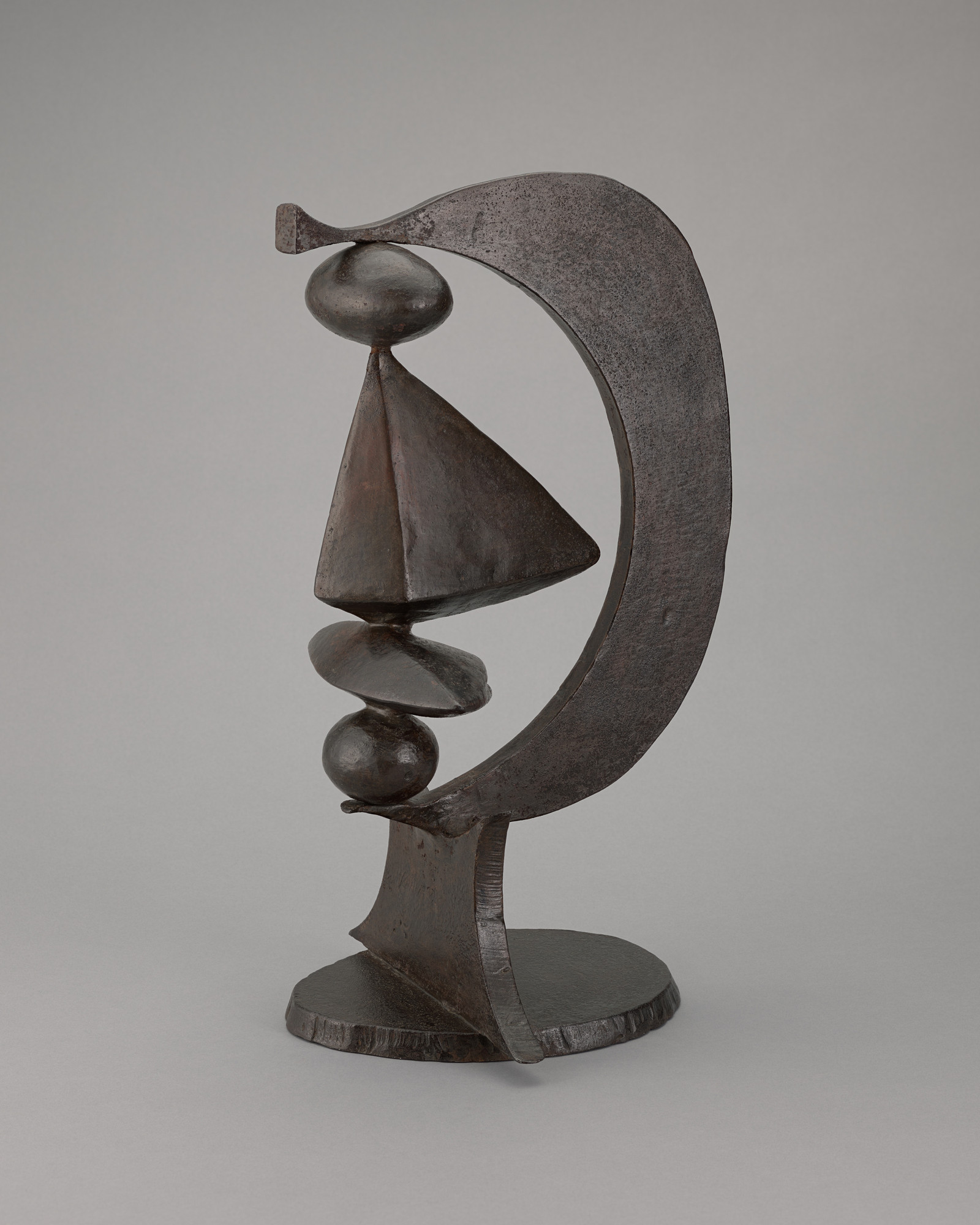
Floor 5, Gallery 500
Circle around this sculpture or imagine yourself circling around it. Take it in from all sides, paying attention to its shapes, edges, and surfaces. What do you notice? What images come into your head as you consider the form of this work? Imagine this sculpture could move. How would it move? What would its movement look and feel like? Does it make any sounds as it moves? What shadows would it cast if it were in motion?
František Kupka, Vertical and Diagonal Planes (1913-14) ⬆️⬇️↗️↘️
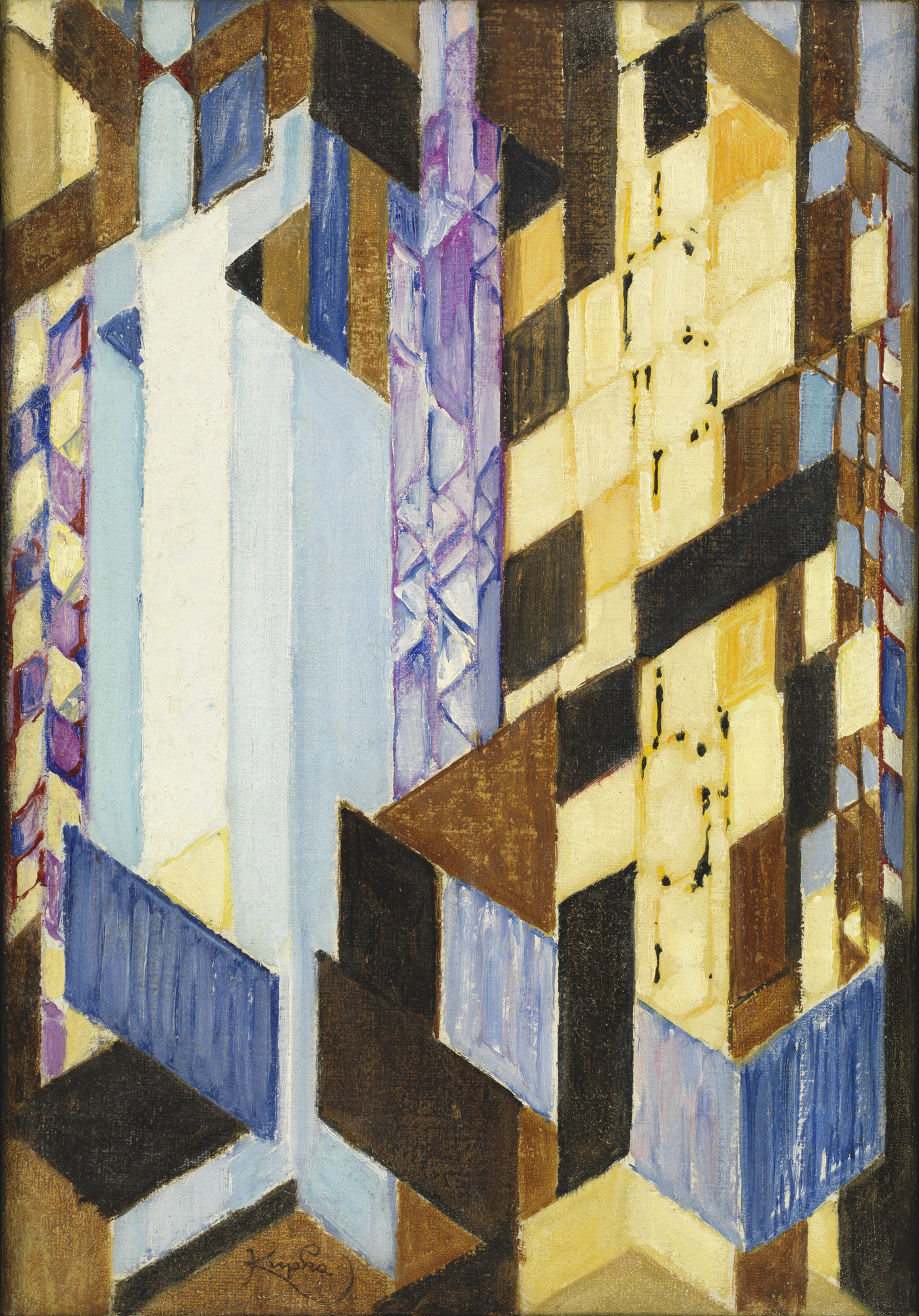
Floor 5, Gallery 503
Let your eyes travel along the bold verticals and sharp diagonals. Do they feel like they are rising, falling, or shifting in space? Follow the intersections. Where do they lead you? Notice the colors: do they vibrate, clash, or harmonize? Feel the movement in this composition. If it had a rhythm or a sound, what might it be? As you take in the painting, what sensations, emotions, or ideas emerge?
Arthur Dove, Willows 🌿
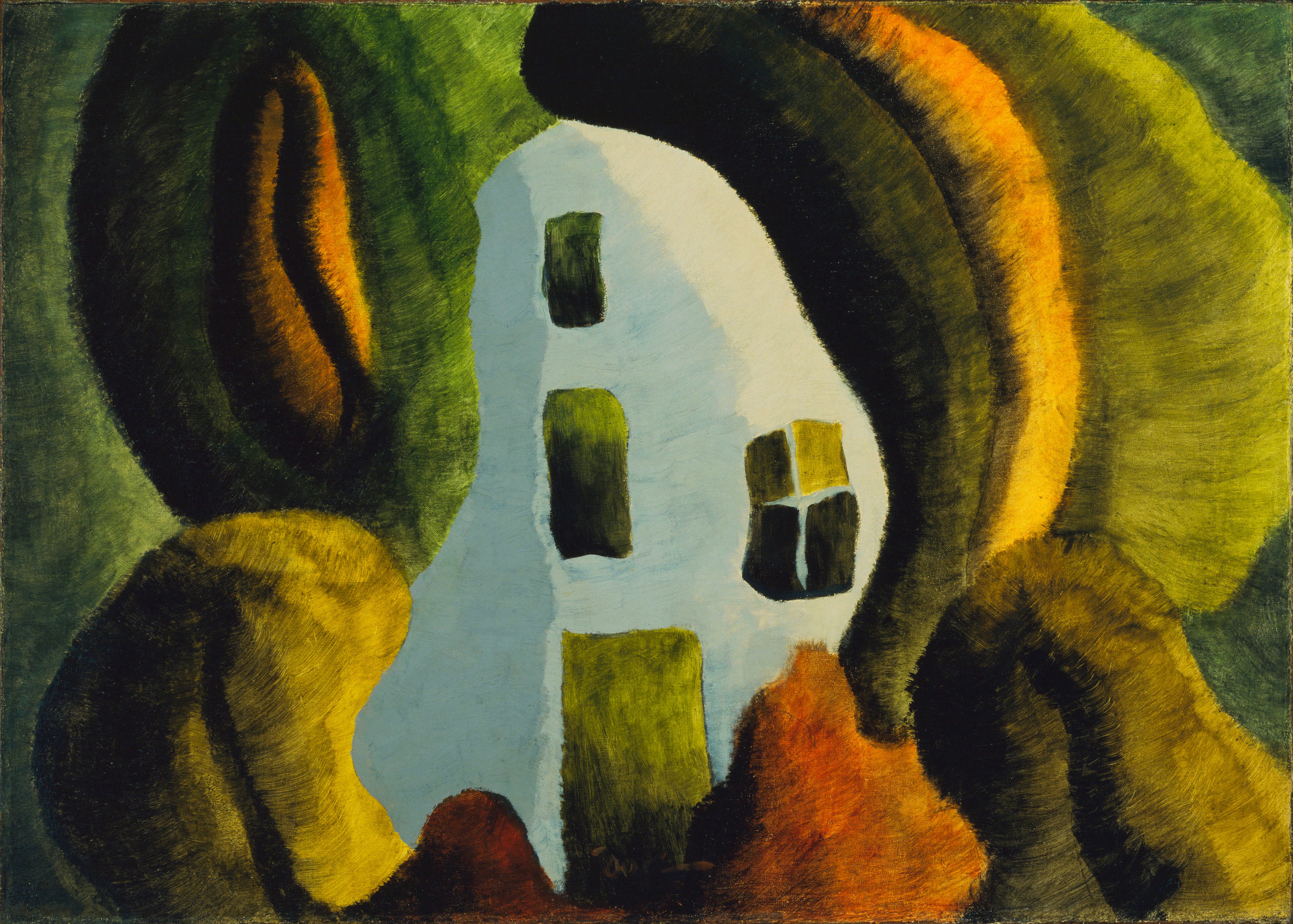
Floor 5, Gallery 509
The David Geffen Wing
Slowly scan this painting from left to right and then imagine drawing a line down the center. Compare one side to the other. What stands out to you? What shapes fill the canvas?
There is a lot of green in this painting. How would you describe each shade of green you see? What other colors do you notice? Now, spend a moment taking in the work in its entirety. If you were to place yourself in this painting, from what perspective would you be viewing this scene? What real or imagined spaces does this work transport you to?
Alberto Giacometti, The Palace at 4 a.m. 🏯
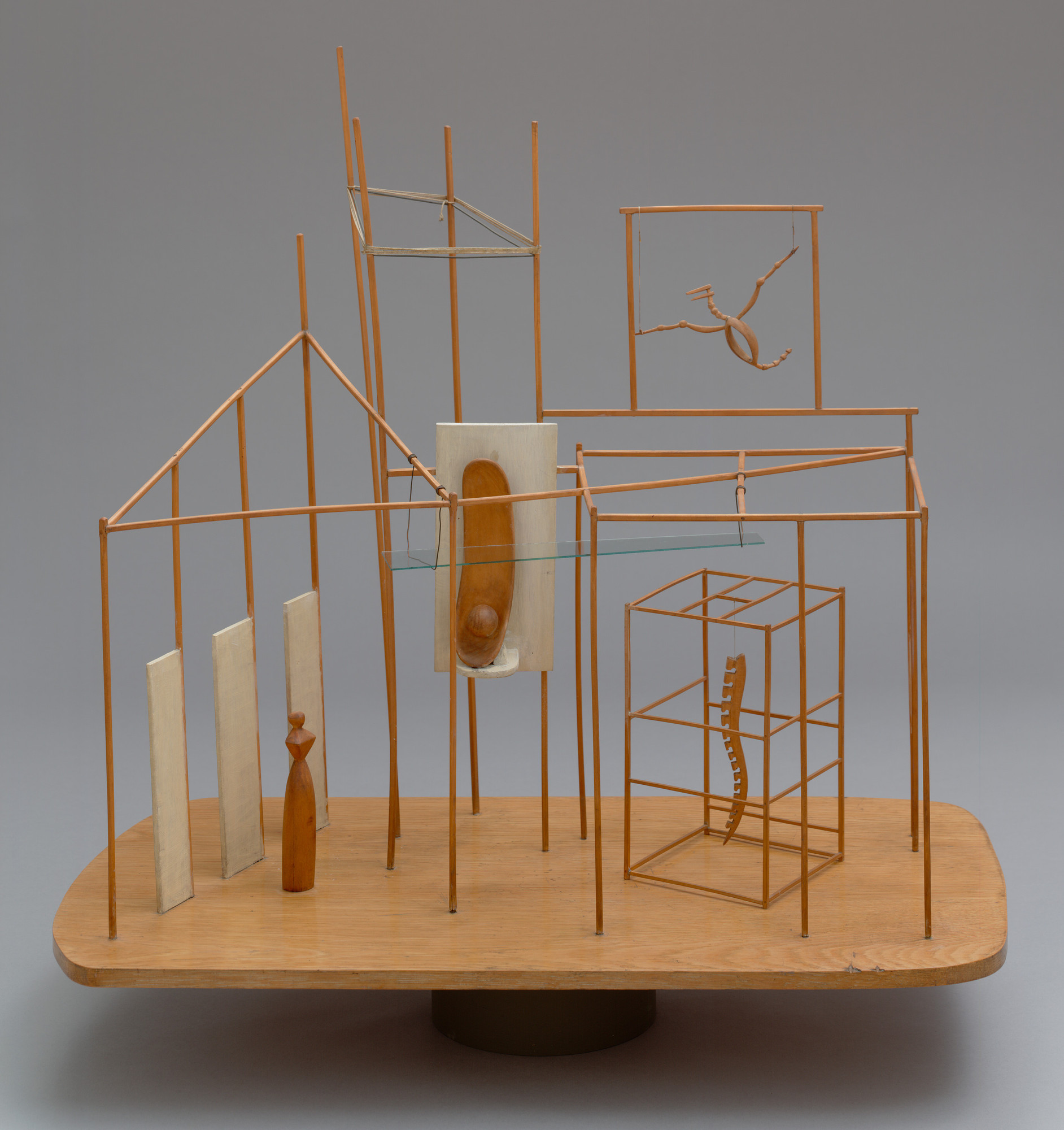
Floor 5, Gallery 517
The Alfred H. Barr, Jr. Galleries
Choose one side or spot on this work to begin your exploration. What catches your attention? Trace the curves and lines of the structure and figures with your eyes. What materials do you notice as you do this? Consider how the different surfaces might feel to touch. How is this piece held together? If you could flip a switch and turn this artwork on like a music box, what movement might occur? Would it make any sounds?
To explore this work from the perspective of a figure inside, listen to the Verbal Description above.
Christopher Cozier, Tropical Night 💃
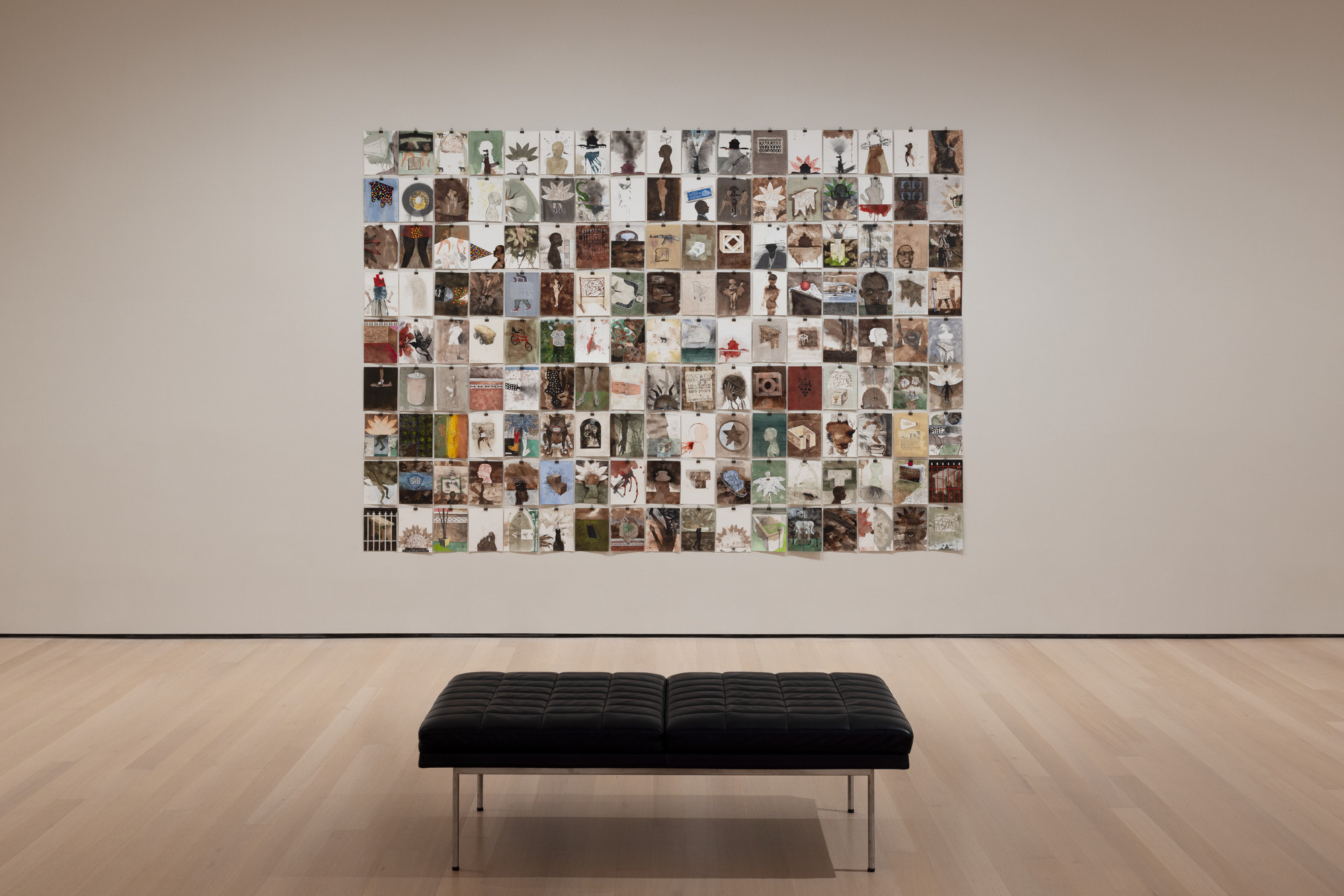
Floor 5, Gallery 520
The Alfred H. Barr, Jr. Galleries
Take a moment to take in this installation in its entirety. You’ll notice it is made of many separate images, making it a great opportunity to try sorting through stimuli. First, notice all of the images that contain a human figure. What do you notice about those? How are they similar or different from one another? Next, choose the one that sparks your interest the most. What are the visual details that hold your attention? Try taking on the figure’s pose or visualize yourself doing so. If you were to move or position your body to match the figure in this image, what would that look and feel like? Is there a particular motion or rhythm? Notice any emotions or sensations that arise within you. How would you describe the energy of this particular image? How does it connect to the larger installation? Take time to reflect on any interpretations you make of this work.
Tips for Slow Looking
- Give yourself time to notice, consider, and reflect. Set a timer for five minutes, then increase this time incrementally the more you look.
- Notice where your attention goes. Take descriptive notes about what you see. Set aside any need you feel to read the wall label, at least for now.
- Take your time moving through the artwork, from top to bottom, side to side. Focus on elements—such as colors, shapes, lines, textures, or figures—one at a time.
- Try looking at art from different vantage points or angles and notice how your perspective changes. This could include moving your body, tilting your head, covering one eye, looking away and then back again, moving closer, or stepping back.
- Pay attention, without judging or assigning meaning, to any bodily sensations you experience as you look at art. Notice and name emotions that an artwork evokes for you.
- Be curious. What draws you in? What makes you look away? What do you wonder about? What thoughts or questions enter your mind as you look?