Not on view
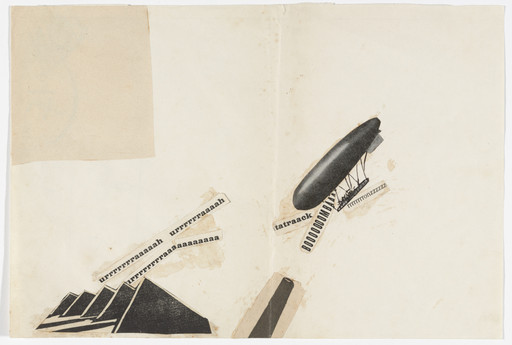
Surrealist artists played a collaborative, chance-based parlor game, typically involving four players, called Cadavre Exquis (Exquisite Corpse). Each participant would draw an image (or, on some occasions, paste an image down) on a sheet of paper, fold the paper to conceal their contribution, and pass it on to the next player for his contribution.
Taking turns adding onto each other’s drawings and collages resulted in fantastic composite figures, such as Nude by Yves Tanguy, Joan Miró, Max Morise, and Man Ray. The resulting nude female figure combines a humorous and absurd array of features—from leaf ears to snowshoe feet. For the Surrealists, Exquisite Corpse was a perfect parlor game, involving elements of unpredictability, chance, unseen elements, and group collaboration—all in service of disrupting the waking mind’s penchant for order.
Explore more
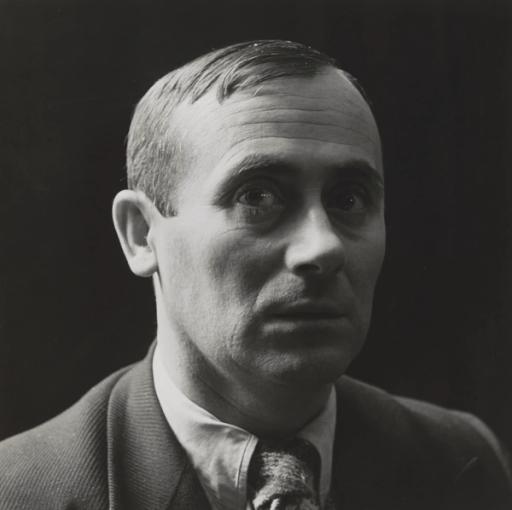
Joan Miró
Spanish, 1893–1983 491 works onlineJoan Miró’s painting The Hunter (Catalan Landscape) brings together the real and the imaginary, abstraction and figuration, and image and text in a way that would characterize much of his work to come.
Learn more →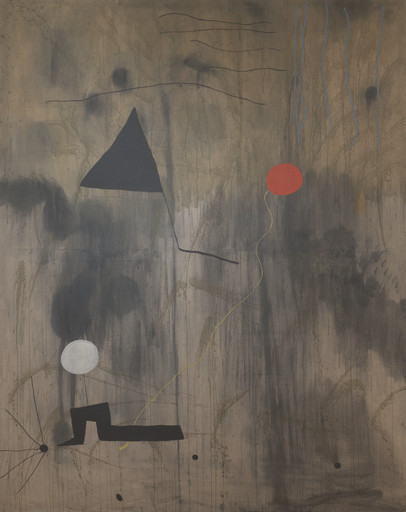

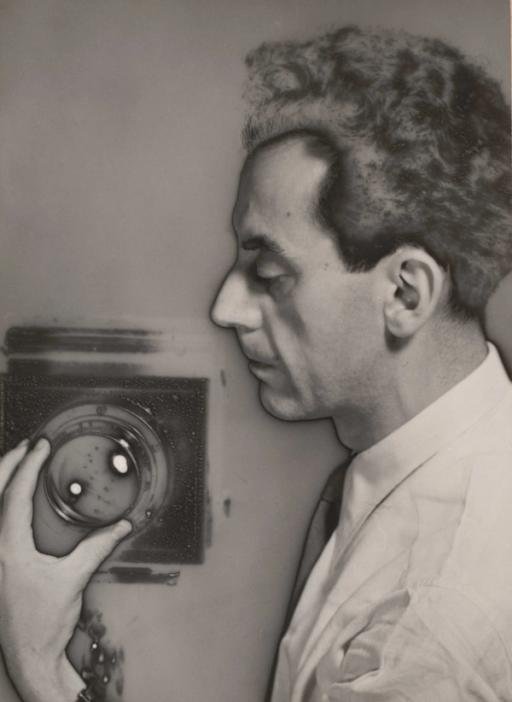
Man Ray (Emmanuel Radnitzky)
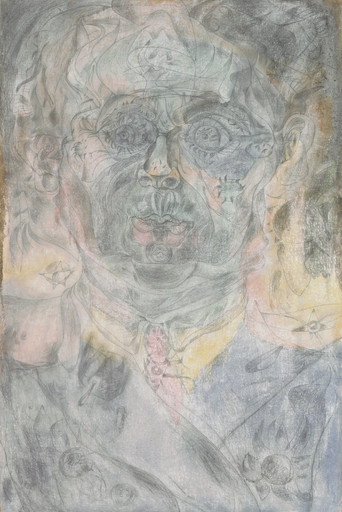
American, 1890–1976 196 works onlineSo enthused Man Ray (born Emmanuel Radnitzky) in 1922, shortly after his first experiments with camera-less photography. He remains well known for these images, commonly called photograms but which he dubbed “rayographs” in a punning combination of his own name and the word “photograph.
Learn more →

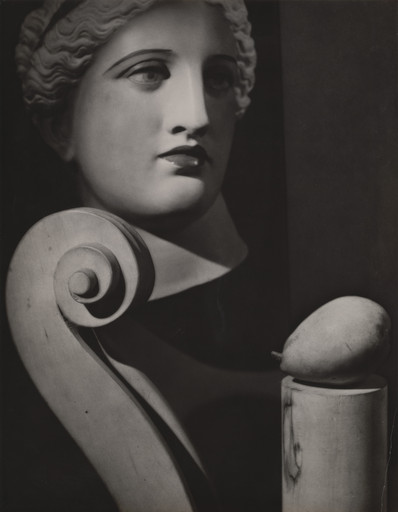

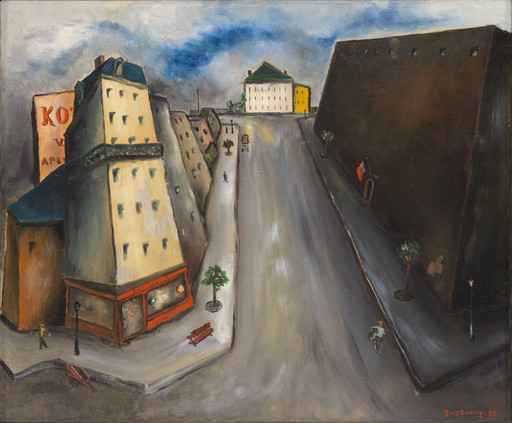

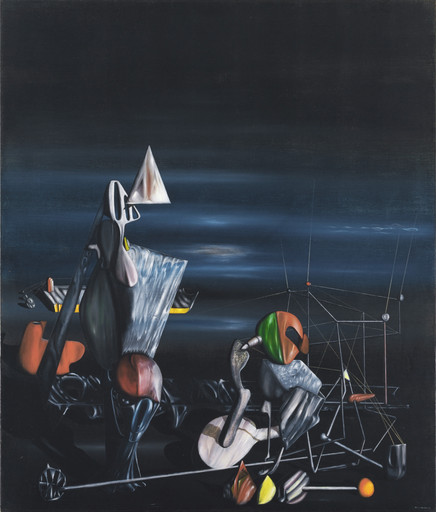
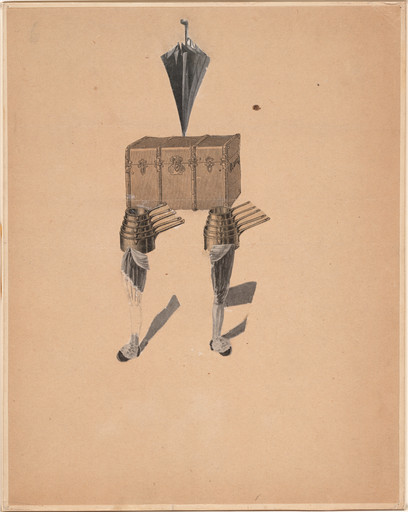
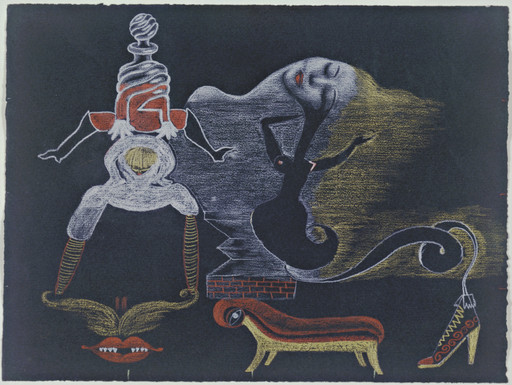
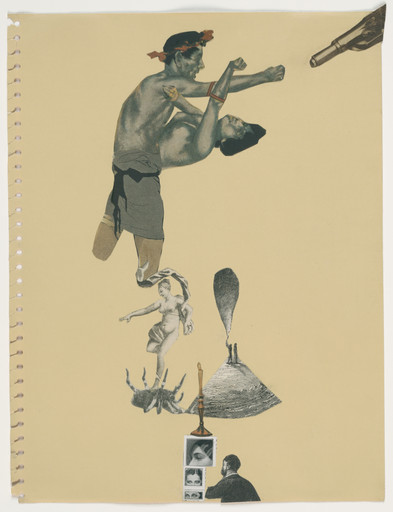
Exquisite corpse
A game in which each participant takes turns writing or drawing on a sheet of paper, folding it to conceal his or her contribution, and then passing it to the next player for a further contribution.
Learn more →
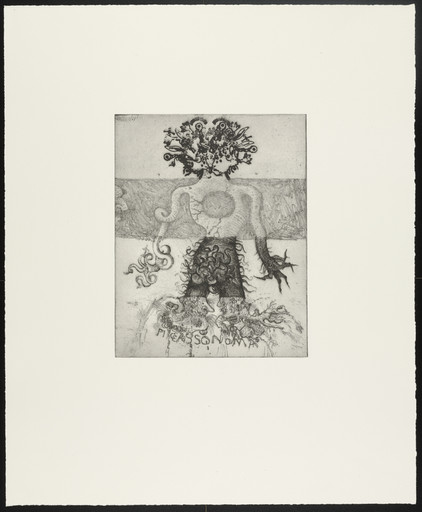
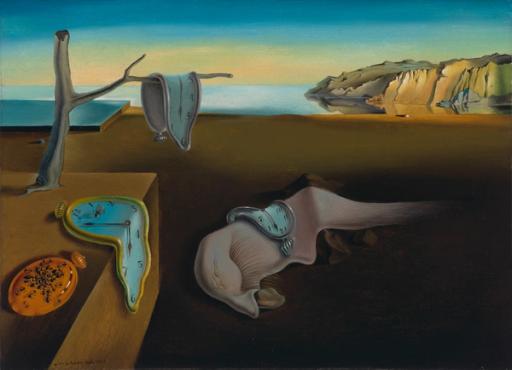
Surrealism
An artistic and literary movement led by French poet and writer André Breton from 1924 through World War II. Drawing on the psychoanalytic theories of Sigmund Freud, the Surrealists sought to overthrow what they perceived as the oppressive rationalism of modern society by accessing the sur réalisme (superior reality) of the subconscious.
Learn more →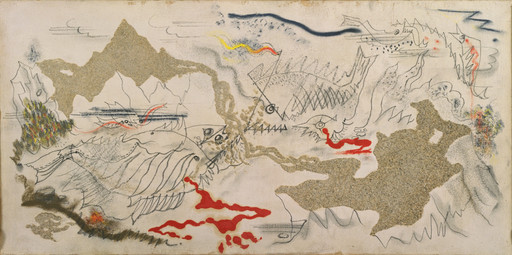


From MoMA Design Store


Installation views
We have identified this work in the following photos from our exhibition history.
Licensing
Artwork or archival images
If you would like to reproduce an image of a work of art in MoMA's collection, or an image of a MoMA publication or archival material (including installation views, checklists, and press releases), please contact Art Resource (publication in North America) or Scala Archives (publication in all other geographic locations).
Audio and film clips
MoMA licenses archival audio and select out of copyright film clips from our film collection. At this time, MoMA produced video cannot be licensed by MoMA/Scala. All requests to license archival audio or out of copyright film clips should be addressed to Scala Archives at [email protected]. Motion picture film stills cannot be licensed by MoMA/Scala. For access to motion picture film stills for research purposes, please contact the Film Study Center at [email protected]. For more information about film loans and our Circulating Film and Video Library, please visit Circulating Film and Video Library.
Text from a publication or the archives
If you would like to reproduce text from a MoMA publication, please email [email protected]. If you would like to publish text from MoMA's archival materials, please fill out this permission form and send to [email protected].
Feedback
This record is a work in progress. If you have additional information or spotted an error, please fill out this feedback form.