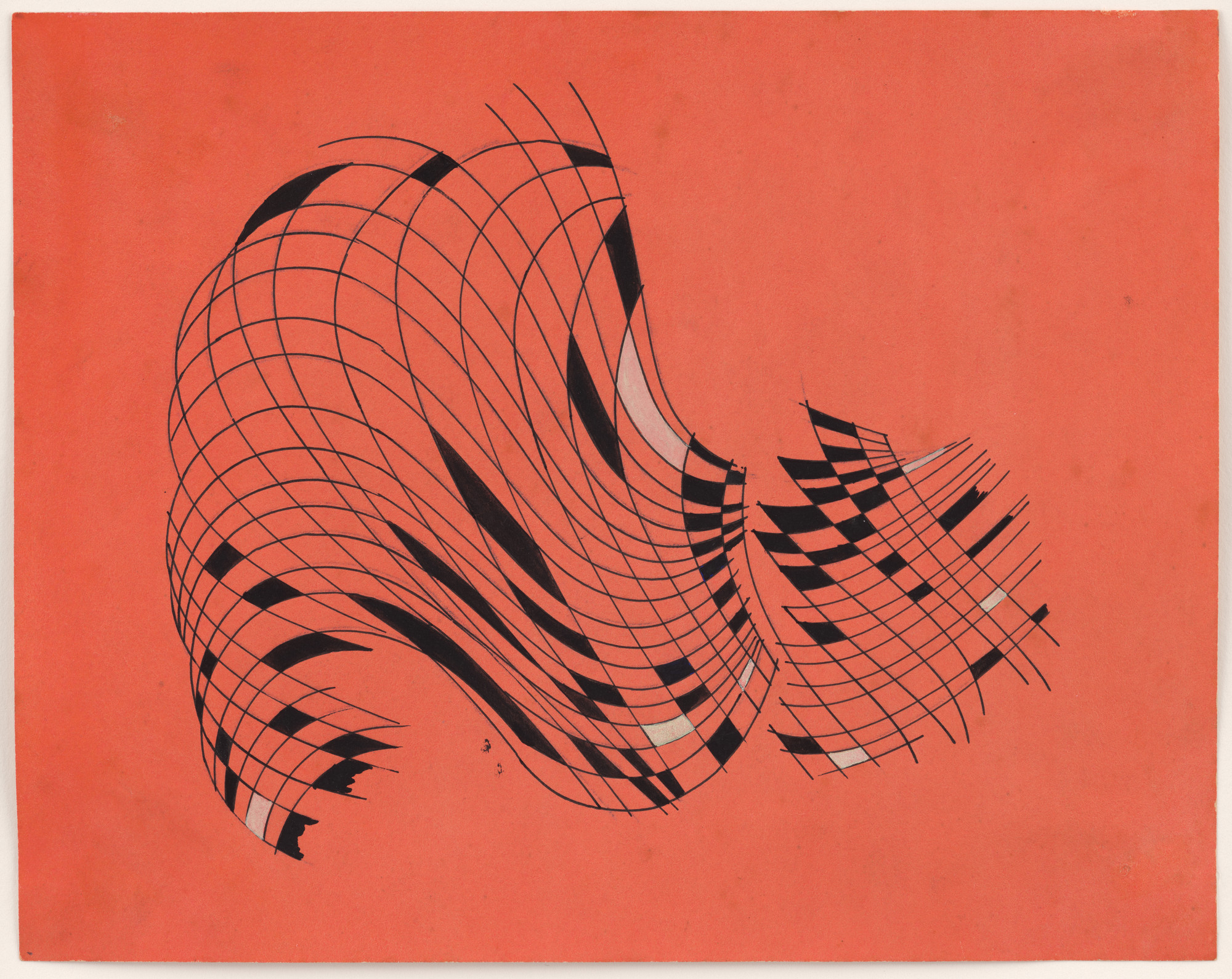
The Latin American Collection Fellowship offers scholars, writers, and curators the opportunity to conduct research about the Museum’s holdings of Latin American art. It supports the studying of overlooked aspects of the works and movements in the Cisneros Modern Gift and/or discussions of unexplored connections between the Gift and art from other regions.
2022 Collection Fellow
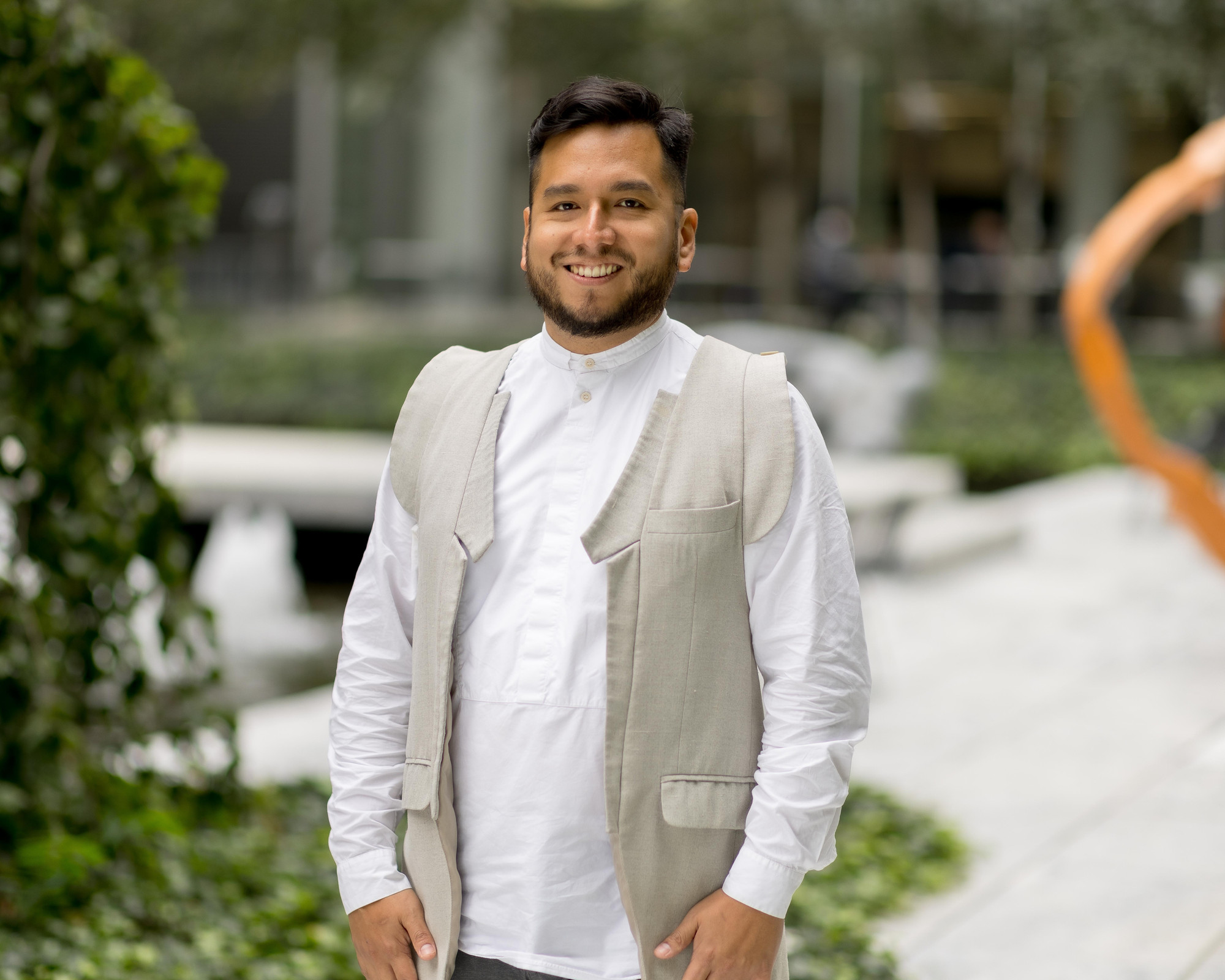
Horacio Ramos
The 2022 Latin American Collection Fellowship has been awarded to art historian Horacio Ramos. Ramos is a Peruvian scholar and a PhD candidate at the Graduate Center, City University of New York. He has published essays on modern and contemporary art in Artforum, Illapa Mana Tukuq, Histórica, and Shift, and in catalogues edited by the Museo de Arte Contemporáneo de Lima, the Museo de Arte de Lima, and the Pinacoteca do Estado de São Paulo. His research has received the support of the College Art Association, the Clark Art Institute, the Getty Institute, the Mellon Foundation, and the Colección Patricia Phelps de Cisneros. Ramos has worked in the curatorial departments of the Museo de Arte de Lima and the Museo del Barrio in New York, and he recently co-curated the group show Negar el Desierto (Denying the Desert) at the Museo de Arte Contemporáneo de Lima.
His project investigates how geometric abstraction bolstered a reconceptualization of Andean textiles in postwar artistic discourse by linking two distinct yet parallel art histories: the interest shown in these objects by abstract artists like Annie Albers and César Paternosto, and the workshops established in the Peruvian Andes by Quechua weaver Nilda Callañaupa. Ramos will delve into the holdings of the Cisneros Modern Gift to offer a critical yet unexplored path to illuminate the interplay between visual and fiber arts in the Andes and the Americas at large.
“Thinking through Craft: Modern Weaving in Peru and Venezuela in the 1980s”
This essay examines the work of two Latin American artists: Nilda Callañaupa Álvarez (Peruvian, born 1960 in Chinchero, Cusco) and Gego (Gertrud Goldschmidt, Venezuelan, born 1912 in Hamburg; died 1994 in Caracas). Their projects in the 1980s, the author argues, underscored the tridimensional nature of weaving, building upon and intervening in local and transnational discourses on weaving, craft, and modern art in Latin America.
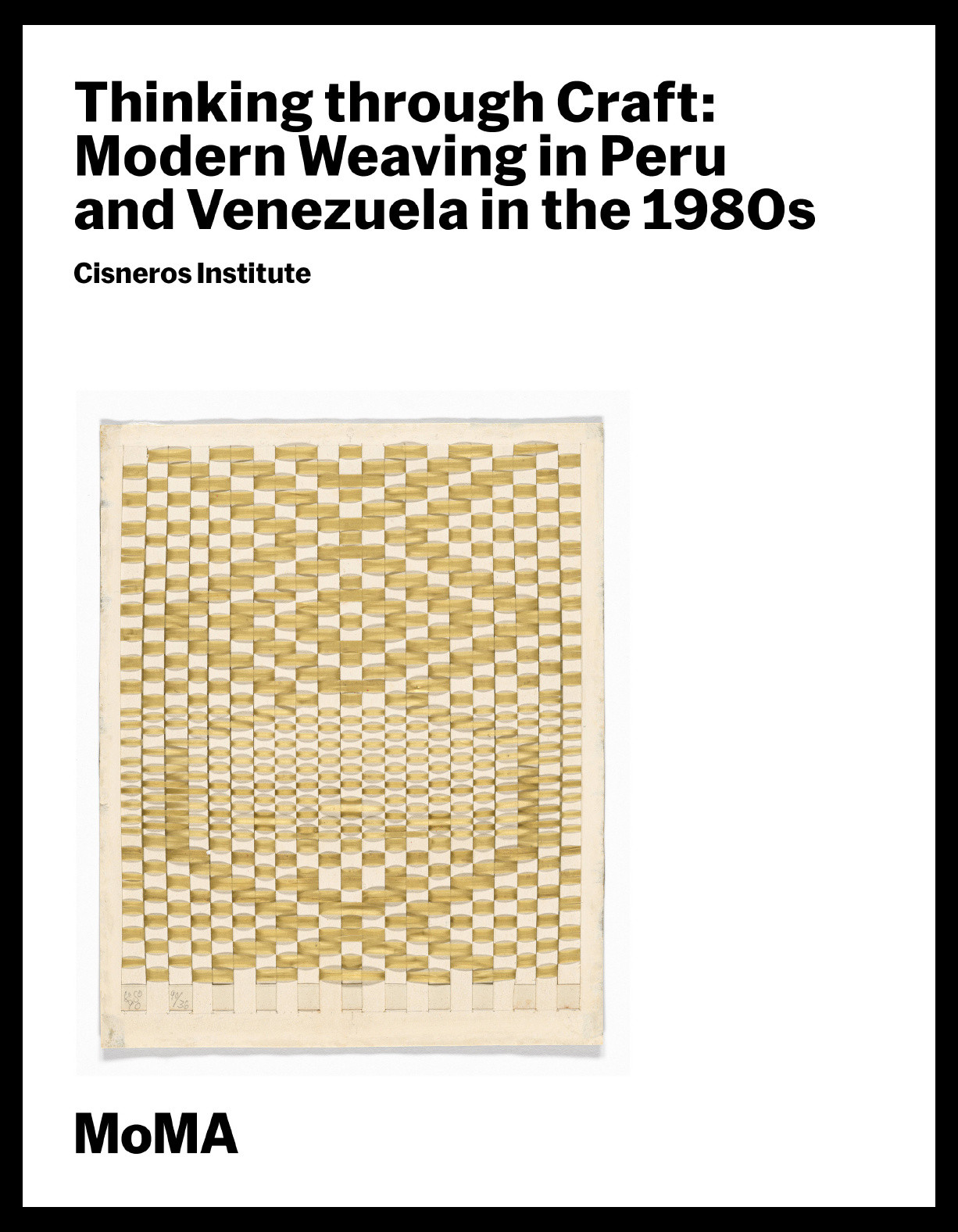
Download the essay “Thinking through Craft: Modern Weaving in Peru and Venezuela in the 1980s”.
2021 Collection Fellow

Heloisa Espada
Heloisa Espada was the recipient of the 2021 Latin American Collection Fellowship. She holds a PhD in arts (art history and art criticism) from the School of Communications and Arts at the University of São Paulo (2011). Her research focuses on art produced in Brazil after World War II, with special attention to geometric abstraction and photography. She is the author of Hercules Barsotti (Folha de São Paulo Editions, 2013), Geraldo de Barros e a fotografia (Instituto Moreira Salles; SESC Editions, 2014), and Monumentalidade e Sombra: o centro cívico de Brasília por Marcel Gautherot (Annablume, 2016).
“Grupo Ruptura and Abstraction in Central Europe: Lost Histories and Works by Kázmér Fejér and Leopoldo Haar”
In her essay Espada investigates the trajectory of Grupo Ruptura from the late 1940s to its dissolution around 1960, focusing on internal contradictions, theoretical differences, and the evolving practices of its members. Despite the prominence of Waldemar Cordeiro as the theorist and main spokesperson for Ruptura, the group’s members were influenced by diverse theoretical references, including the writings of Hungarian sculptor Kazmér Féjer, who acted as a theorist of abstractionism in Budapest immediately after the war, before immigrating to Brazil in 1947. The research highlights the distinct contributions of Geraldo de Barros and others, revealing a more complex relationship with Cordeiro’s ideas on concrete art than the specialized historiography tends to suggest.
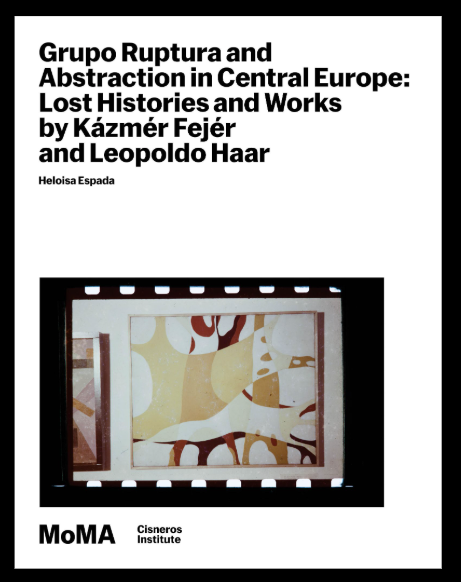
Download her essay “Grupo Ruptura and Abstraction in Central Europe: Lost Histories and Works by Kázmér Fejér and Leopoldo Haar”.
2020 Collection Fellow
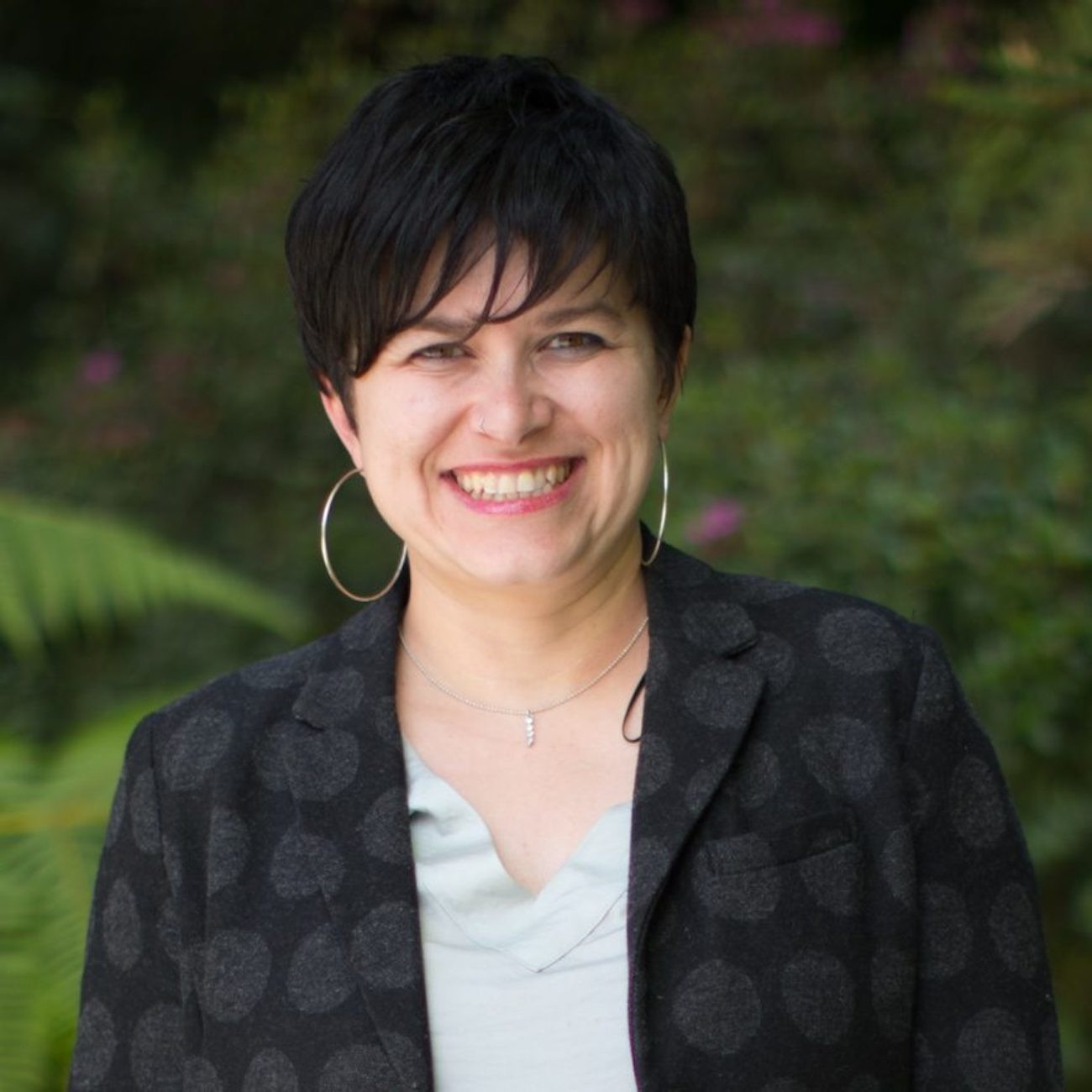
Ana Franco
The 2020 Latin American Collection Fellowship was awarded to Ana Franco, an associate professor at Universidad de los Andes, in Bogotá. She is the author of Neoclásicos: Edgar Negret y Eduardo Ramírez Villamizar entre París, Nueva York y Bogotá, 1944–1964 (Ediciones Uniandes, 2019) and co-editor of New Geographies of Abstract Art in Postwar Latin America (Routledge, 2019). Her research focuses on postwar abstract art in Latin America from a transnational perspective.
Two Women Artists in Latin American Abstract Art: Maria Freire and Lidy Prati
Franco’s project delves into the work of Uruguayan artist María Freire (1917–2015) and Argentine artist Lidy Prati (1921–2008). Although both were active participants in the concretist movements in the Southern Cone during the 1940s and 1950s, their art has not received the same degree of attention as that of their male peers—especially outside of their home countries. Franco’s goal will be to develop a better understanding of the ways in which these women interpreted the legacies of Constructivism and Concrete art.
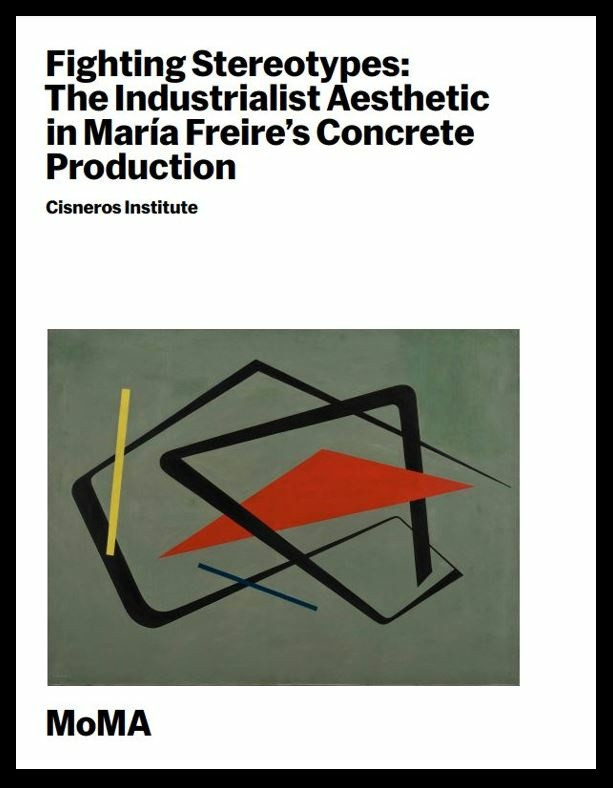
Download her essay “Fighting Stereotypes: The Industrialist Aesthetic in María Freire’s Concrete Production”.