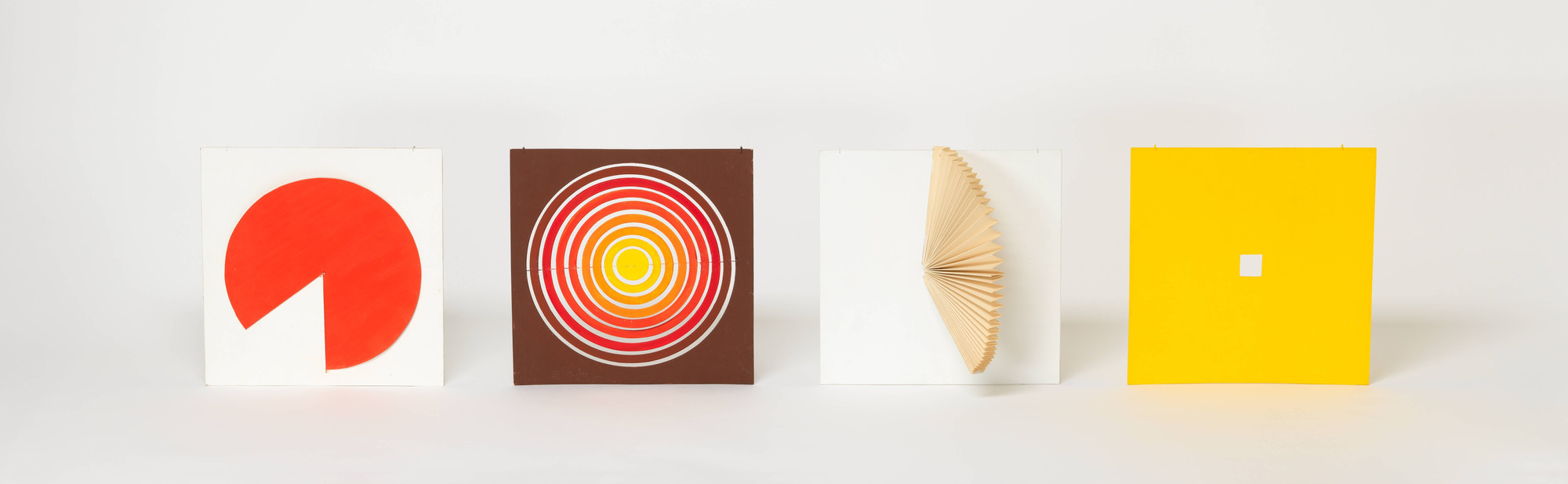
Established in 2019, the Artist Research Fellowship supports artists in their experimental approaches to research, and in the production of new ideas and vocabularies related to their objects of study.
2025 Artist Fellow
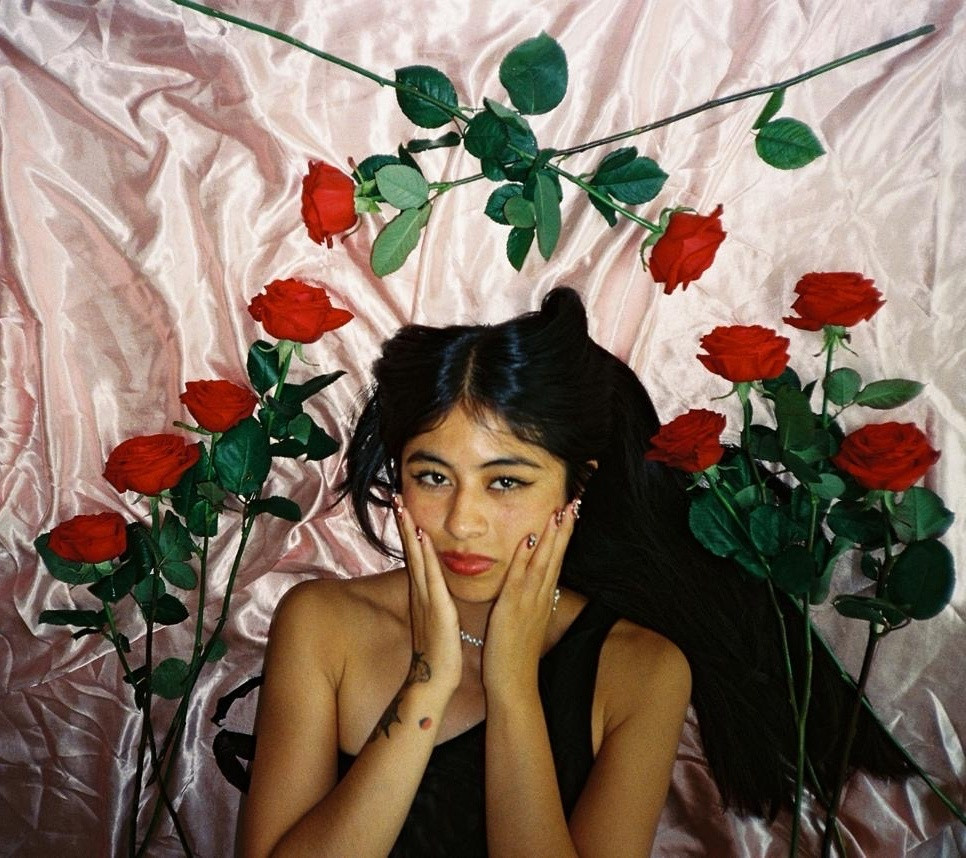
The Cisneros Institute’s 2025 Artist Research Fellowship was awarded to Sharon Mercado Nogales. Mercado Nogales is a dancer and choreographer from Bolivia, based in Berlin. Her practice activates music and dance archives from living Andean culture to explore movement and performance through remembrance. Working across research, collaboration, and re-signification, she investigates ancestral practices to generate collective and ephemeral experiences rooted in lived context and family traditions.
During her fellowship, Mercado Nogales will undertake research on the dance aspect of the musical phenomenon of Bolivian cumbia sureña, a genre that has grown exponentially over the past fifteen years and has become a major cultural and economic force in the country. Emerging from the fusion of urban and rural influences, cumbia sureña amplifies contemporary Andean expressions and reinforces festive and communal practices within Aymara and Quechua cultures. Mercado Nogales’s project proposes the creation of a performative video work centered on the genre’s most representative choreographies, drawn from music videos, live performances, and social media platforms such as TikTok. Conceived as an activatable archive rather than a fixed document, the work will unfold through embodied performance, transforming recorded movement into present action. Through a multidisciplinary approach that brings together archive, dance, aesthetics, symbolic economy, and ritual syncretism, the project offers a critical and sensorial account of dance as an economic, aesthetic, and social engine in contemporary Andean culture.
2024 Artist Fellow
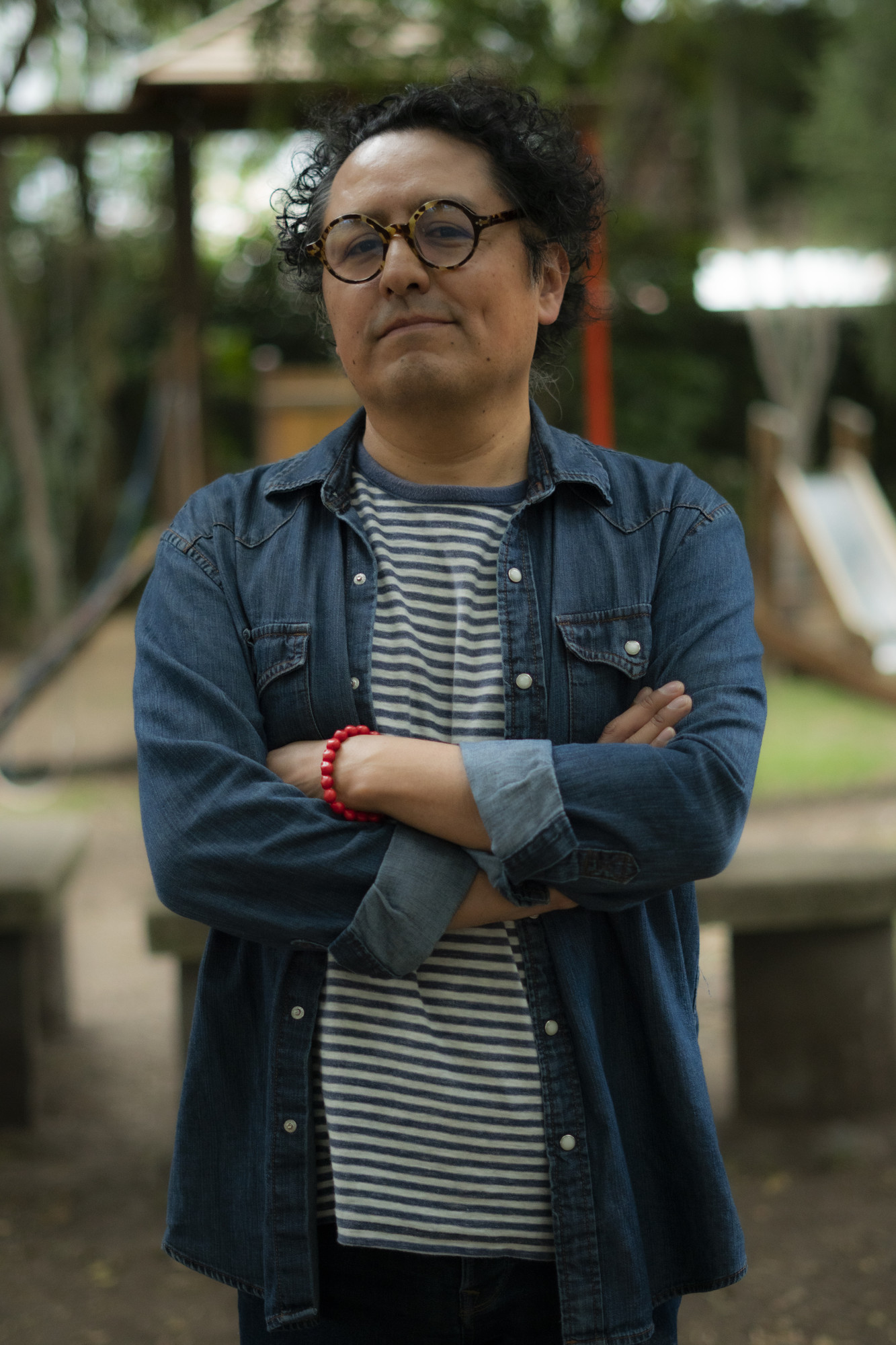
The 2024 Fellowship for Artistic Research was awarded to Fabiano Kueva, an Ecuadorian visual and sound artist whose practice makes use of strategies of documentary immersion, networked activities, community collaboration, and critical-poetic writing developed in various media.
His project milnovecientosochentaycuatro [nineteeneightyfour], nominated by Sharon Lerner and selected by a jury composed of Sarah Demeuse, Santiago García Navarro, and Inés Katzenstein, consists of research centered on reconstructing the political and aesthetic connections, emotions, and material traces of the Festival de la Nueva Canción Latinoamericana [Festival of Latin American New Song] that took place in Mexico City, Managua, and Quito in 1982, 1983, and 1984, respectively. Through archival research and oral memories, Kueva will focus on a complex moment in Latin American cultural memory, between the 1970s and 1980s, defined both by the emergence of a regional repressive apparatus and a key moment of articulation for the Latin American left. His research will focus on the third and final version of the Festival, held in the Coliseo Julio César Hidalgo in Quito, Ecuador, whose soundscape included figures like Luis Eduardo Aute, Inti-Illimani, Tania Libertad, León Gieco, Óscar Chávez, Silvio Rodríguez, Enrique Males, Pueblo Nuevo, and Rumbasón, among many others.
Kueva says, “In a turbulent Latin America that emerged at the height of the Cuban Revolution and the enthusiasm over the electoral triumph of Unidad Popular in Chile, the ‘New Song’ was the incidental music for political events. Fusing with Andean and Caribbean traditions, ‘New Song’ praised urban and peasant struggles and opposed censorship and authoritarianism, instituting a mode of politicized listening. The project outlines some of the Festival’s resonances with the present, including the nostalgic propaganda of progressive governments, the dissociations and poetic rehabilitation produced during recent popular uprisings, and, finally, how the present conservative turn has awakened a new feeling that reveals, in its cycles, political life and presentiments.”
2023 Artist Fellow

Sofía Gallisá Muriente
The 2023 Artist Research Fellowship was awarded to Sofía Gallisá Muriente. Gallisá Muriente is a Puerto Rican visual artist whose work resists colonial forces of erasure, proposing mechanisms for remembering and reimagining through multiple approaches to documentation and collaboration.
During her fellowship, Gallisá Muriente will focus on the archives of the Puerto Rican Police Intelligence Division, which contains almost 50 rolls of Super 8 and 16mm film, either shot by police officers or seized during raids on activists struggling for the decolonization of Puerto Rico in the 1960s, ’70s, and ’80s. Gallisá Muriente aims to salvage these films for memory, to confront the police vision from the perspective of the present, and to generate a counternarrative with the help of individuals who might find themselves represented in these reels.
The Persistent Gaze: Contending with State Surveillance Film Archives
As part of the Fellowship for Artistic Research awarded by the Cisneros Institute in 2023, Sofía Gallisá Muriente worked on the digitization of a collection of films from the Intelligence Division of the Puerto Rico Police that were filmed in Super 8 and 16mm in the 1960s and 1970s.
On October 3, 2023, Gallisá Muriente shared in a public conversation the major findings of her research, as well as some of the pending questions that she continues to reflect on. Together with Andrés Jurado and Virginia Colwell, who have collaborated with the artist in the past, they discussed the surveillance cinema produced by intelligence agencies.
2022 Artist Fellow
Iosu Aramburu
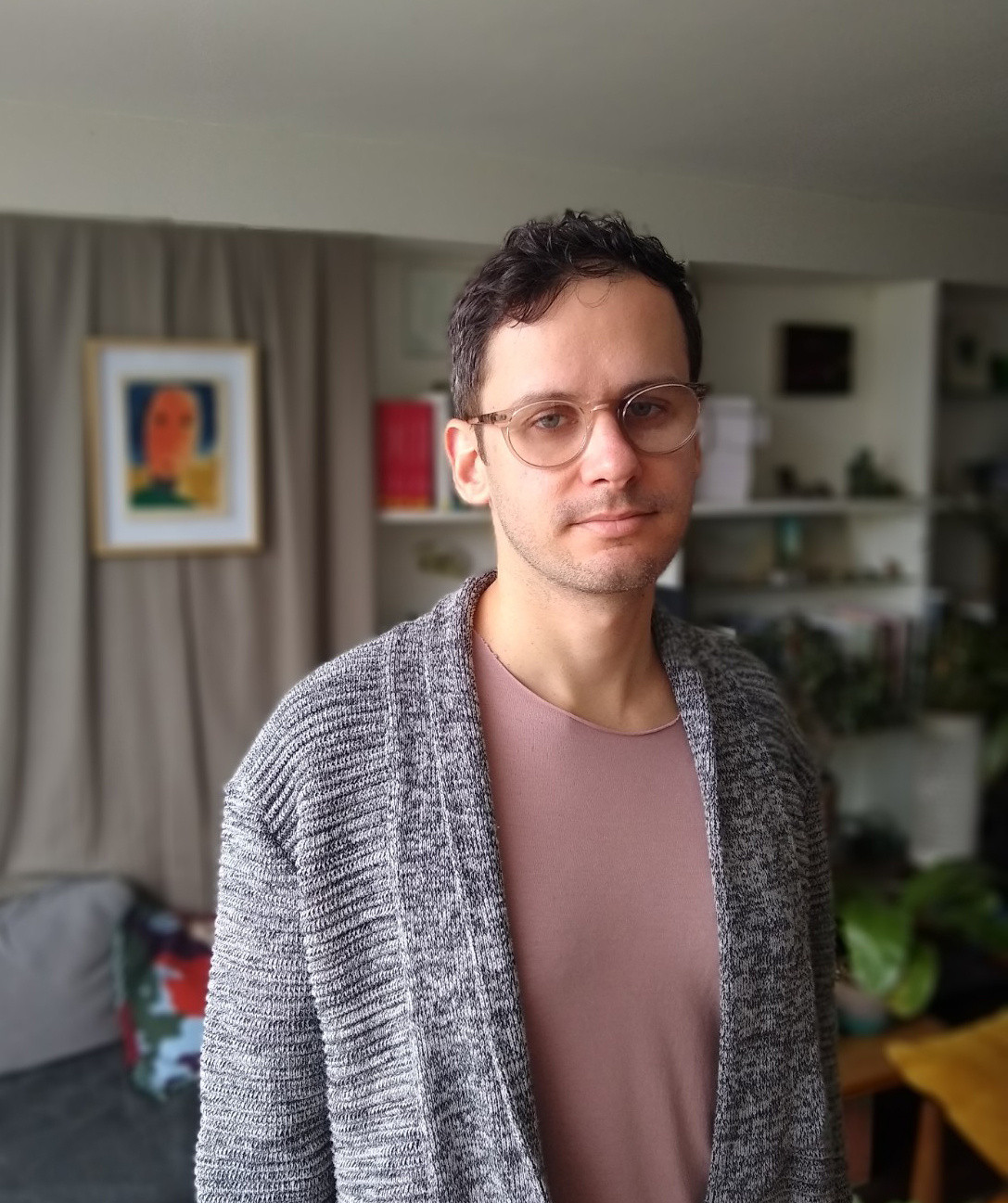
The 2022 Artist Research Fellowship was awarded to visual artist Iosu Aramburu. Aramburu works with painting, sculpture, and installation, exploring the imagination of a multifaceted modernity and its utopian potentials. His research project revisits early and mid-century modernism in the Andean region, through the creation of an atlas of forgotten images that aims to map the changing sensibilities in the region.
Atlas of Andean Modernism
by Iosu Aramburu
When I was training as an artist in Lima in the mid-2000s, it was difficult to find an art history that I could claim. In the absence of a critical mass of local art publications and of museums permanently exhibiting 20th-century art, what existed was a diffuse, oral narrative, based on a few texts and memories inherited from recent large-scale exhibitions. It was a story that centered on a handful of individuals and therefore could not capture the ferment that truly defines an artistic scene: the combined collective production where an artwork may condense the ideas, fears, concerns, mistakes, and fascinations of a generation and a moment in time. A liquid, turbulent body of images, vast and charged with energies, whose remains we can only partially access.
My research project for this grant is an effort to map this body of images and display it in such a way that one may identify artworks that open the way for new readings and possibilities.
I often think of the stratigraphic schemas formulated by early 20th-century archaeologists working in the Andean area: comparing the results of a handful of excavations, they attempted to untangle the past and confine thousands of years of cultural production from a vast geographical area within a decipherable chronology. The ambition of seeing bones strewn in the sand and being able to read the subterranean currents from which they came.
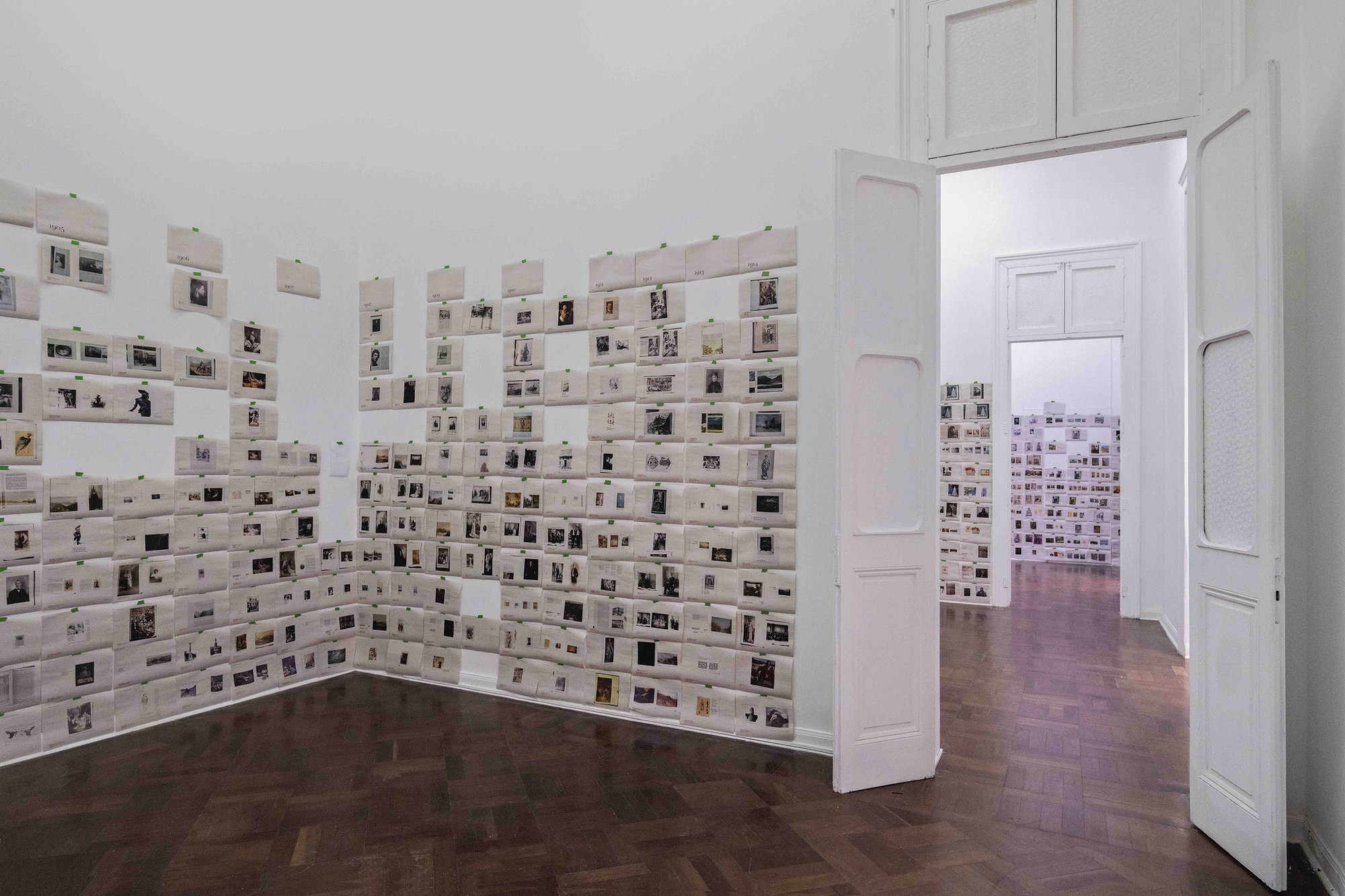
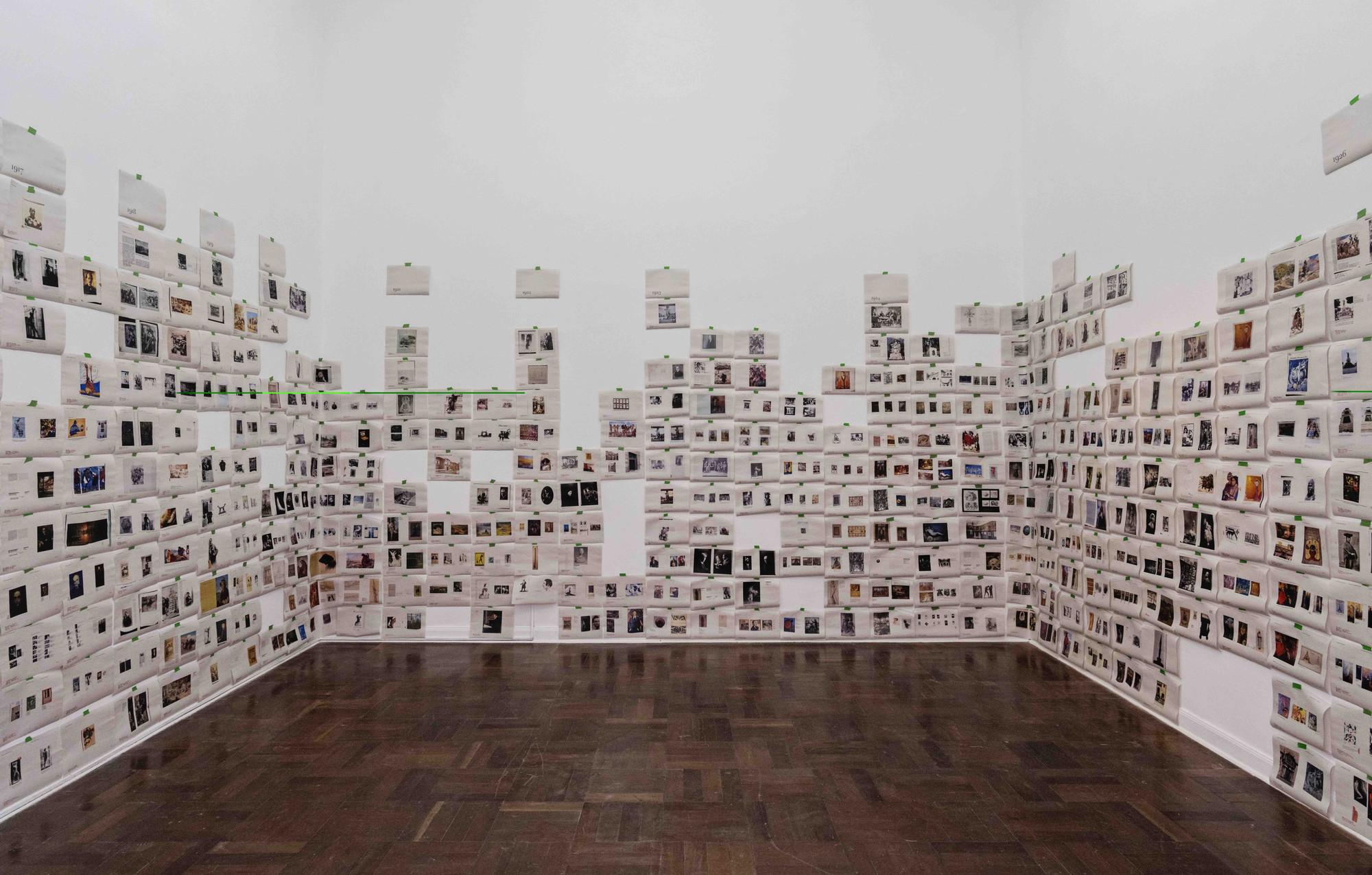
The aspirations of this research project are not far removed from the strategies employed by these archaeologists. It is an excavation of the historical narratives about the modernisms that emerged in the Andean region. It consists of an atlas of large proportions that chronologically organizes the artworks published in books in the first decades of the 20th century to illustrate panoramic narratives about modern art in the region. All the images derive from publications that, in one way or another, imply a specific vision of the values to which the art of the first two-thirds of the 20th century aspire in a delimited territory.
The over 5,000 images in the atlas are printed on A4 pages, organized chronologically by year and exhibited on 2.3-meter-high panels that cover approximately 100 yards of wall. The atlas moves from left to right. The year in which the source materials were published serves as a secondary organizing principle. In some cases, the same works are repeated several times. As one watches it unfold, certain currents traversing the visual production surface, and the shifting sensibilities of artists over the years and with generational changes, come into focus. With a little attention, one can see beyond the compartmentalization to which the majority of historical narratives tend, and encounter the heterogeneity, contradictions, and utopian potential of cultural production.
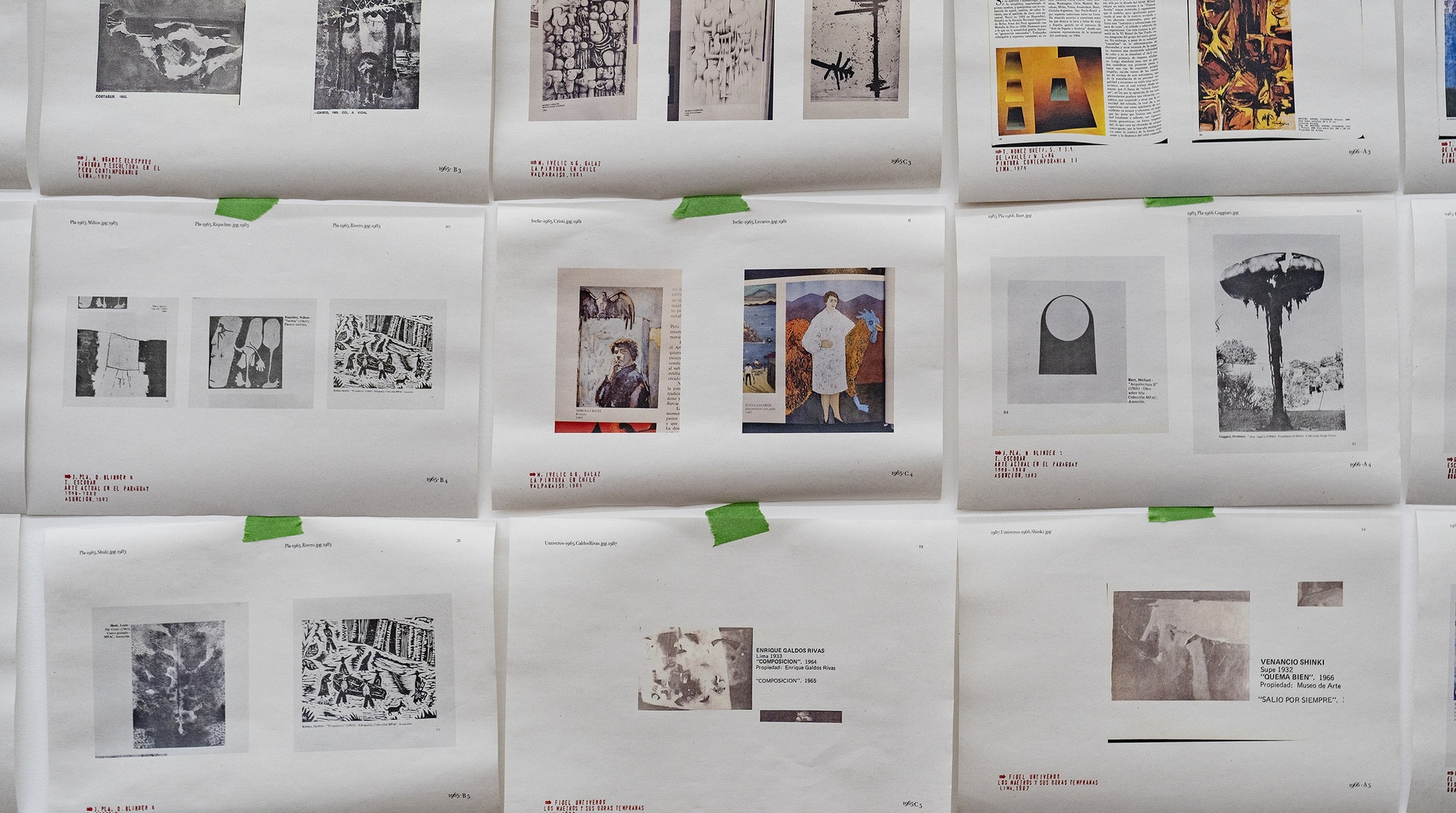
“Modernism,” “Andean,” and even “art” are categories whose limits I have intentionally blurred, taking advantage of a productive ambiguity that enables each of the editorial voices making up the narratives I have included to define them, though not always intentionally.
There is something overwhelming and melancholic about confronting this sea of images. We find ourselves before thousands of artworks and hundreds of artists we’ve never heard of, and whom almost no one remembers. It is a conservative selection; in general, it evades the most experimental moments, avoids scandals, and excludes many dissident voices. And here is where the atlas speaks not only through the images included, but, even more forcefully, through those that aren’t, in order to narrate a historiography constructed by and for a criollo bourgeoisie, almost always male and heterosexual, erecting icons and aesthetic categories through the publication and republication of the same corpus of artworks. The inclusion or exclusion of the vast Indigenous populations in the modern aesthetic project and the mechanisms for achieving this have been fundamental to the projections of the elites of the nations where the works appearing in the atlas come from (Colombia, Ecuador, Peru, Bolivia, and Paraguay, and in some cases Chile and Argentina as well). In this sense, at first sight the atlas offers a survey of the 20th century in which formal experimentation and radicalism are generally superseded in favor of the anguished search for an autonomous modern identity or atonement for the guilt over unfulfilled promises of emancipation.
But there is a second, and a third, look. In the plurality of competing voices enabling some to silence others, a shattering of established history, a questioning of icons, and the appearing of artworks and artists whose radicalism, sincerity, and iconoclastic intrusion enable us to gain access to that liquid, turbulent body of images to which I referred at the beginning of this text.
We offer a section of this atlas for visitors, which can only be activated when one begins to navigate among the images. As an entry to the work, we have produced three audio guides conducted by the artist Fernando Bryce, the artist and curator Gala Berger, and the anthropologist Mijail Mitrovic. All three were able to walk through the atlas installed in the space, which is the best way to use it.
Click the links below to listen to the audio guides.
2021 Artist Fellow
Ana Pi
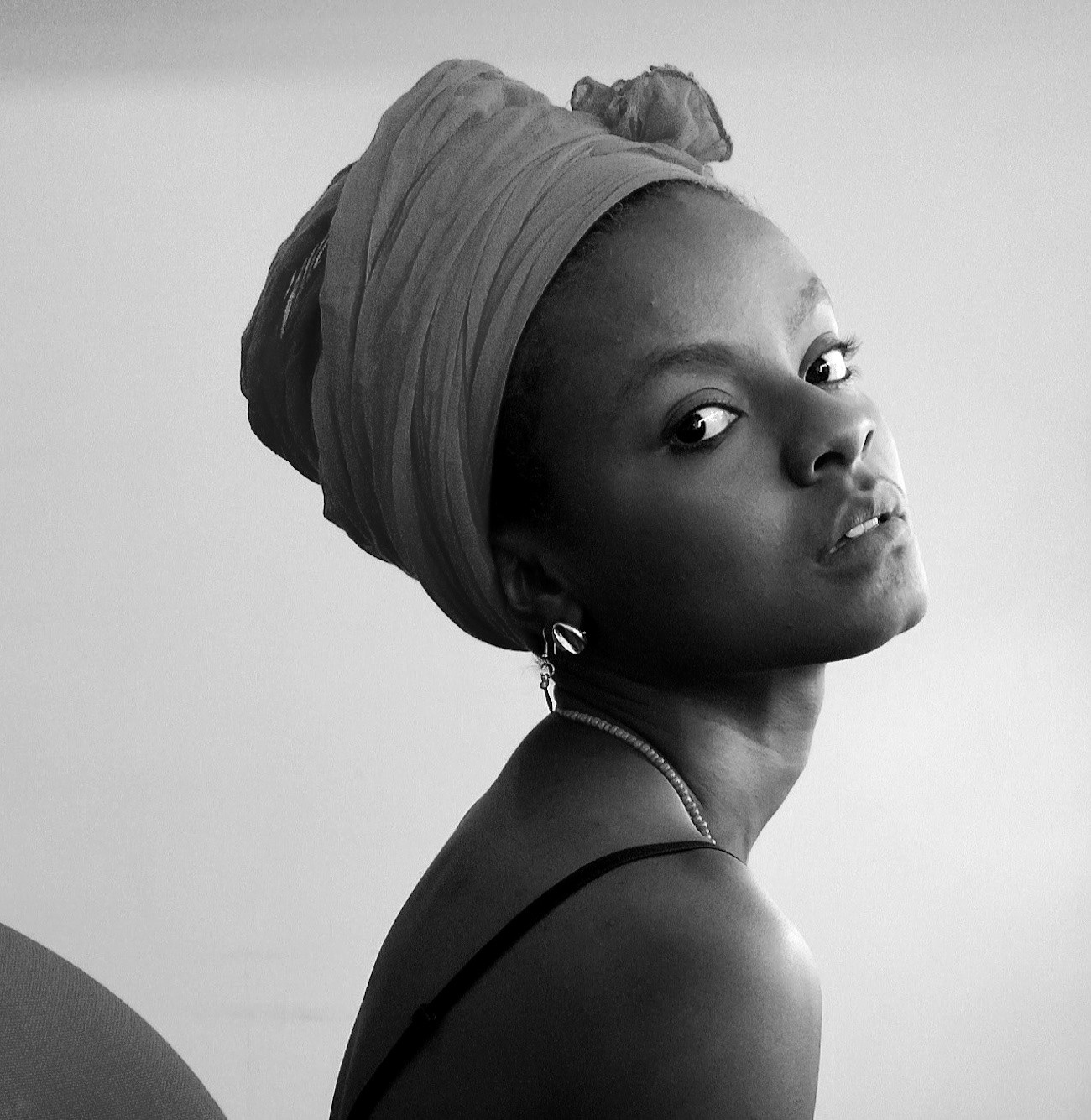
The 2021 Artist Research Fellowship was awarded to choreographer and dancer Ana Pi. Pi is a researcher in urban dance and an educator. Her practice addresses ideas of transit, displacement, belonging, overlapping, and memory.
Pi proposed a visit to Haiti to study current manifestations of dance in urban contexts, a project inspired by filmmaker Maya Deren’s travels to Haiti between 1947 and 1954.
Another Anagram of Ideas
In the spring of 1936, choreographer, dancer, social activist, and anthropologist Katherine Dunham returned to Chicago in the United States after completing field research in Jamaica, Martinique, Trinidad, and Haiti. She then wrote the thesis “The Dances of Haiti: A Study of Their Material Aspect, Organization, Form, and Function” and was initiated as a mambo, a Voudoun priestess in Haiti.
Dunham is considered the matriarch of Black dances in the Americas. While working in Hollywood in the early 1940s, she introduced Haitian culture and the world of cinema to Maya Deren. Dunham hired Deren as her personal assistant at that time, when her avant-garde dance company appeared on the big screen and started touring all over the world.
Thanks to this introduction, Deren would be known later as an experimental filmmaker who produced magnificent images in 16mm film of Haitian Voudoun celebrations, making the earliest sound recordings of them ever, between 1947 and 1951. Like Dunham, Deren became a Voudoun mambo with the blessing of Erzulie Freda—the Goddess of Love—and she wrote the book Divine Horsemen—The Living Gods of Haiti about her encounter with that cosmovision.
My own introduction to the legacies of Dunham and Deren took place over fifteen years ago in Brazil, more precisely in Salvador, the capital city of the state of Bahia, where I studied contemporary dance at the university. In Bahia, the Terreiros de Candomblé—temples of Black culture and faith—vibrate, and the history of African-based spirituality and philosophy resembles that of a Haitian Hounfor—Voudoun temple. Life unfolds to the beat of the religious calendar and the perfume of sacred foods wafting in the air. The colors ascribed to the deities pulsate, the Carnaval Baiano is spectacular, and dance is the vital organism that counterbalances the historical tensions and sustains the healthy functioning of society.
The Divine Cypher, the first project I proposed for the Artist Research Fellowship at the Cisneros Institute, sought to investigate choreography from the streets of Port-au-Prince, the capital of Haiti, in a similar way to how I have learned choreography in the streets of Salvador throughout my life. Initially, I intended to visit Haiti three times to research the transit among sacred gestures and urban dances, their presence at public spaces and their transformations since the images realized by Deren. My first trip to Port-au-Prince started during the 2020 Haitian Carnival. Since then, the act of “traveling” has been redefined globally.
Over the last three years, time has transfigured, as Maya Deren would have said. Public spaces have been emptied. Festivities have been suspended. A president was assassinated. We are governed by new health laws planetarily. There was an earthquake. Perseverance arrived on Mars. Earth heated up. Dance and choreography for the camera went viral on the Web. And the bombing of Kyiv—where Deren was born and from where she had to flee—still continues.
(Haiti is here, Haiti is not here . . .)
Guided by the voice of Elza Soares in a song that links Port-au-Prince and Salvador, I delved into a multitude of archives documenting the presence of Dunham and Deren in Haiti. The 5,101 kilometers that separate the territories didn’t act as a border but rather as an undersea passage between divine realities, Afro-Atlantic histories, and ancestrality. I decided to return to Brazil, my native land, to weave all of these memories together at the crossroads of futurity and the vestiges of the past.
Inside the Casa dos Olhos do Tempo Que Fala da Nação Angolão Paketan Malembá (Home of the Eyes of Tempo Divinity) a Terreiro de Candomblé Bantu dedicated to deities called Nkisis and Caboclos, where I am a Filha de Santo—an apprentice—I received the blessing from Taata Kwa Nkisi Mutá Imê—the priest—allowing me to work from there on this artistic essay, immediately after the long-awaited resumption of the celebrations cycle concluded by the Festa de Tempo in 2022.
Finally, two main works have emerged from this research. First, The Divine Cypher, which became my new show onstage, premiering during the pandemic wave and touring since then. The piece was conceived as a fictional space mission, in which I could travel in time, as the camera does, despite any restriction on mobility. In this choreography, I dance upon mirrors and many kilos of white sugar in order to re-signify what metaphors of reflection and plantation could be nowadays. Inspired by the revolutionary beauty of Haitian people throughout the world, The Divine Cypher reclaims the experience of real presence as a continuous openness to new imaginaries, like a spiral step in a timeline—mysterious, dense, and latent—of dance history.
The last work for the Fellowship, Another Anagram of Ideas, includes a video and this text, addressing dreams, recodification, and radical imagination. Wherein, I choreographed images and words while transiting between balance, tension, and subtlety. The action of carrying water on the head, very present in Haiti and at the Festa da Lavagem do Bonfim in Bahia, was the physical gesture that went along with all of my moves during this entire making. The investigation of transdisciplinarity and translation, perseverance and invisible histories, required a poetic conversation more precisely with the notions of rhythm, repetition, and the permanence of ancestral African gestures in the diaspora. I invite you to focus your attention, to see and experience the vitality of these radical heritages, where dance is the deepest way of thinking about humanity, fertility, and the future.