As part of the research project “Bridging the Sacred: Spiritual Streams in Twentieth-Century Latin American and Caribbean Art, 1920–70,” the Cisneros Institute has selected a cohort of 14 fellows from across the region to actively partake in a number of study sessions and online publications for the years 2023–24. Coming from disciplines such as art history, religious and literary studies, cultural preservation, and architecture, this group of international scholars and curators shares a professional interest in the study of modern art and its relation to spiritualities of different denominations. Their participation will be integral to the Cisneros Institute’s second research project, as their expertise will broaden the horizons of inquiry through critical analysis on nationality, race, class, gender, and the coexistence of various artistic networks. By assembling this community of like-minded thinkers, the Cisneros Institute seeks to further strengthen the relationship between MoMA and the cultural and educational institutions redefining the art histories of Latin America and the Caribbean.
Laura Cabezas

Laura Cabezas holds a doctoral degree in literature from the Universidad de Buenos Aires. She works as an assistant professor of Brazilian literature at the same university and as a professor of literary theory and analysis in the Instituto de Enseñanza Superior en Lenguas Vivas “Juan Ramón Fernández.” She is currently a postdoctoral grant holder at Consejo Nacional de Investigaciones Científicas y Técnicas. She has taught graduate and post-graduate courses and seminars at the Universidad de Buenos Aires and the Universidad Nacional de Rosario, and she has done research stays in Switzerland’s Looren Translation House, Germany’s Ibero-Amerikanisches Institut, and Brazil’s Universidade Federal de Santa Catarina and Universidade Estadual de Campinas. She is also a Portuguese-Spanish translator, and she is a co-director of the collection Constelación Brasil, with Florencia Donadi, with the Editorial Universitaria de Villa María. She has contributed to art- and literary-criticism books, published papers, and organized dossiers in national and international magazines. Her forthcoming book, Devociones modernas. Cruces entre vanguardia y catolicismo en Argentina y Brasil, will be published in 2023.
Diana Cuéllar Ledesma
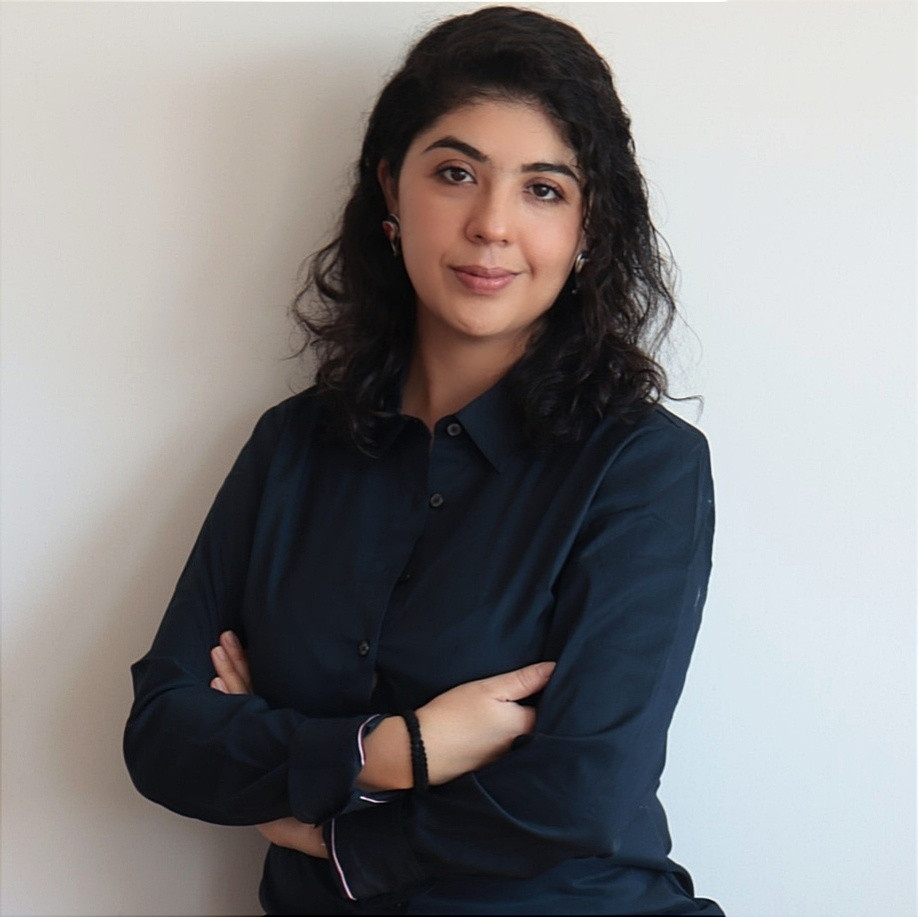
Diana Cuéllar Ledesma holds a doctoral degree in artistic, literary, and cultural studies from the Universidad Autónoma de Madrid. Moving between academia and curatorship, her interests cover critical theory, contemporary art, anthropology, and cross-cultural translations from a wide, non-Eurocentric perspective. Her essays have been published in journals and cultural magazines such as Casa del tiempo, Campo de relámpagos, Fórum Permanente, ArtNexus, and Third Text. She has also contributed to catalogues and art books, including Phaidon’s Prime Art’s Next Generation and Happy. Ensayos sobre la obra de Jorge Pineda.
Cuéllar is a professor at Universidad Iberoamericana in Puebla, Mexico, and her curatorial projects include the meme exhibition #ElMemeEstaEnLaTrienal!, organized as part of the IV Poly/Graphic Triennial of San Juan, Latin America, and the Caribbean; Dagoberto Rodríguez. Retropia at the Museo de Arte y Diseño de Miramar in Puerto Rico; and the film series for the exhibition Antes de América. Fuentes originarias en la cultura moderna at Fundación Juan March in Madrid.
Patricio del Real
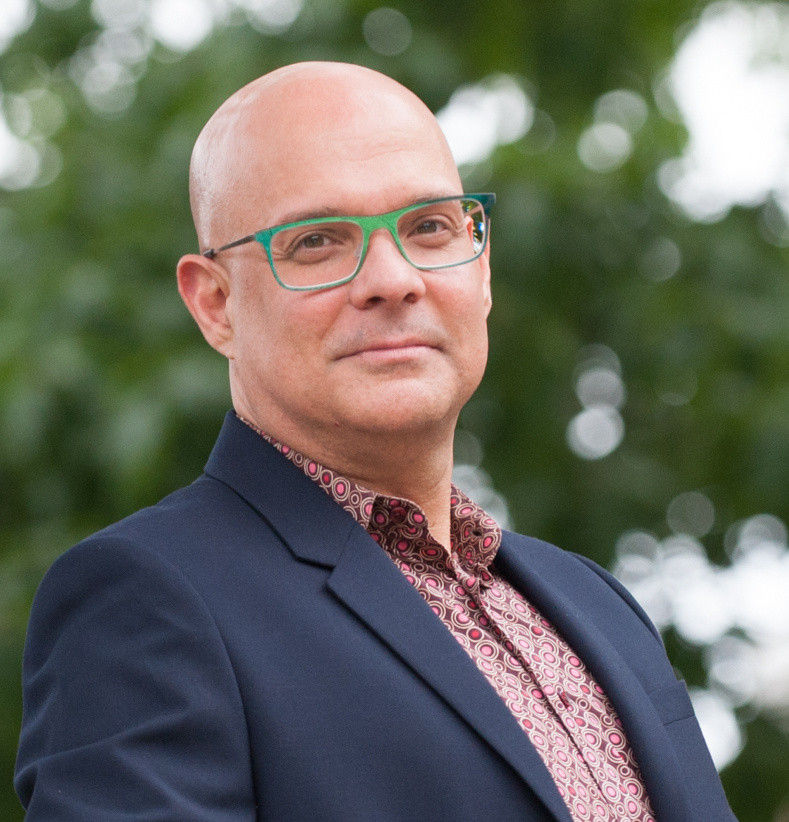
Patricio del Real is an architectural historian specializing in this discipline’s modern era and its transnational connections with cultural institutions focused in the Americas. He is an associate professor of the history of art and architecture at Harvard University, and he writes and researches on bilateral relationships between racial and cultural imaginaries, stories, and ideologies in the 20th century. His book Constructing Latin America: Architecture, Politics, and Race at The Museum of Modern Art analyzes the way architecture exhibitions were mobilized as cultural weapons during the era of pan-Americanism. As exhibitions review editor for the Journal of the Society of Architectural Historians, he further investigated curatorial practices in architecture. He developed Curating Architecture Across the Americas, an ongoing program that brings together historians, scholars, and curators to define this nascent field.
He was a visiting associate research scholar and lecturer in the program of Latin American studies at Princeton University and also worked in the architecture and design department at MoMA on collection and temporary exhibitions and co-curated Latin America in Construction: Architecture 1955–1980, which received the 2017 Philip Johnson Exhibition Catalogue Award from the Society of Architectural Historians, recognizing excellence in architectural history scholarship in exhibition catalogues. He was also the recipient of the 2015 Ann and Lee Tannenbaum Award for Excellence in Curatorial Practices, given by The Museum of Modern Art’s board of trustees. He is currently working on his next book, which rethinks the concept of utopia in architecture by looking at alternative building and spiritual practices in the 20th century that developed responses to the universalist mandate of technological modernity, with a particular emphasis on Chile’s Valparaiso School of Architecture.
Monica Espinel
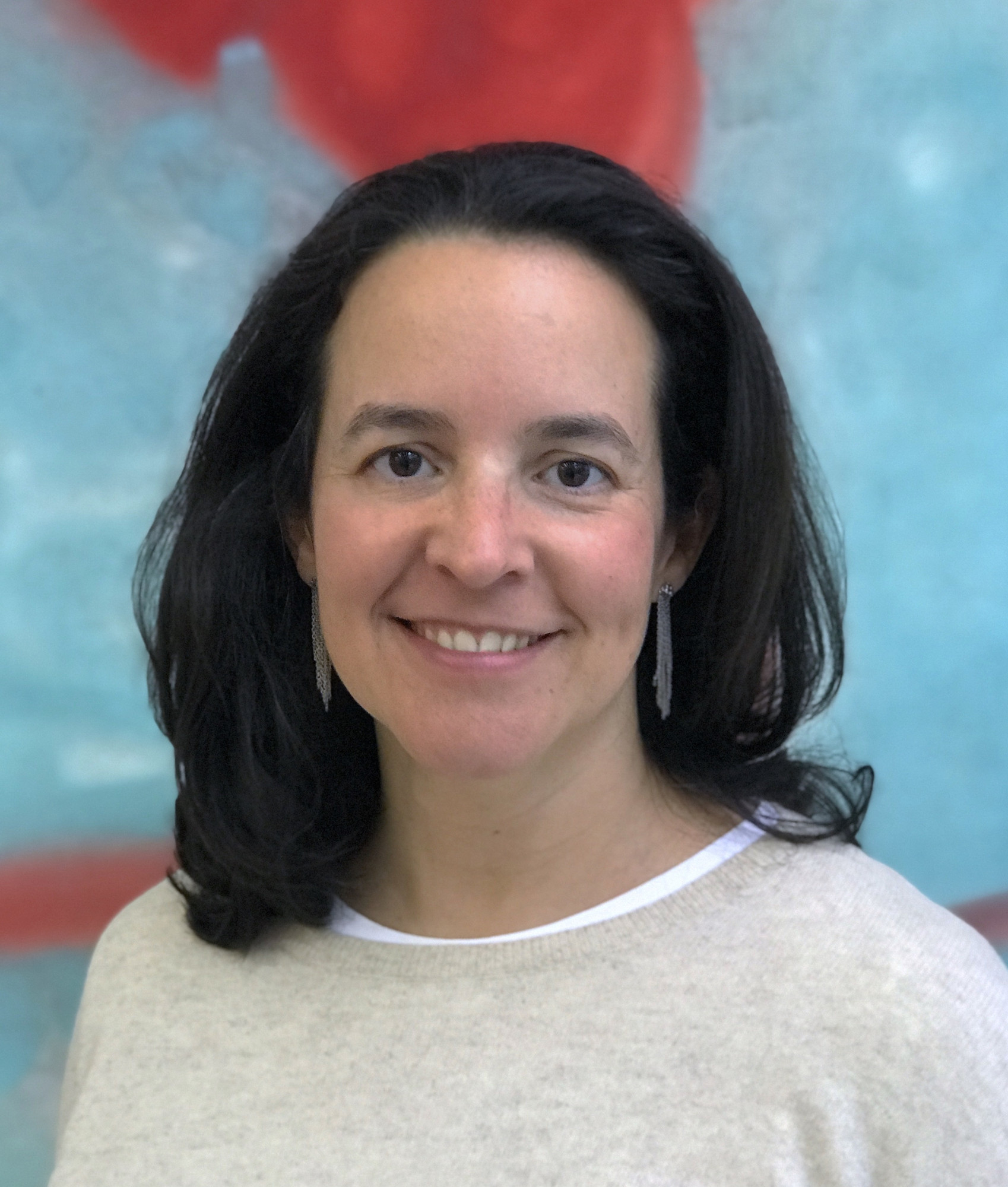
Monica Espinel is a curator, writer, and educator based in New York. She is a doctoral candidate in the history of art at the Graduate Center, City University of New York, specializing in modern and contemporary art from Latin America, and an adjunct professor at Fordham University. She holds a bachelor’s degree in psychology from Florida International University and a master’s degree in art history from Hunter College, where she wrote her thesis about Mexican photojournalist Enrique Metinides. Her curatorial practice is grounded in cultivating long-term relationships with artists from a decolonial and feminist theorical standpoint, supporting her advocacy for the recognition of artists from Latin America. She has organized exhibitions delving into mental health, abstraction, illness, the body and interiority, urbanism, hybridity, and decoloniality. These include Black Milk: Theories on Suicide, Carmen Herrera: Estructuras, Memory Leaks, Then & Now: Abstraction in Latin American Art, Rituals of Chaos, The Skin I Live In, Bruno Miguel: Todos à Mesa, and Hybrid Topographies: Encounters from Latin America. In 2020, she curated the International Artist-in-Residence trio at Artpace, inviting Carlos Castro Arias, Milagros de la Torre, and Daniel Ramos.
Espinel was a mentor for the Associate Artists program of the Liverpool Biennial, and she has received numerous awards, including ArtTable’s Diversity Grant to be a curatorial fellow at Wave Hill, a Milton and Sally Avery Arts Foundation Fellowship at the Bronx Museum, and a Roswell Gilpatric Award to work in the Department of Photographs at the Metropolitan Museum of Art. She serves on the board of the International Studio and Curatorial Program; has participated in curatorial workshops in South Korea, Turkey, and Brazil; and has written for such outlets as Vistas, ArtNexus, Arte al Dia, Flash Art, and Artforum.com.
Gabriela Germana Roquez

Gabriela Germana Roquez is an independent Peruvian scholar. She received her bachelor’s degree in art history from Universidad Nacional Mayor de San Marcos, Peru, and her doctoral degree in the history and criticism of art from Florida State University. She specializes in modern and contemporary Andean art, with an emphasis on Indigenous and rural aesthetics and their critical relationship with the global art context. Her research addresses issues such as decolonial theories, visual sovereignty, feminist theories and gender studies, critical studies of race and ethnicity, and theories of circulation and regimes of value. From 2019 to 2021 she was visiting assistant professor in contemporary art history at the University of South Florida.
Germana has also worked as a researcher and curator at different museums in Lima and has developed several independent curatorial projects in Peru and the US. Among the most recent are Threads That Resist, Threats That Subvert Identities, Memories and Bodies in Peruvian Textile Art, and Resistance and Change: Tablas de Sarhua, Contemporary Paintings of the Peruvian Andes. Her research has been published in the journals Arts, Athanor, the Journal of Curatorial Studies, Anales del Museo de América, Illapa Mana Tukukuq, and Artesanías de América, and in edited volumes and exhibition catalogues. She is co-editor, with Lesley Wolff, of the special issue of Arts “Rethinking Contemporary Latin American Art.”
Drake Konow
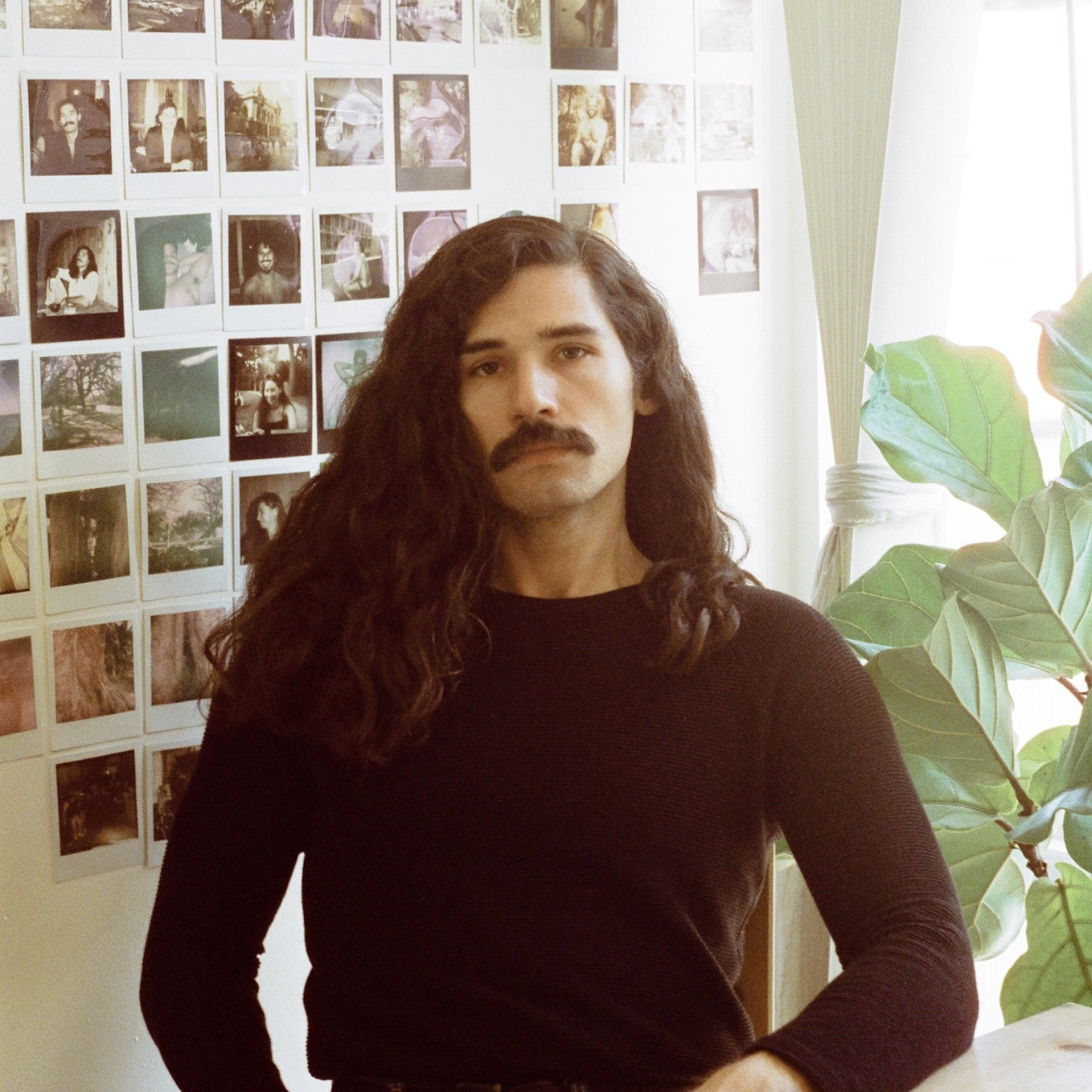
Drake Konow is a scholar of religion in the Americas, specializing in the 20th and 21st centuries in the US and Brazil. He is currently working toward a doctoral degree in religious studies at the University of Texas at Austin. His academic work focuses on the relationship between religion, art, and the secular, with complementary interests in capitalism and popular culture. His larger dissertation project (working title: “Figuring Cannibalism: Art Museums and the Aesthetics of Secularism in Brazil”) considers how Brazilian art and art museums manage and exclude religion. In the dissertation, he treats Oswald de Andrade’s 1928 “Cannibalist Manifesto” (Manifesto Antropófago) as a critical intervention in the history of religion and art in Brazil, arguing that antropofagia (the resultant aesthetic movement), Brazilian art, and art museums are key sites for understanding the secular in Brazil.
His research goes beyond simply naming the presence of religion in contemporary art in Brazil in order to understand how religion is conceptualized and presented, and how it functions within art and in museum exhibitions. In this way, his work brings together art history, religious studies, and secularism studies in order to open up new conversations about the aesthetics of secularism in Brazil and Latin America more broadly. Past projects include a thesis on religion in the Brazilian soul musician Tim Maia’s Racional albums, a long-term research project on religion in the cultural empire of country musician Dolly Parton, and a project theorizing religion in drag performances. Outside of academia, Konow takes Polaroid photographs, writes poetry, swims, and dances as much as possible.
Luisa Marinho
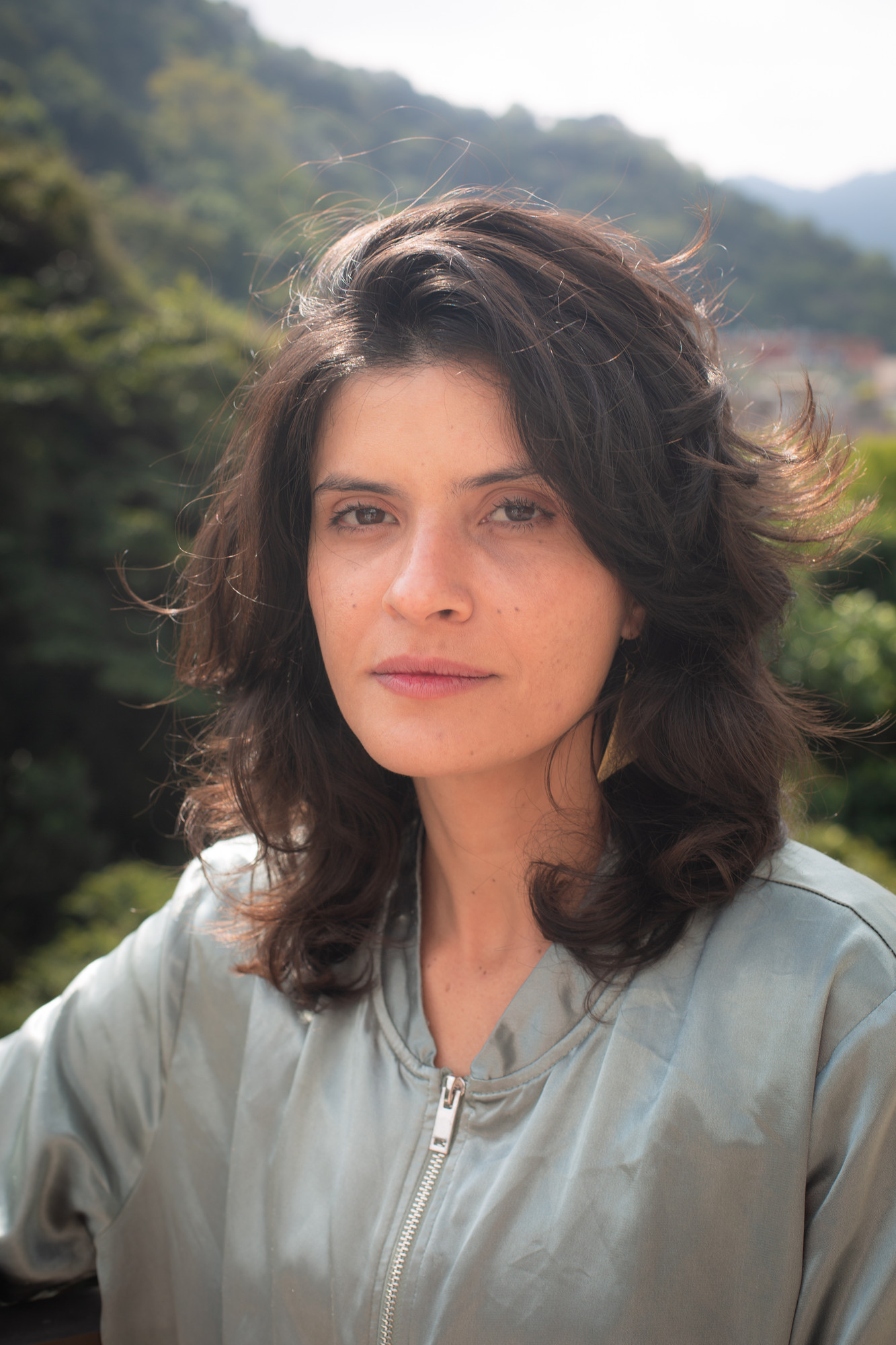
Luisa Marinho is an artist and doctoral candidate at the Department of Spanish and Portuguese at New York University (NYU). She holds a master’s degree in performance studies from the Tisch School of the Arts at NYU and a master’s degree in arts of the scene from the Universidade Federal do Rio de Janeiro. Her research focuses on the intersection of performance, religious, Black, and Brazilian studies, and dives into faith traditions from Brazil as they inspire contemporary artworks. She is a member of Women and Performance: a journal of feminist theory and project coordinator at SOS Providência, a crisis contingency committee for the Favela da Providência, Rio de Janeiro.
Petrouchka Moïse

Petrouchka Moïse is a 2020–24 CLIR/Mellon postdoctoral fellow in data curation for Haitian visual arts. She works jointly with the Grinnell College Library and the Waterloo Center for the Arts and plays a central role in coordinating the Haitian Art Digital Crossroads (HADC) Project. The HADC aims to make the Haitian art collection of the Waterloo Center for the Arts, the largest publicly held collection of Haitian art in the world, digitally accessible as a preparatory study to create a digital hub of online resources in Haitian and Caribbean studies. In addition to managing this project, she also coordinates and manages the collaboration with cultural and academic institutes within Haiti and the diaspora to build awareness of this collection. For the past three years, Moïse has served on the board of directors of the Haitian Studies Association, promoting the scholarship of art and art history. She has also served on the Grinnell Steering Committee to establish the launch of the Department of African Diaspora Studies, for which Moïse will serve as the library consultant. In 2022, Moïse accepted a tenure-track position as assistant professor and cultural and community-based digital curator at Grinnell College.
In 2023, Moïse, along with her colleague Fredo Rivera, was awarded a $350,000 grant from the Humanities Collections and Reference Resources program of the National Endowment for the Humanities. The grant will support their Haitian Art Digital Crossroads project for the next three years. The scope of this research aims to digitize additional Haitian artworks held at several sites in Haiti and the United States and to incorporate them into the HADC database.
Juaniko Moreno
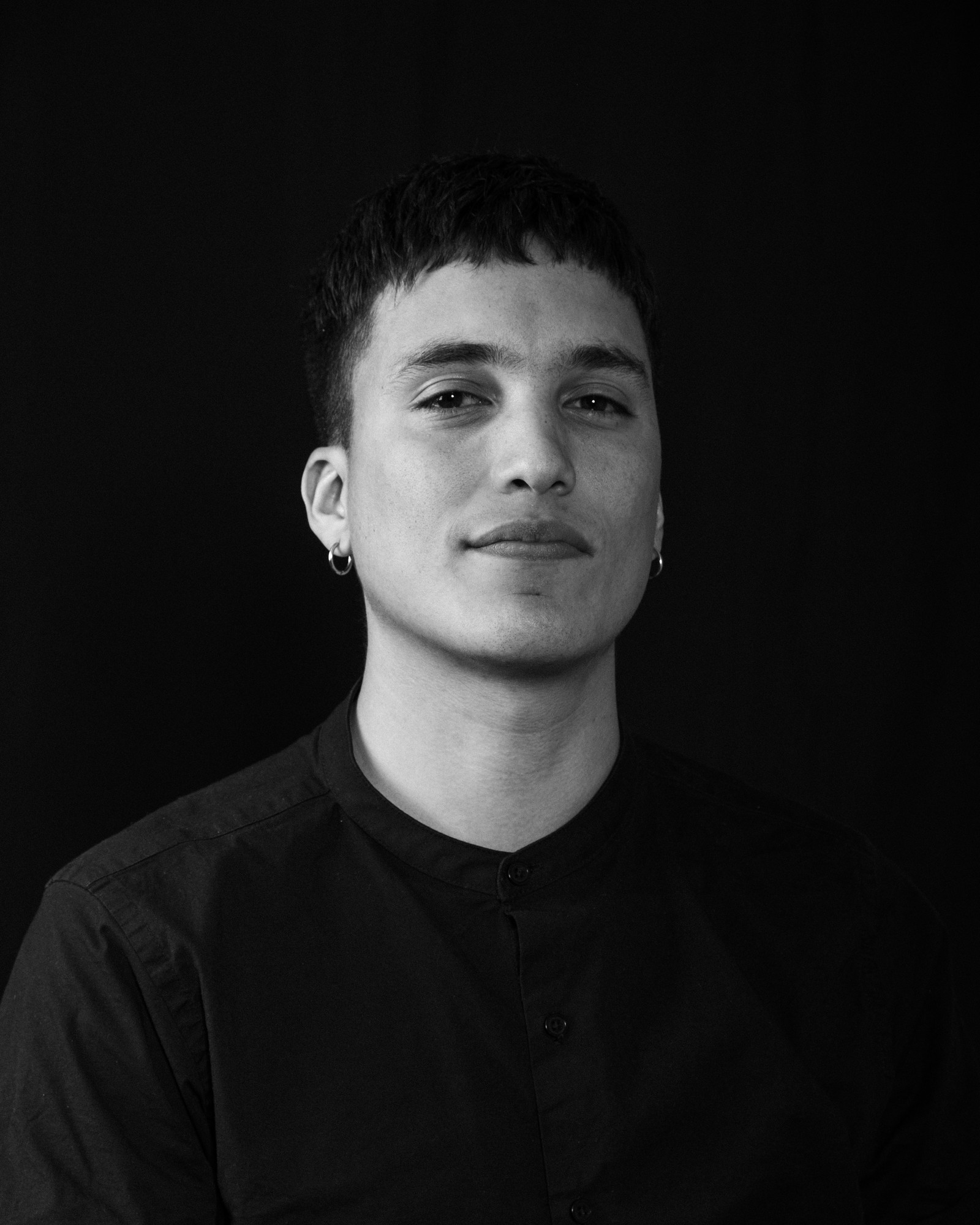
Juaniko Moreno is a curator and researcher based in Bogotá, Colombia, interested in cosmotechnics and belief systems, the nature/culture divide, planetarity, and alternative modernities. He holds a bachelor’s degree from the Universidad Nacional de Colombia, Bogotá, and a master’s degree in contemporary art and curatorial studies from the China Academy of Art in Hangzhou. He was part of the Terraforming 2021 research think-tank run by Moscow’s Strelka Institute. He currently works as a professor at the Visual Arts Program at the Universidad del Bosque and as a curator at the Museo de Arte Moderno de Bogotá.
Mauricio Gerardo Oviedo Salazar
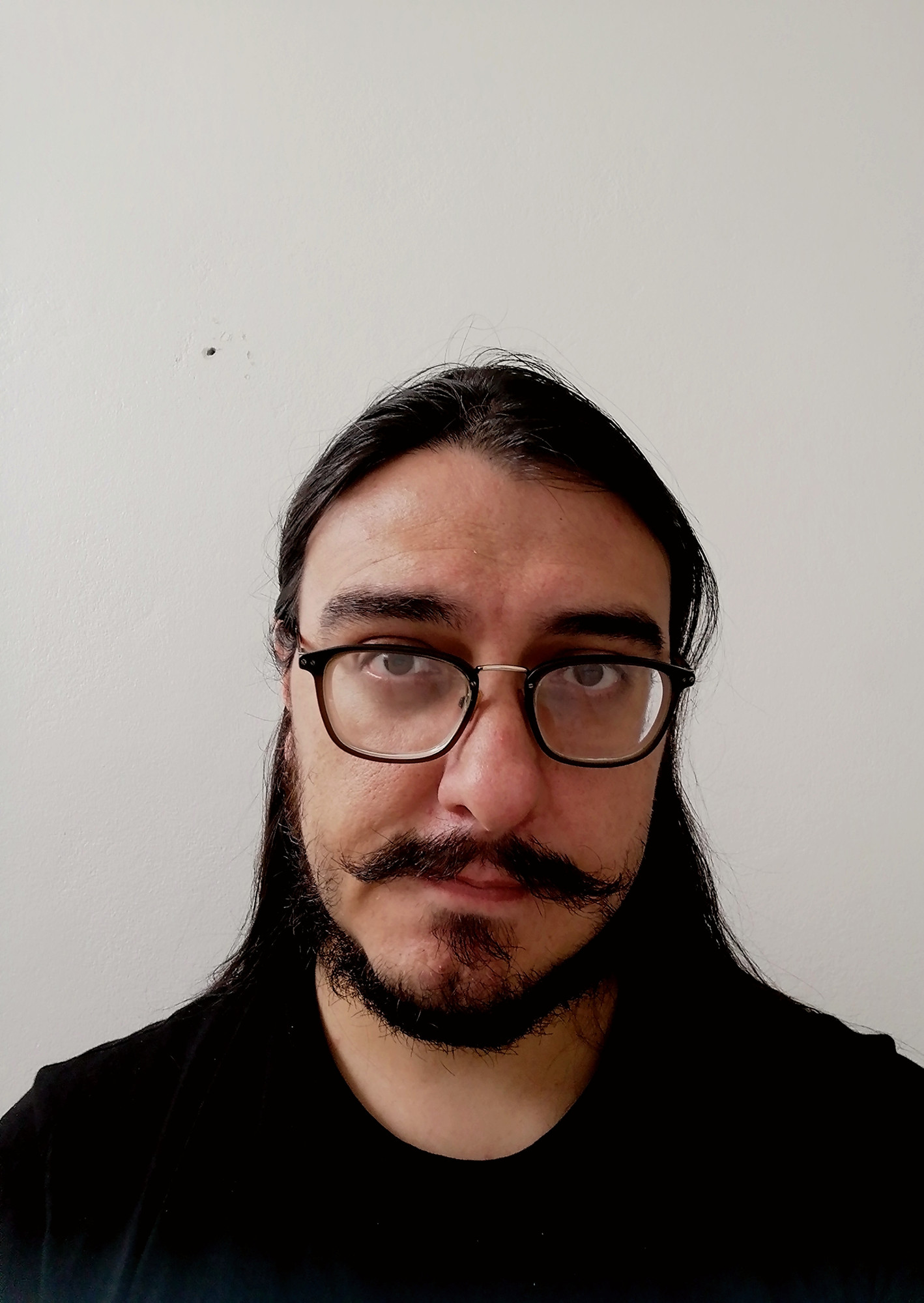
Mauricio Gerardo Oviedo Salazar holds a bachelor’s degree in art history from the Universidad de Costa Rica and a master’s degree in religious studies with an emphasis on Western esotericism from the Universiteit van Amsterdam. He is currently finishing his doctoral studies as a double doctorate between the Faculty of Theology and Religious Studies at the Rijksuniversiteit Groningen, and the Postgraduate Programme in Art History at the Universidad Nacional Autónoma de México. His doctoral studies focus on the visual motif of the heart and its role in the religious experience of the individual in the 18th century, in both the Dutch Protestant and the Novohispanic Catholic contexts. In his publications, conferences, papers, and lectures, he has explored various topics related to art, magic, mysticisms, astrology, philosophy of science, art theory, religious emblem books, material culture, comic studies, and Costa Rican art between the 19th and 20th centuries. He is currently teaching at the Universidad de Costa Rica.
Gabriela Paiva de Toledo
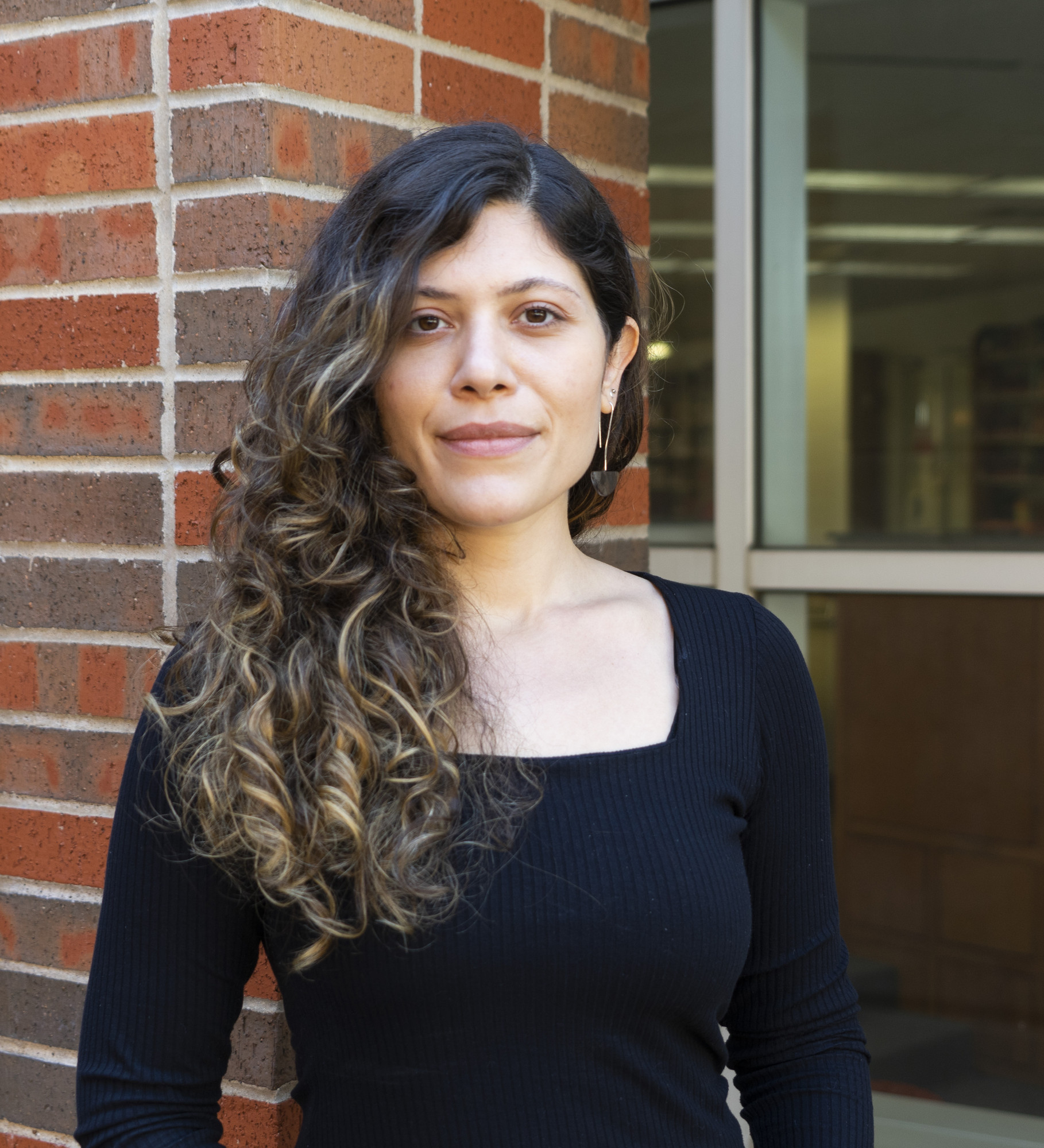
Gabriela Paiva de Toledo is a doctoral candidate in art history at Southern Methodist University in Dallas. Her dissertation examines contemporary art in/about Amazonia, investigating the relationship between ecology and art. She received her bachelor’s degree in history from the Universidade Estadual de Campinas with an art history minor, and her master’s degree in art history from the same institution.
She was a fellow at the Kunsthistorisches Institut in Florenz in 2016 through the Research Abroad Program from the State of São Paulo’s endowment for the humanities and sciences. She is a research fellow for the project “The Amazon Basin as Connecting Borderland,” organized by the Getty Foundation, Universidad San Francisco de Quito, Universidade do Estado do Rio de Janeiro, and Universidad de los Andes. She curated Aquatic channels: waterways, water resources, fluvialimagination and was co-curator of Tender Objects: Emotion and Sensation after Minimalism. She is the recipient of the Alessandra Comini International Fellowship for Art History Studies and the Provost’s Doctoral Candidacy Fellowship from the Moody School of Graduate and Advanced Studies.
Bruno Pinheiro
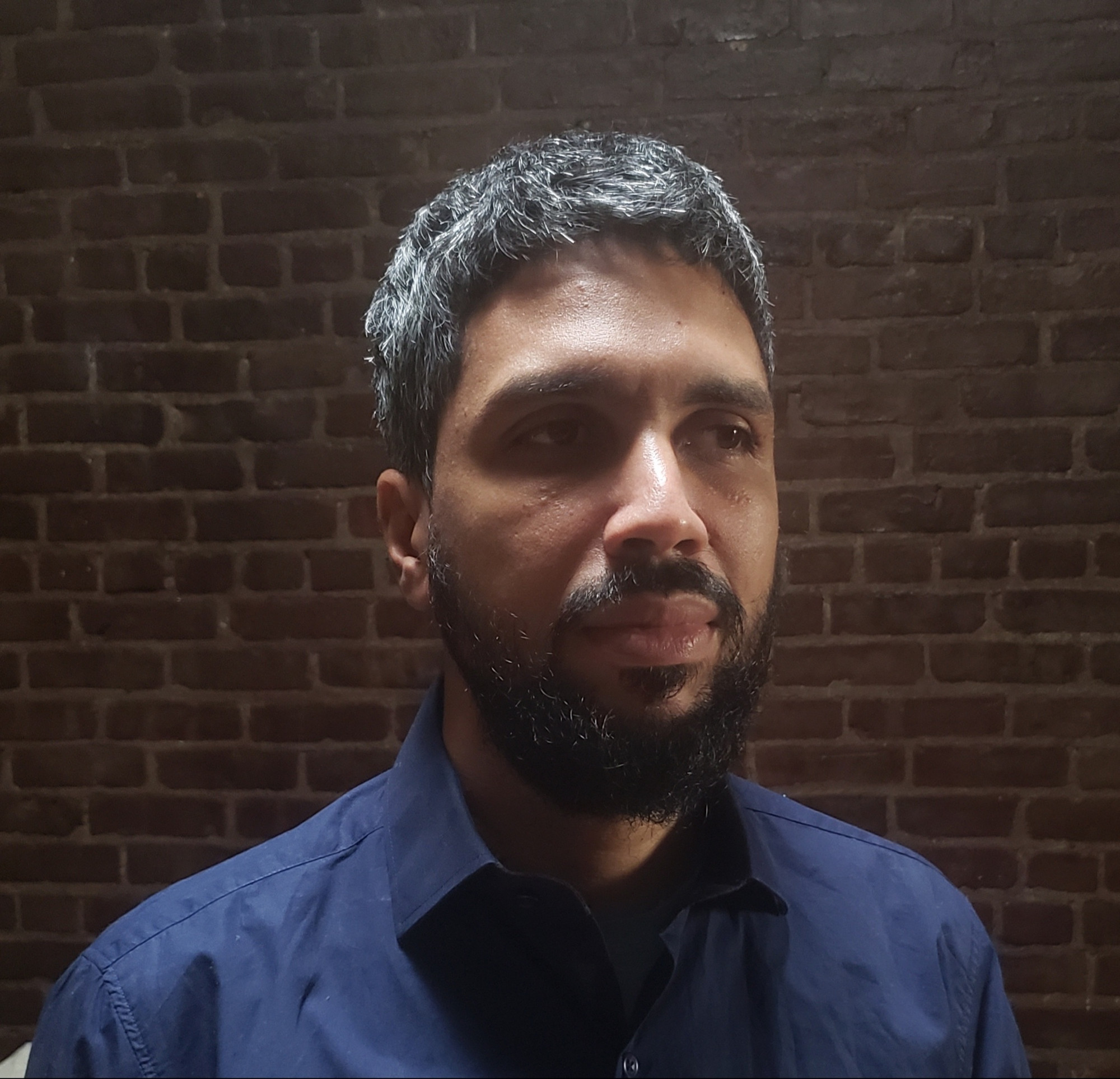
Bruno Pinheiro is a doctoral candidate in history at Universidade Estadual de Campinas. He was a visiting scholar at New York University’s Institute of Fine Arts in 2020. Currently, he researches the trajectories of Black modernist painters and sculptors in the Americas and their relation with art institutions. He has a wide experience in researching and teaching on modernisms in the African diaspora, race relations, and visual culture.
Talita Trizoli
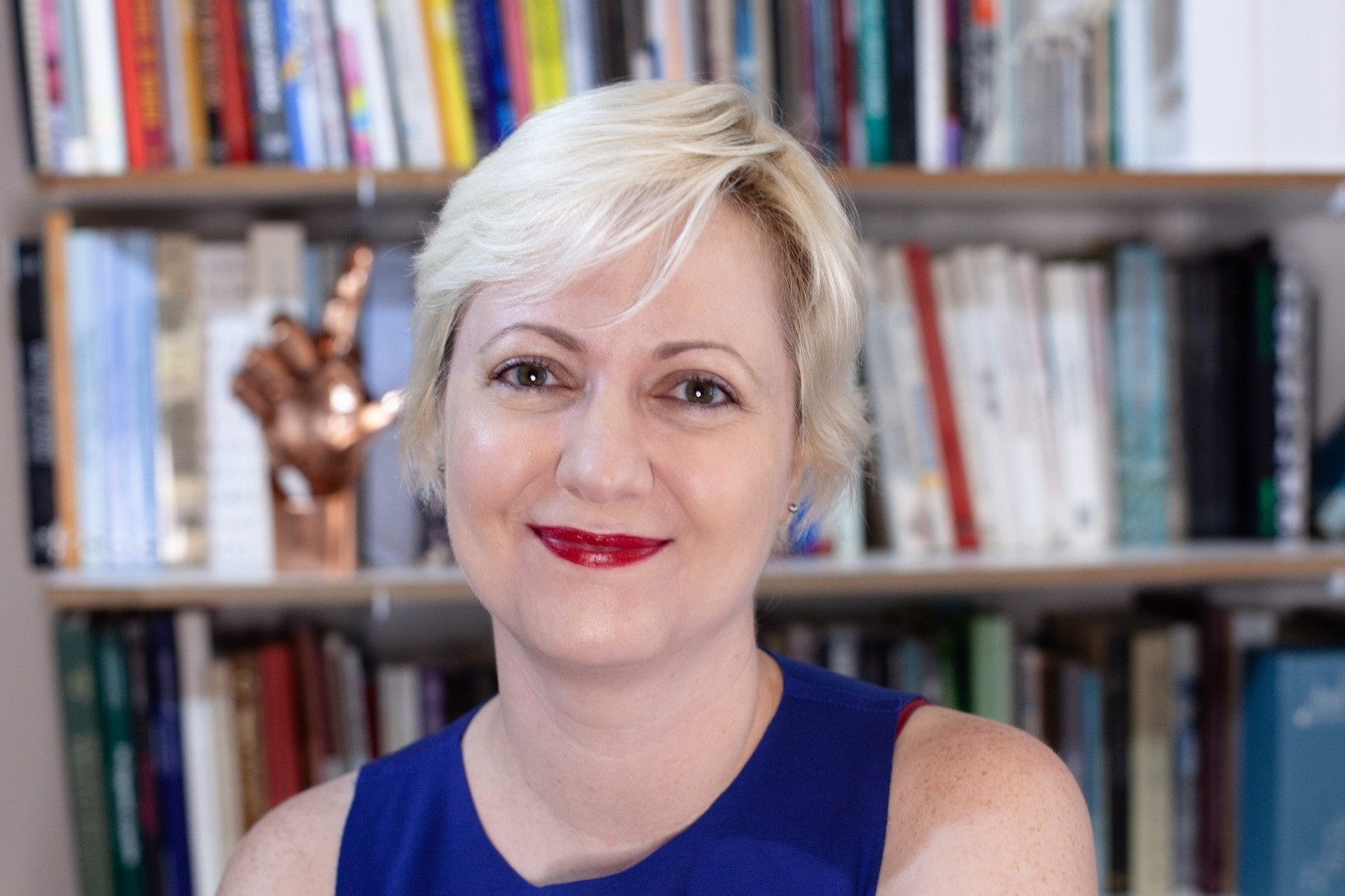
Talita Trizoli is a curator, professor, and researcher. She currently holds a postdoctoral position in sociology of art at Universidade de São Paulo, with supervision of Professor Dra. Ana Paula Cavalcanti Simioni. Her research, currently supported by a Fundação de Amparo à Pesquisa do Estado de São Paulo Grant, focuses on the production of art criticism from Aracy Amaral and Maria Eugênia Franco. She obtained a doctoral degree with Professor Dr. Celso Favaretto as advisor. Her research included investigation into the production of 30 female Brazilian artists during the 1960s and ’70s, in a feminist revision of the discourse in Brazilian art history, with a special consideration for subjects who are “excluded” from the official narratives. She has a master’s degree in aesthetics and art history from the Museu de Arte Contemporânea in the Universidade de São Paulo (with Professor Dra. Cristina Freire as advisor), where she developed a feminist investigation into the production of Regina Vater, a Brazilian artist with considerable importance in the vanguard scenario. She has developed feminist investigations of art systems since 2005, and has collaborated with important Brazilian art institutions such as Museu de Arte de São Paulo, Pinacoteca de São Paulo, Museu de Arte Moderna de São Paulo, and Serviço Social do Comércio, among others. Trizoli was assistant professor at São Paulo University through the PART-USP program, as well as the Universidade Federal de Goiás and the Universidade Federal de Uberlândia. She also works directly with women artists as a coordinator and adviser in the feminist studies group GAF.
Lior Zisman Zalis
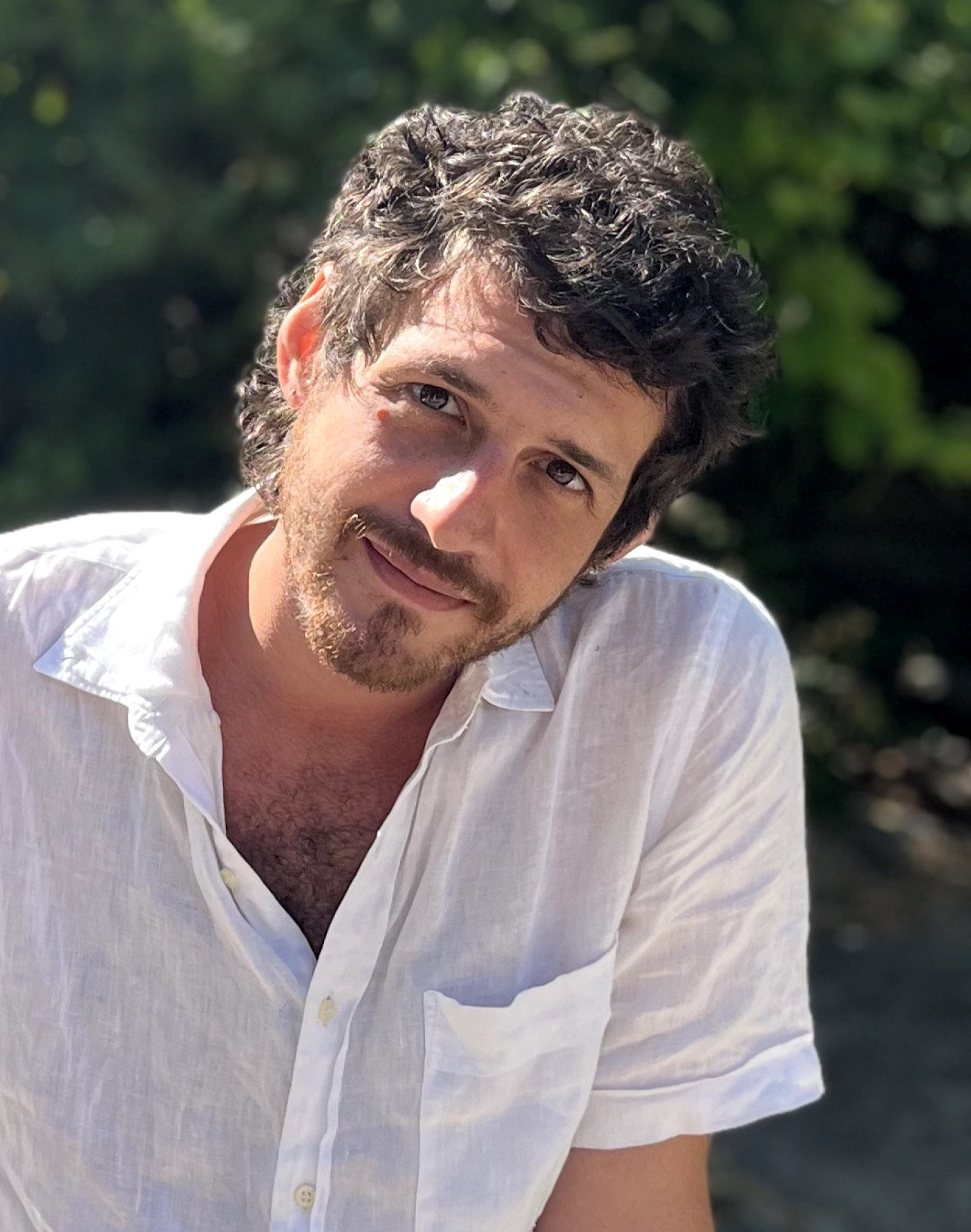
Lior Zisman Zalis is pursuing a doctoral degree in post-colonialism and global citizenship at the Centro de Estudios Sociais, Universidade de Coimbra, Portugal. His research project, “Insurgent Spiritualities and Enchanted Politics,” is supported by the Fundação para a Ciência e a Tecnologia and aims to investigate the political influence of spiritual entities and religious communities in Codó, Maranhão, Brazil. He holds a master’s degree in comparative studies in literature, art, and thought from Universitat Pompeu Fabra, and he participated in the Program for Independent Studies at the Museu d’Art Contemporani de Barcelona (MACBA), where he conducted research on the colonial memory of fetishism. Zisman is involved in several research projects, including the POLICREDOS working group, NAR/CRIA, and the Laboratory for Political Anthropology. Additionally, they have collaborated with institutions like MACBA, Hangar, and La Escocesa. His research interests span the interdisciplinary fields of cultural studies, anthropology, history, and sociology in the context of Latin America, with a focus on their intersections with religion, memory, politics, post-colonialism, and materiality.