Many of Roy Lichtenstein’s early paintings appropriated imagery found in comic books. Drowning Girl, samples a page from issue #83 of Secret Hearts, a romance comic book illustrated by Tony Abruzzo and published by DC Comics in 1962. In Abruzzo’s original illustration, the drowning girl’s boyfriend appears in the background, clinging to a capsized boat. Meanwhile, the drowning girl in the foreground laments with closed eyes.
To create Drowning Girl, Lichtenstein cropped Abruzzo’s splash page (a comic book page with a single image surrounded by a frame), showing the woman alone and encircled by a threatening wave. He also changed the caption from “I don’t care if I have a cramp!” to “I don’t care!” and the boyfriend’s name from Mal to Brad. Describing his use of the comics medium, Lichtenstein says, “My work is actually different from comic strips in that every mark is really in a different place, however slight the difference seems to some. The difference is often not great, but it is crucial.”
Critics continue to debate the differences between Lichtenstein’s painting and Abruzzo’s illustration. The similarities continue to invite questions about authorship, style, and the value society ascribes to different forms of art.
Additional text from 2021
Many of Roy Lichtenstein’s early paintings appropriated imagery found in comic books. Drowning Girl samples a page from issue #83 of Secret Hearts, a romance comic book illustrated by Tony Abruzzo and published by DC Comics in 1962. In Abruzzo’s original illustration, the drowning girl’s boyfriend appears in the background, clinging to a capsized boat. Meanwhile, the drowning girl in the foreground laments with closed eyes.
To create Drowning Girl, Lichtenstein cropped Abruzzo’s splash page (a comic book page with a single image surrounded by a frame), showing the woman alone and encircled by a threatening wave. He also changed the caption from “I don’t care if I have a cramp!” to “I don’t care!” and the boyfriend’s name from Mal to Brad. Describing his use of the comics medium, Lichtenstein says, “My work is actually different from comic strips in that every mark is really in a different place, however slight the difference seems to some. The difference is often not great, but it is crucial.”
Critics continue to debate the differences between Lichtenstein’s painting and Abruzzo’s illustration. The similarities continue to invite questions about authorship, style, and the value society ascribes to different forms of art.
2021
Explore more
Roy Lichtenstein
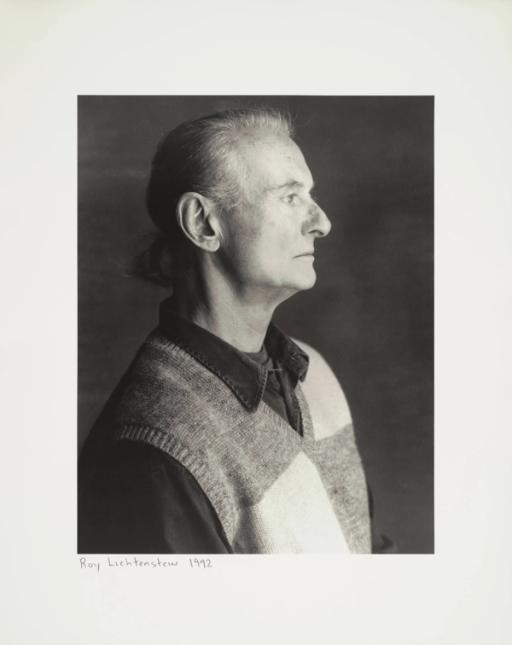
American, 1923–1997 155 works onlineA key figure in the Pop art movement and beyond, Roy Lichtenstein grounded his profoundly inventive career in imitation—beginning by borrowing images from comic books and advertisements in the early 1960s, and eventually encompassing those of everyday objects, artistic styles, and art history itself.
Learn more →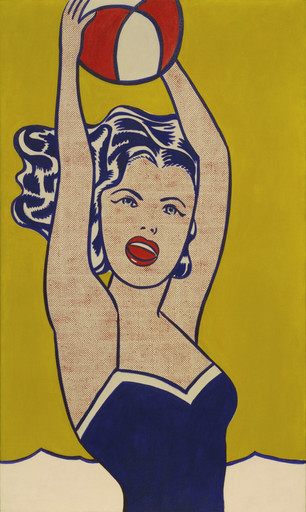
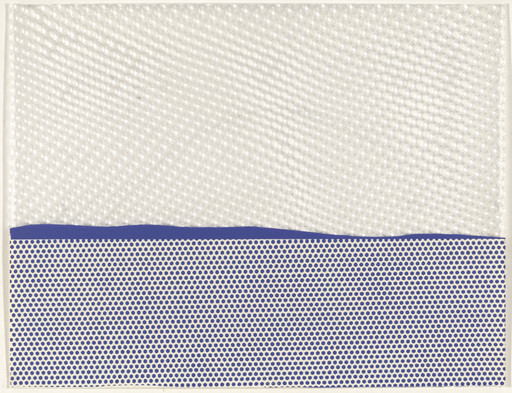
Ben-Day dots
An inexpensive mechanical printing method developed in the late 19th century and named after its inventor, illustrator and printer Benjamin Henry Day, Jr.
Learn more →
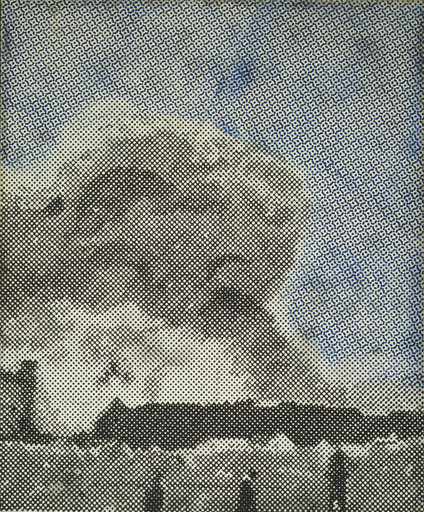
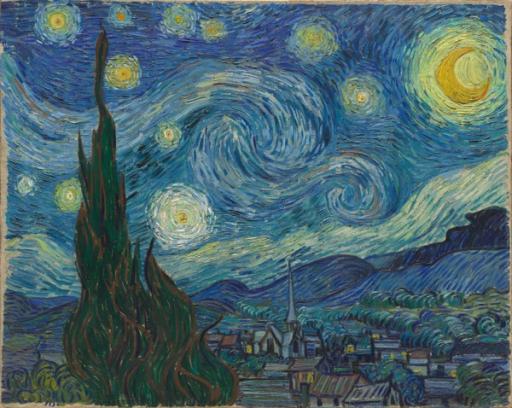
Modern art
Art made from the 1880s to the 1970s—a time marked by the growth of cities, the rise of industry, a surge in technologies, and the development of mass media.
Learn more →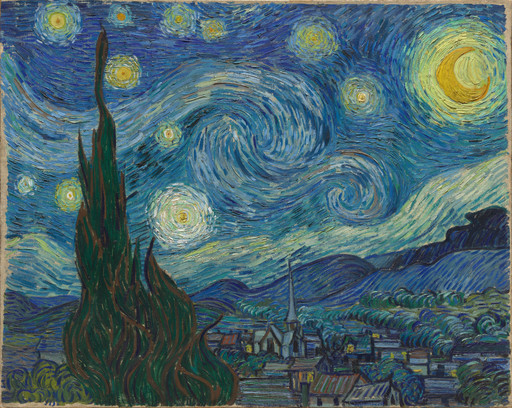
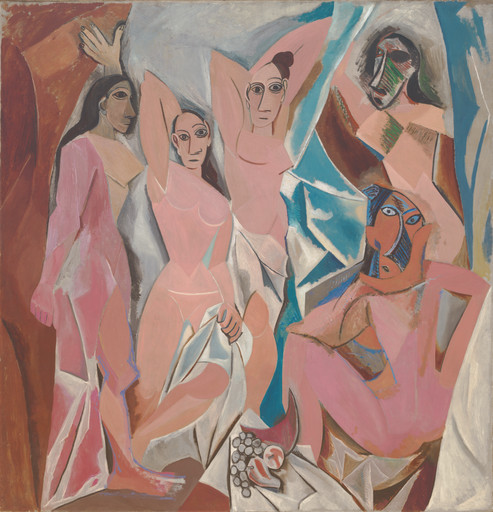
Pop art
A movement comprising initially British, then American artists in the 1950s and 1960s. Pop artists borrowed imagery from popular culture—from sources including television, comic books, and print advertising—often to challenge conventional values propagated by the mass media, from notions of femininity and domesticity to consumerism and patriotism.
Learn more →
Audio
Audio from the playlist Audio Descriptions
Audio from the playlist 1950–1980: Works from the Collection
From MoMA Design Store


Installation views
We have identified this work in the following photos from our exhibition history.
Licensing
Artwork or archival images
If you would like to reproduce an image of a work of art in MoMA's collection, or an image of a MoMA publication or archival material (including installation views, checklists, and press releases), please contact Art Resource (publication in North America) or Scala Archives (publication in all other geographic locations).
Audio and film clips
MoMA licenses archival audio and select out of copyright film clips from our film collection. At this time, MoMA produced video cannot be licensed by MoMA/Scala. All requests to license archival audio or out of copyright film clips should be addressed to Scala Archives at [email protected]. Motion picture film stills cannot be licensed by MoMA/Scala. For access to motion picture film stills for research purposes, please contact the Film Study Center at [email protected]. For more information about film loans and our Circulating Film and Video Library, please visit Circulating Film and Video Library.
Text from a publication or the archives
If you would like to reproduce text from a MoMA publication, please email [email protected]. If you would like to publish text from MoMA's archival materials, please fill out this permission form and send to [email protected].
Feedback
This record is a work in progress. If you have additional information or spotted an error, please fill out this feedback form.