Dry pigment in polyvinyl acetate on cotton over plywood
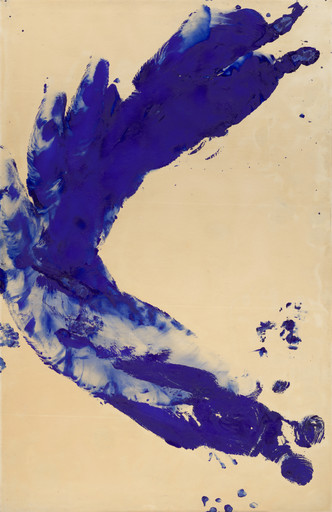
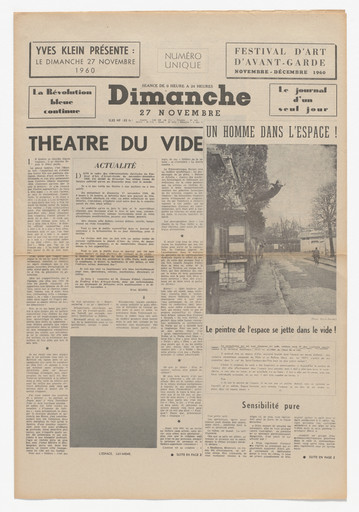
Klein famously declared the blue sky to be his first artwork and from there continued finding radical new ways to represent the infinite and immaterial in his works. One such strategy was monochrome abstraction—the use of one color over an entire canvas. Klein saw monochrome painting as an “open window to freedom, as the possibility of being immersed in the immeasurable existence of color.” Although he used a range of colors, his most iconic works often featured International Klein Blue, a shade of pure ultramarine that Klein claimed to have invented and trademarked. He used materials like water, fire, and air to construct his works and staged a “leap into the void” for a self-published newspaper.
"Collection 1940s—1970s", 2019
Publication excerpt from MoMA Highlights: 375 Works from The Museum of Modern Art, New York (New York: The Museum of Modern Art, 2019)
Blue Monochrome is one from a dizzying array of innovations that Klein pursued in order to cultivate a new aesthetic consciousness. Undivided by drawing and seemingly untouched by the artist’s hand, the radiant field frees color from the confines of form. That liberation extends to International Klein Blue, the medium Klein developed with a chemist: pure color powder in a lightweight, virtually invisible resin solution that grants the individual grains unprecedented autonomy, rather than pigment bound with oil, which had a dulling effect the artist dreaded. Applied evenly with a roller, the profound hue suggests a potentially infinite visual expansion—an impression further encouraged by Blue Monochrome’s generous dimensions and subtly softened corners, which Klein carefully rounded. Yet the minutely textured matte surface also exerts a powerful attraction in its own right.
Klein proposed that art was evolving toward the immaterial, progressively leaving behind physical objects in favor of impalpable effects and feats of ideation, and he conceived his intensely ultramarine canvases as essential stations on this path. This exploration also included ephemeral performances with the paint-smeared models that he called “living paintbrushes” and the sale, via certificate, of otherwise intangible “zones of immaterial sensibility.” At the same time, Klein acknowledged the allure of sensual immediacy, noting, “The more one lives in the immaterial, the more one loves matter.”
MoMA Highlights: 375 Works from The Museum of Modern Art, New York (New York: The Museum of Modern Art, 2019)
Gallery label from 2006.
Monochrome abstraction—the use of one color over an entire canvas—has been a strategy adopted by many painters wishing to challenge expectations of what an image can and should represent. Klein likened monochrome painting to an "open window to freedom." He worked with a chemist to develop his own particular brand of blue. Made from pure color pigment and a binding medium, it is called International Klein Blue. Klein adopted this hue as a means of evoking the immateriality and boundlessness of his own particular utopian vision of the world.
2006.
Explore more

Monochrome
A work of art rendered in only one color.
Learn more →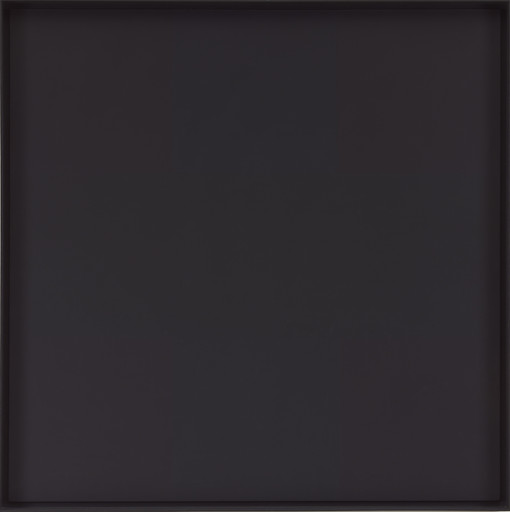
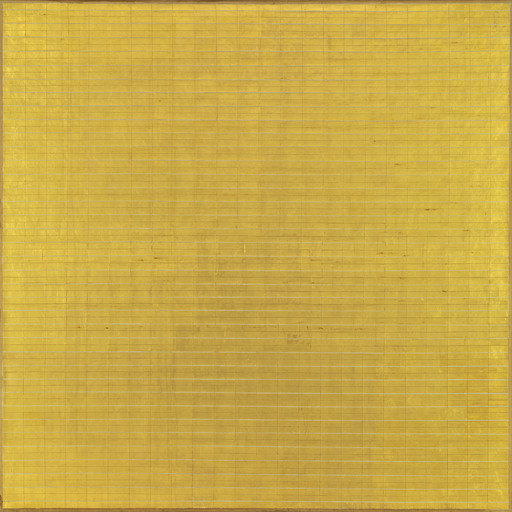
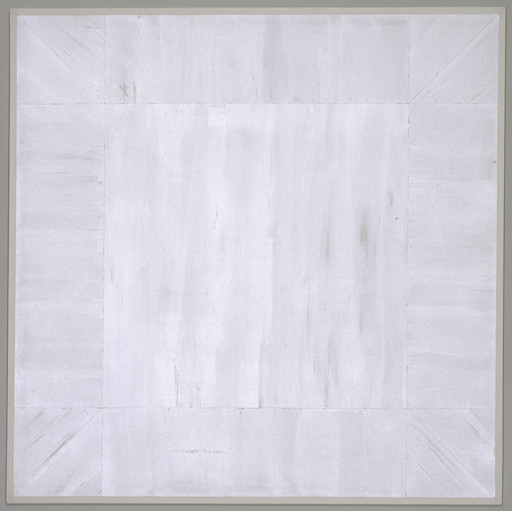
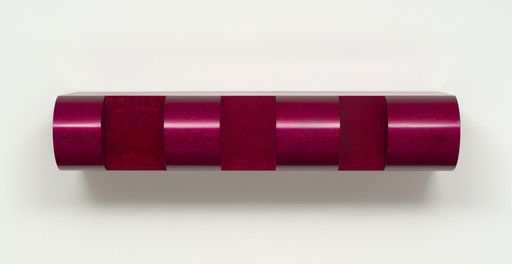
Acting Out
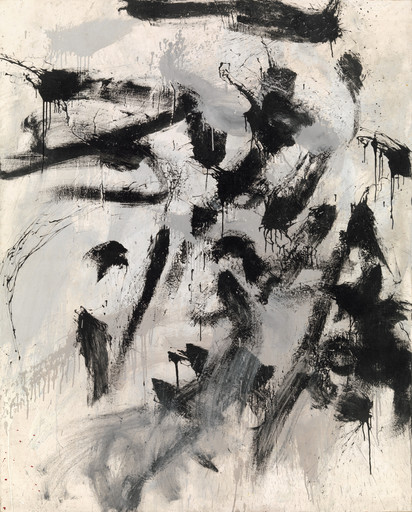
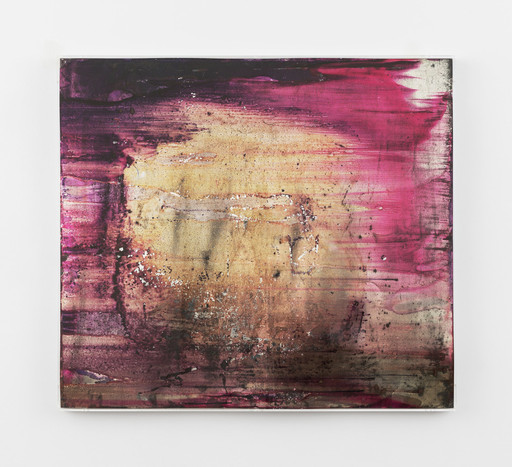
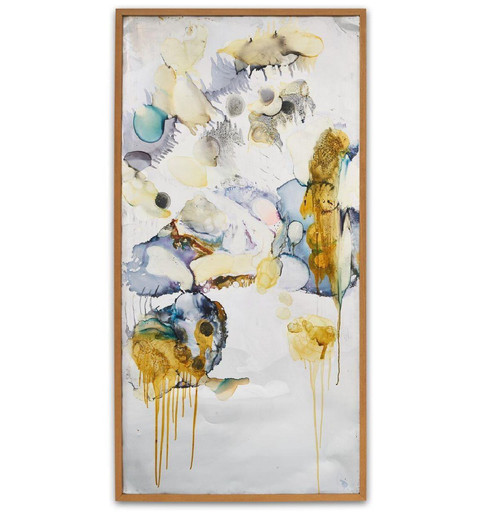
Gallery 405Around the world, in the 1950s and ’60s, artists found new ways to make their mark. Instead of applying paint with a brush, they painted with their feet, stained and soaked canvases with thinned pigment, or poured vibrantly hued dyes on tin.
Learn more →
Articles and videos

From MoMA Design Store


Installation views
We have identified this work in the following photos from our exhibition history.
Licensing
Artwork or archival images
If you would like to reproduce an image of a work of art in MoMA's collection, or an image of a MoMA publication or archival material (including installation views, checklists, and press releases), please contact Art Resource (publication in North America) or Scala Archives (publication in all other geographic locations).
Audio and film clips
MoMA licenses archival audio and select out of copyright film clips from our film collection. At this time, MoMA produced video cannot be licensed by MoMA/Scala. All requests to license archival audio or out of copyright film clips should be addressed to Scala Archives at [email protected]. Motion picture film stills cannot be licensed by MoMA/Scala. For access to motion picture film stills for research purposes, please contact the Film Study Center at [email protected]. For more information about film loans and our Circulating Film and Video Library, please visit Circulating Film and Video Library.
Text from a publication or the archives
If you would like to reproduce text from a MoMA publication, please email [email protected]. If you would like to publish text from MoMA's archival materials, please fill out this permission form and send to [email protected].
Feedback
This record is a work in progress. If you have additional information or spotted an error, please fill out this feedback form.