Silkscreen ink on acrylic on two canvases
In 1962 Warhol began to cull images of tragic frontpage news stories. He silkscreened this image of a fatal car accident fourteen times. "I tried doing them by hand," he said, "but I find it easier to use a screen. This way, I don’t have to work on my objects at all." Warhol's distance from the work’s making parallels his diffusion of this gruesome image through repetition and deterioration. About the addition of "a blank canvas, the same background color," Warhol claimed, perhaps ironically, "The two are designed to hang together however the owner wants. . . . It just makes them bigger and mainly makes them cost more."
2008.
Explore more
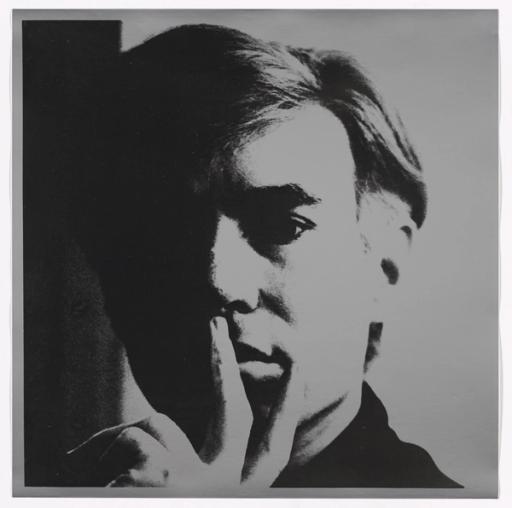
Andy Warhol
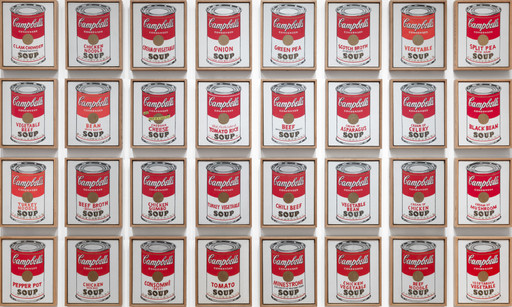
American, 1928–1987 271 works onlineTwo exhibitions in 1962 announced Andy Warhol’s dramatic entry into the art world. In July, at the Ferus Gallery in Los Angeles, he exhibited his now-iconic Campbell’s Soup Cans .
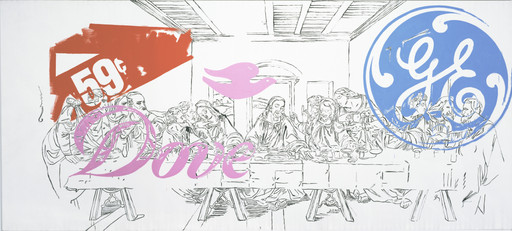
Learn more →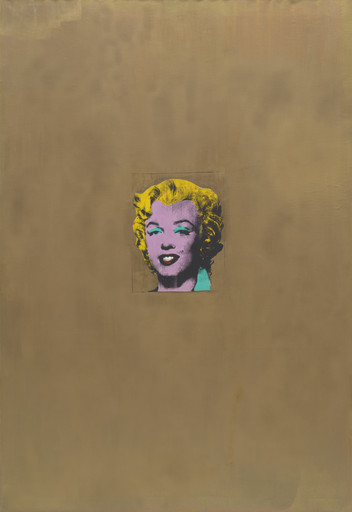
![Andy Warhol. Untitled ([Early Work] Woman)](https://www.moma.org/media/W1siZiIsIjI2ODkwOCJdLFsicCIsImNvbnZlcnQiLCItcXVhbGl0eSA5MCAtcmVzaXplIDUxMng1MTJcdTAwM2UiXV0.jpg?sha=3a19f0596d819514)
![Andy Warhol. Untitled ([Early Work] Woman)](https://www.moma.org/media/W1siZiIsIjI2ODkwOSJdLFsicCIsImNvbnZlcnQiLCItcXVhbGl0eSA5MCAtcmVzaXplIDUxMng1MTJcdTAwM2UiXV0.jpg?sha=9a7a22b249a25d4b)
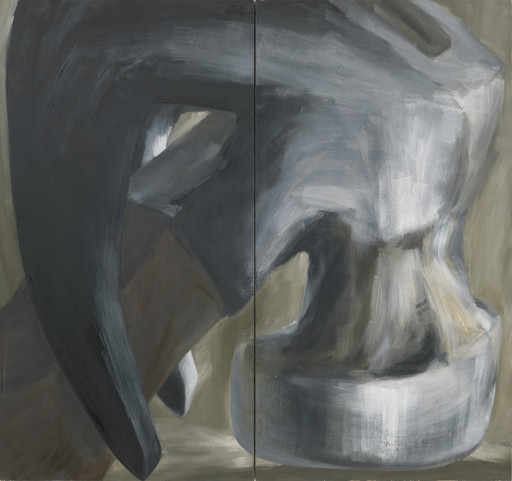
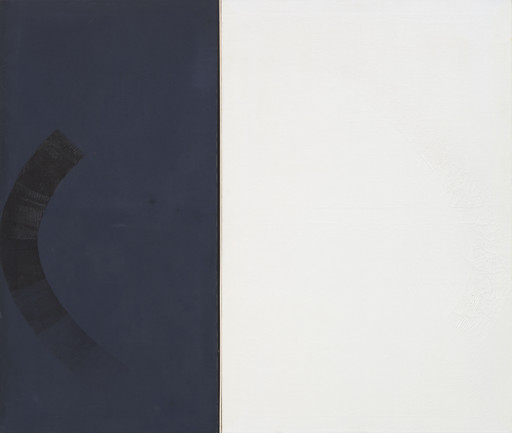
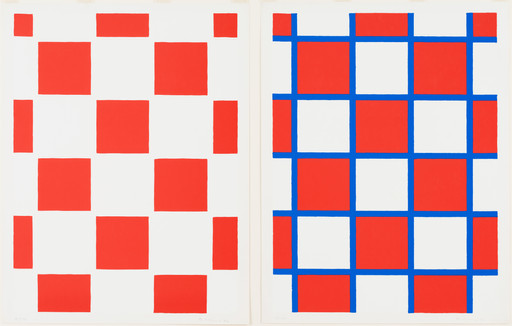
Diptych
A work of art consisting of two sections or panels, usually hinged together.
Learn more →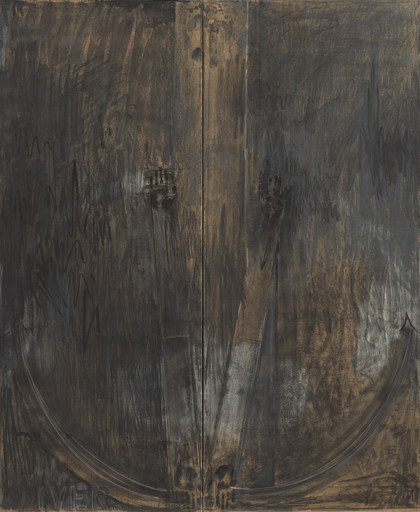

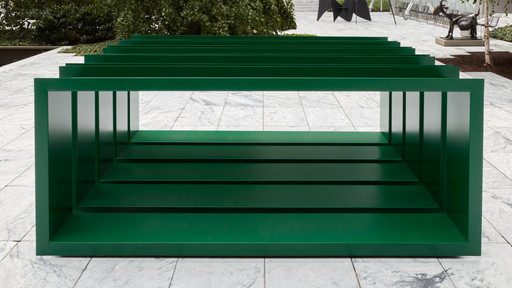
One Thing After Another
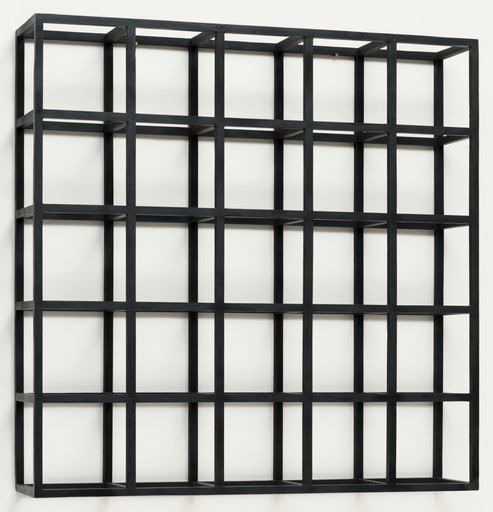
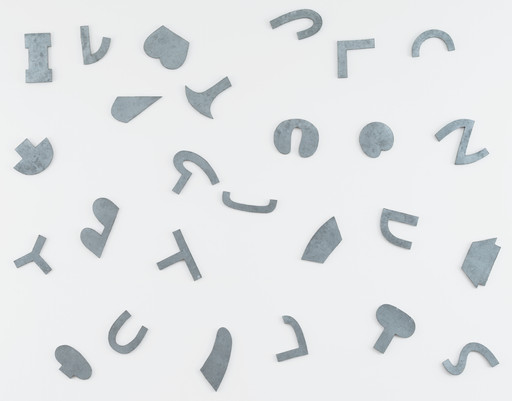
Gallery 413The “best new work” was made using industrial materials—steel, vinyl, and aluminum panels, for example—or easily available canvases, and often with an economy of means.
Learn more →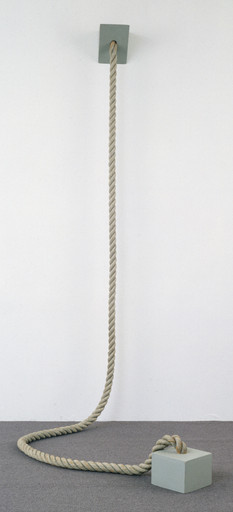

Audio
Audio from the playlist 1950–1980: Works from the Collection
From MoMA Design Store


Installation views
We have identified this work in the following photos from our exhibition history.
Licensing
Artwork or archival images
If you would like to reproduce an image of a work of art in MoMA's collection, or an image of a MoMA publication or archival material (including installation views, checklists, and press releases), please contact Art Resource (publication in North America) or Scala Archives (publication in all other geographic locations).
Audio and film clips
MoMA licenses archival audio and select out of copyright film clips from our film collection. At this time, MoMA produced video cannot be licensed by MoMA/Scala. All requests to license archival audio or out of copyright film clips should be addressed to Scala Archives at [email protected]. Motion picture film stills cannot be licensed by MoMA/Scala. For access to motion picture film stills for research purposes, please contact the Film Study Center at [email protected]. For more information about film loans and our Circulating Film and Video Library, please visit Circulating Film and Video Library.
Text from a publication or the archives
If you would like to reproduce text from a MoMA publication, please email [email protected]. If you would like to publish text from MoMA's archival materials, please fill out this permission form and send to [email protected].
Feedback
This record is a work in progress. If you have additional information or spotted an error, please fill out this feedback form.