Titanium, rubber, and aluminum honeycomb
Kawasaki's goal was to create a wheelchair that felt as good, and looked as cool, as the newest pair of sneakers. The Carna is colorful and has high–tech style. Since it had to be light and easy to carry, an improvement over most collapsible wheelchairs, Kawasaki used a titanium frame, with aluminum honeycomb–core wheels and rubber seat and tires. Moreover, to offer personalized comfort, he designed optional parts that users can add to the standard frame, according to the needs of the moment. Appropriately, Carna was named for the ancient Roman goddess who had power over entrances and exits.
Kawasaki is interested in bringing technology and fine craft closer together. Known for his works for Toshiba, Kawasaki pursued personal projects after a disabling accident in 1977. He has written: "Older people, handicapped and normal people are separated in today's Japan, so designers need to make designs that are kind and caring and need to treat more handicapped people equally in society. . . . To be a visionary designer I want to design products for myself first."
The Museum of Modern Art, MoMA Highlights, New York: The Museum of Modern Art, revised 2004, originally published 1999, p. 325.
Kids label from 2025
Moving in Style
Kazuo Kawasaki became a wheelchair user following an accident. “I want to design products for myself first,” Kawasaki said. He designed this wheelchair to look “cool” and be easier to travel with. So he used bright red color and lightweight metals like titanium and aluminum.
What objects help you move around? Tell a friend or family member your favorite things about those objects.
2025
Explore more
Body Constructs
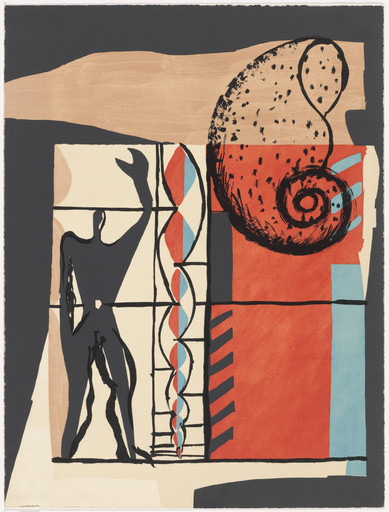
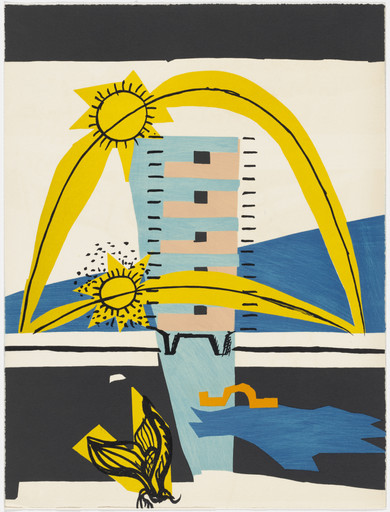
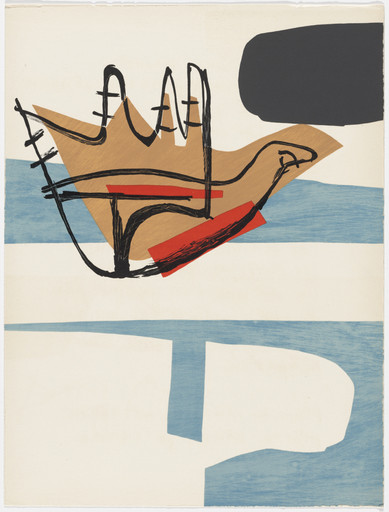
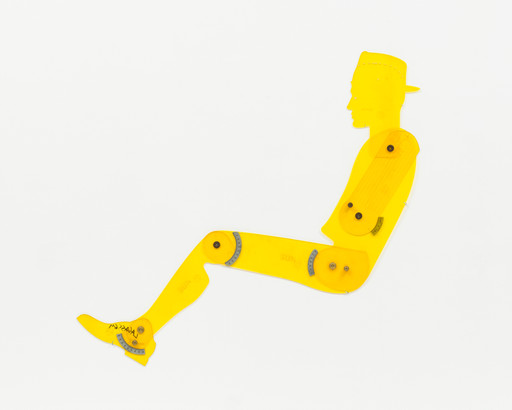
Gallery 417Modern architects and designers imagined not only new buildings and objects, but also the bodies that would inhabit and use them.
Learn more →





Audio
Audio from the playlist Collection 1950s–1970s
From MoMA Design Store


Installation views
We have identified this work in the following photos from our exhibition history.
Licensing
Artwork or archival images
If you would like to reproduce an image of a work of art in MoMA's collection, or an image of a MoMA publication or archival material (including installation views, checklists, and press releases), please contact Art Resource (publication in North America) or Scala Archives (publication in all other geographic locations).
Audio and film clips
MoMA licenses archival audio and select out of copyright film clips from our film collection. At this time, MoMA produced video cannot be licensed by MoMA/Scala. All requests to license archival audio or out of copyright film clips should be addressed to Scala Archives at [email protected]. Motion picture film stills cannot be licensed by MoMA/Scala. For access to motion picture film stills for research purposes, please contact the Film Study Center at [email protected]. For more information about film loans and our Circulating Film and Video Library, please visit Circulating Film and Video Library.
Text from a publication or the archives
If you would like to reproduce text from a MoMA publication, please email [email protected]. If you would like to publish text from MoMA's archival materials, please fill out this permission form and send to [email protected].
Feedback
This record is a work in progress. If you have additional information or spotted an error, please fill out this feedback form.