|
 The
combined results of examination methods, including
X-radiography;
normal, raking,
and transmitted
light; and examination with infrared
and ultraviolet light, have extensively documented
Picasso's materials
and techniques and will inform the treatment
plan as well. For example, examination of the
painted
surface under magnification has revealed paint-layer
defects as well as evidence of past
restorations—that is, accretions
of glue [see: Glue
Residue] and wax [see: Wax
Residue] The
combined results of examination methods, including
X-radiography;
normal, raking,
and transmitted
light; and examination with infrared
and ultraviolet light, have extensively documented
Picasso's materials
and techniques and will inform the treatment
plan as well. For example, examination of the
painted
surface under magnification has revealed paint-layer
defects as well as evidence of past
restorations—that is, accretions
of glue [see: Glue
Residue] and wax [see: Wax
Residue] 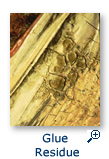 and
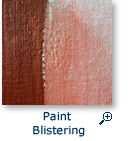
localized areas of blistering paint [see: Paint
Blistering] where the heat and moisture
from the glue lining caused deformations
in the paint
layer. The discolored coatings of wax and synthetic
resin have exaggerated these types of conditions,
especially where the paint, softened by the lining
procedure, conforms to the weave of the canvas
and causes a pattern visible on the surface.
Accumulated
grime and discolored varnish, combined with and
localized areas of blistering paint [see: Paint
Blistering] where the heat and moisture
from the glue lining caused deformations
in the paint
layer. The discolored coatings of wax and synthetic
resin have exaggerated these types of conditions,
especially where the paint, softened by the lining
procedure, conforms to the weave of the canvas
and causes a pattern visible on the surface.
Accumulated
grime and discolored varnish, combined with 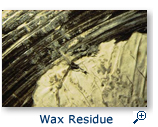 discolored
restoration materials on the surface, has caused
the overall surface of the painting to look hazy
and unsaturated, interfering with Picasso's
true
palette. Previous inpainting,
now more than fifty years old, has become discolored
and no longer matches surrounding original paint.
Aged varnish
lends the painting a uniform surface lacking
in nuance and, in combination with the lining,
conspires to give Les Demoiselles d'Avignon
a laminated appearance. At the same time, the
now visually disruptive retouches
break the forms of the figures and background
and thus diminish their essential power and
confidence
of execution. discolored
restoration materials on the surface, has caused
the overall surface of the painting to look hazy
and unsaturated, interfering with Picasso's
true
palette. Previous inpainting,
now more than fifty years old, has become discolored
and no longer matches surrounding original paint.
Aged varnish
lends the painting a uniform surface lacking
in nuance and, in combination with the lining,
conspires to give Les Demoiselles d'Avignon
a laminated appearance. At the same time, the
now visually disruptive retouches
break the forms of the figures and background
and thus diminish their essential power and
confidence
of execution.
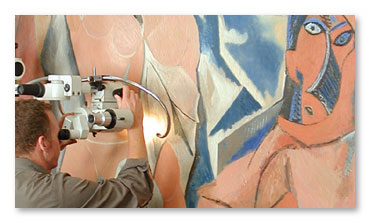
Pictured at top:
Conservator Michael Duffy examining the painting under magnification.
|