
Front / Recto
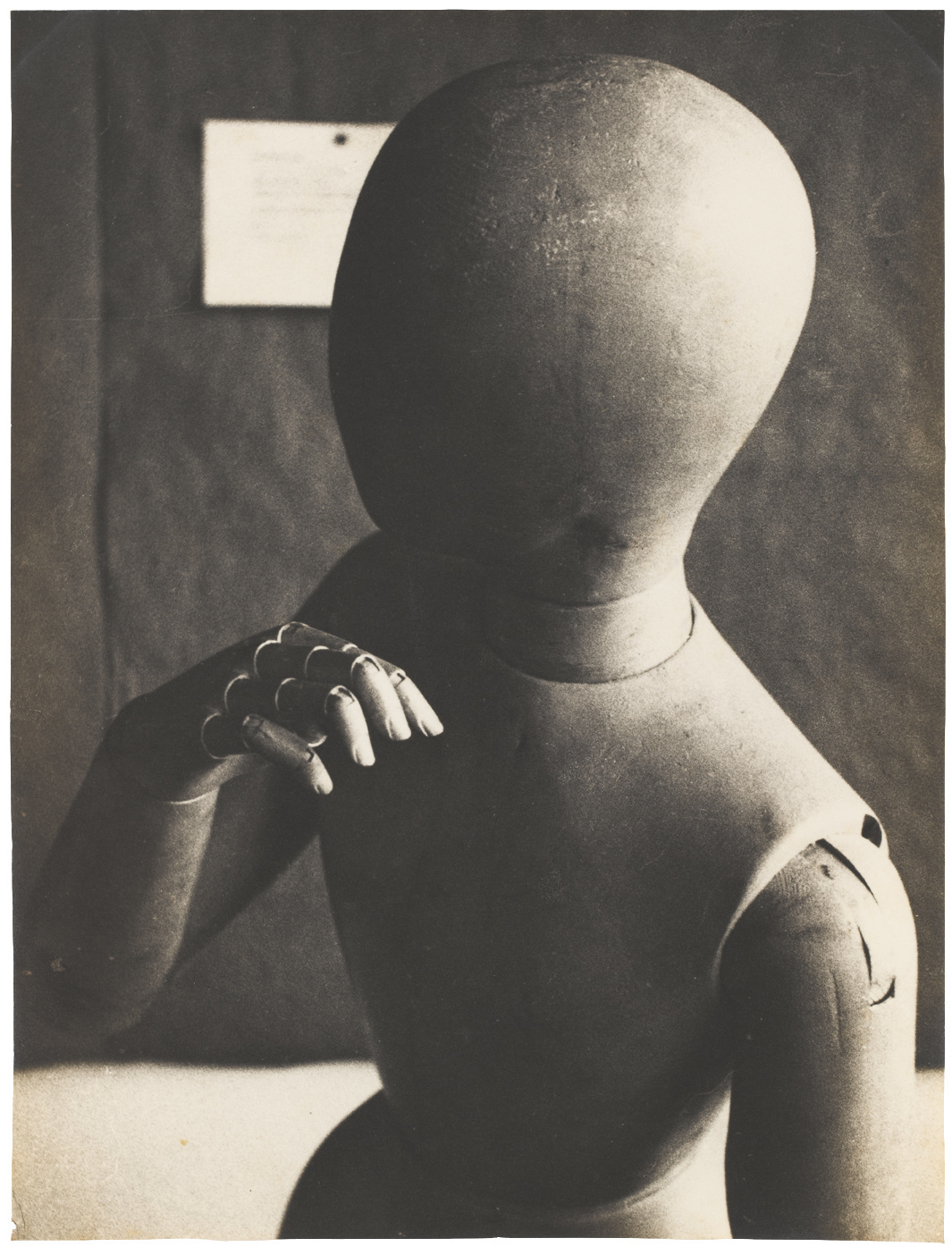
- Title Articulated Mannequin
- Negative Date 1931
- Print Date 1931–35
- Medium Gelatin silver print
- Dimensions Image 9 × 6 13/16" (22.9 × 17.3 cm)
- Place Taken Dessau
- Credit Line Thomas Walther Collection. Gift of Thomas Walther
- MoMA Accession Number 1913.2001
- Copyright © 2015 Makoto Yamawaki
-
Description
In May 1930, Iwao Yamawaki (born Iwao Fujita) and his wife, Michiko, left Japan to enroll at the Bauhaus, two of only three Japanese nationals who attended the school in Dessau. While personally enriching, Yamawaki’s tenure at the Bauhaus was marred by unrest (he witnessed the forced resignation of director Hannes Meyer) and an unstable political climate. Trained in architecture at the Tokyo School of Arts but disenchanted with architectural practice in his native country, Yamawaki applied to study architecture and interior design, but once in Germany he turned to photography. Despite his avid interest in the medium, he lamented in a 1931 letter that it was not his “specialty.”[1] Yamawaki had begun making snapshots in Japan in 1926 with a small-format camera, but his photography skills were honed considerably under the tutelage of Walter Peterhans at the Bauhaus. Focusing on the relationship between photography and three-dimensional space, Yamawaki produced images of architecture (an untitled picture of the Dessau Bauhaus building [MoMA 1914.2001], Dessau [MoMA 1915.2001], and Lunch (12–2 p.m.) [MoMA 1916.2001], all in 1931), figures (Portrait of a Man Smoking [1917.2001]), furniture, and objects, such as Articulated Mannequin. In addition, he produced a number of Dada-inspired photomontages.
Articulated Mannequin is a prime example of the exquisite sculptural quality Yamawaki could achieve in his photographs. Involved in designing and producing theater and dance at the school, Yamawaki employed theatrical lighting to emphasize the voluminous forms of a commonly available artist’s mannequin. He made three images of the mannequin and, while he often used his small-format camera from Japan at the Bauhaus, for this particular image he likely used a large-format, 9 by 12 centimeter (3 9/16 by 4 ¾ inch) Spiegel Camera purchased in 1930 in Germany.[2] Printed on a single weight Baryta-less paper with an exceptionally soft matte surface, the image takes on the appearance of a fine drawing, although the emulsion layer reveals a slight gloss under raking light. The image may have been printed on Agfa paper, which Yamawaki is known to have favored while in Germany.
After returning to Japan in December 1932, Yamawaki refocused on architecture, establishing his own firm in 1933; eventually he abandoned photography. However, he continued to proselytize the Bauhaus philosophy, lecturing at the short-lived, Bauhaus-modeled School of New Architecture and Arts and codesigning the first major Japanese exhibition on the Bauhaus at the Tokyo National Museum of Modern Art in 1954.
—Hanako Murata, Eva Respini
Back / Verso
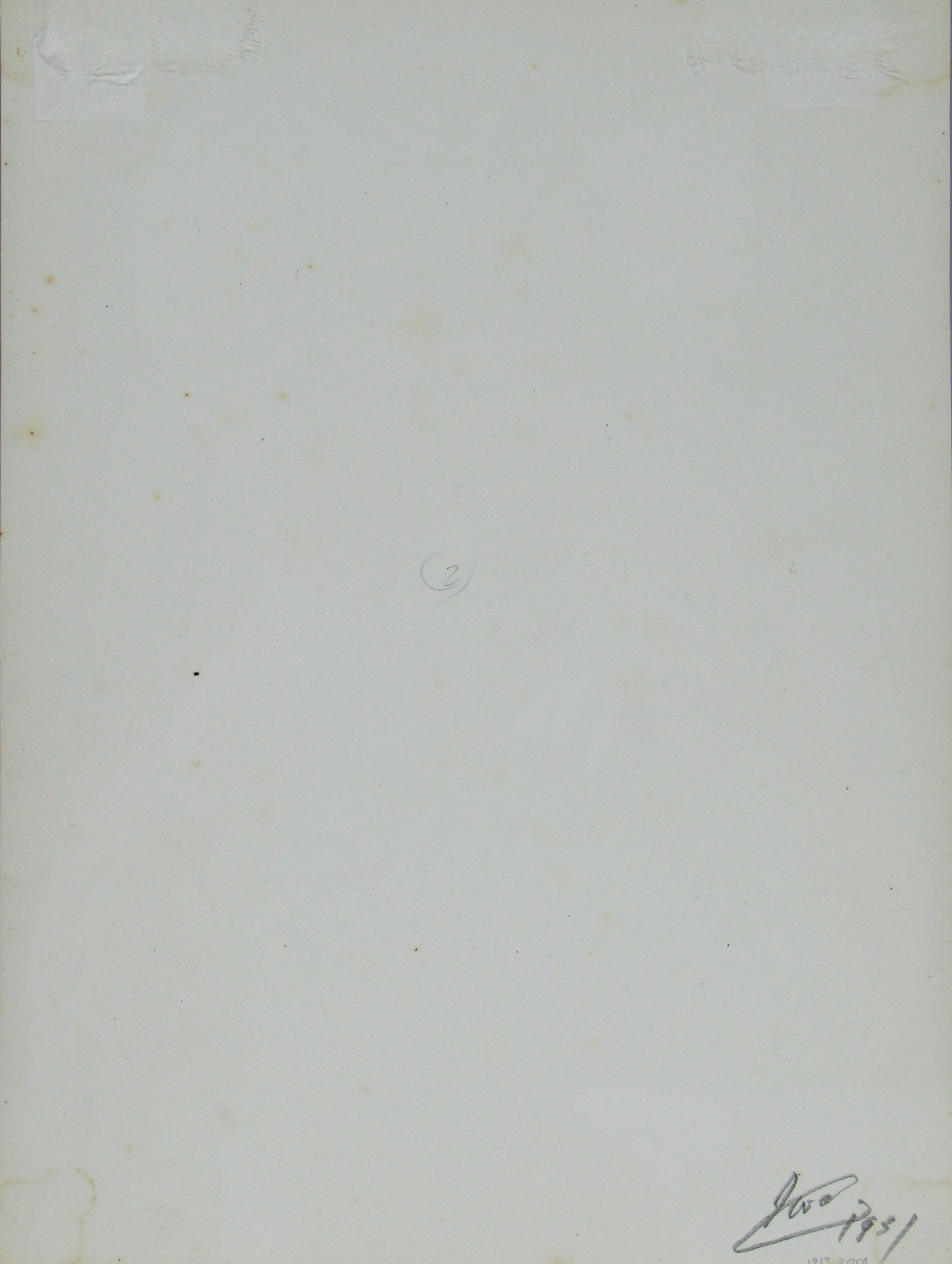
- Mount Type No mount
- Marks and Inscriptions Inscribed in pencil on sheet verso, center: 2 [circled]. Signed in pencil on sheet verso, bottom right: Iwao 1931.
-
Provenance
The artist. Sold through Christie's New York to Jane Corkin Gallery, Toronto, 1991 [1]; to the Alexandra Marshall Collection, New York, April 1992 [2]; to Monika Half, Bronxville, N.Y. [3]; purchased by Thomas Walther, January 10, 1997 [4]; given to The Museum of Modern Art, New York, 2001.
[1] Alexandra R. Marshall, letter to Simon Bieling, June 13, 2005; and Jane Corkin, telephone conversation with Maria Morris Hambourg, November 2013.
[2] MacGill/Walther 2001(4), p. 15; and Marshall, letter to Bieling.
[3] MacGill/Walther 2001(4), p. 15.
[4] Ibid.; MacGill/Walther 2000(2), p. 31; and Half invoice, January 10, 1997.
Surface
- Surface Sheen Matte
- Techniques Retouching (additive) Enlargement
-
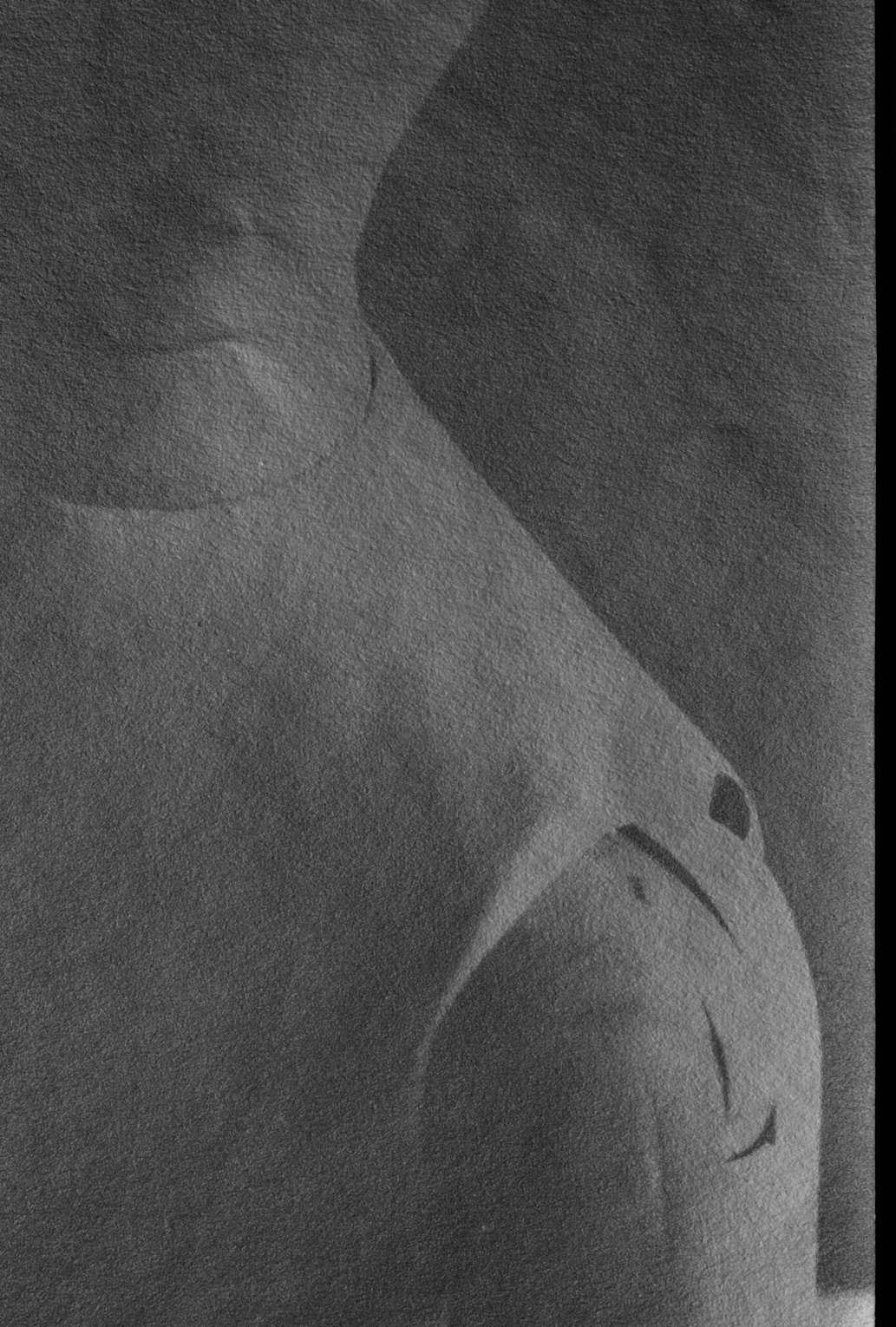
PTM
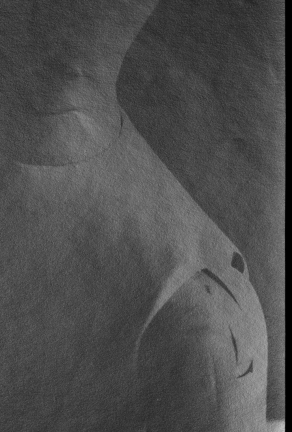 Detail view of the recto of the artwork made using reflectance transformation imaging (RTI) software, which exaggerates subtle surface details and renders the features of the artwork plainly visible. Department of Conservation, MoMA
 -
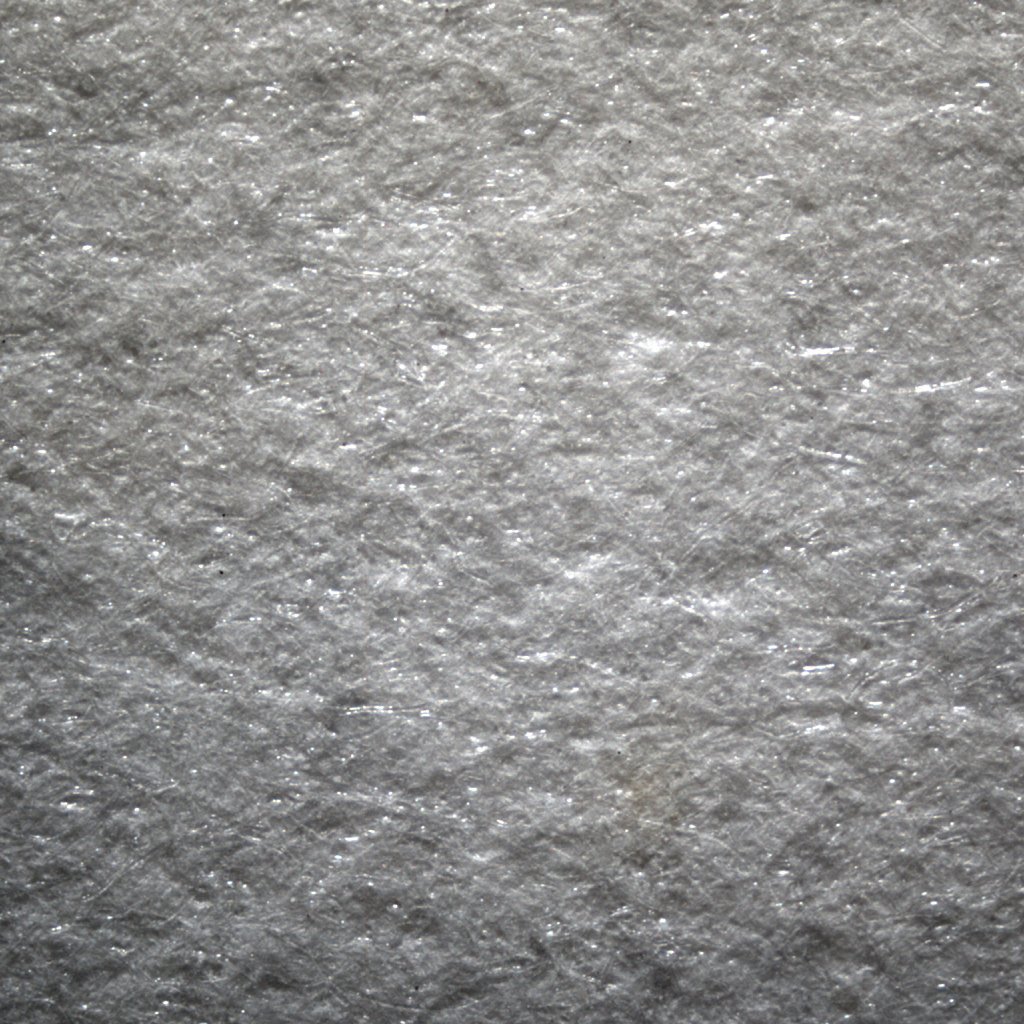
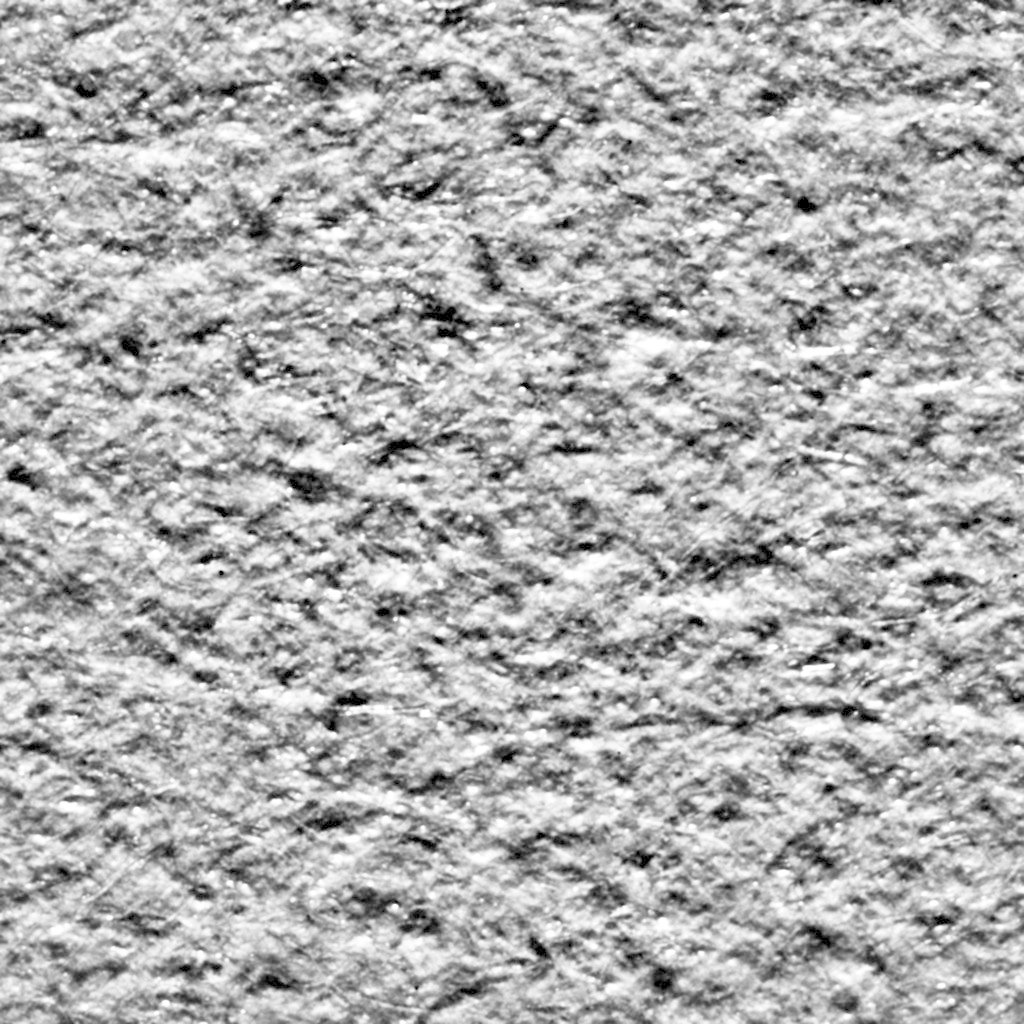
Micro-raking
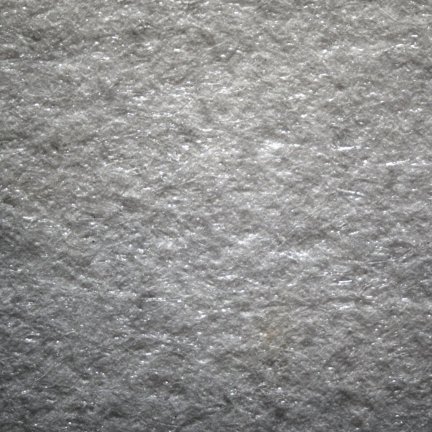 Raking-light close-up image, as shot. Area of detail is 6.7 x 6.7 mm. Department of Conservation, MoMA
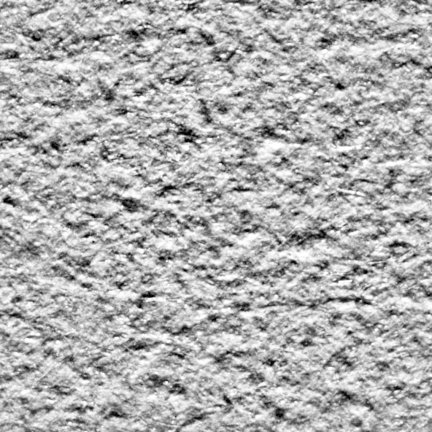 Raking-light close-up image, processed. Processing included removal of color, equalization of the histogram, and sharpening, all designed to enhance visual comparison. Department of Conservation, MoMA
Paper Material
- Format Metric
- Weight Single weight
- Thickness (mm) 0.20
- UV Fluorescence Recto negative Verso negative
- Fiber Analysis Softwood bleached sulfite 83% Hardwood bleached sulfite 2% Rag 9% Bast 6%
- Material Techniques Developing-out paper Baryta-less paper
-
XRF
This work was determined to be a gelatin silver print via X-ray fluorescence (XRF) spectrometry.
The following elements have been positively identified in the work, through XRF readings taken from its recto and verso (or from the mount, where the verso was not accessible):
- Recto: Al, Si, S, K, Cl, Ca, Cr, Zn, Sr, Ag, Ba
- Verso: Al, Si, S, K, Ca, Cr, Zn, Sr, Ba
The graphs below show XRF spectra for three areas on the print: two of the recto—from areas of maximum and minimum image density (Dmax and Dmin)—and one of the verso or mount. The background spectrum represents the contribution of the XRF instrument itself. The first graph shows elements identified through the presence of their characteristic peaks in the lower energy range (0 to 8 keV). The second graph shows elements identified through the presence of their characteristic peaks in the higher energy range (8 to 40 keV).
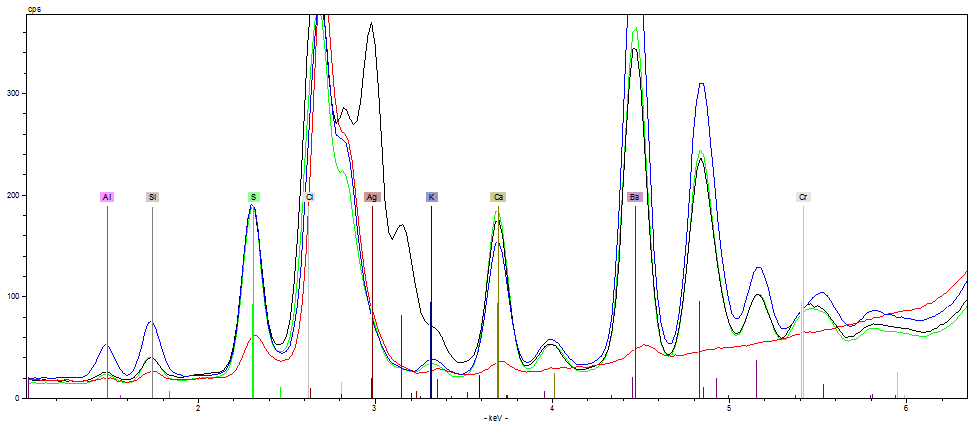 Areas examined: Recto (Dmax: black; Dmin: green), Verso or Mount (blue), Background (red)
Elements identified: Al, Si, S, Cl, K, Ca, Cr, Ag, Ba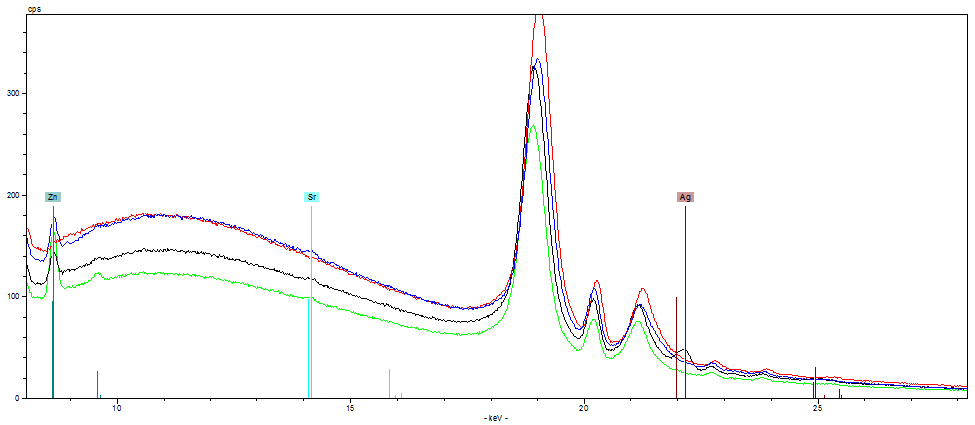 Areas examined: Recto (Dmax: black; Dmin: green), Verso or Mount (blue), Background (red)
Elements identified: Zn, Sr, Ag
In Context
Related People
-
Artist
