
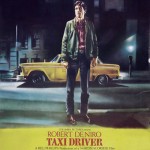
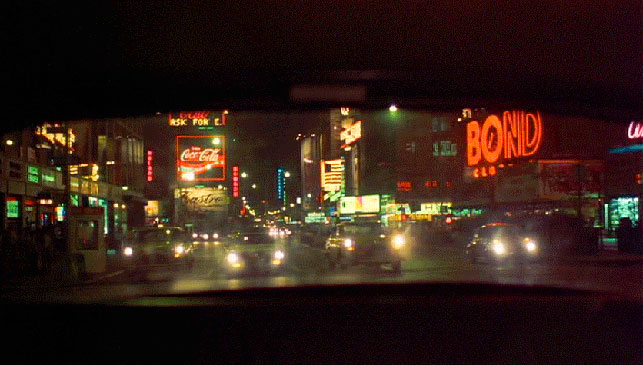
These notes accompany screenings of Martin Scorsese’s </em>Taxi Driver</a> on July 23, 24, and 25 in Theater 3.</p>
No director has ever been so closely identified with New York in all its manifestations, its terrors and its glories, as Martin Scorsese, who was born in Flushing, Queens, 71 years ago. (Even Woody Allen has, at this point, become more or less a jet-setter, preferring European jaunts to the streets of New York.)

Posts tagged ‘film’
Martin Scorsese’s Taxi Driver
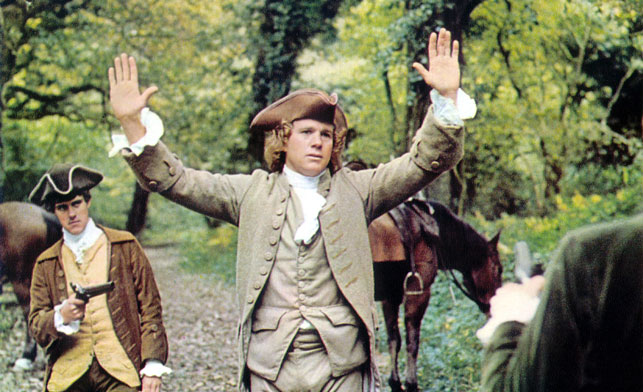
Stanley Kubrick’s Barry Lyndon
These notes accompany screenings of Stanley Kubrick’s </em>Barry Lyndon</a> on July 16, 17, and 18 in Theater 3.</p>
Stanley Kubrick (1928–1999) has long posed complications for auteur critics. It would be hard to claim that the director lacked a unique personal vision, but it was a fragmentary and misanthropic one.
Carte Blanche: Sundance Institute’s Native American and Indigenous Program
N. Bird Runningwater (Cheyenne/Mescalero Apache) and I began working on the Carte Blanche: Sundance Institute’s Native American and Indigenous Program film exhibition over a year ago, when Bird told me that the Native American and Indigenous Program was 20 years old and that Sundance was planning to celebrate the anniversary with several shows around the United States.
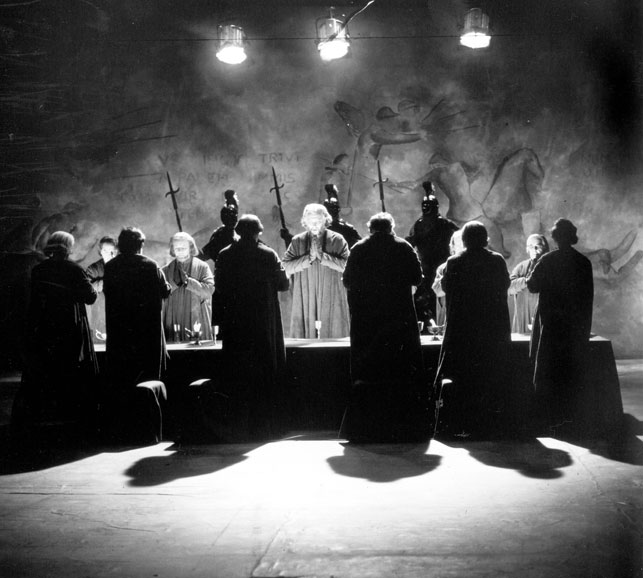
Ingmar Bergman’s The Magic Flute
These notes accompany screenings of Ingmar Bergman’s </em>The Magic Flute</a> on July 9, 10, and 11 in Theater 3.</p>
Let me say upfront that I know virtually nothing about opera. As I recall, I’ve been to the Met three times to see Der Rosenkavalier, some Leoš Janáček, and William Kentridge’s recent Gogolesque grotesquery.
Steven Spielberg’s Jaws
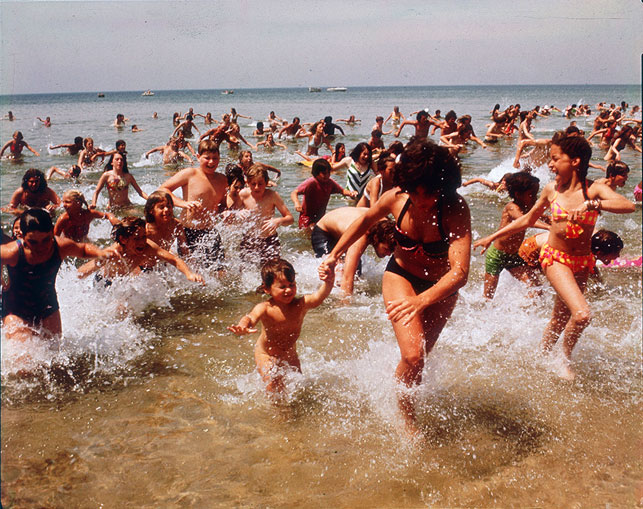
These notes accompany screenings of Steven Spielberg’s </em>Jaws</a> on July 2, 3, and 4 in Theater 3.</p>
Back on March 30, 1974, when I was introduced to the young director of Sugarland Express, I had no idea I was playing a miniscule role on the periphery of one of the greatest revolutions in film history.
Werner Herzog’s Aguirre, the Wrath of God
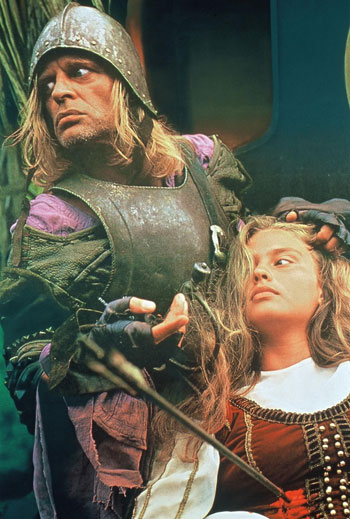
I would argue that no director in film history has moved so successfully back and forth between actuality and narrative as Werner Herzog, and Herzog’s skill in ether genre is nowhere better displayed than in Aguirre, der Zorn Gottes (Aguirre, the Wrath of God).
Inside Flaherty at MoMA: Turning the Inside Out—Duncan Campbell, Raqs Media Collective, and CAMP

It for Others. 2013. Great Britain. Directed by Duncan Campbell. Courtesy of Duncan Campbell and LUX, London
I have been viewing many interesting film and media works by contemporary artists and filmmakers while attending the Flaherty Seminar at Colgate University in upstate New York. Three artists representing a cross section of the work presented at the Flaherty Seminar—and offering three different positions on form—will be at MoMA to discuss their work during a special Modern Mondays event
Peter Bogdanovich’s The Last Picture Show
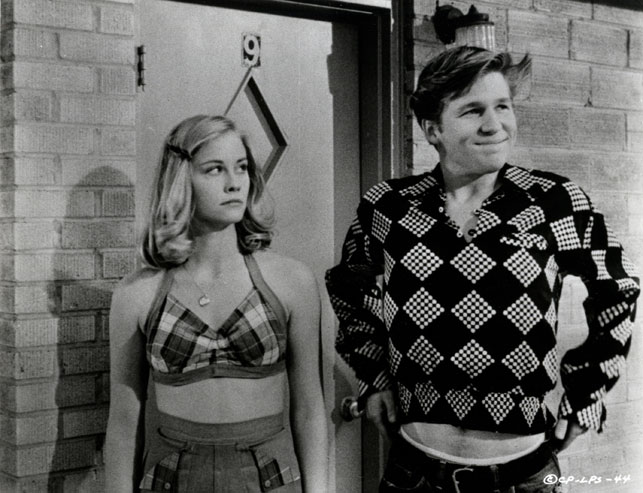
These notes accompany screenings of Peter Bogdanovich’s </em>The Last Picture Show</a> on June 18, 19, and 20 in Theater 3.</p>
There is a sense that, for cinephiles of my generation, Peter Bogdanovich is our Walter Mitty, living out our fantasies. Bogdanovich became a successful and scholarly critic, curated film exhibitions at MoMA and elsewhere, hobnobbed with the greats
Luchino Visconti’s Death in Venice
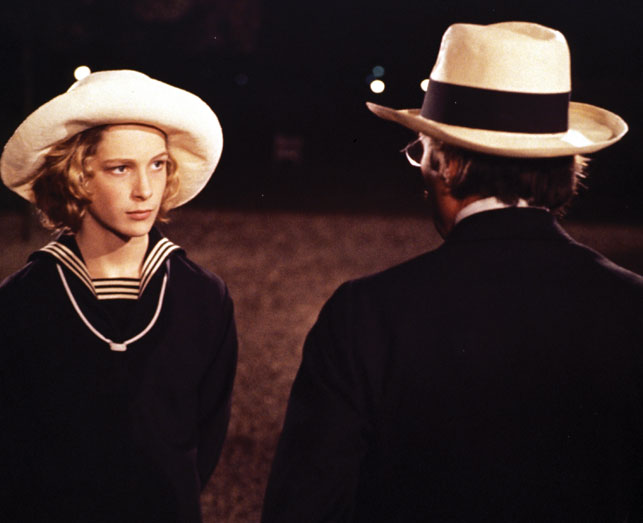
These notes accompany screenings of Luchino Visconti’s </em>Death in Venice</a> on June 11, 12, and 13 in Theater 3.</p>
It’s generally conceded in retrospect that such major directors as F. W. Murnau, Sergei Eisenstein, Marcel Carne, George Cukor, Vincente Minnelli, James Whale, and Edmund Goulding were gay.
Don Siegel’s Dirty Harry
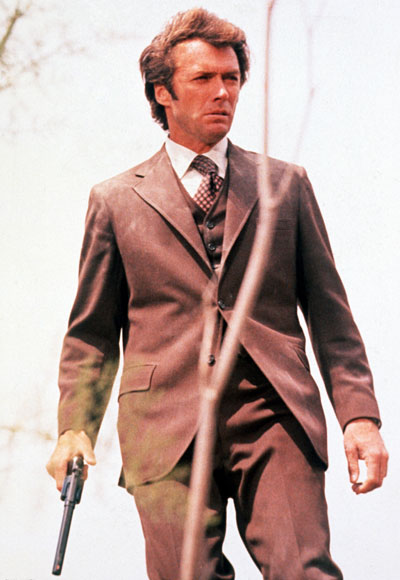
Don Siegel (1912–1991) was a director whose career had, in the words of biographer Judith M. Kass, “a historical uniqueness in terms of the Hollywood studio film.” My friend Judy emphasizes that Siegel “makes films that reflect himself,” which is ultimately what auteurism is all about.
If you are interested in reproducing images from The Museum of Modern Art web site, please visit the Image Permissions page (www.moma.org/permissions). For additional information about using content from MoMA.org, please visit About this Site (www.moma.org/site).
© Copyright 2016 The Museum of Modern Art