
A key component of curatorial work is the discovery of a new artist, the study of their continued output, and the development of a long-term, supportive relationship. Following an artist’s work over many years and investigating their growth or, in certain cases, their failure to evolve, is an essential endeavor for a curator.
Posts tagged ‘film’
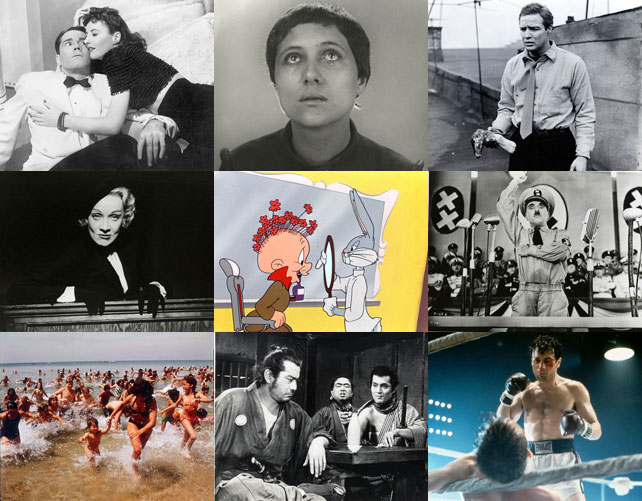
Five Years of An Auteurist History of Film

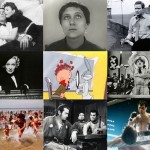
Clockwise, from top left: The Lady Eve. 1941. USA. Written and directed by Preston Sturges; The Passion of Joan of Arc. 1928. France. Directed by Carl Theodor Dreyer; On the Waterfront. 1954. USA. Directed by Elia Kazan; The Great Dictator. 1940. USA. Directed, produced, and written by Charles Chaplin; Raging Bull. 1980. USA. Directed by Martin Scorsese; Yojimbo. 1961. Japan. Directed by Akira Kurosawa; Jaws. 1975. USA. Directed by Steven Spielberg; Witness for the Prosecution. 1957. USA. Directed by Billy Wilder; Rabbit of Seville. 1950. USA. Directed by Charles M. (Chuck) Jones
Last week you may have noticed that Charles Silver’s long-running Tuesday column, An Auteurist History of Film (based around the MoMA daytime screening series of the same name), was absent. Unfortunately, the August 26 post about Woody Allen’s Manhattan marked the final installment in the series.
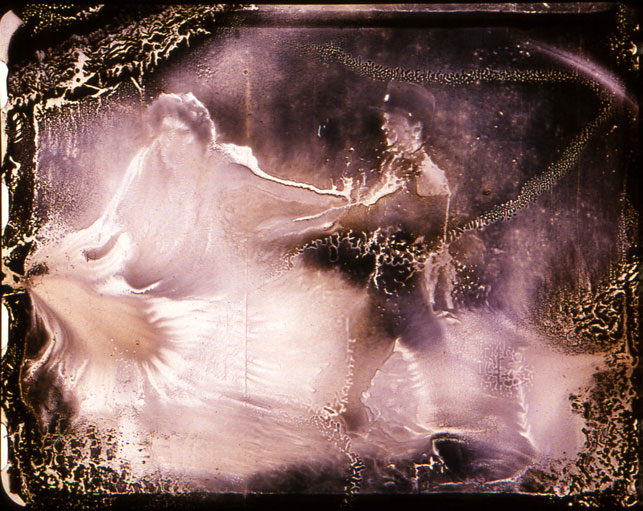
Discovering Adorable
For a number of years now I’ve been meaning to engage in a research project to learn more about the American film editor Irene Morra (1893–1978). This interest first began because we share the same last name. I don’t think we’re related, but as a wise friend once told me, trees have lots of branches!
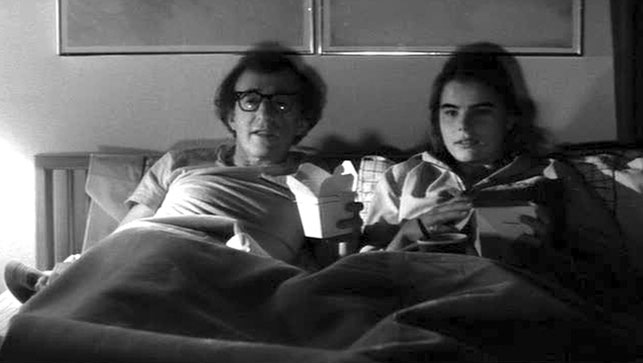
Woody Allen’s Manhattan
These notes accompany screenings of Woody Allen’s </em>Manhattan</a> on August 27, 28, and 29 in Theater 3.</p>
For me, having lived in the city for almost half a century, Woody Allen has been as vital to New York as Hendrik Hudson was. In between, there was a long string of greats, men and occasionally women with extraordinary accomplishments who walked our streets.
Lens on Tibet: An Intimate View

Embrace. 2011. China/Germany/USA. Directed by Dan Smyer Yu, Pema Tashi. Courtesy of the filmmakers and Trace Foundation
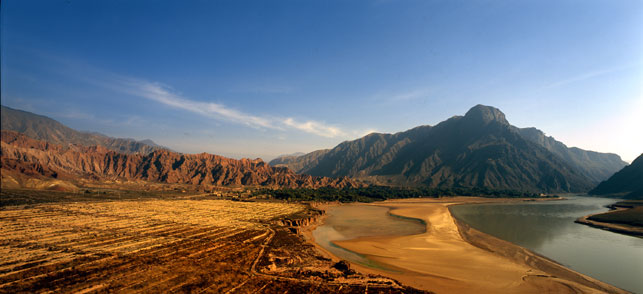
Lens on Tibet, a dedicated look at the cinema of the Tibetan Plateau from 2005 to the present, is a special presentation of MoMA’s ContemporAsian screening series that runs August 21–31. This 12-film selection of recent feature-length documentaries and dramatic narratives celebrates the emergence of the new Tibetan film culture onto the global stage.
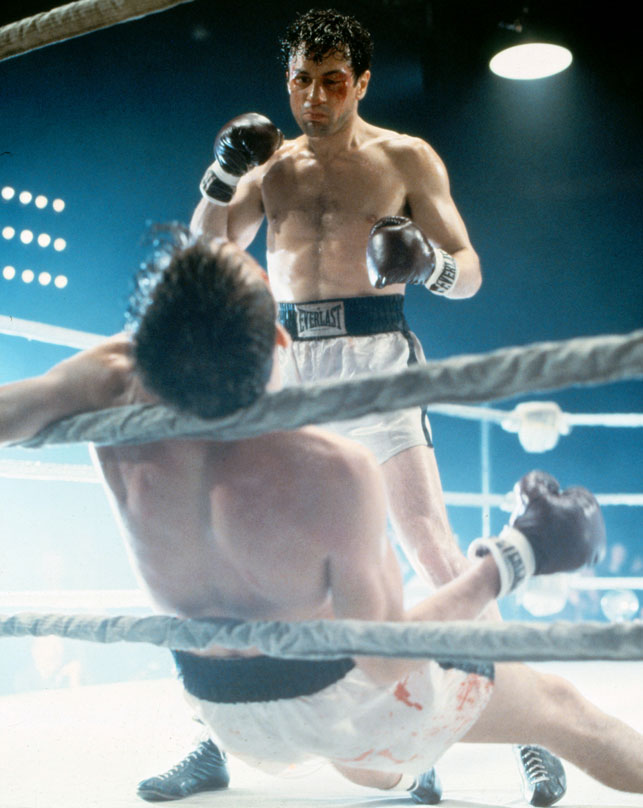
Martin Scorsese’s Raging Bull
These notes accompany screenings of Martin Scorsese’s </em>Raging Bull</a> on August 20, 21, and 22 in Theater 3.</p>
I attribute my lifetime fascination with boxing to my maternal grandfather, Louie Greenberg. Chewy Louie (as he was affectionately known for his steadfast support of the Wrigley franchise) lived upstairs from us in the house he built.
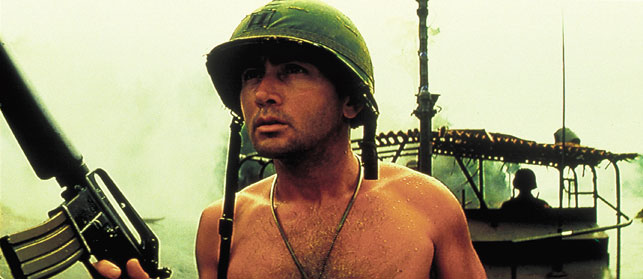
Francis Ford Coppola’s Apocalypse Now
These notes accompany screenings of Francis Ford Coppola’s </em>Apocalypse Now</a> on August 13, 14, and 15 in Theater 3.</p>
By the time of Apocalypse Now, Francis Ford Coppola, through his first two Godfather films, had become the American director most able to garner both critical acclaim and box office success. I would be loath to accuse Coppola of hubris, but the heights of his achievement led to an understandable ambition.
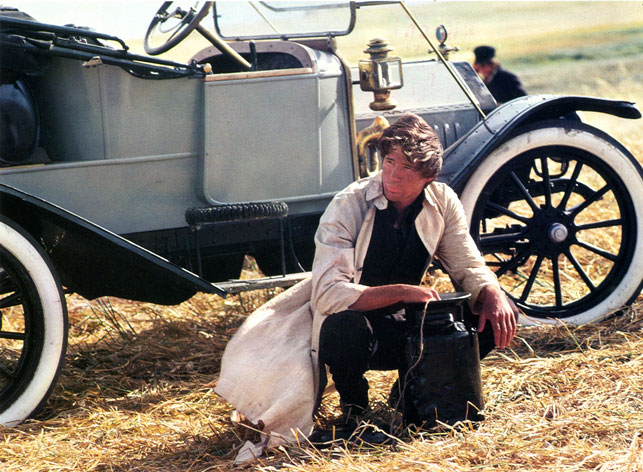
Terrence Malick’s Days of Heaven
These notes accompany screenings of Terence Malick’s </em>Days of Heaven</a> on August 6, 7, and 8 in Theater 3.</p>
Terrence Malick, now 70, was still in his twenties when his first feature, Badlands, debuted at the 1973 New York Film Festival. Days of Heaven, released five years later, was not followed by another film for two decades. It is hard to think of another significant filmmaker with that kind of gap in his output.
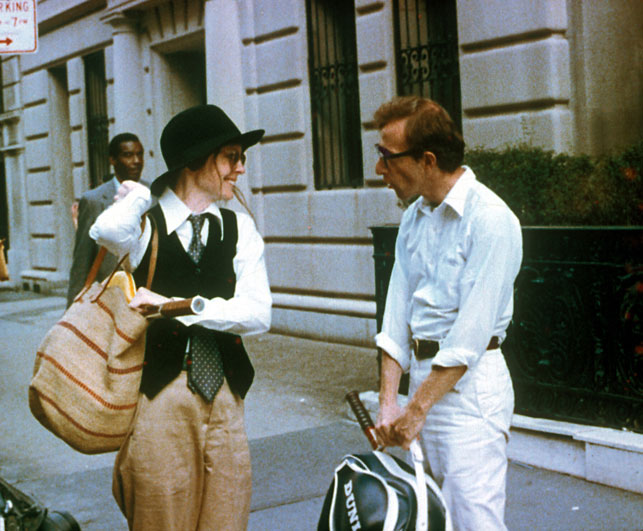
Woody Allen’s Annie Hall
Tiger Morse: Fashion Guru and Andy Warhol Star

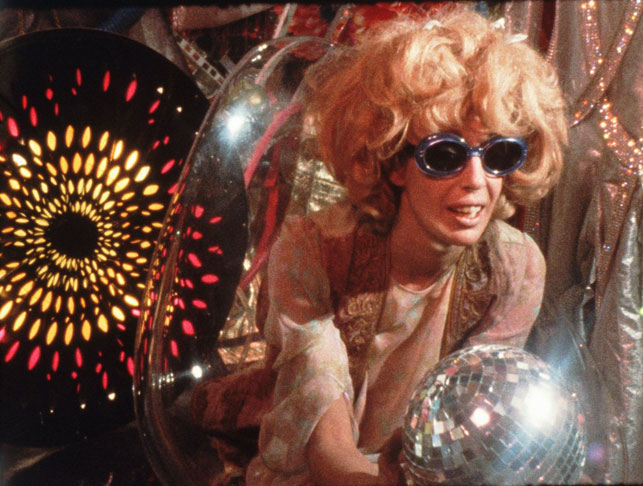
Tiger Morse (Reel 14 of ***). 1967. USA. Directed by Andy Warhol. © 2014 The Andy Warhol Museum, Pittsburgh, PA, a museum of Carnegie Institute. All rights reserved. Image courtesy of The Andy Warhol Film Project, Whitney Museum of American Art
I have a vague recollection of attending a classmate’s birthday party when I was about six or seven and in the gift bag there was a paper dress perfectly sized to fit me! The dress was neatly folded in a flat plastic package; it was a simple, A-line, sleeveless shift dress with brightly colored circles. I can’t recall the manufacturer, but the material was something like a thick, stretchy paper towel.
If you are interested in reproducing images from The Museum of Modern Art web site, please visit the Image Permissions page (www.moma.org/permissions). For additional information about using content from MoMA.org, please visit About this Site (www.moma.org/site).
© Copyright 2016 The Museum of Modern Art