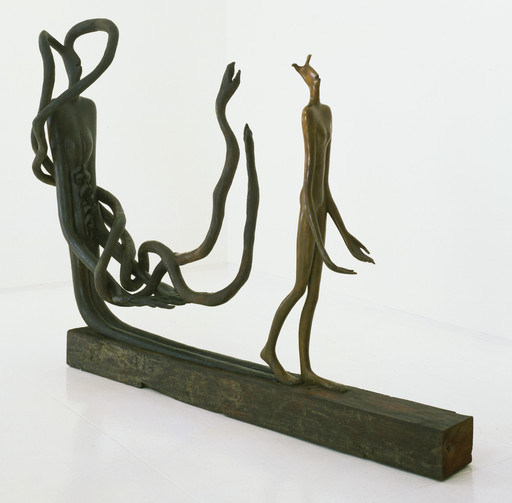
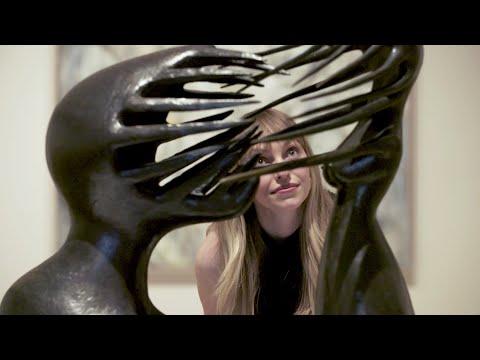
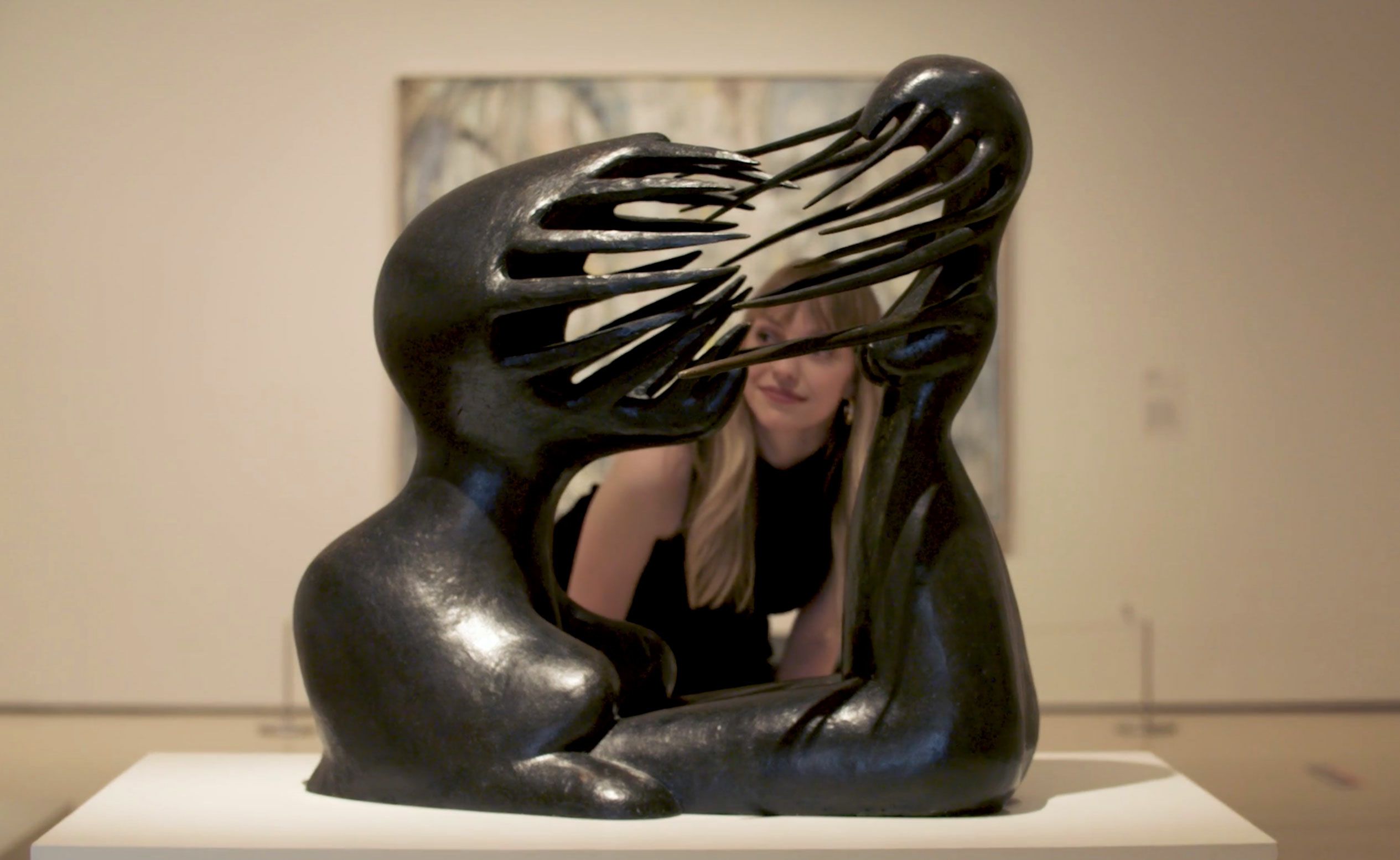
The spiky tentacles reaching toward each other in this bronze sculpture are locked in an embrace that suggests both opposition and attraction. “It is nearly impossible to make people understand each other,” Martins said, a feeling that may be the source of the interaction depicted here. Between 1944 and 1949, Martins made several versions of this sculpture in different sizes and materials, parts of a larger body of work characterized by writhing, plantlike forms.
Collection 1940s—1970s", 2019
Gallery label from Exquisite Corpses: Drawing and Disfiguration , March 14–July 9, 2012.
Their spiky tentacles reaching toward each other, the male and female forms in this bronze sculpture are locked in violent opposition. "It is nearly impossible to make people understand each other," Martins said, suggesting the source of the aggressive interaction depicted here. Between 1944 and 1949, she made several versions of this sculpture in different sizes and materials. When a plaster version was exhibited in 1946, a Time magazine reviewer said it "looked like a disagreement between two anthropomorphic snowstorms."
Exquisite Corpses: Drawing and Disfiguration, March 14–July 9, 2012.
Explore more
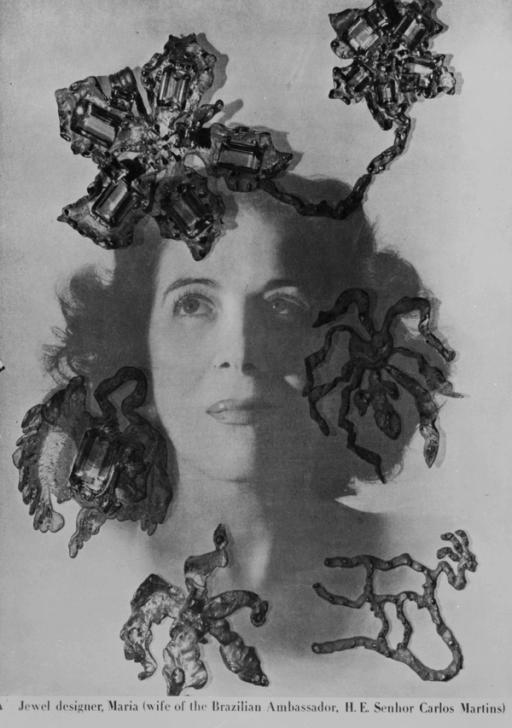
Maria Martins
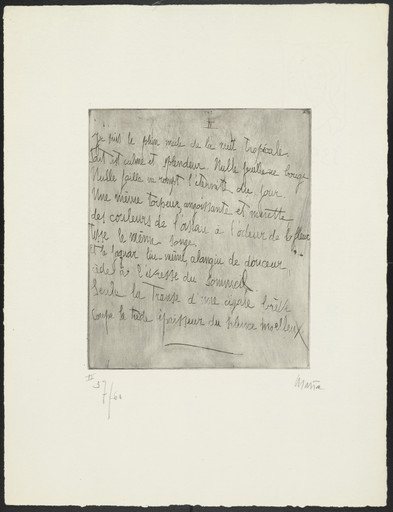
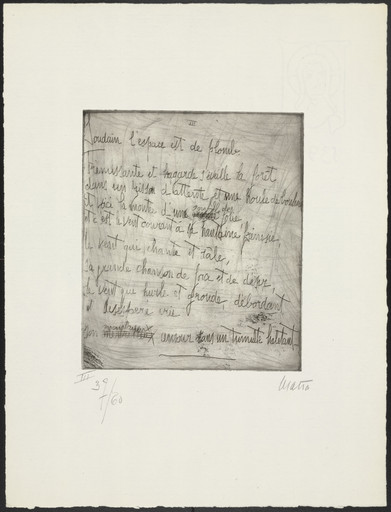
Brazilian, 1894–1973 16 works onlineMaria Martins’s visceral biomorphic sculptures explore religion, the unconscious, and Amazonian mythologies. Born and raised in Brazil, Martins first studied music before relocating to Paris as a young adult.
Learn more →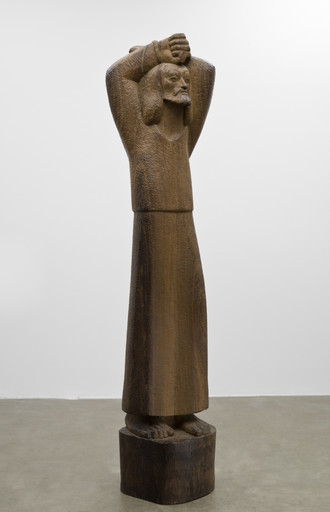
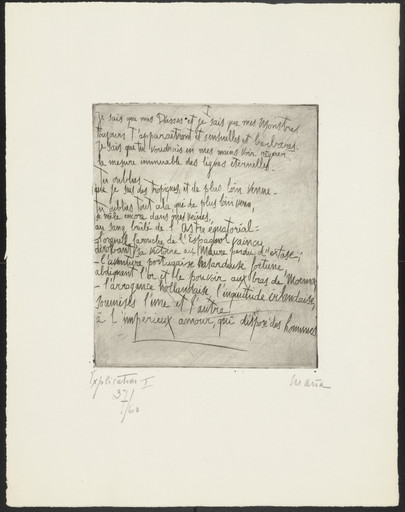
Sculpture
A three-dimensional work of art made by a variety of means, including carving wood, chiseling stone, casting or welding metal, molding clay or wax, or assembling materials.
Learn more →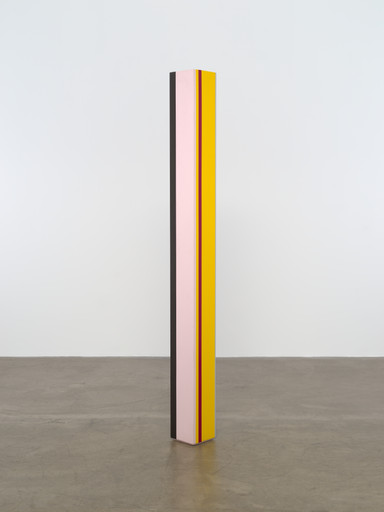
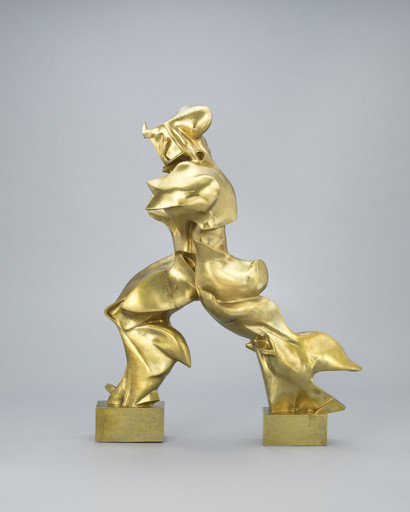
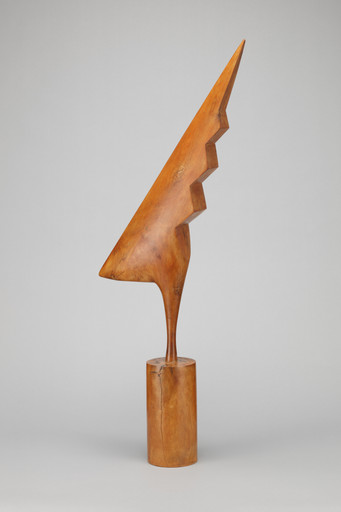
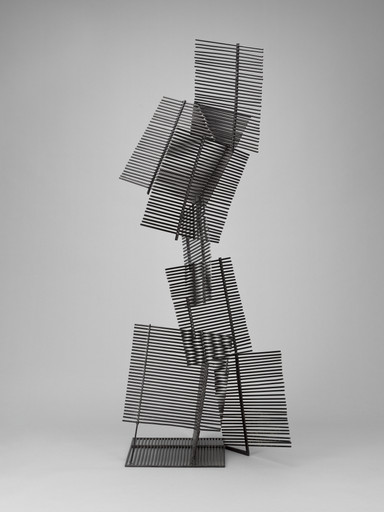
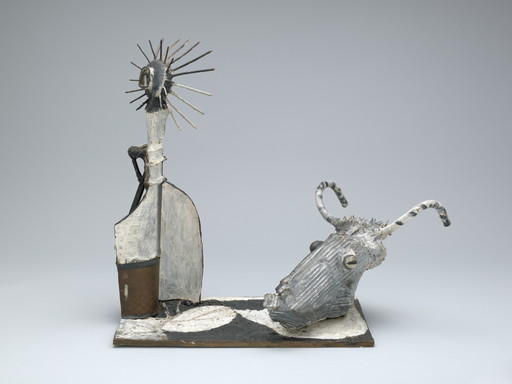
Six Sculptures
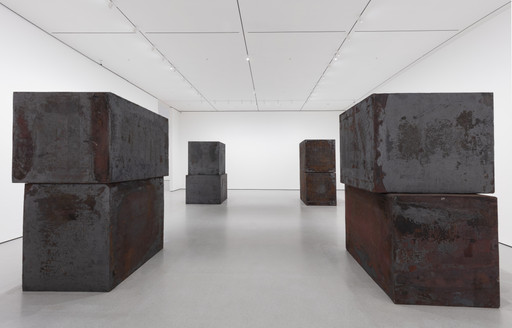
500Highlighting a small selection of works from the Museum’s collection, this gallery reflects the unfolding of new sculptural forms across the first half of the 20th century.
Learn more →

Audio
Audio from the playlist Kids
From MoMA Design Store


Installation views
We have identified this work in the following photos from our exhibition history.
Licensing
Artwork or archival images
If you would like to reproduce an image of a work of art in MoMA's collection, or an image of a MoMA publication or archival material (including installation views, checklists, and press releases), please contact Art Resource (publication in North America) or Scala Archives (publication in all other geographic locations).
Audio and film clips
MoMA licenses archival audio and select out of copyright film clips from our film collection. At this time, MoMA produced video cannot be licensed by MoMA/Scala. All requests to license archival audio or out of copyright film clips should be addressed to Scala Archives at [email protected]. Motion picture film stills cannot be licensed by MoMA/Scala. For access to motion picture film stills for research purposes, please contact the Film Study Center at [email protected]. For more information about film loans and our Circulating Film and Video Library, please visit Circulating Film and Video Library.
Text from a publication or the archives
If you would like to reproduce text from a MoMA publication, please email [email protected]. If you would like to publish text from MoMA's archival materials, please fill out this permission form and send to [email protected].
Feedback
This record is a work in progress. If you have additional information or spotted an error, please fill out this feedback form.