Not on view
Zapata líder agrario (Agrarian Leader Zapata) replicates a detail of a large-scale mural Rivera painted in 1930 in Cuernavaca, in the Mexican state of Morelos. It features the state’s revolutionary leader Emiliano Zapata, who fought to reclaim communal lands and water access from encroaching sugarcane plantations on behalf of displaced farming communities. He is depicted carrying a sugar-cutter’s machete and dressed in humble white farmworker clothing, rather than in the black charro (horseman) outfit in which he is usually pictured. Rivera emphasized Zapata’s rural origins and his battle for land reform as central to the post-revolutionary idea of Mexico.
2022
Gallery label from Diego Rivera: Murals for The Museum of Modern Art , November 13, 2011-May 14, 2012
Emiliano Zapata, a champion of agrarian reform and a key protagonist in the Mexican Revolution, here leads a band of peasant rebels armed with provisional weapons, including farming tools. With the bridle of a majestic white horse in his hand, Zapata stands triumphantly beside the dead body of a hacienda owner. Though Mexican and U.S. newspapers regularly vilified the revolutionary leader as a treacherous bandit, Rivera immortalized Zapata as a hero and glorified the victory of the Revolution in an image of violent but just vengeance.
Rivera's depiction also departs from portrayals of the rebel propagated by Zapata himself. An expert horseman, Zapata consistently presented himself as a charro, a cowboy whose flamboyant dress—tight pants and a vest with silver ornamentation—signaled an elevated class status in Mexico. Rivera’s vision of Zapata as a humble peasant offers a sympathetic portrait of a folk hero tirelessly devoted to agrarian reform.
Diego Rivera: Murals for The Museum of Modern Art, November 13, 2011-May 14, 2012
Publication excerpt from MoMA Highlights: 375 Works from The Museum of Modern Art, New York (New York: The Museum of Modern Art, 2019)
In the 1920s, after the Mexican Revolution, Rivera was among the painters who developed an art of public murals to celebrate Mexico’s indigenous culture and to teach the nation’s people about their history and the new government’s dreams for their future. Rivera had lived in Paris and knew modernist painting well. He had also visited Italy to study Renaissance frescoes, a mural form that Mexican artists and politicians recognized as a valuable medium of education and inspiration. Returning to Mexico in 1921, Rivera began a remarkable series of frescoes—paintings made on moist plaster, so that the pigments fuse with the plaster as it dries.
In 1931 MoMA hosted a major exhibition of Rivera’s work. Unable to transport his murals, the Museum instead brought the artist to New York six weeks before the show’s opening and provided him with a makeshift studio in the gallery. Agrarian Leader Zapata, one of five “portable murals” made on this occasion, replicates part of a fresco he had painted in 1930 in the Palace of Cortés, Cuernavaca. Emiliano Zapata had been a leader of the Mexican Revolution. (He was killed in 1919, a victim of the revolution’s internal struggles.) Rivera painted him wearing the local costume of the Cuernavaca region and carrying a sugarcane-cutter’s machete. Though Mexican and US newspapers regularly vilified Zapata as a treacherous bandit, Rivera immortalized him as a hero and glorified the revolution in an image of violent but just vengeance.
MoMA Highlights: 375 Works from The Museum of Modern Art, New York (New York: The Museum of Modern Art, 2019)
Explore more
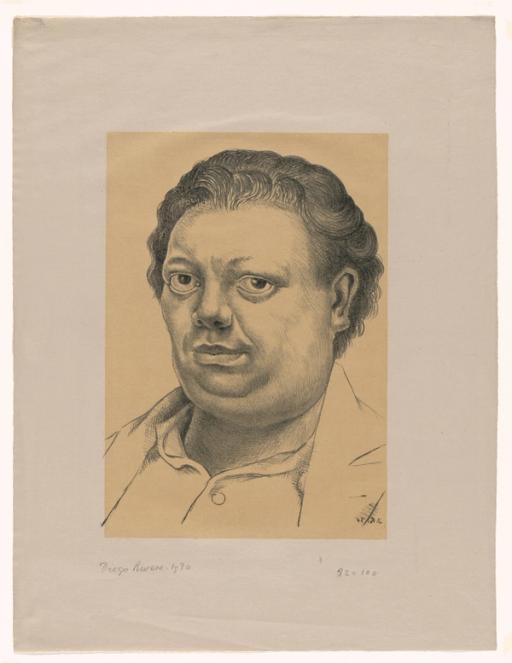
Diego Rivera
Mexican, 1886–1957 92 works onlineAt the height of his career, Diego Rivera was an international art celebrity. Trained at the Escuela Nacional de Bellas Artes in Mexico City, he spent more than a decade in Europe, becoming a leading figure in Paris’s vibrant international community of avant-garde artists.
Learn more →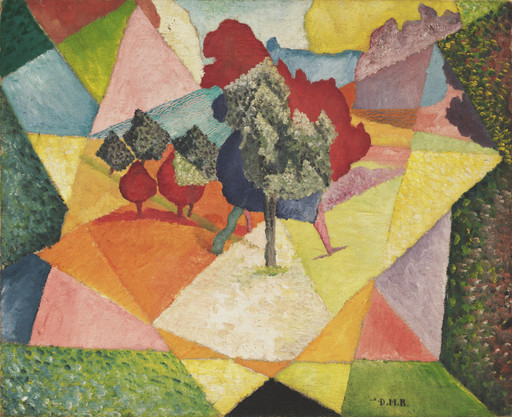
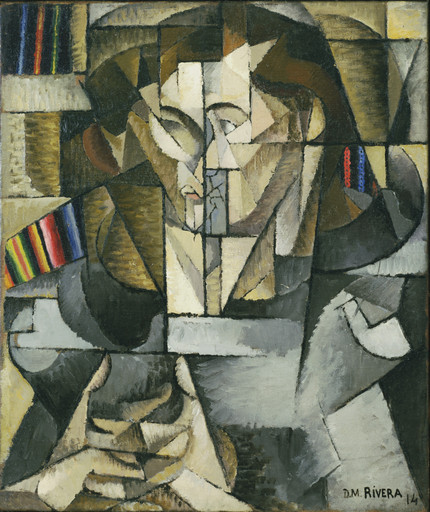
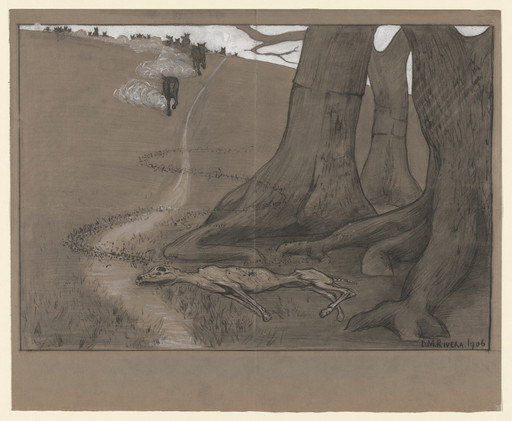

Mexican Muralism
A movement beginning in the early 1920s in Mexico in which the government commissioned artists to make art that would educate the mostly illiterate population about the country’s history and present a powerful vision of its future.
Learn more →
Mural
A large painting applied to a wall or ceiling, especially in a public space.
Learn more →
Propaganda
Any systematic, widespread dissemination or promotion of particular ideas, doctrines, practices, etc. intended to further one’s own cause or to damage an opposing one. Propaganda is often used to deceive a public or distort information.
Learn more →
Audio
Audio from the playlist Diego Rivera: Murals for The Museum of Modern Art
Audio from the playlist 1880–1950: Works from the Collection
From MoMA Design Store


Installation views
We have identified this work in the following photos from our exhibition history.
Licensing
Artwork or archival images
If you would like to reproduce an image of a work of art in MoMA's collection, or an image of a MoMA publication or archival material (including installation views, checklists, and press releases), please contact Art Resource (publication in North America) or Scala Archives (publication in all other geographic locations).
Audio and film clips
MoMA licenses archival audio and select out of copyright film clips from our film collection. At this time, MoMA produced video cannot be licensed by MoMA/Scala. All requests to license archival audio or out of copyright film clips should be addressed to Scala Archives at [email protected]. Motion picture film stills cannot be licensed by MoMA/Scala. For access to motion picture film stills for research purposes, please contact the Film Study Center at [email protected]. For more information about film loans and our Circulating Film and Video Library, please visit Circulating Film and Video Library.
Text from a publication or the archives
If you would like to reproduce text from a MoMA publication, please email [email protected]. If you would like to publish text from MoMA's archival materials, please fill out this permission form and send to [email protected].
Feedback
This record is a work in progress. If you have additional information or spotted an error, please fill out this feedback form.