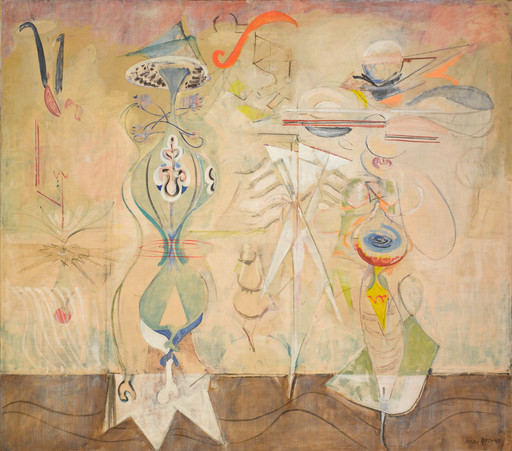
Slow Swirl at the Edge of the Sea pictures two creatures dancing between sea and sky, surrounded by arabesques, spirals, and stripes. The forms “have no direct association with any particular visible experience, but in them one recognizes the principle and passion of organisms,” Rothko said. For him art was “an adventure into an unknown world”; like the Surrealists he encountered in New York during this period, Rothko looked inward, to his own unconscious mind, for inspiration and material for his work. This painting was exhibited at Art of This Century in 1945, after which Peggy Guggenheim acquired it for her personal collection.
522: Art of This Century, 2025
Kids label from 2019
Mark Rothko called this painting Slow Swirl at the Edge of the Sea. Do you see anything in this painting that reminds of you of the seaside? Rothko painted this scene from his imagination because, for him, art was “an adventure into an unknown world.” If you were going to make a picture of an imaginary world, what would you include?
2019
Gallery label from Abstract Expressionist New York , October 3, 2010–April 25, 2011
Slow Swirl at the Edge of the Sea pictures two creatures dancing between sea and sky, surrounded by arabesques, spirals, and stripes. The forms “have no direct association with any particular visible experience, but in them one recognizes the principle and passion of organisms,” Rothko said. For him art was “an adventure into an unknown world”; like the Surrealists before him, Rothko looked inward, to his own unconscious mind, for inspiration and material for his work.
Abstract Expressionist New York, October 3, 2010–April 25, 2011
Explore more
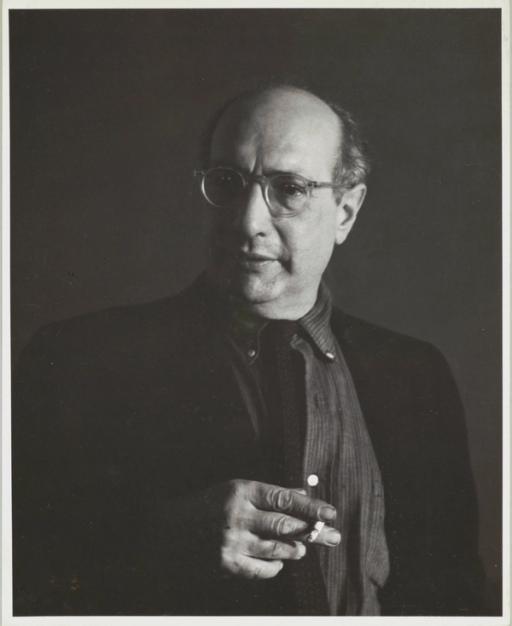
Mark Rothko
American, born Russia (now Latvia). 1903–1970 19 works onlineMark Rothko sought to make paintings that would bring people to tears.If you…are moved only by their color relationships, then you miss the point.
Learn more →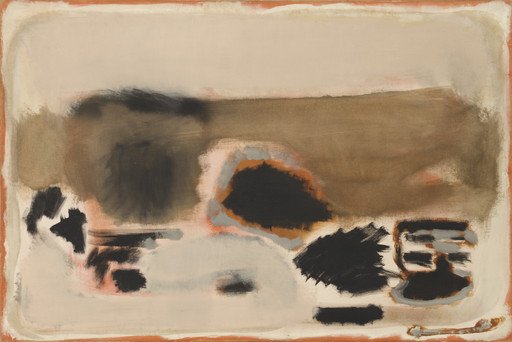


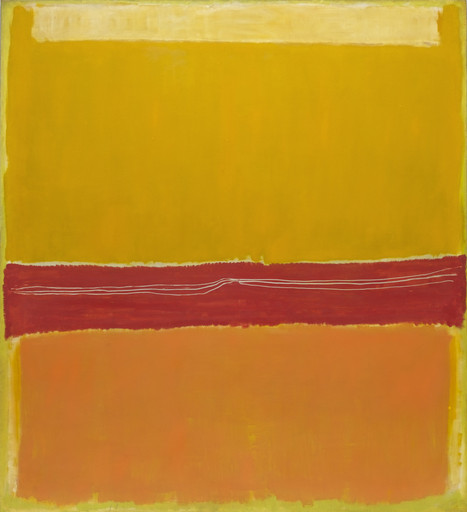
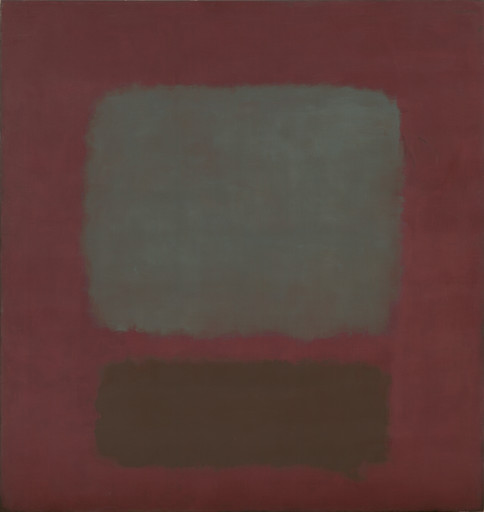
Art of This Century
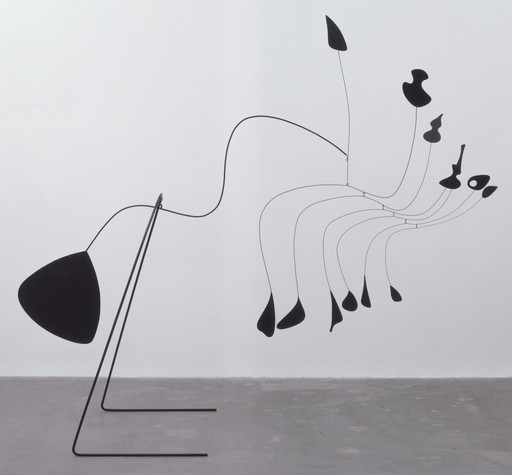
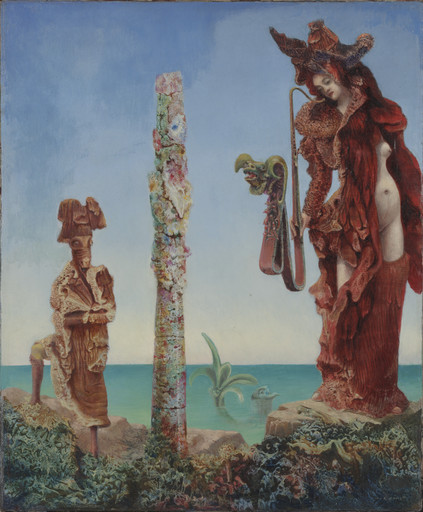
Gallery 522In the 1940s the New York City art world expanded with the arrival of European émigrés escaping World War II.
Learn more →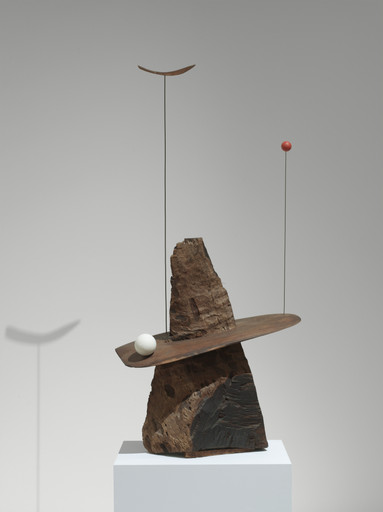
Audio
Audio from the playlist Abstract Expressionist New York
Audio from the playlist 1880–1950: Works from the Collection
From MoMA Design Store


Installation views
We have identified this work in the following photos from our exhibition history.
Licensing
Artwork or archival images
If you would like to reproduce an image of a work of art in MoMA's collection, or an image of a MoMA publication or archival material (including installation views, checklists, and press releases), please contact Art Resource (publication in North America) or Scala Archives (publication in all other geographic locations).
Audio and film clips
MoMA licenses archival audio and select out of copyright film clips from our film collection. At this time, MoMA produced video cannot be licensed by MoMA/Scala. All requests to license archival audio or out of copyright film clips should be addressed to Scala Archives at [email protected]. Motion picture film stills cannot be licensed by MoMA/Scala. For access to motion picture film stills for research purposes, please contact the Film Study Center at [email protected]. For more information about film loans and our Circulating Film and Video Library, please visit Circulating Film and Video Library.
Text from a publication or the archives
If you would like to reproduce text from a MoMA publication, please email [email protected]. If you would like to publish text from MoMA's archival materials, please fill out this permission form and send to [email protected].
Feedback
This record is a work in progress. If you have additional information or spotted an error, please fill out this feedback form.