Gelatin silver print, mounted and framed
Not on view
Kruger has appropriated a well–known passage from Michelangelo's Sistine Chapel ceiling frescoes, where the creation of man is represented through the touch of God's finger to Adam's. Combining a black–and–white reproduction of this painting with text, she draws a parallel between the Biblical creation story and that of a lauded masterpiece of Western painting. Kruger's background in graphic design is evident in the way she boldly overlays the clipped image with her aggressive text. By using the word "You," Kruger implicates us in continuing patriarchal narratives of religion and art history.
What is Painting? Contemporary Art from the Collection, July 7–September 17, 2007.
Publication excerpt from The Museum of Modern Art, MoMA Highlights since 1980 , New York: The Museum of Modern Art, 2007, p. 23.
In this striking composition, Kruger uses Michelangelo’s masterful rendering of the creation of man in the Sistine Chapel as a backdrop for her razor–sharp text. Kruger constructs a parallel between the biblical creation story, represented by the delicate touch of God's finger to Adam's, and that of a masterpiece of Western art. She expertly contrasts the strident, direct address of the text with the soft luminosity and heavenly focus of Michelangelo’s fresco. The potent intersection of text and imagery suggests that art is a secularized religion that can be bought and sold, provided we believe in its immortality. By using the pronoun "you," Kruger implicates us within the system that peddles faith in the artist.
"I had to figure out how to bring the world into my art," Kruger has said. Adopting the language of advertising and graphic design (her former profession), she came to prominence in the 1980s, a period defined by rampant consumerism in the United States, distilling images and words into compelling missives in which visual culture is never distant from the political, sexual, and economic structures that inform our lives. Kruger's projects have been displayed on billboards, buses, and bus stops and as posters, large-scale murals, and architectural commissions.
The Museum of Modern Art, MoMA Highlights since 1980, New York: The Museum of Modern Art, 2007, p. 23.
Explore more
Barbara Kruger
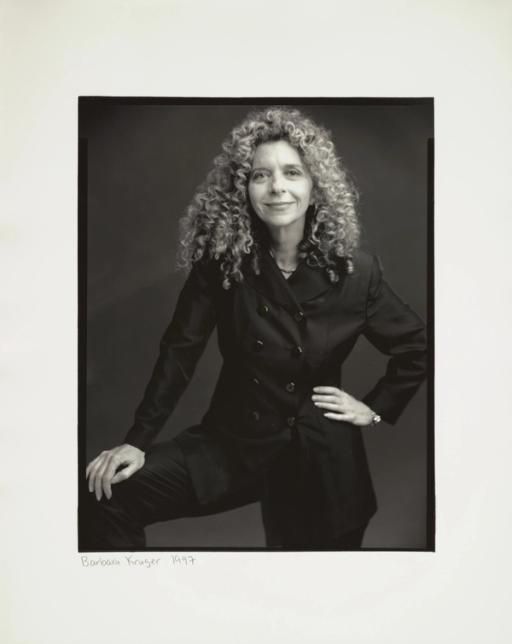
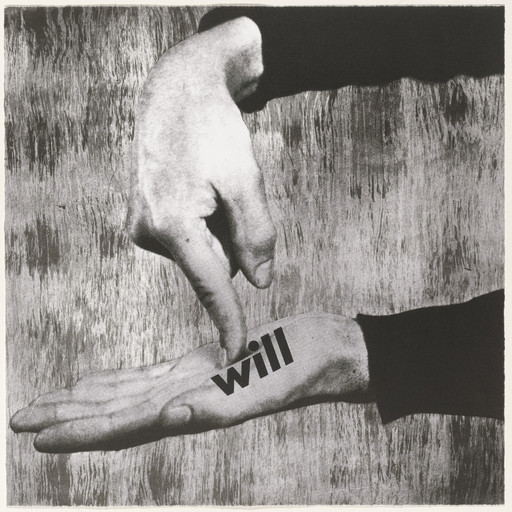
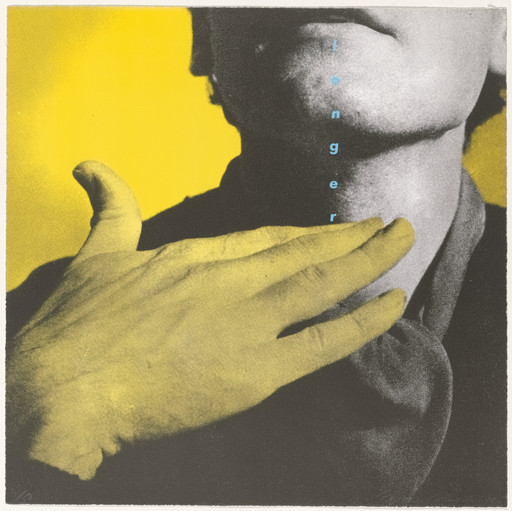
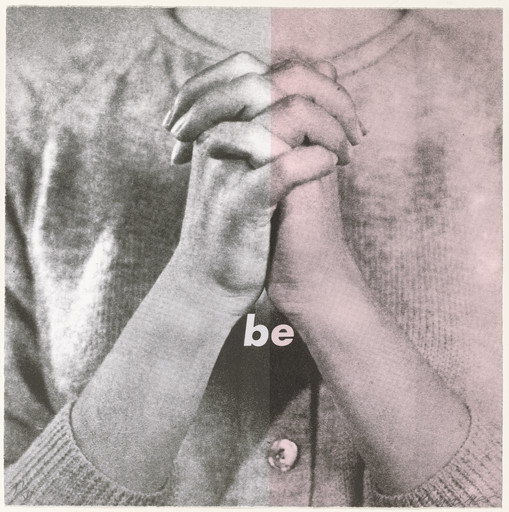
American, born 1945 42 works onlineBarbara Kruger’s work speaks directly to us. Using pronouns like “I,” “You,” and “We” and bold declarative statements, Kruger’s work prompts us to question what we see and hear in mainstream media, and to contemplate how these messages shape our identities and society.
Learn more →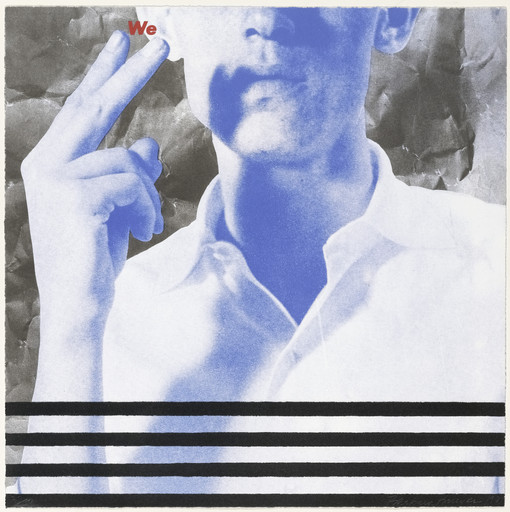
Pictures Generation
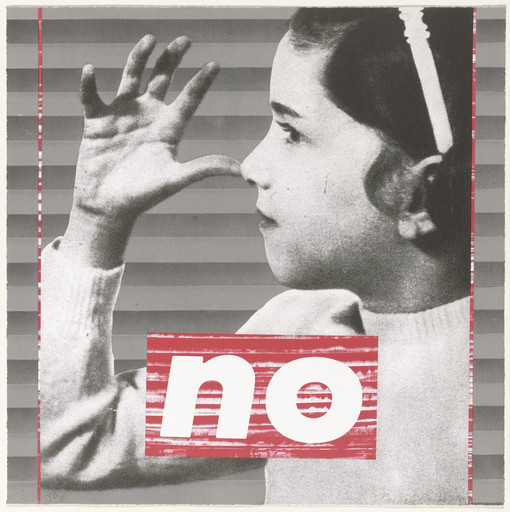
This was an unofficial group of artists who emerged in the late 1970s and early 1980s in New York City.
Learn more →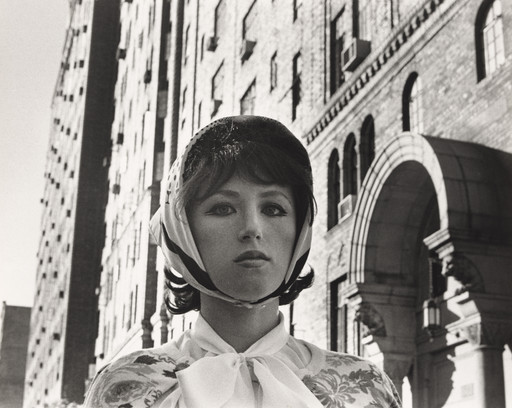


From MoMA Design Store


Installation views
We have identified this work in the following photos from our exhibition history.
Licensing
Artwork or archival images
If you would like to reproduce an image of a work of art in MoMA's collection, or an image of a MoMA publication or archival material (including installation views, checklists, and press releases), please contact Art Resource (publication in North America) or Scala Archives (publication in all other geographic locations).
Audio and film clips
MoMA licenses archival audio and select out of copyright film clips from our film collection. At this time, MoMA produced video cannot be licensed by MoMA/Scala. All requests to license archival audio or out of copyright film clips should be addressed to Scala Archives at [email protected]. Motion picture film stills cannot be licensed by MoMA/Scala. For access to motion picture film stills for research purposes, please contact the Film Study Center at [email protected]. For more information about film loans and our Circulating Film and Video Library, please visit Circulating Film and Video Library.
Text from a publication or the archives
If you would like to reproduce text from a MoMA publication, please email [email protected]. If you would like to publish text from MoMA's archival materials, please fill out this permission form and send to [email protected].
Feedback
This record is a work in progress. If you have additional information or spotted an error, please fill out this feedback form.