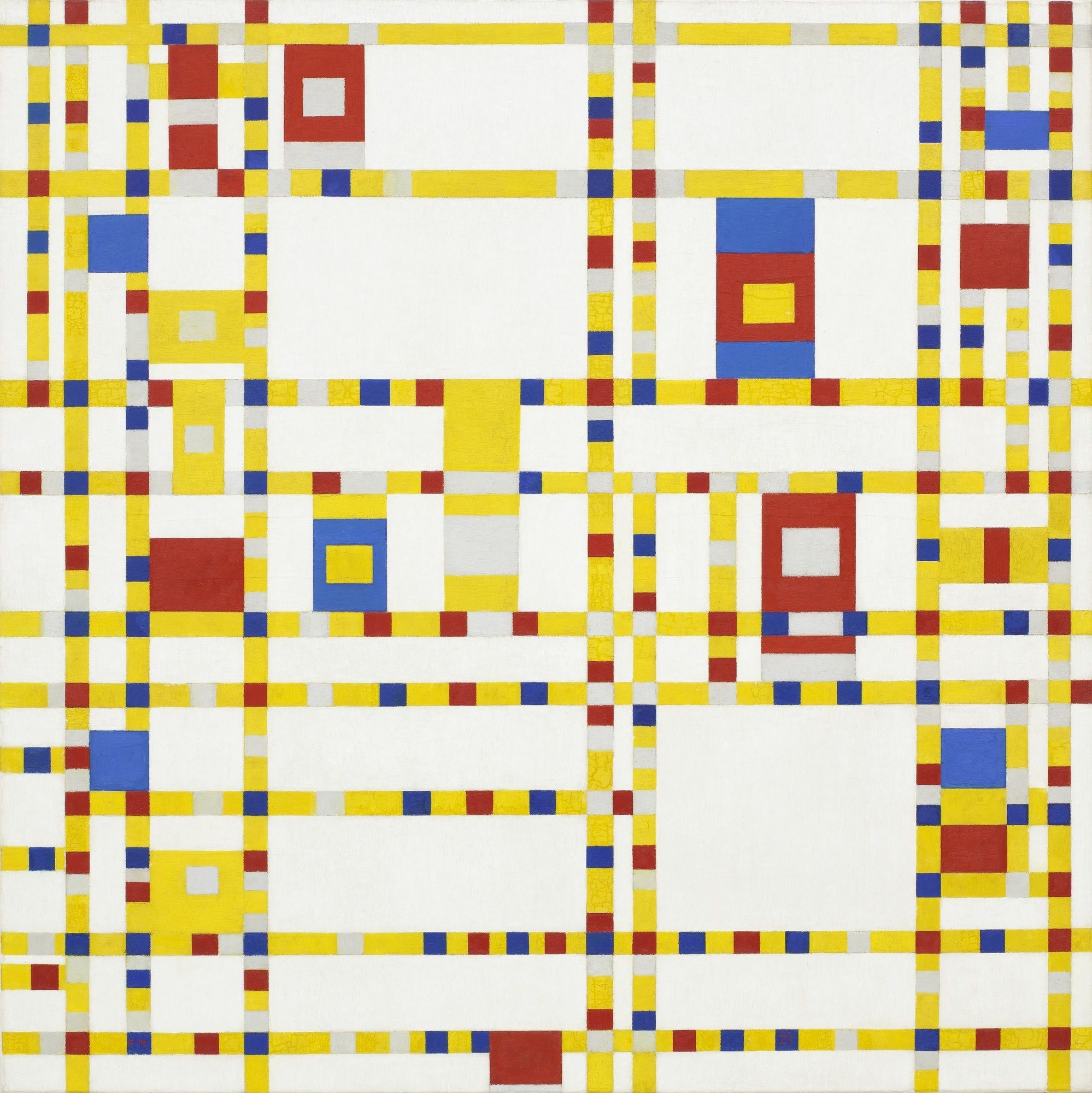
Mondrian arrived in New York in 1940, one of the many European artists who moved to the United States to escape World War II. He immediately fell in love with the city and with boogie-woogie music, to which he was introduced on his first evening in New York. Soon he began, as he said, to put a little boogie-woogie into his paintings.
Mondrian’s aesthetic doctrine of Neo-Plasticism restricted the painter to the most basic kinds of line—that is, to straight horizontals and verticals—and to a similarly limited color range, the primary triad of red, yellow, and blue plus white, black, and the grays in between. But Broadway Boogie Woogie omits black and breaks Mondrian’s once uniform bars of color into multicolored segments. Bouncing against each other, these tiny, blinking blocks of color create a vital and pulsing rhythm, an optical vibration that jumps from intersection to intersection like traffic on the streets of New York. At the same time, the picture is carefully calibrated, its colors interspersed with gray and white blocks.
Mondrian’s appreciation of boogie-woogie may have sprung partly from the fact that he saw its goals as analogous to his own: “destruction of melody which is the destruction of natural appearance; and construction through the continuous opposition of pure means—dynamic rhythm.”
MoMA Highlights: 375 Works from The Museum of Modern Art, New York (New York: The Museum of Modern Art, 2019)
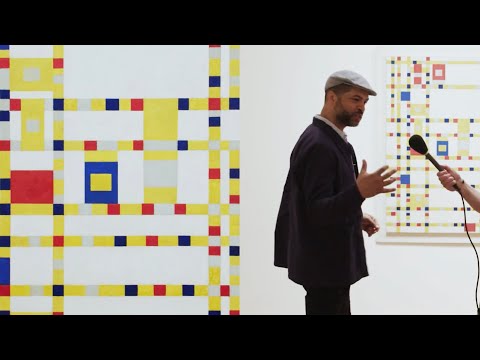
Gallery label from Artist’s Choice: Arthur Jafa—Less Is Morbid , November 19, 2025–July 5, 2026
Mondrian fled Nazi Germany in 1941 with the help of the art historians Alfred and Margaret Barr, MoMA’s first director and his wife. The night Mondrian arrived in New York, the Barrs introduced him to Boogie Woogie music, a form of syncopated jazz characterized by piano playing with repetitive bass patterns on the left hand and improvisational melodies on the right hand.
Artist’s Choice: Arthur Jafa—Less Is Morbid, November 19, 2025–July 5, 2026
Explore more
Piet Mondrian
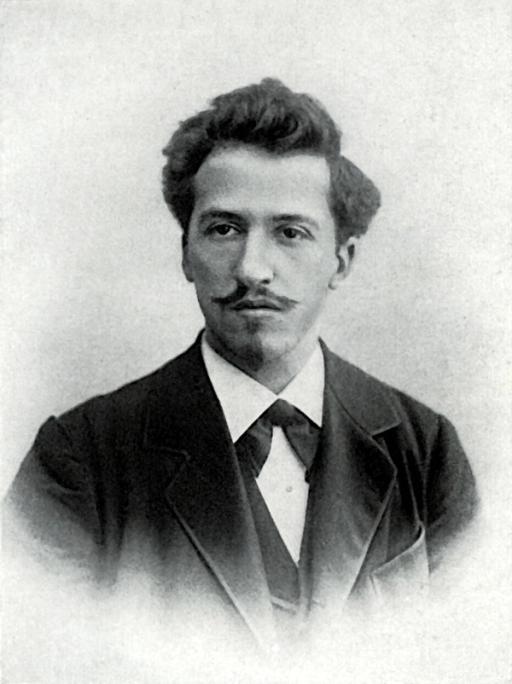
Dutch, 1872–1944 30 works onlineFor Piet Mondrian, abstract painting was the means of achieving an equilibrium between the “concrete” (the tangible and specific aspects of reality perceived by the senses) and the “universal” (the underlying, essential truths that he believed were constant and unchanging).
Learn more →


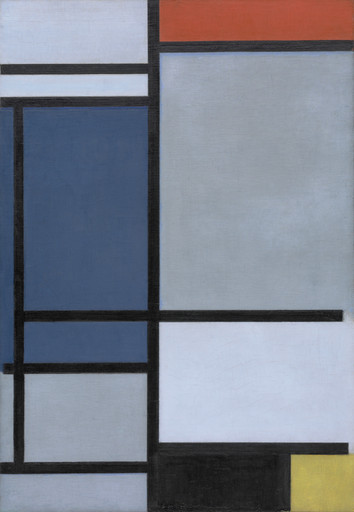
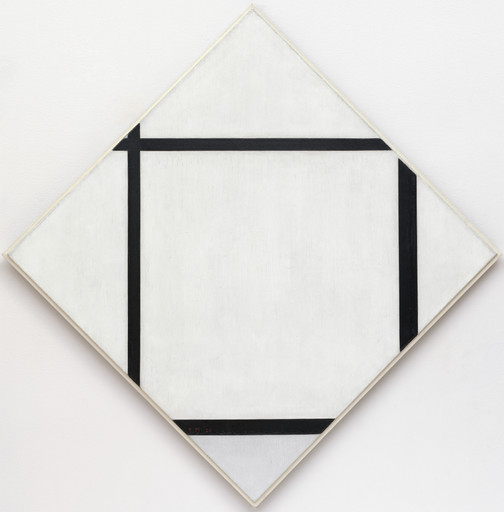
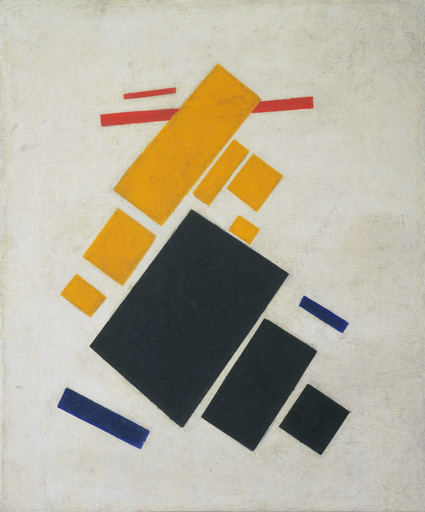

Primary and secondary colors
A primary color is one that cannot be made from a combination of any other colors. The primary colors are red, yellow, and blue. A secondary color is made by combining two primary colors.
Learn more →
From MoMA Design Store


Installation views
We have identified this work in the following photos from our exhibition history.
Provenance Research Project
This work is included in the Provenance Research Project, which investigates the ownership history of works in MoMA's collection.
1942-43, Piet Mondrian, New York
1943, The Museum of Modern Art, New York, purchased from/through Valentine Gallery (Valentine Dudensing), New York, with funds provided by an anonymous donor
Provenance research is a work in progress, and is frequently updated with new information. If you have any questions or information to provide about the listed works, please email [email protected] or write to:
Provenance Research Project
The Museum of Modern Art
11 West 53 Street
New York, NY 10019
Licensing
Artwork or archival images
If you would like to reproduce an image of a work of art in MoMA's collection, or an image of a MoMA publication or archival material (including installation views, checklists, and press releases), please contact Art Resource (publication in North America) or Scala Archives (publication in all other geographic locations).
Audio and film clips
MoMA licenses archival audio and select out of copyright film clips from our film collection. At this time, MoMA produced video cannot be licensed by MoMA/Scala. All requests to license archival audio or out of copyright film clips should be addressed to Scala Archives at [email protected]. Motion picture film stills cannot be licensed by MoMA/Scala. For access to motion picture film stills for research purposes, please contact the Film Study Center at [email protected]. For more information about film loans and our Circulating Film and Video Library, please visit Circulating Film and Video Library.
Text from a publication or the archives
If you would like to reproduce text from a MoMA publication, please email [email protected]. If you would like to publish text from MoMA's archival materials, please fill out this permission form and send to [email protected].
Feedback
This record is a work in progress. If you have additional information or spotted an error, please fill out this feedback form.