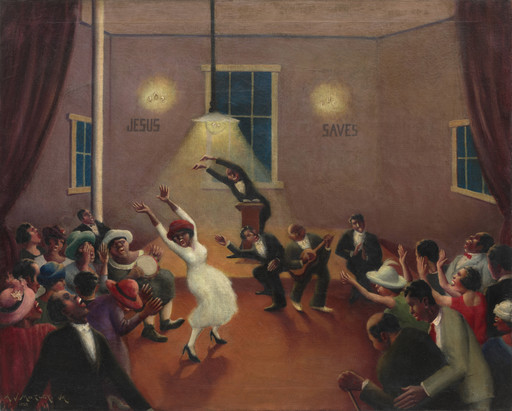
“I have always wanted to paint my people just the way they were,” Motley once stated. Born in New Orleans, the artist grew up in Chicago, where he studied at the School of the Art Institute. After graduating, he devoted his career to depicting primarily Black subjects, first as an accomplished portraitist and later as a painter of boisterous scenes chronicling segregated African American life in Chicago. In Tongues (Holy Rollers), purplish-brown curtains open to reveal a dramatically lit nighttime gathering at a Pentecostal church. The rapt central figure in white with outstretched arms may reference Elder Lucy Smith, a famous Chicago faith healer.
521: American Idioms, 2025
Kids label from 2025
Look at the people’s poses in this scene.
Archibald John Motley Jr. was a Black American painter. He usually painted Black people spending time together in different spaces. In this painting, people are praying and singing at church. Based on what you see, how do you think they feel? Share your ideas with the person next to you.
Where in your community do you and your neighbors come together?
2025
Gallery label from 2022
Motley, who had his first solo show in New York, in 1928, was primarily known for his exuberant scenes chronicling Bronzeville, a segregated Black neighborhood in his hometown of Chicago. In Tongues (Holy Rollers), purplish-brown curtains open to reveal a dramatically lit nighttime gathering at a Pentecostal church. The rapt central figure in white with outstretched arms could be a reference to Elder Lucy Smith, a famous Chicago faith healer. Pentecostal churches had become increasingly common in northern cities beginning in the late 1910s, when migrating Black southerners brought their worship practices with them.
2022
Explore more
South Side Community Arts Center
Established in 1940, the South Side Community Art Center (SSCAC) emerged from the organizing of Black artists in Chicago beginning as early as 1932.
Learn more →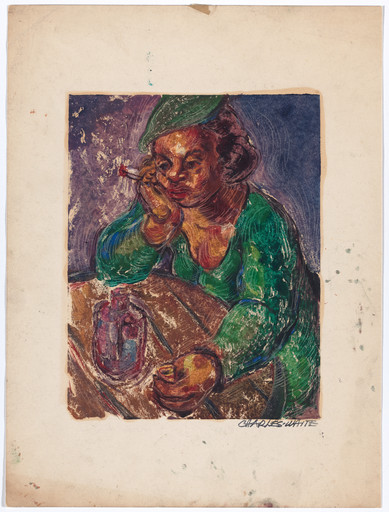
American Idioms
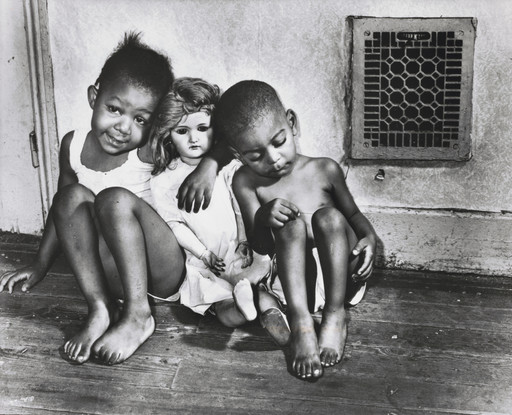
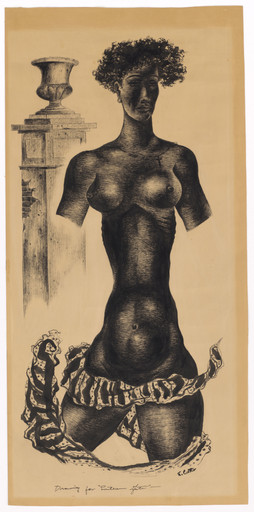
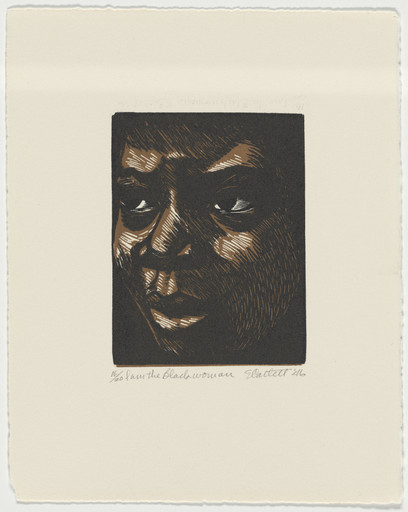
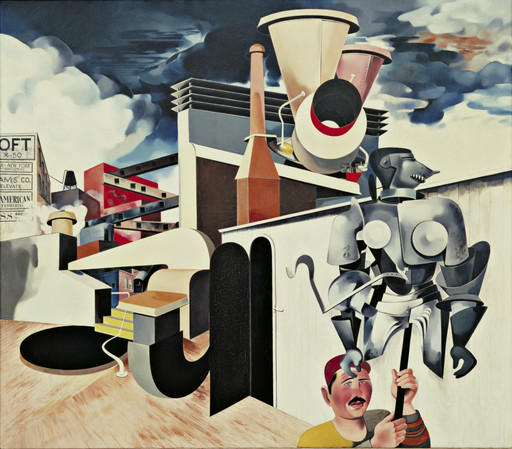
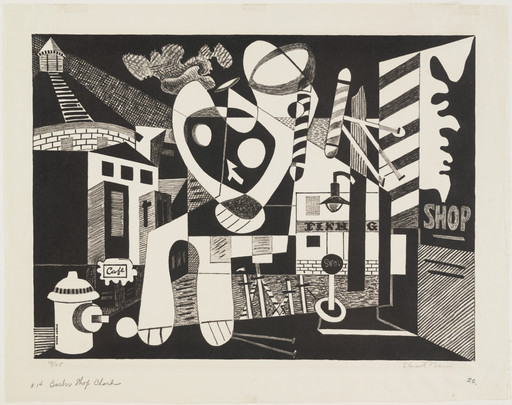
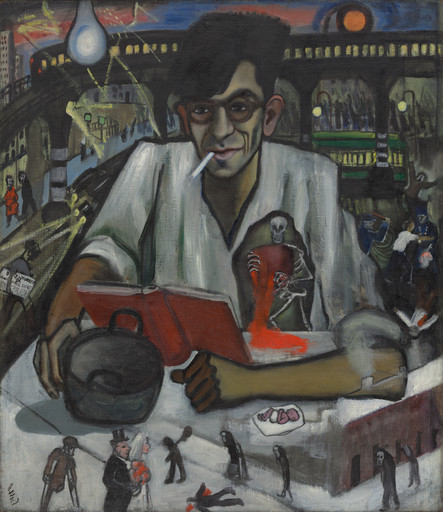
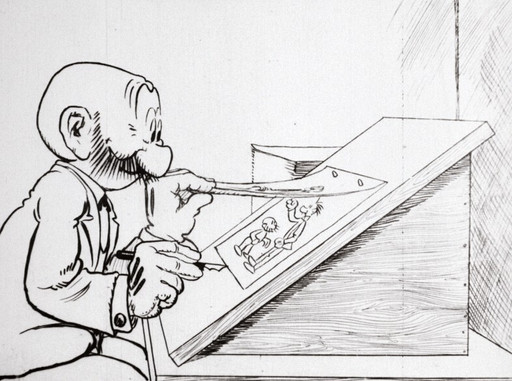
Gallery 521From the Great Depression through World War II, the United States experienced a period of turbulence and transformation. Informed by shifting social and economic dynamics at home and abroad, artists developed unique approaches to narrative art in diverse styles and mediums.
Learn more →

Audio
Audio from the playlist Identity
Audio from the playlist 1880–1950: Works from the Collection
From MoMA Design Store


Licensing
Artwork or archival images
If you would like to reproduce an image of a work of art in MoMA's collection, or an image of a MoMA publication or archival material (including installation views, checklists, and press releases), please contact Art Resource (publication in North America) or Scala Archives (publication in all other geographic locations).
Audio and film clips
MoMA licenses archival audio and select out of copyright film clips from our film collection. At this time, MoMA produced video cannot be licensed by MoMA/Scala. All requests to license archival audio or out of copyright film clips should be addressed to Scala Archives at [email protected]. Motion picture film stills cannot be licensed by MoMA/Scala. For access to motion picture film stills for research purposes, please contact the Film Study Center at [email protected]. For more information about film loans and our Circulating Film and Video Library, please visit Circulating Film and Video Library.
Text from a publication or the archives
If you would like to reproduce text from a MoMA publication, please email [email protected]. If you would like to publish text from MoMA's archival materials, please fill out this permission form and send to [email protected].
Feedback
This record is a work in progress. If you have additional information or spotted an error, please fill out this feedback form.