Carl Otto Czeschka
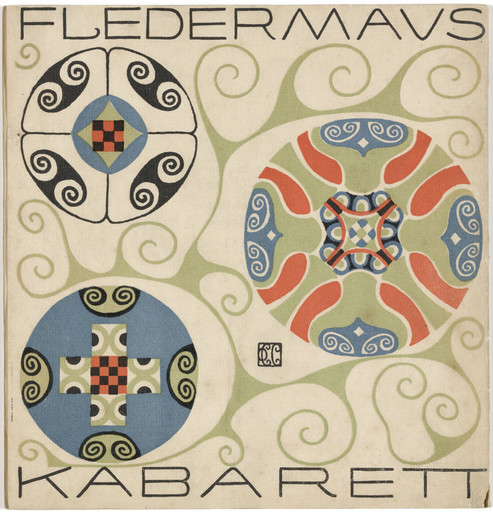
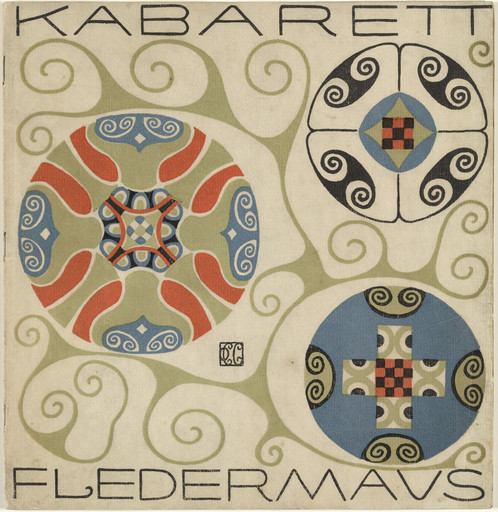
Front cover from the First Theater Program of Kabarett Fledermaus (Cabaret Fledermaus)
1907
Not on view
This program documents the mix of avant-garde music, theater and poetry on offer at this fashionable nightspot. The venue, opened in 1907, operated under the auspices of the Wiener Werkstätte, a cooperative of avant-garde architects, artists, and designers. The combined role of music and design in this venture exemplified the idea of the Gesamtkunstwerk or total work of art in that the same aesthetic principles were applied to the programming and venue as to the design of the program.
Making Music Modern: Design for Ear and Eye, November 15, 2014–January 17, 2016.
Publication excerpt from Heather Hess, German Expressionist Digital Archive Project , German Expressionism: Works from the Collection. 2011.
The program for the first season of the Cabaret Fledermaus in Vienna provides a permanent record of the nightclub's ephemeral entertainments. In October 1907, the Wiener Werkstätte, a cooperative of architects, artists, and designers as well as the preeminent producer of luxury goods and furnishings in the city, opened the nightspot and performing arts space. It was created to dispel boredom with doses of avant-garde theater and poetry readings taken with the latest cocktail creations. As recorded in the program, this mix of high and low culture included a shadow play by the young Expressionist Oskar Kokoschka, music and dance performances, and a parody of a mythological love story.
Designed by Carl Otto Czeschka, this program exemplifies the then-current idea of the Gesamtkunstwerk, or total work of art, in which all components, no matter how humble or disposable, follow the same aesthetic idea. The book's square format, Vienna's favorite symbol of modernity, mirrored the dominant decorative motif throughout the cabaret, while Czeschka's playful marginal decorations suggested the increasingly ornamental style that took hold at the Werkstätte at this time. The flat, stylized patterning of the four illustrations contributed by Oskar Kokoschka, Berthold Löffler, and Fritz Zeymer show the widespread influence of folk sources and the rejection of traditional academic standards in modern Viennese art.
Heather Hess, German Expressionist Digital Archive Project, German Expressionism: Works from the Collection. 2011.
Explore more
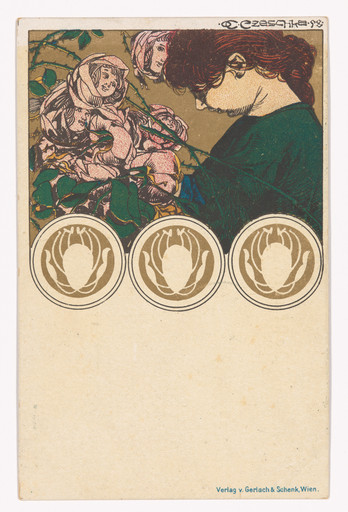
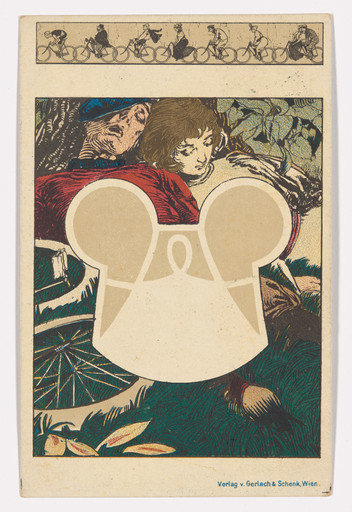
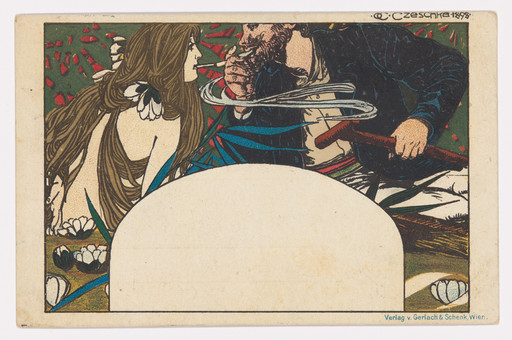


From MoMA Design Store


Installation views
We have identified this work in the following photos from our exhibition history.
Licensing
Artwork or archival images
If you would like to reproduce an image of a work of art in MoMA's collection, or an image of a MoMA publication or archival material (including installation views, checklists, and press releases), please contact Art Resource (publication in North America) or Scala Archives (publication in all other geographic locations).
Audio and film clips
MoMA licenses archival audio and select out of copyright film clips from our film collection. At this time, MoMA produced video cannot be licensed by MoMA/Scala. All requests to license archival audio or out of copyright film clips should be addressed to Scala Archives at [email protected]. Motion picture film stills cannot be licensed by MoMA/Scala. For access to motion picture film stills for research purposes, please contact the Film Study Center at [email protected]. For more information about film loans and our Circulating Film and Video Library, please visit Circulating Film and Video Library.
Text from a publication or the archives
If you would like to reproduce text from a MoMA publication, please email [email protected]. If you would like to publish text from MoMA's archival materials, please fill out this permission form and send to [email protected].
Feedback
This record is a work in progress. If you have additional information or spotted an error, please fill out this feedback form.