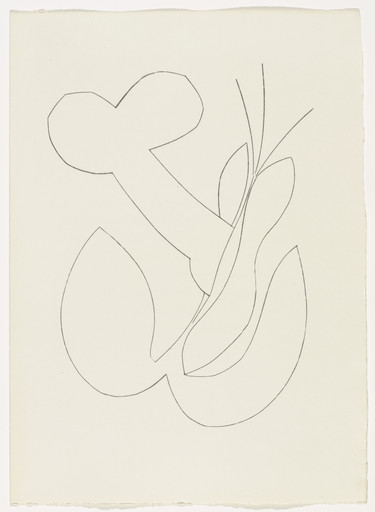
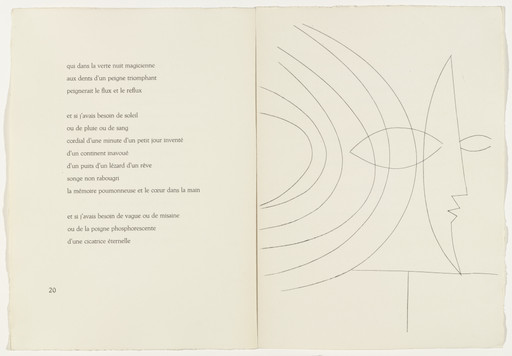
Aquatint from an illustrated book with twenty engravings, ten aquatints (one with drypoint), one drypoint, and one etching (including wrapper front)
Césaire first met Picasso in August 1948 at the World Congress of Intellectuals for Peace in Wrocław, Poland, a year after Présence Africaine’s debut. Picasso had already appeared in a text about African art and Cubism in its third issue that summer. His engagement with the Présence Africaine circle, however, deepened after meeting Césaire, who was a close interlocutor of the journal’s founder, the Senegalese writer Alioune Diop. Césaire and Picasso’s collaboration for Corps perdu reveals a principle laid out in the journal’s inaugural editorial: to find in Africa “a vision of existence not lacking in originality.”
520: Présence Africaine, 2025
Gallery label from Printin' , February 15-May 14, 2012.
Picasso and poet Aimé Césaire (1913-2008) met in 1948 at the Communist-led World Congress of Intellectuals for Peace, in Wroclaw, Poland. Césaire had been the figurehead of the 1930s Negritude movement in France, a group of writers who hoped to foster a sense of shared heritage throughout the African diaspora, reasserting their identities in opposition to Western colonial perspectives. Both Picasso and Césaire challenged and renewed the conventions of their respective mediums, and, in addition to their interest in Communist politics and African art, they shared Surrealism's interest in dreams, the power of the unconscious mind, and the irrational and fantastic. Césaire's text explores society's brutal positing of the black man as half-human, half-beast, while Picasso's illustrations fuse male and female sexual organs with plant-inspired forms.
Printin', February 15-May 14, 2012.
Explore more
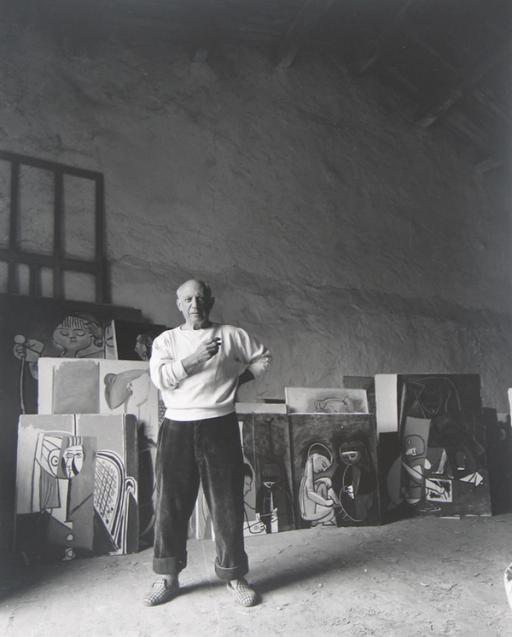
Pablo Picasso
Spanish, 1881–1973 1251 works onlineWith these words, Picasso shed light on two central principles of his artistic production over nearly 80 years: his openness to a diverse range of styles, subject matters, and mediums, and his resistance to the notion that change in art necessarily corresponds to improvement or progress.
Learn more →
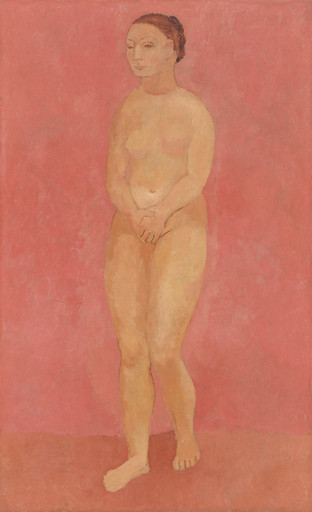
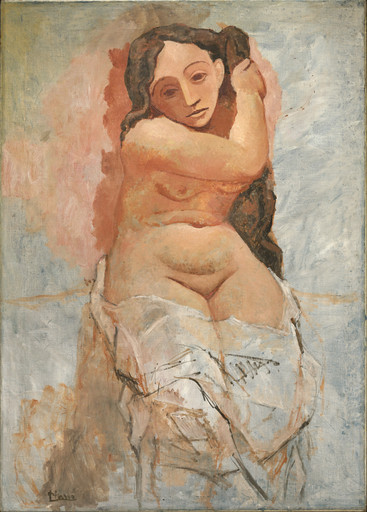
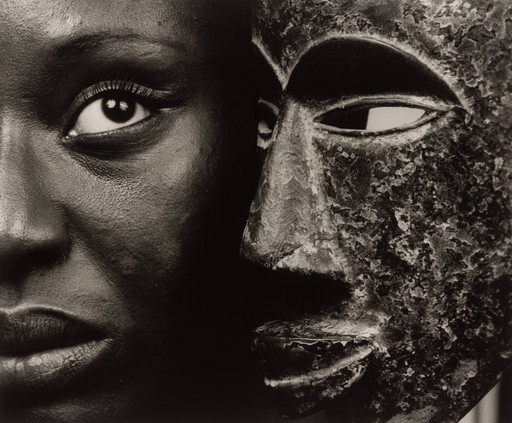
Présence Africaine
Gallery 520In the 1930s and 1940s, Paris was a mecca for Black artists, writers, musicians, and intellectuals from around the world.
Learn more →
From MoMA Design Store


Licensing
Artwork or archival images
If you would like to reproduce an image of a work of art in MoMA's collection, or an image of a MoMA publication or archival material (including installation views, checklists, and press releases), please contact Art Resource (publication in North America) or Scala Archives (publication in all other geographic locations).
Audio and film clips
MoMA licenses archival audio and select out of copyright film clips from our film collection. At this time, MoMA produced video cannot be licensed by MoMA/Scala. All requests to license archival audio or out of copyright film clips should be addressed to Scala Archives at [email protected]. Motion picture film stills cannot be licensed by MoMA/Scala. For access to motion picture film stills for research purposes, please contact the Film Study Center at [email protected]. For more information about film loans and our Circulating Film and Video Library, please visit Circulating Film and Video Library.
Text from a publication or the archives
If you would like to reproduce text from a MoMA publication, please email [email protected]. If you would like to publish text from MoMA's archival materials, please fill out this permission form and send to [email protected].
Feedback
This record is a work in progress. If you have additional information or spotted an error, please fill out this feedback form.