Year in Review 2024–25
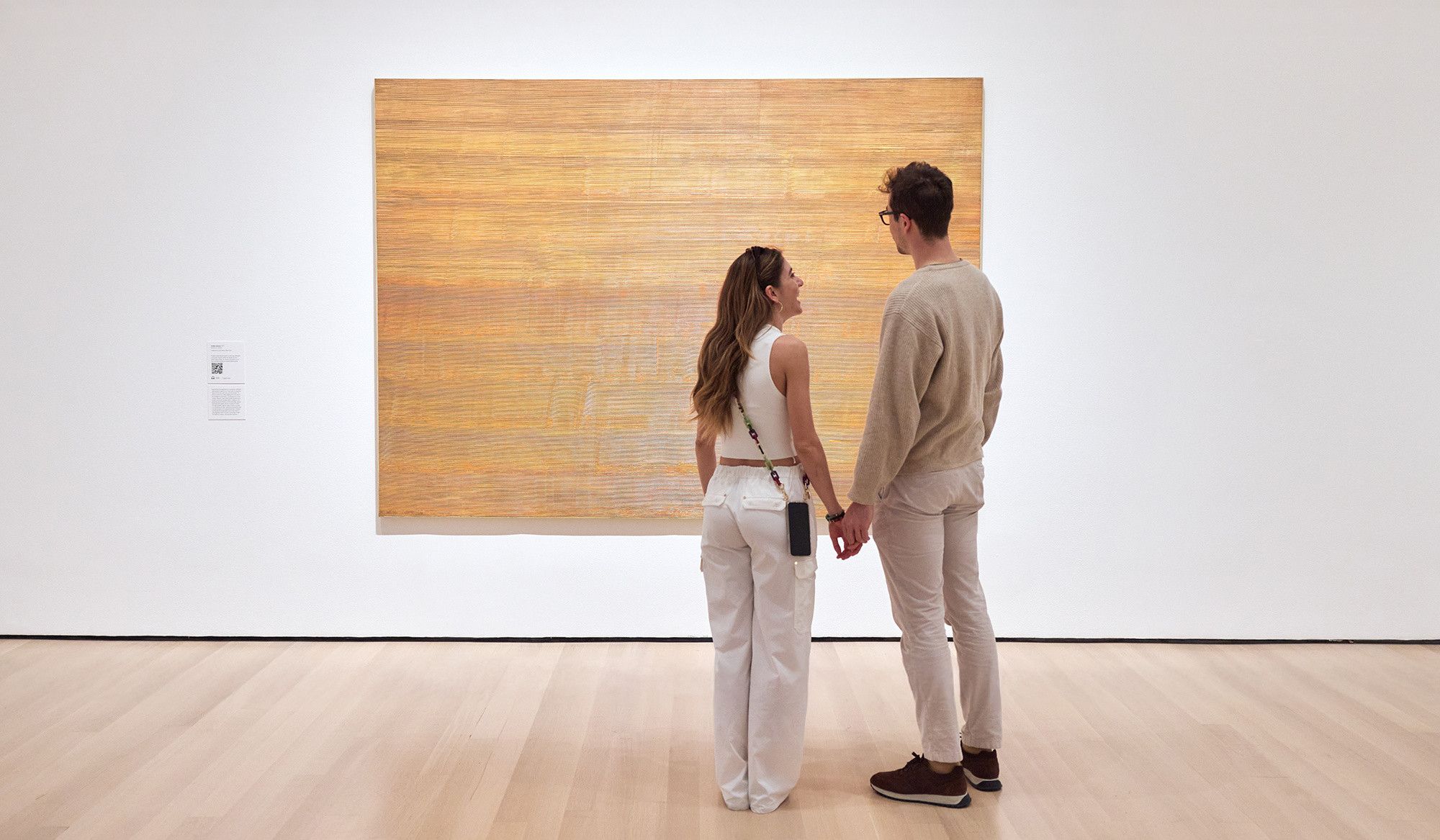
As we look back on a remarkable year of art and creative experiences at the Museum and beyond, we are deeply grateful to all the artists, colleagues, visitors, members, and donors who make our work possible. The exhibitions and initiatives highlighted here reflect our shared commitment to art and its capacity for seeing the world anew. Thank you for your ongoing partnership, generosity, and enthusiasm for MoMA and MoMA PS1.
Welcoming Christophe Cherix
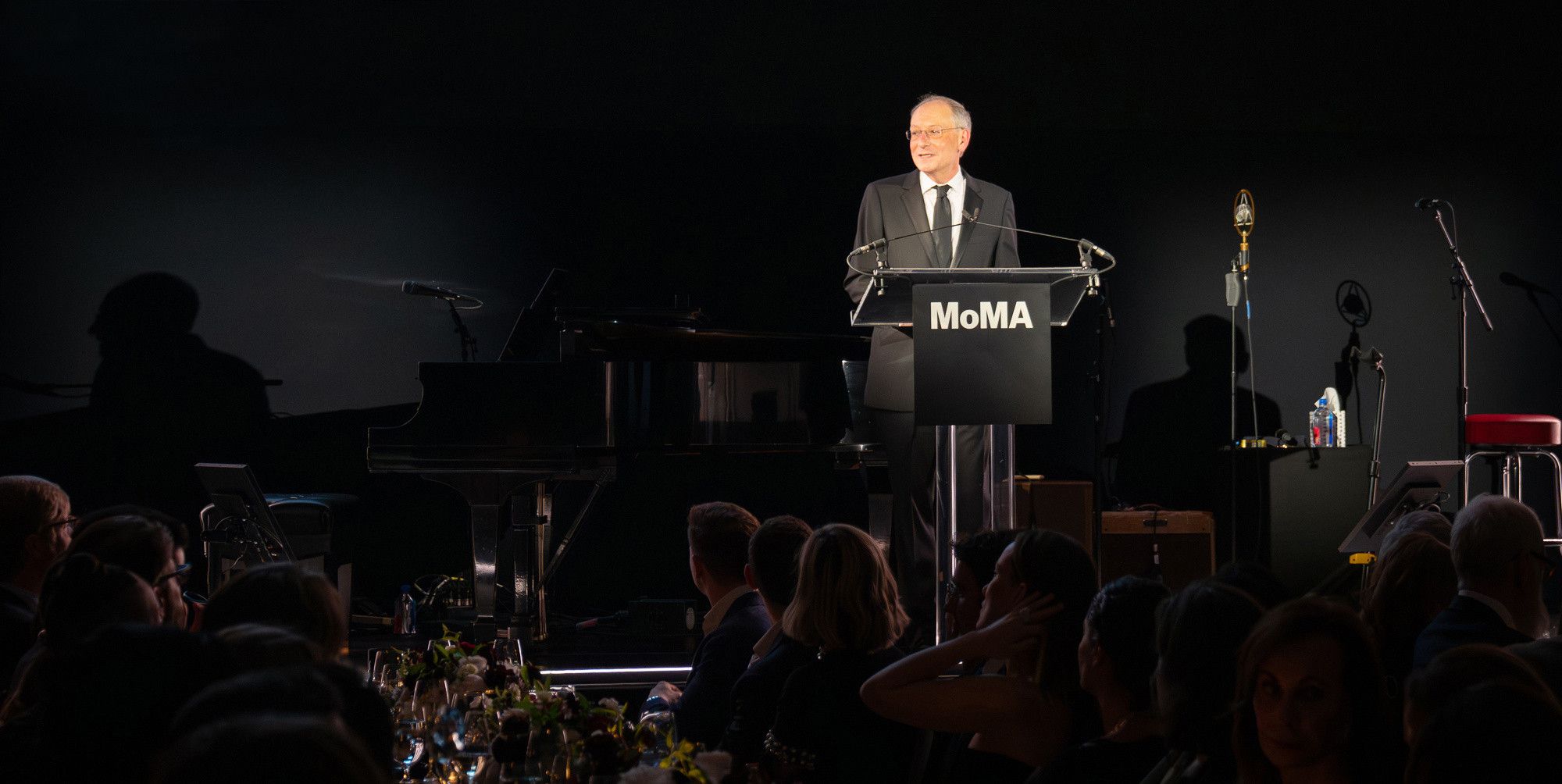
This year marks an exciting new chapter for the Museum, as we gratefully thanked Glenn Lowry for 30 incredible years of leadership, and welcomed Christophe Cherix as MoMA’s new David Rockefeller Director. Christophe’s dedication to artists and the cultural community position MoMA for an exciting next chapter. He has already enjoyed getting to know many of you at recent events and looks forward to seeing you in the galleries.
An array of exhibitions
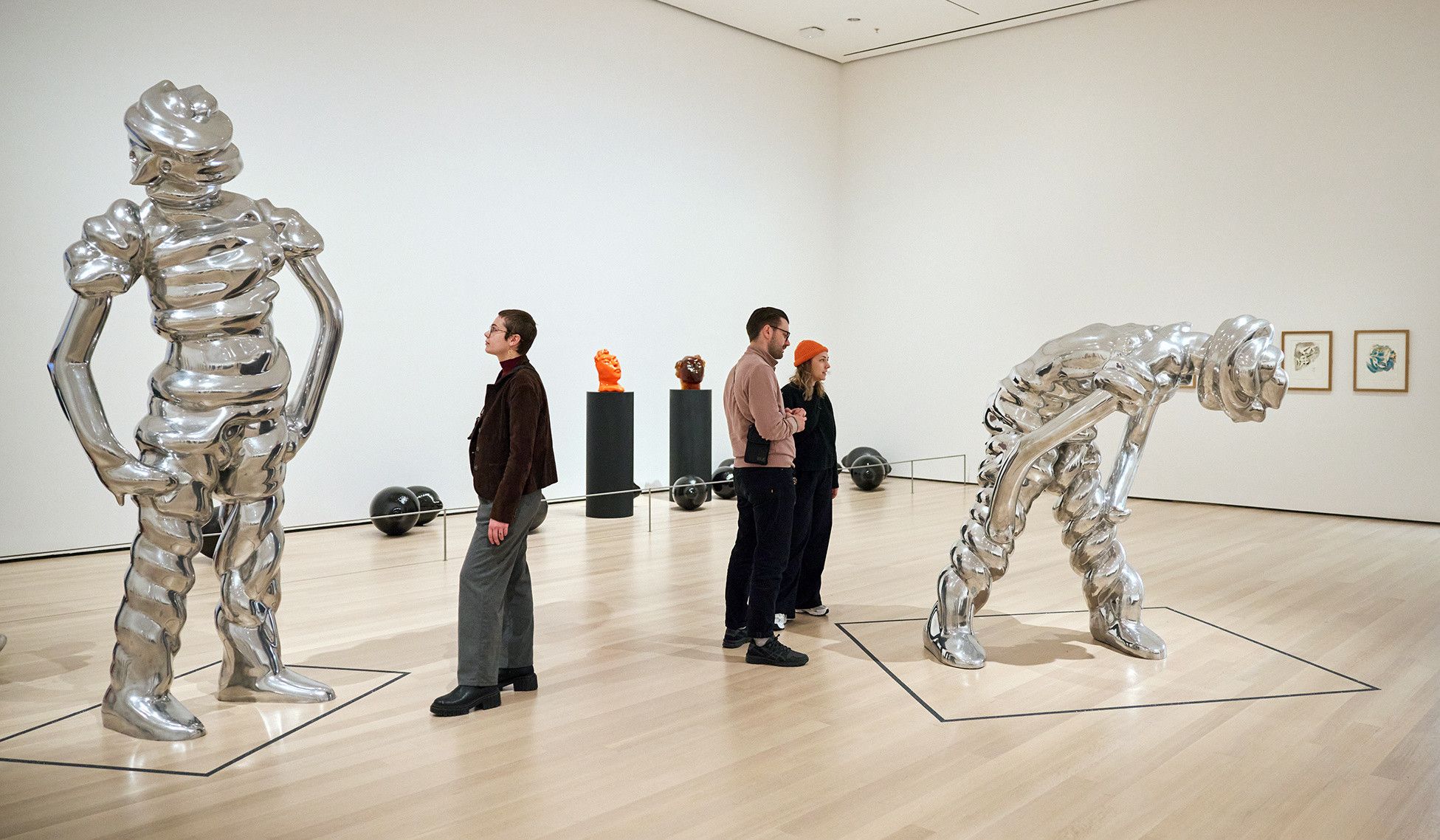
This year’s exhibition program invited close looking, big thinking, and awe-inspiring expression. We welcomed nearly 2.8 million visitors to our galleries for more than 31 exhibitions, that, to name just a few, included a the first US retrospective of Thomas Schütte, the debut of Hilma af Klint’s portfolio of botanical drawings, and a sweeping survey of Jack Whitten’s dazzlingly innovative practice.
An interdisciplinary look at the connections between modernism and textiles in Woven Histories, designer Norman Teague’s reimaging of iconic works in our collection, and a thought-provoking presentation of objects that have changed the world in Pirouette: Turning Points in Design all foregrounded the ways art touches our everyday lives.
An artful start to the weekend
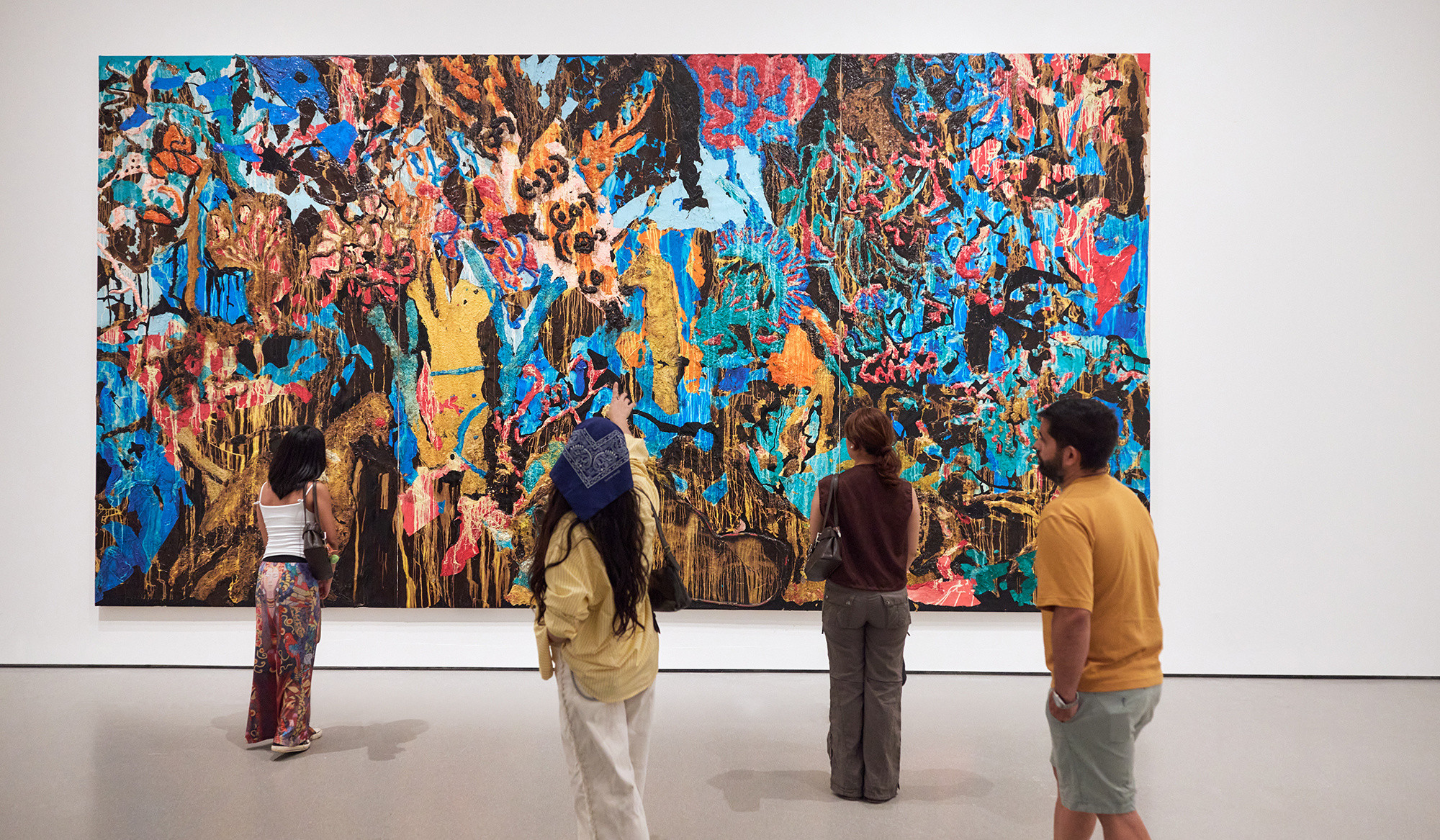
Our UNIQLO Friday Nights expanded to every Friday evening, kicking off the weekend with art and energy. This weekly program keeps the Museum open late and makes the galleries more accessible to all—offering free admission for New York residents, along with art making, gallery talks, and other free activities.
An artist’s immersive poem
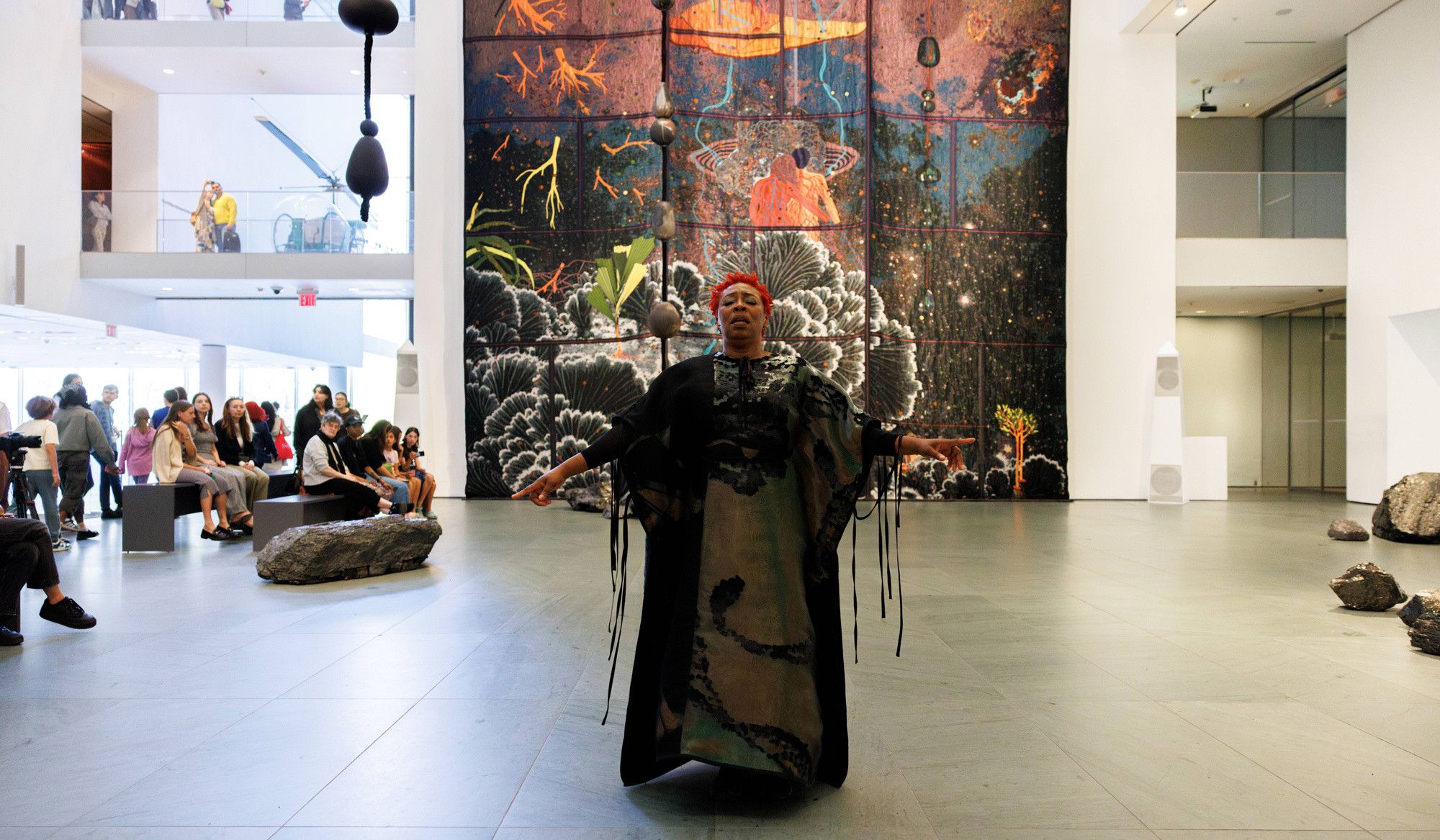
With Cadence, a commission created specifically for the Museum, Nigeria-born artist Otobong Nkanga transformed the Donald and Catherine Marron Family Atrium into an all-encompassing environment of tapestry, sculpture, sound, and text, punctuated with an immersive voice- and breathwork-soundscape to suggest sprawling ecosystems and galaxies. This enthralling installation, along with performances by Nkanga, drew visitors in and called attention to both the beauty and the degradation of the natural world.
A rare look inside an artist’s studio
On the occasion of the retrospective Jack Whitten: The Messenger, we took a rare look inside Whitten’s studio in Queens, New York, which remains largely untouched since his passing in 2018. The studio was his laboratory and a research space for his groundbreaking creative process, from blur paintings that appear almost photographic to large-scale mosaics, resembling constellations of stars, that he cut from hardened sheets of acrylic paint.
The short documentary film also follows MoMA conservators, who conducted the first major study into the mystery behind Whitten’s techniques, and features Whitten’s wife and daughter discussing his practice and how the objects he surrounded himself with give us a view “inside his brain.”
Celebrating, playing, and creating
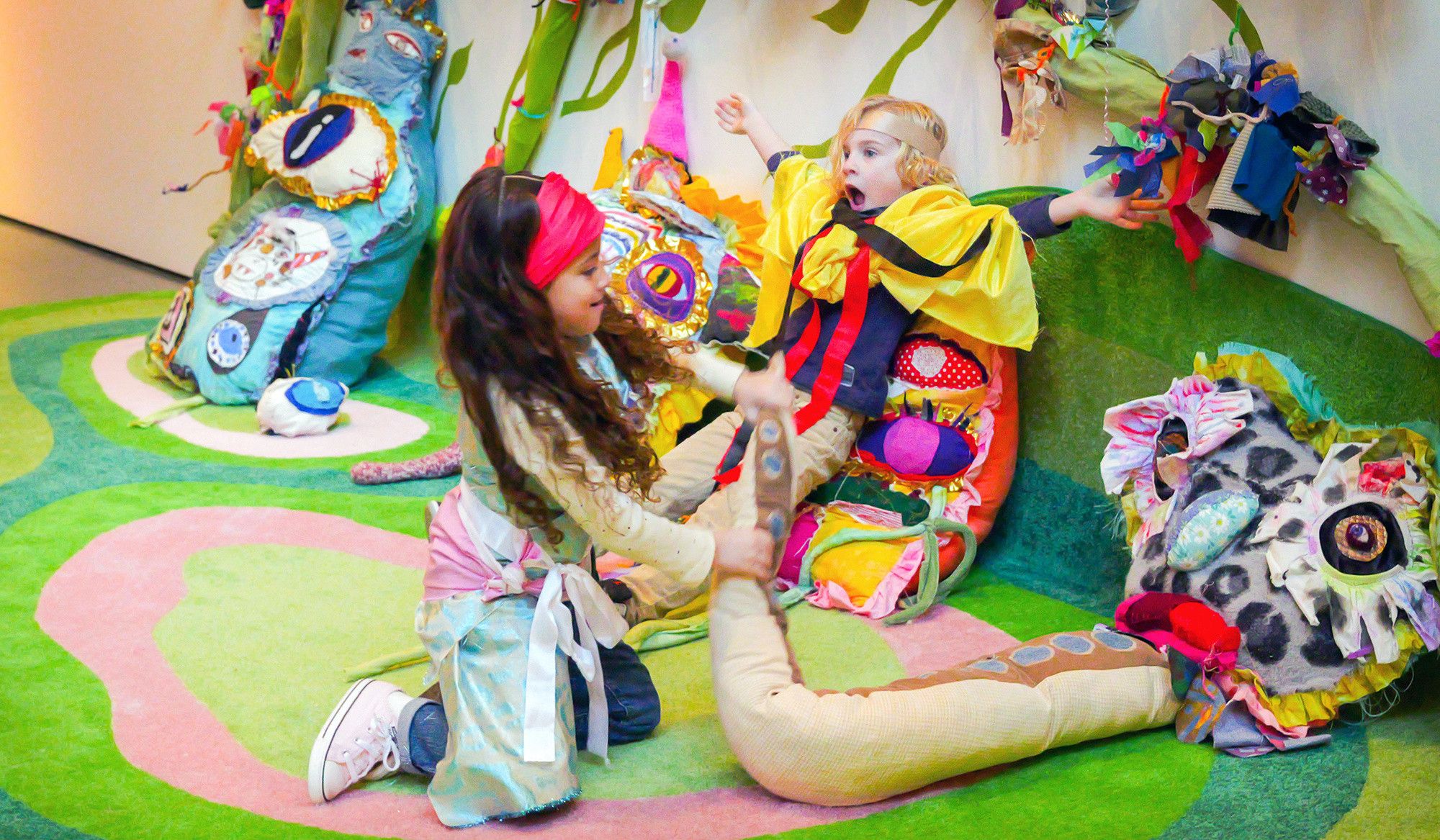
The first annual MoMA Family Festival welcomed over 14,000 visitors, including 1,500 members, to Another World. During this multi-day event, children of all ages imagined, created, and played throughout the Museum, exploring artist-created environments, building with cardboard and other recycled materials, and letting their imaginations soar. With Deep Field, an interactive augmented-reality project, children created botanical drawings that contributed to a digital ecosystem co-created by participants from around the world.
A portrait of an icon
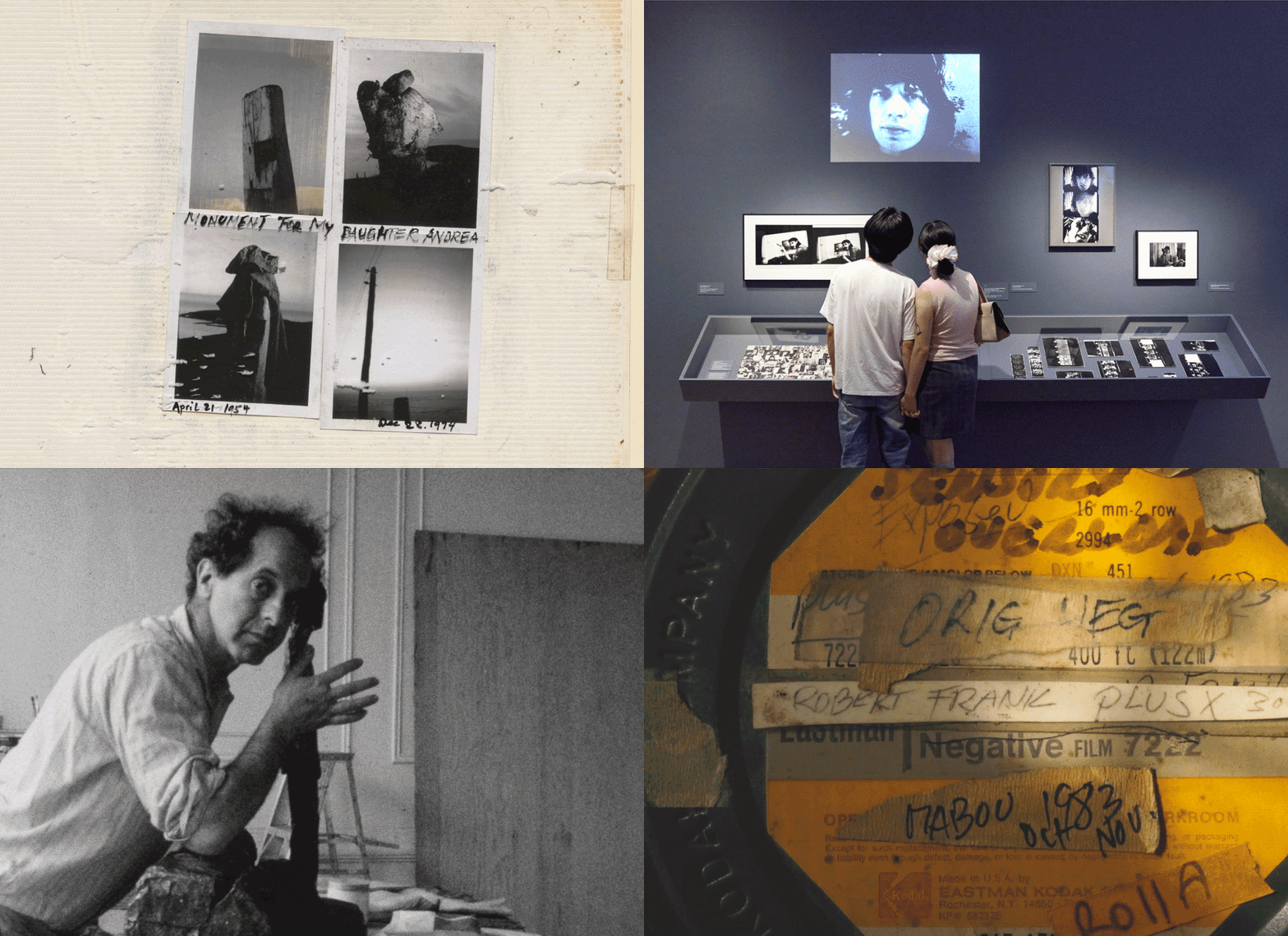
Life Dances On: Robert Frank in Dialogue brought new perspectives on the work of photographer and filmmaker Robert Frank, exploring the six vibrant decades of his career following the 1958 publication of his landmark photobook, The Americans. In conjunction with this first solo exhibition of Frank’s work at the Museum, a special presentation of footage discovered after the artist’s death, Robert Frank’s Scrapbook Footage, and a comprehensive film series featuring new digital preservations and remasters, brought the artist and his family, friends, and collaborators into focus.
Art lovers all around
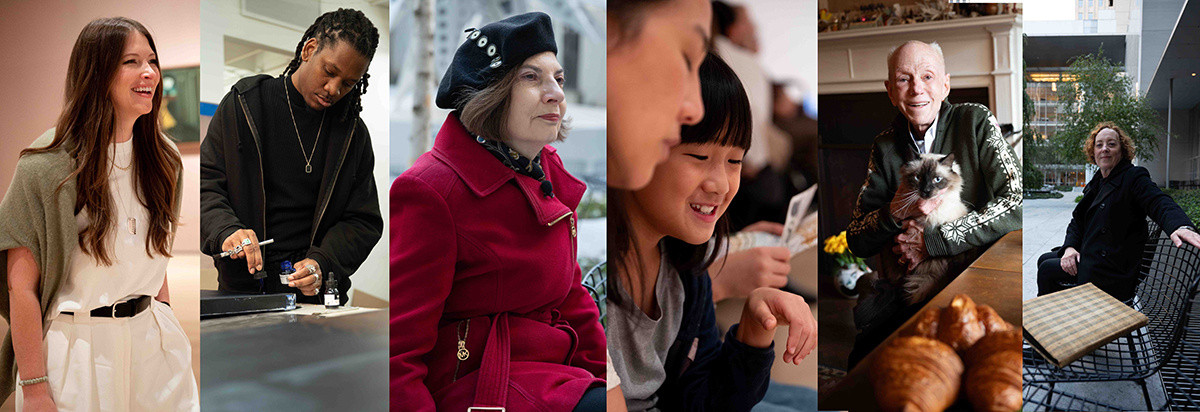
Our Member Stories project shared the experiences of six members and their connection to the Museum on MoMA’s social media channels and on Magazine. From families that return here year after year, to artists who find creative sanctuary in the galleries, to chance encounters that change lives, these stories illustrate the role the Museum plays in New York City’s cultural community.
A journey through cinema history
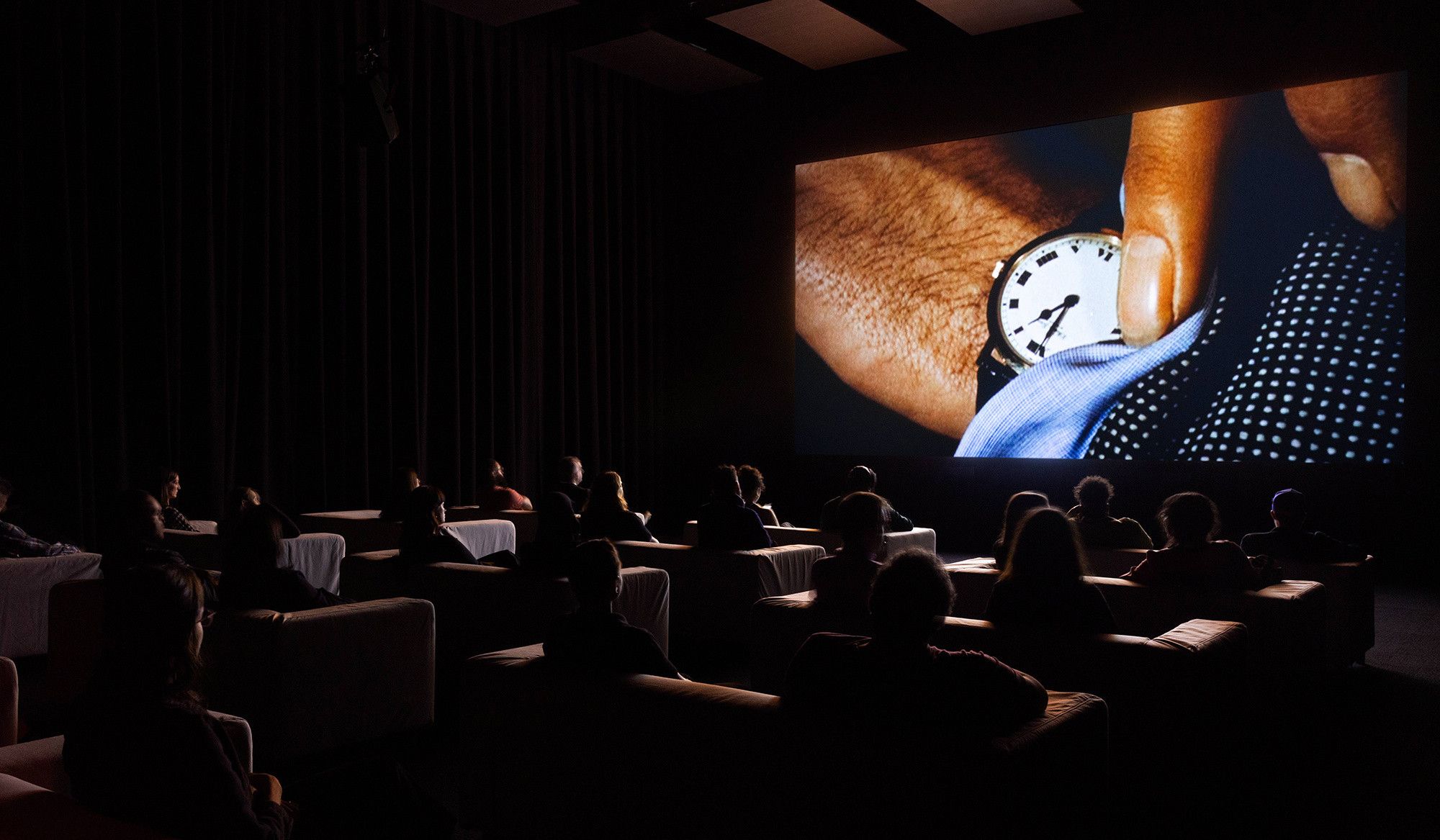
Christian Marclay’s cinematic tour-de-force, The Clock, returned to MoMA for the first time in over a decade, captivating visitors as it moved minute by minute through 100 years of moving-image history, synchronized to real time. From missed alarm clocks to midnight escapades, two special 24-hour viewings tested the endurance of fans, including one staff member, who shared his experience on Magazine.
The visionary women who shaped MoMA
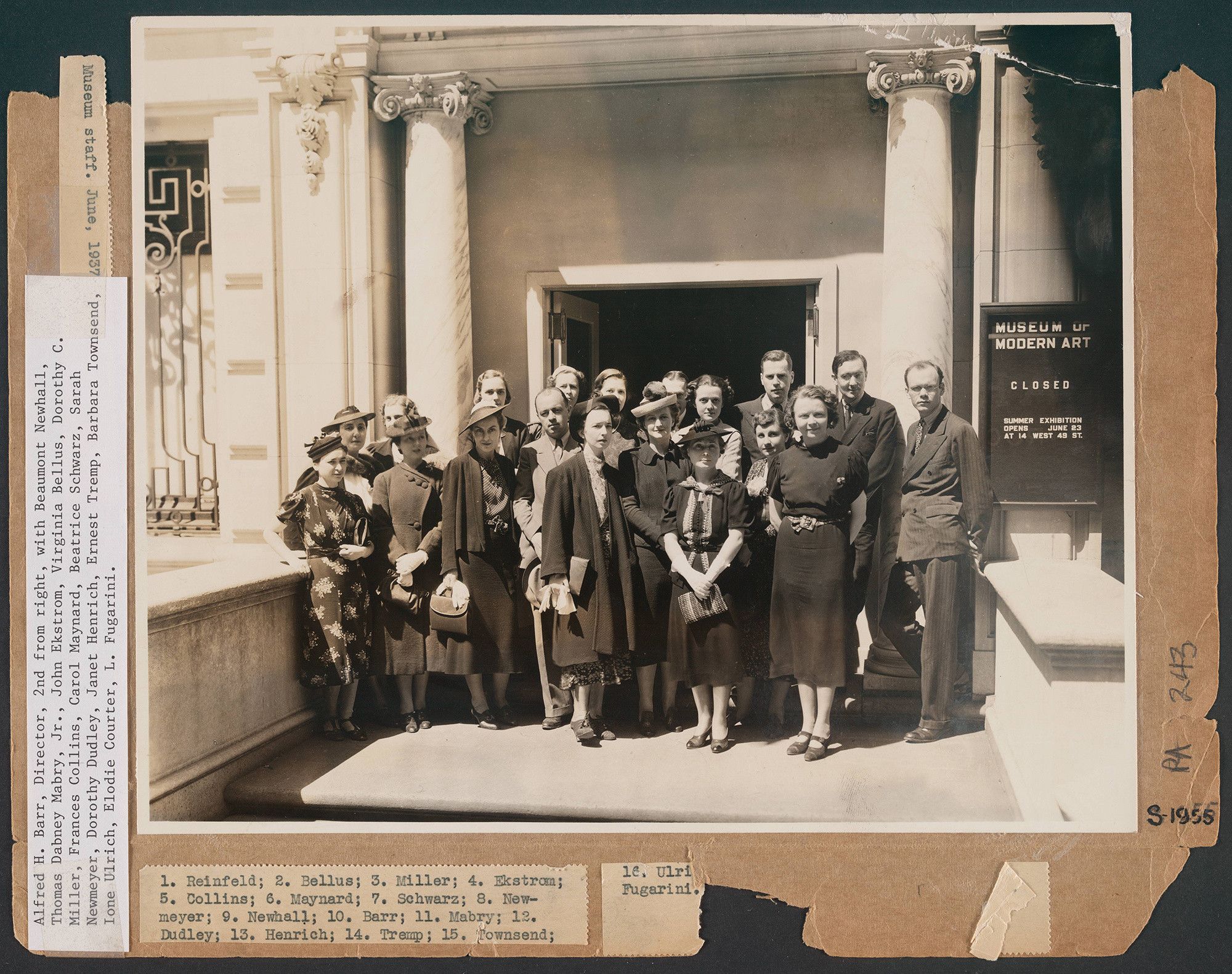
The new publication Inventing the Modern: Untold Stories of the Women Who Shaped The Museum of Modern Art shared the stories of the trailblazing women who shaped MoMA’s future. These visionary women, including cofounders Abby Aldrich Rockefeller, Mary Quinn Sullivan, and Lillie P. Bliss; curators Dorothy Miller and Iris Barry; and the Museum’s first director of publicity Sarah Newmeyer, were instrumental in creating new models for museum operation during a period when modern art was widely ignored.
To celebrate the book, the exhibition Lillie P. Bliss and the Birth of the Modern highlighted the pivotal role Bliss played in the Museum’s trajectory—from her fierce support of groundbreaking artists like Paul Cézanne, Henri Matisse, and Georges-Pierre Seurat, to the gift of her personal collection, which allowed for works to be sold to fund of new acquisitions.
A salute to Surrealism
To celebrate the 100th anniversary of André Breton’s Manifesto of Surrealism, we took a deep dive into the collaborative game cadavre exquis or “exquisite corpse.” Crafted in three distinct parts just like the game, this short documentary brought this creative exercise to life. In part one, curator Samantha Friedman looks at historical examples in MoMA’s collection. Part two explores Beat artist Ted Joans’s Long Distance, an example created over three decades with 132 contributors. And part three visits Huma Bhabha’s studio, where she and artists Jason Fox and Joe Bradley make life-size exquisite corpses and talks about the pervasiveness of the game today.
A dynamic collection
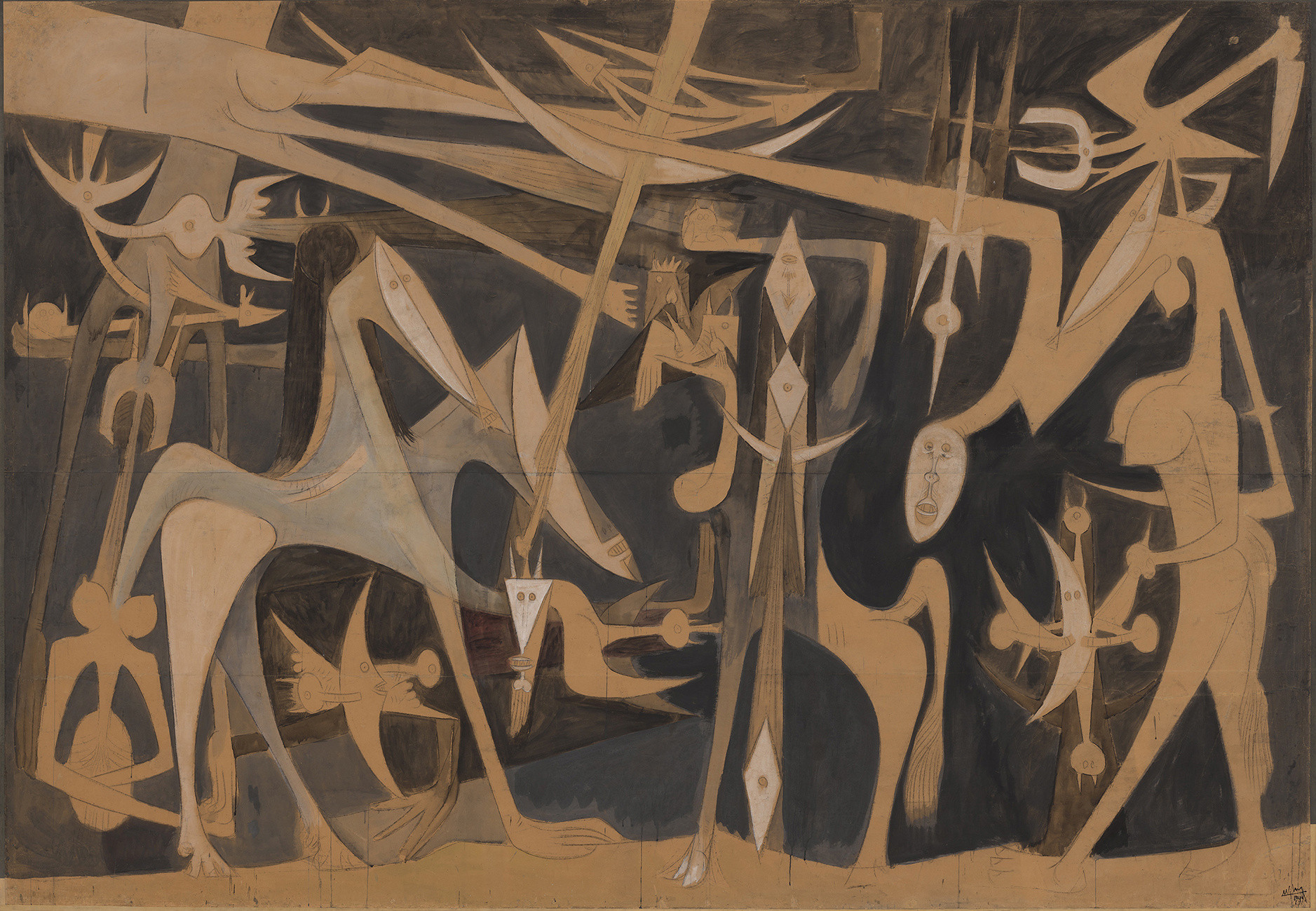
Telling the many histories of modern and contemporary art begins with the Museum’s collection, which continues to grow in depth, breadth, and global reach. Recent acquisitions span works by artists from 57 countries, underscoring MoMA's commitment to reflecting the complexity of artistic production across geographies, media, and generations.
A major gift from the Henry and Rose Pearlman Foundation brought 28 works into the collection, including Paul Cézanne’s paintings Mont Sainte-Victoire (1904–06) and Cistern in the Park of Château Noir (c. 1900), alongside 15 luminous watercolors that reveal the artist’s restless experimentation.
The Museum’s collection was further enriched by the addition of Cyclorama – The Shape of Things, A Video in 7 Parts (2021), a six-channel video installation by Carrie Mae Weems that brings together images, sound, and text to reflect on American history. Other significant additions include new video work by Ayoung Kim, whose immersive installations draw on science fiction and gaming environments to imagine alternate urban futures; Wifredo Lam’s Grande Composition (1949), the largest painting the artist ever made; the archive of Stan VanDerBeek, a key figure in avant-garde cinema; and Martin Eisler’s Rib Chair, a landmark work of midcentury Brazilian design.
Exploring the forefront of art and technology, MoMA also added key examples of digital art, including a selection of eight CryptoPunks, a landmark 2017 interactive art project on the Ethereum blockchain, as well as Erick Calderon (Snowfro)’s Chromie Squiggles (2020), a groundbreaking on-chain generative artwork comprising 10,000 uniquely varied compositions. Both reflect the Museum’s ongoing engagement with new art forms, technologies, and artistic communities.
Thank you
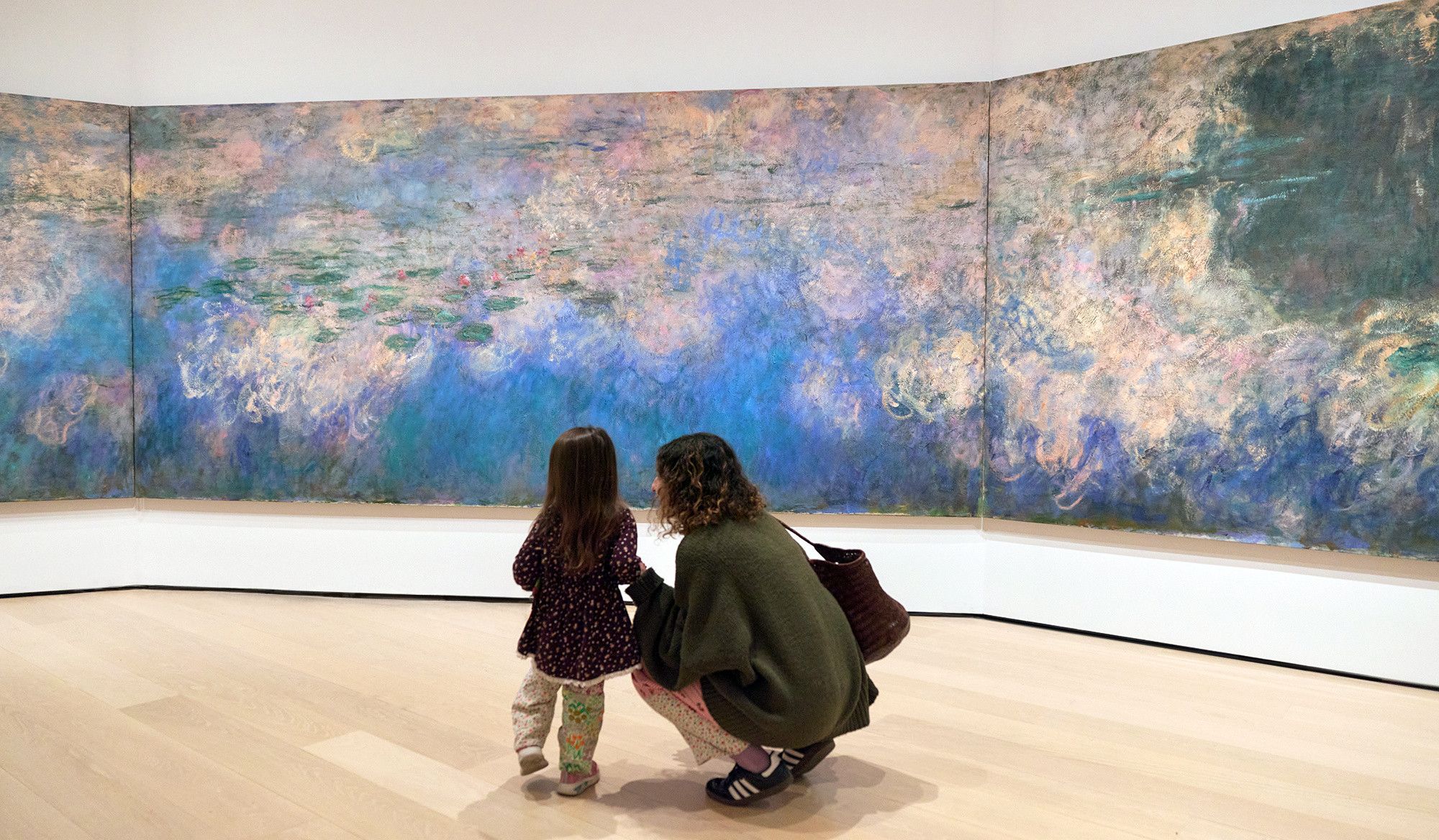
Because of your support, all this is possible. As we begin our next chapter with the leadership of Christophe Cherix, MoMA’s new David Rockefeller Director, we thank you for joining us in sharing and celebrating the art of time. We look forward to seeing you at the Museum soon.