Front / Recto
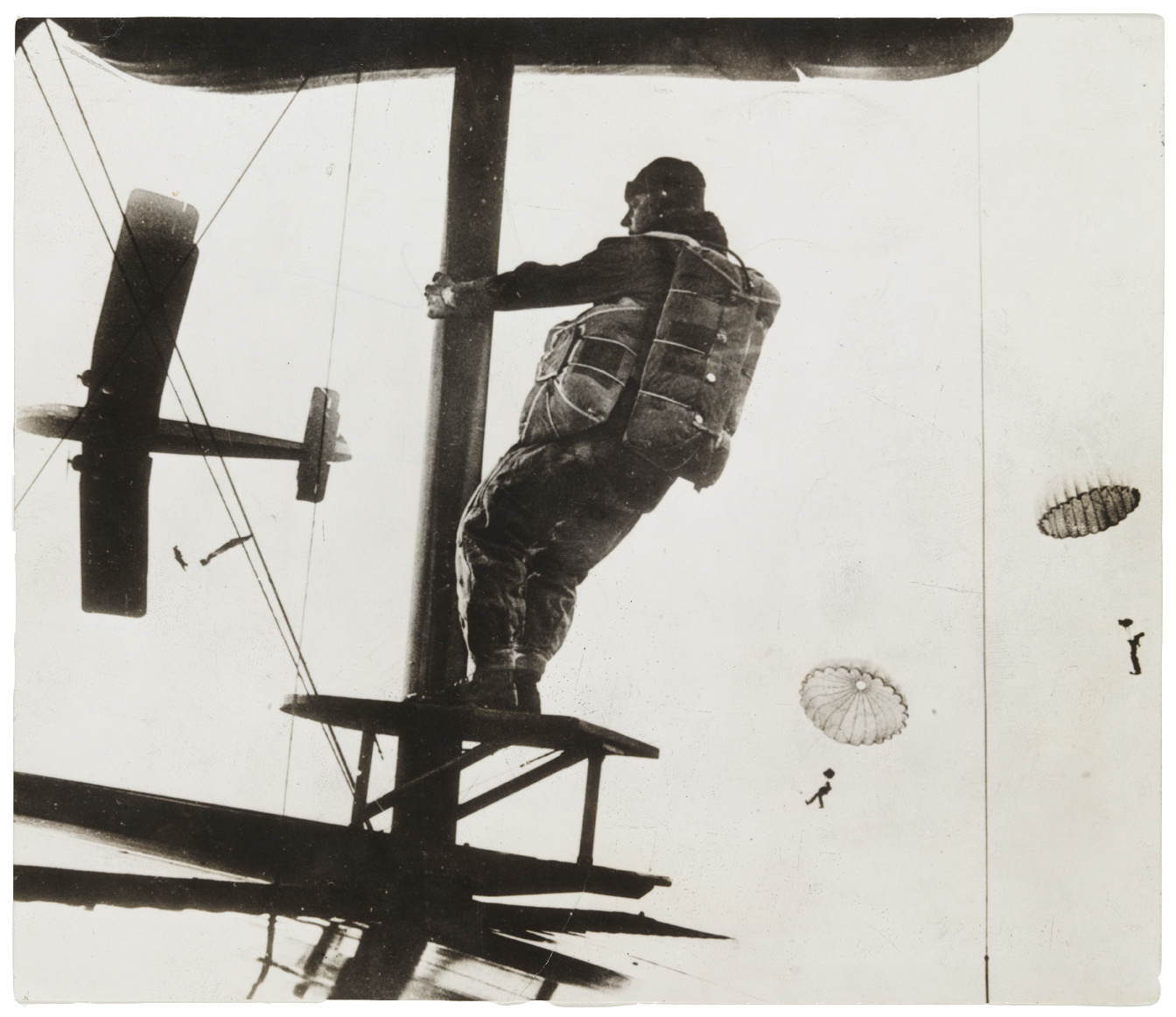
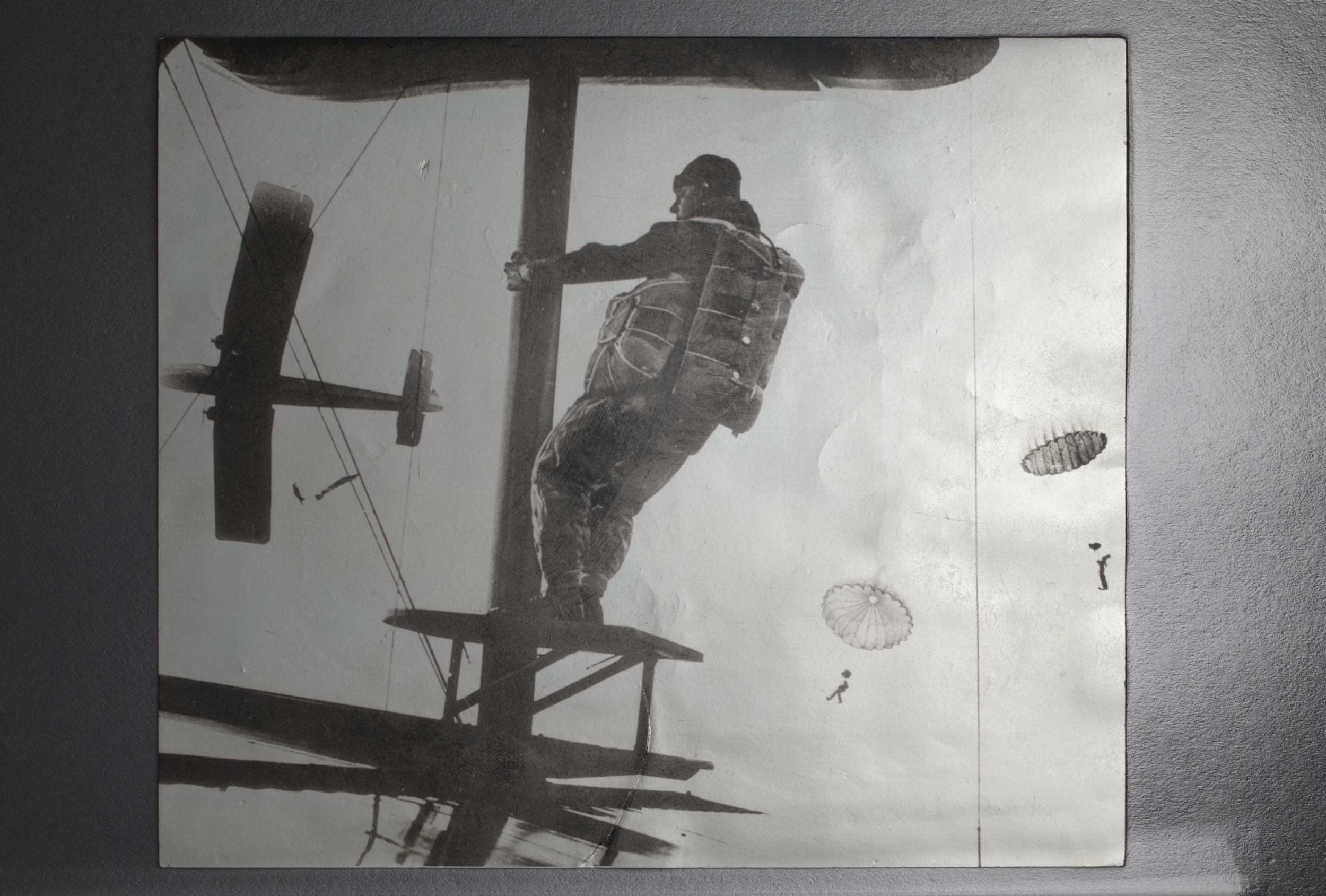
- Title British 'Chute Jumpers
- Negative Date 1937
- Print Date 1937
- Medium Gelatin silver print
- Dimensions Image 5 15/16 x 6 15/16" (15.1 x 17.6 cm)
- Place Taken Bedfordshire
- Credit Line Thomas Walther Collection. Gift of Thomas Walther
- MoMA Accession Number 1666.2001
Back / Verso
- Mount Type No mount
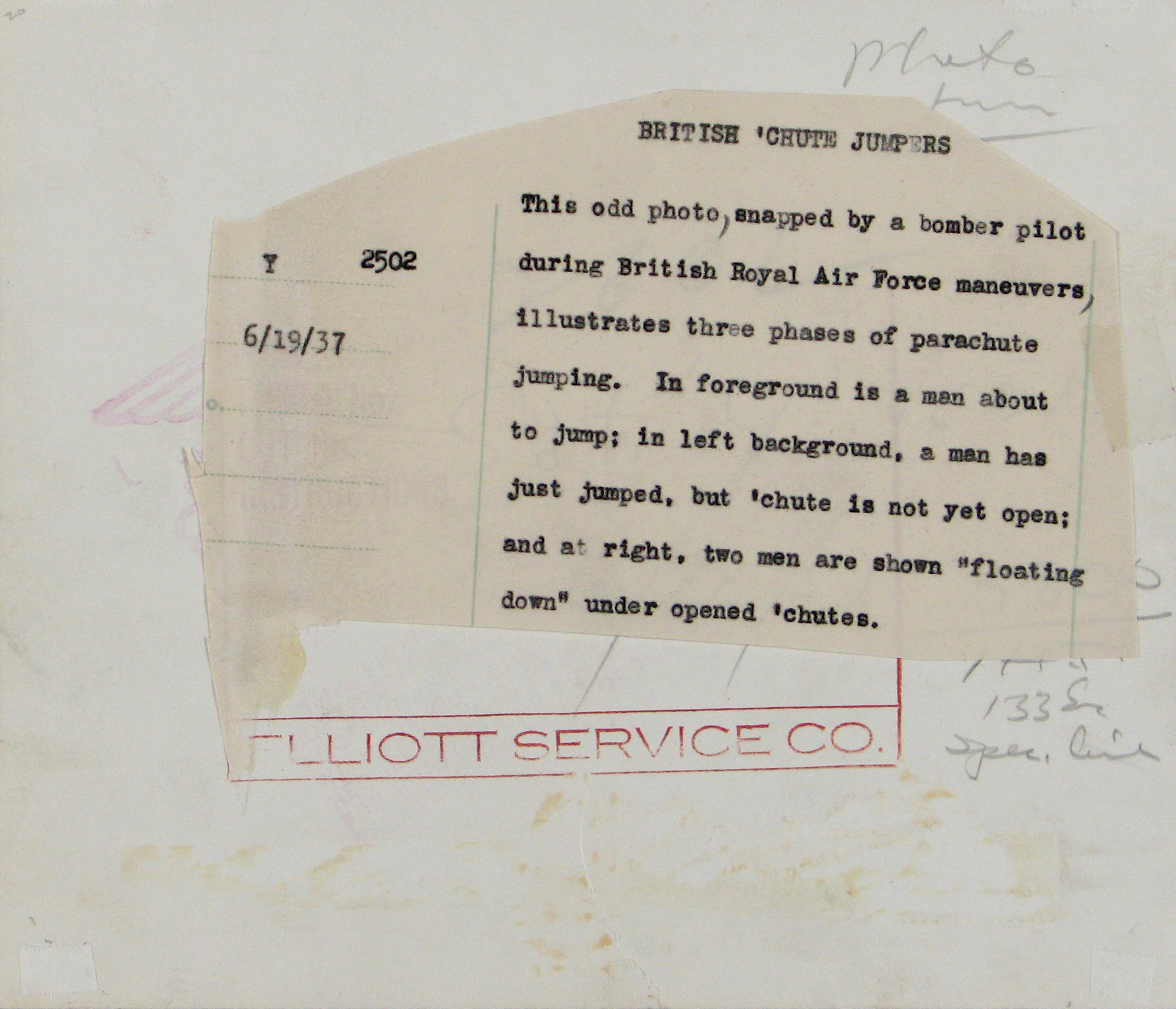
- Marks and Inscriptions Inscribed in pencil on sheet verso, top right: photo/[illegible]. White label affixed to sheet verso, center, with text printed in black ink: Y 2502/6/19/37/BRITISH ’CHUTE JUMPERS/This odd photo, snapped by a bomber pilot during British Royal Air Force maneuvers, illustrates three phases of parachute jumping. In foreground is a man about to jump; in left background, a man has just jumped, but ’chute is not yet open; and at right, two men are shown "floating down" under opened ’chutes. Stamped in red ink on sheet verso, center: ELLIOTT SERVICE CO.
-
Provenance
Purchased by Aaron Rose, Herkimer, N.Y. [1]; given to Thomas Walther [2]; given to The Museum of Modern Art, New York, 2001.
[1] MacGill/Walther 2000, p. 9; and MacGill/Walther 2000(2), p. 58. Aaron Rose found the print in a flea market in New York state.
[2] Thomas Walther, conversation with Simon Bieling, Berlin, 2005.
Surface
- Surface Sheen Glossy
- Techniques Retouching (additive) Enlargement Ferrotyping Retouching (reductive) Copy print
- PTM
-
Micro-raking
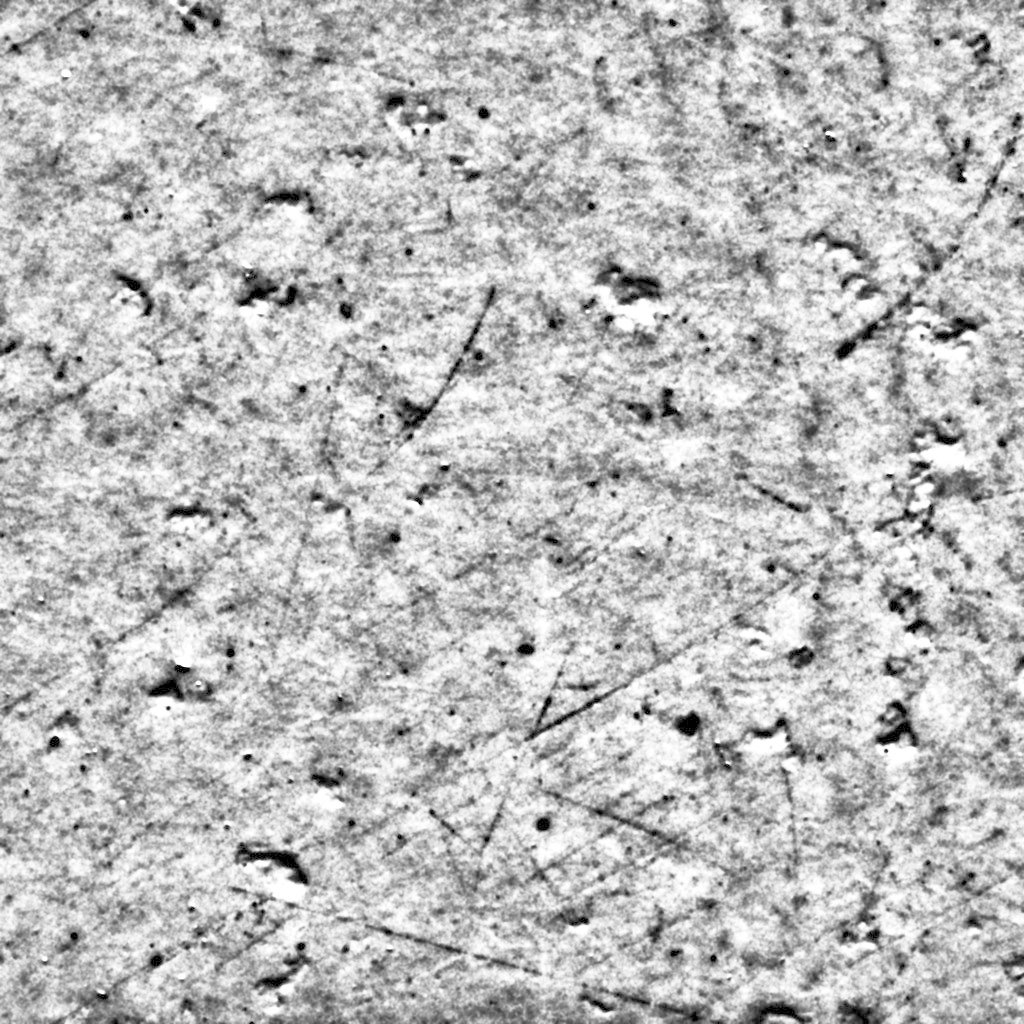
Raking-light close-up image, as shot. Area of detail is 6.7 x 6.7 mm. Department of Conservation, MoMARaking-light close-up image, processed. Processing included removal of color, equalization of the histogram, and sharpening, all designed to enhance visual comparison. Department of Conservation, MoMA
Paper Material
- Format Unknown
- Weight Single weight
- Thickness (mm) 0.18
- UV Fluorescence Recto negative Verso negative
- Fiber Analysis Softwood bleached sulfite 100%
- Material Techniques Developing-out paper
-
XRF
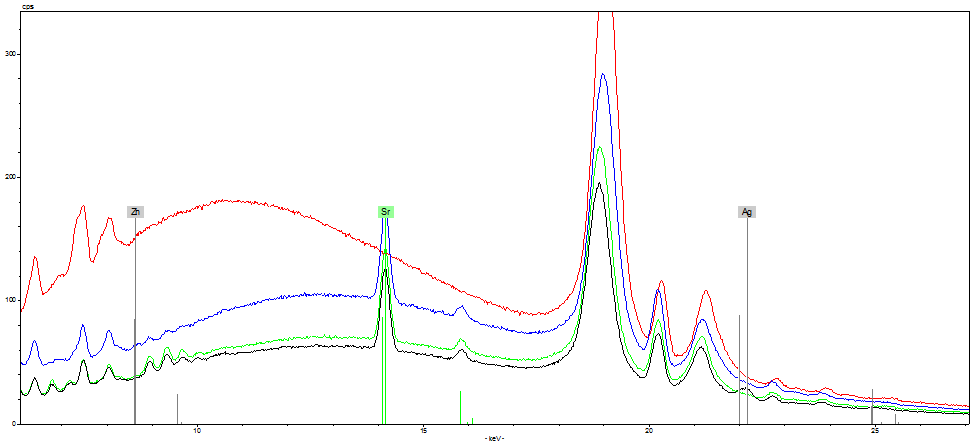
This work was determined to be a gelatin silver print via X-ray fluorescence (XRF) spectrometry.
The following elements have been positively identified in the work, through XRF readings taken from its recto and verso (or from the mount, where the verso was not accessible):
- Recto: Al, P, S, Sr, Ag, Ba
- Verso: Al, P, S, Ca, Zn, Sr, Ba
The graphs below show XRF spectra for three areas on the print: two of the recto—from areas of maximum and minimum image density (Dmax and Dmin)—and one of the verso or mount. The background spectrum represents the contribution of the XRF instrument itself. The first graph shows elements identified through the presence of their characteristic peaks in the lower energy range (0 to 8 keV). The second graph shows elements identified through the presence of their characteristic peaks in the higher energy range (8 to 40 keV).
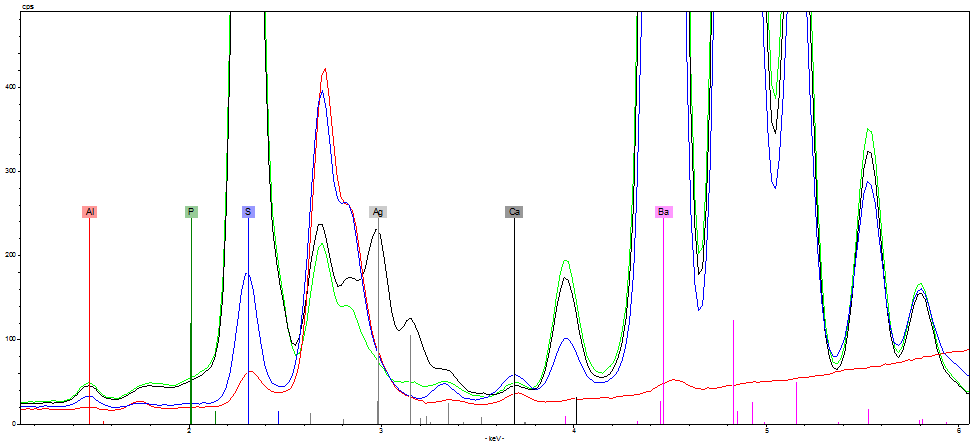
Areas examined: Recto (Dmax: black; Dmin: green), Verso or Mount (blue), Background (red)
Elements identified: Al, P, S, Ca, Ag, Ba
In Context
Related People
-
Artist
-
Unknown photographer
-
-
Publisher
-
Elliott Service Co.
-