Front / Recto
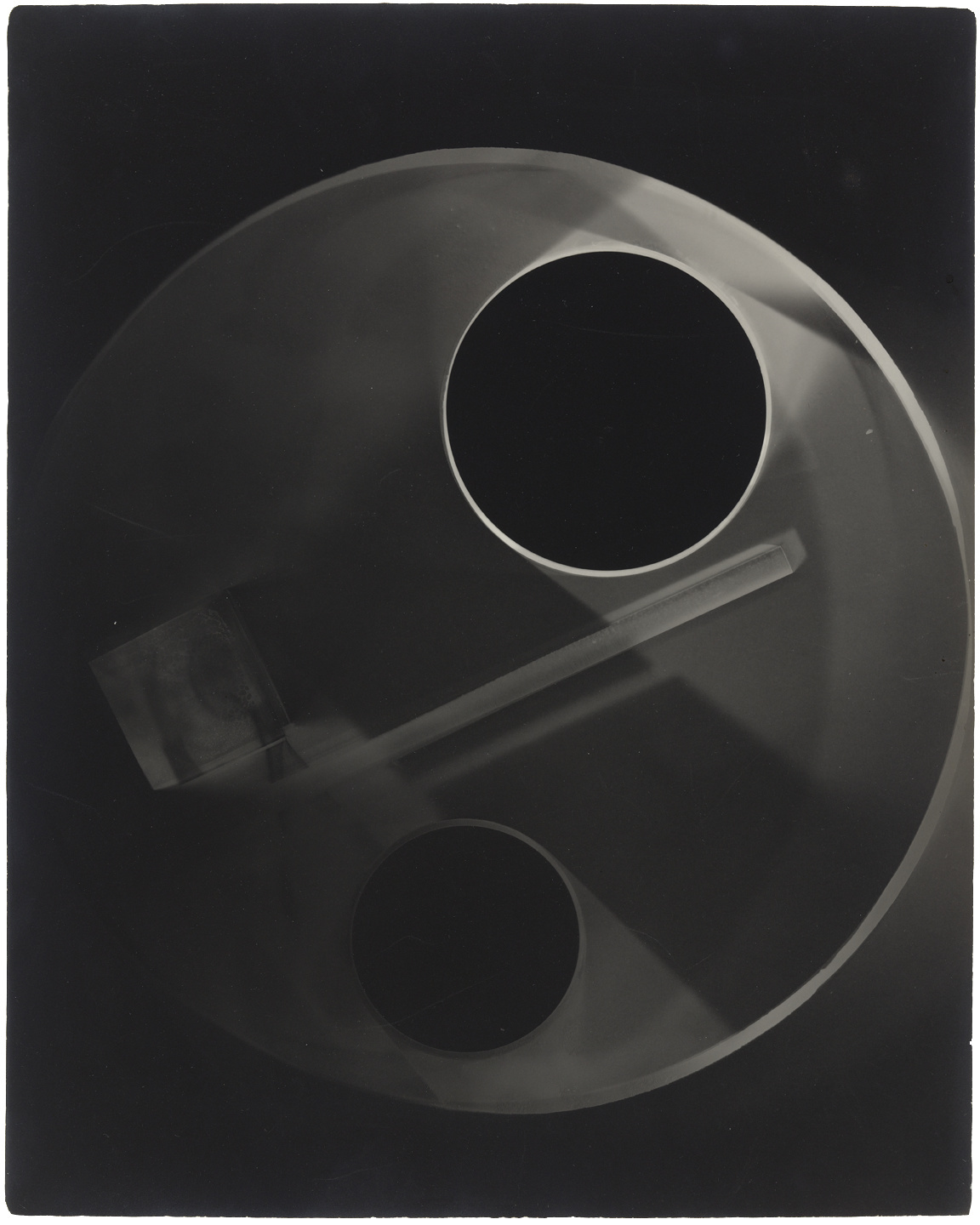
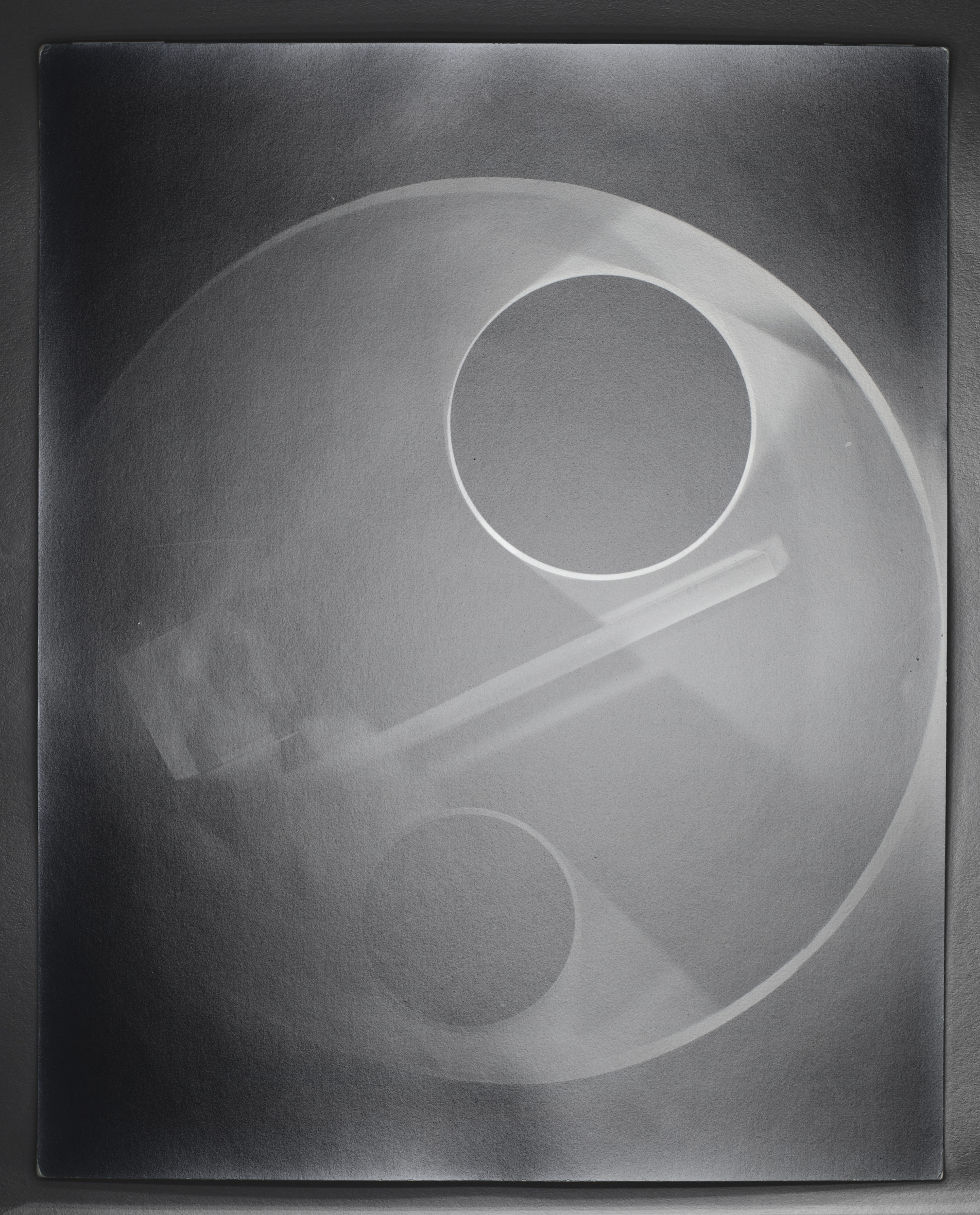
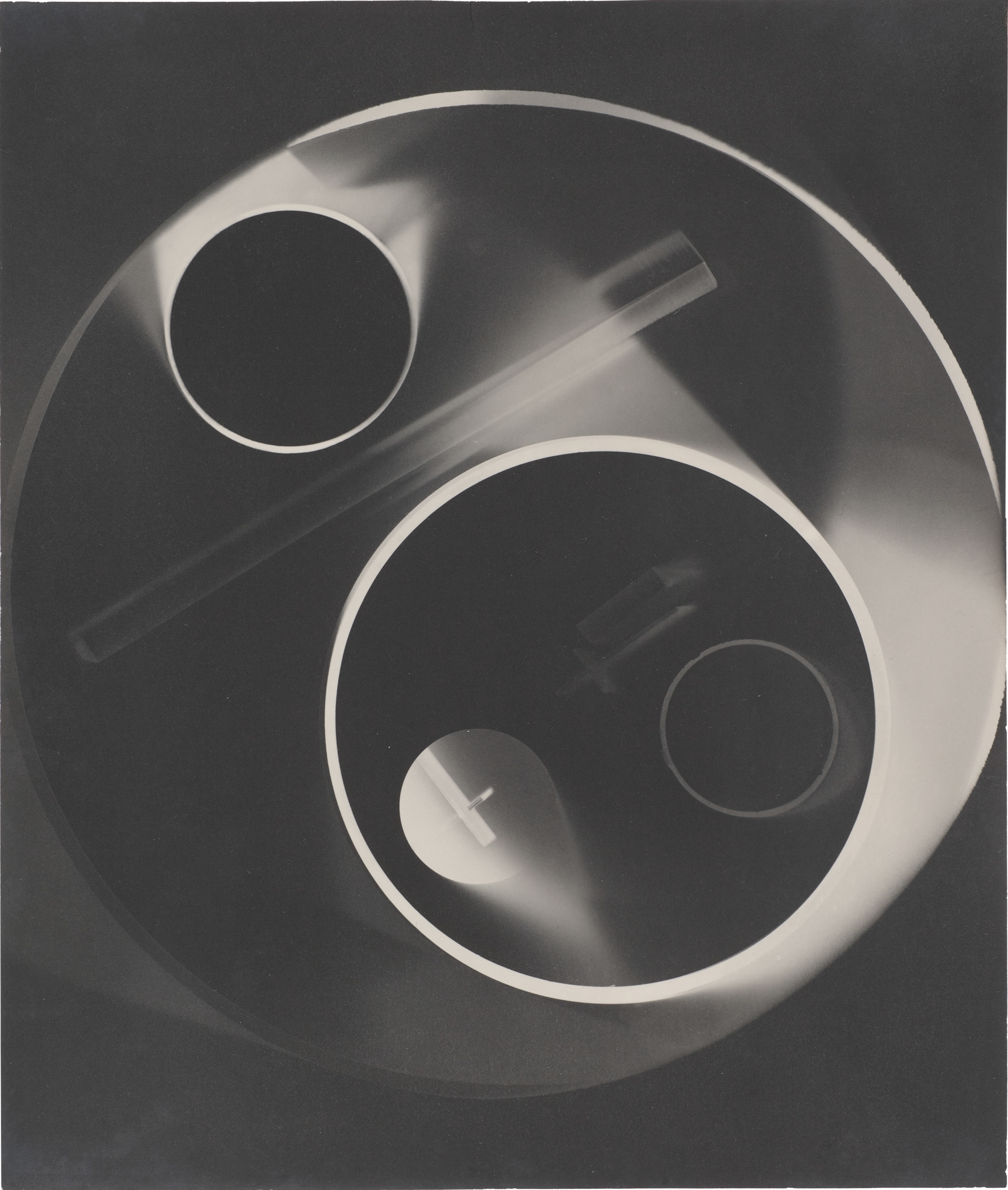
- Title Untitled (Photogram)
- Negative Date 1937–39
- Print Date 1937–39
- Medium Gelatin silver print
- Dimensions Image 9 15/16 × 7 15/16" (25.2 × 20.2 cm)
- Place Taken New York
- Credit Line Thomas Walther Collection. Abbott-Levy Collection funds, by exchange
- MoMA Accession Number 1847.2001
- Copyright © Estate of Theodore Roszak/Licensed by VAGA, New York, NY
Back / Verso
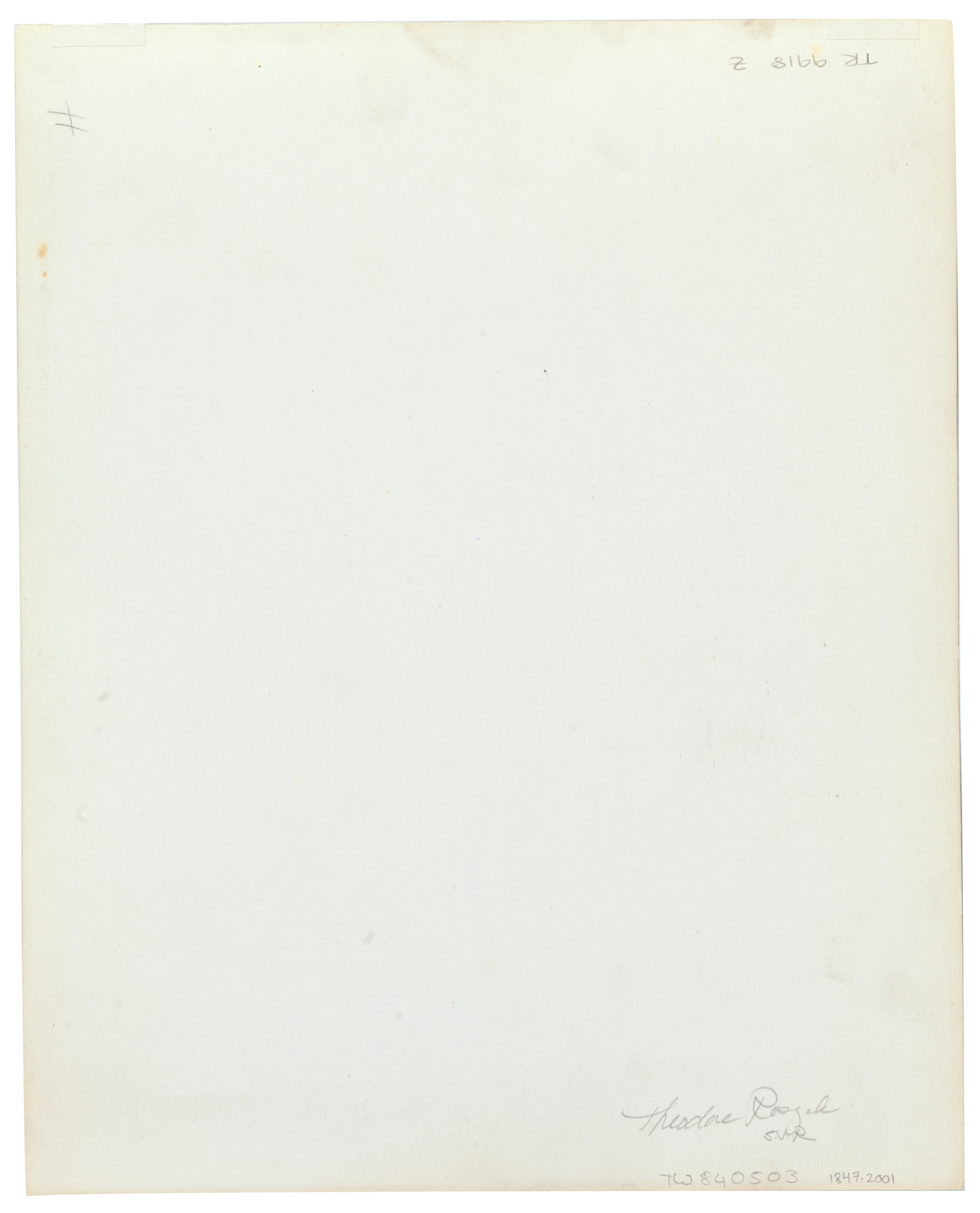
- Mount Type No mount
- Marks and Inscriptions Inscribed in pencil on sheet verso, top left: H. Inscribed in pencil on sheet verso, top right: TR 9918 Z. Signed in pencil on sheet verso, bottom right: Theodore Roszak/S.V.R. Inscribed in pencil on sheet verso, bottom right: TW 840503.
-
Provenance
The artist; by inheritance to the artist's daughter (Sarah J. Roszak) [1]; to Virginia Zabriskie, 1984 [2]; to Edwynn Houk Gallery, Chicago, 1984 [3]; purchased by Thomas Walther, May 23, 1984 [4]; purchased by The Museum of Modern Art, New York, 2001.
[1] Edwynn Houk, conversation with Simon Bieling, New York, March 30, 2005; and Matthew Ortiz (Edwynn Houk Gallery), e-mail to Maria Morris Hambourg, April 30, 2014.
[2] Houk, conversation with Bieling; and Ortiz, e-mail to Hambourg.
[3] Ortiz, e-mail to Hambourg; and MacGill/Walther 2001(3), p. 20.
[4] Ortiz, e-mail to Hambourg; MacGill/Walther 2001(3), p. 20; Thomas Walther archival no. TW 840503 on print verso; and Edwynn Houk Gallery invoice no. 1483.
Surface
- Surface Sheen Matte
- Techniques Photogram
-
PTM
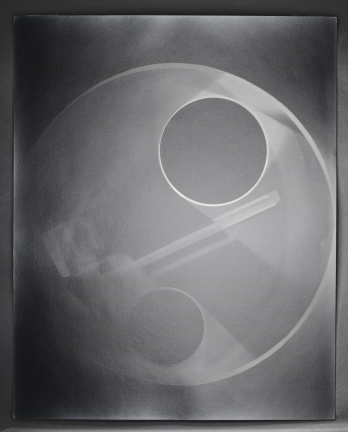 View of the recto of the artwork made using reflectance transformation imaging (RTI) software, which exaggerates subtle surface details and renders the features of the artwork plainly visible. Department of Conservation, MoMA
 -
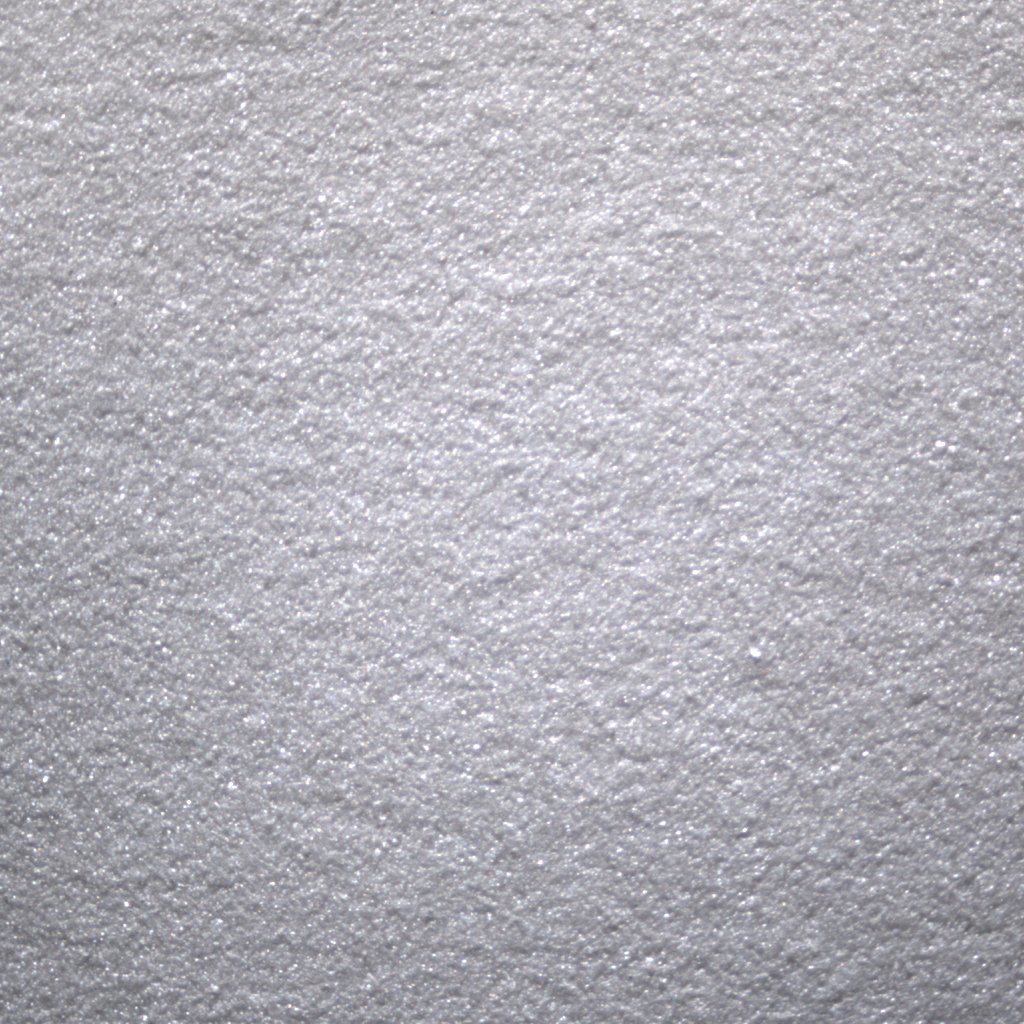
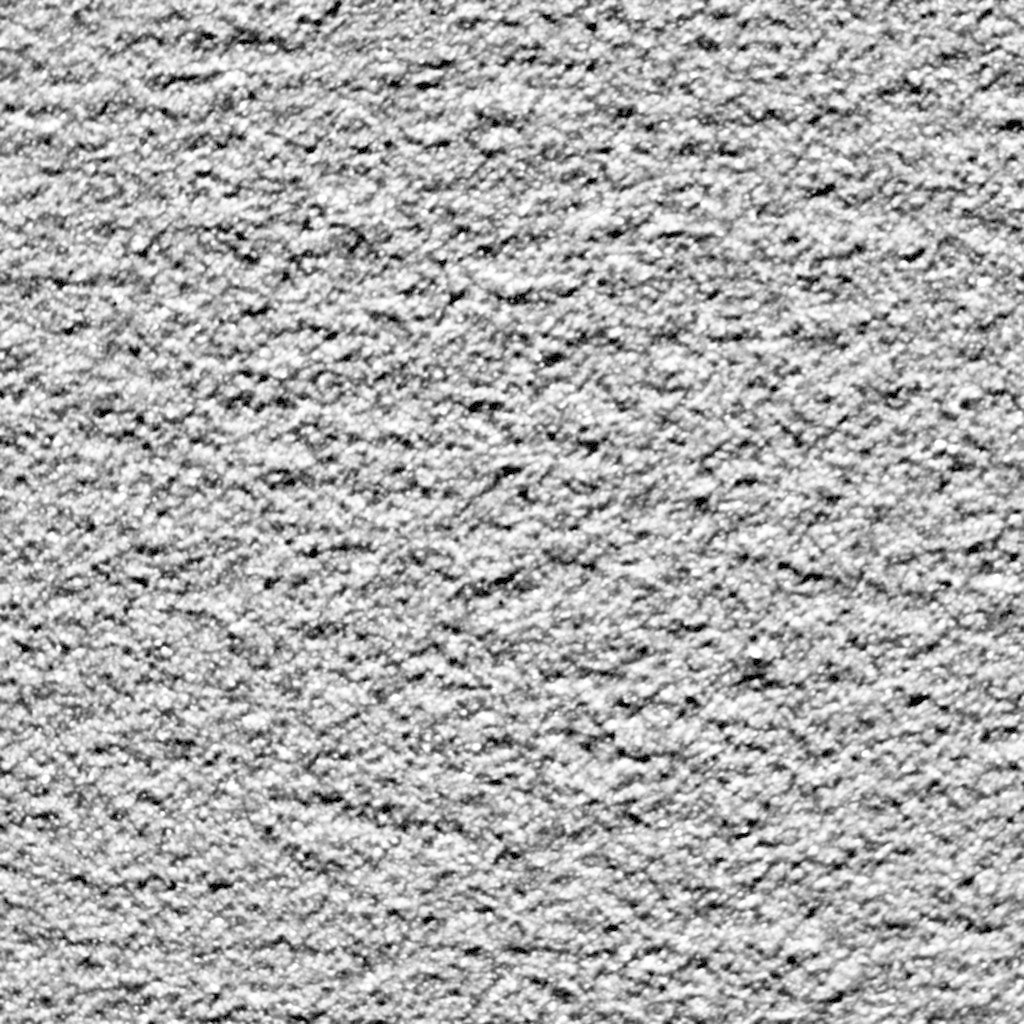
Micro-raking
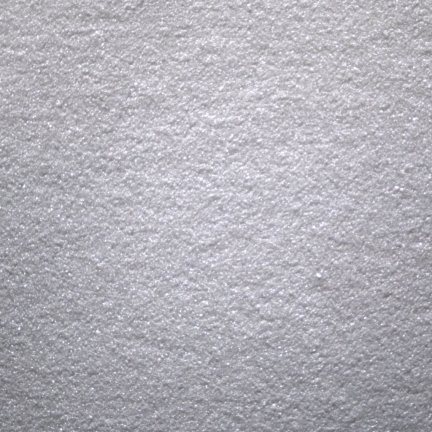 Raking-light close-up image, as shot. Area of detail is 6.7 x 6.7 mm. Department of Conservation, MoMA
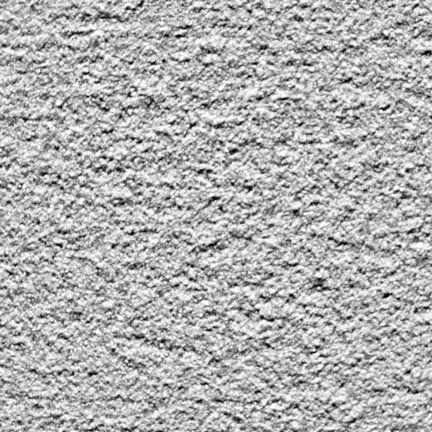 Raking-light close-up image, processed. Processing included removal of color, equalization of the histogram, and sharpening, all designed to enhance visual comparison. Department of Conservation, MoMA
Paper Material
- Format Imperial
- Weight Double weight
- Thickness (mm) 0.37
- UV Fluorescence Recto negative Verso negative
- Fiber Analysis Softwood bleached sulfite 99% Hardwood bleached sulfite 2%
- Material Techniques Developing-out paper
-
XRF
This work was determined to be a gelatin silver print via X-ray fluorescence (XRF) spectrometry.
The following elements have been positively identified in the work, through XRF readings taken from its recto and verso (or from the mount, where the verso was not accessible):
- Recto: Si, S, Ca, Zn, Sr, Ag, Ba, Pb
- Verso: Al, S, Ca, Cr, Zn, Sr, Ba, Pb
The graphs below show XRF spectra for three areas on the print: two of the recto—from areas of maximum and minimum image density (Dmax and Dmin)—and one of the verso or mount. The background spectrum represents the contribution of the XRF instrument itself. The first graph shows elements identified through the presence of their characteristic peaks in the lower energy range (0 to 8 keV). The second graph shows elements identified through the presence of their characteristic peaks in the higher energy range (8 to 40 keV).
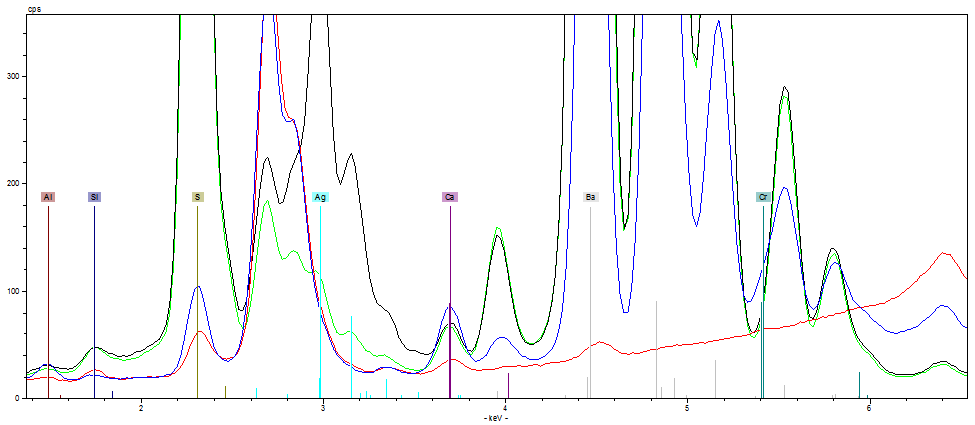 Areas examined: Recto (Dmax: black; Dmin: green), Verso or Mount (blue), Background (red)
Elements identified: Al, Si, S, Ca, Cr, Ag, Ba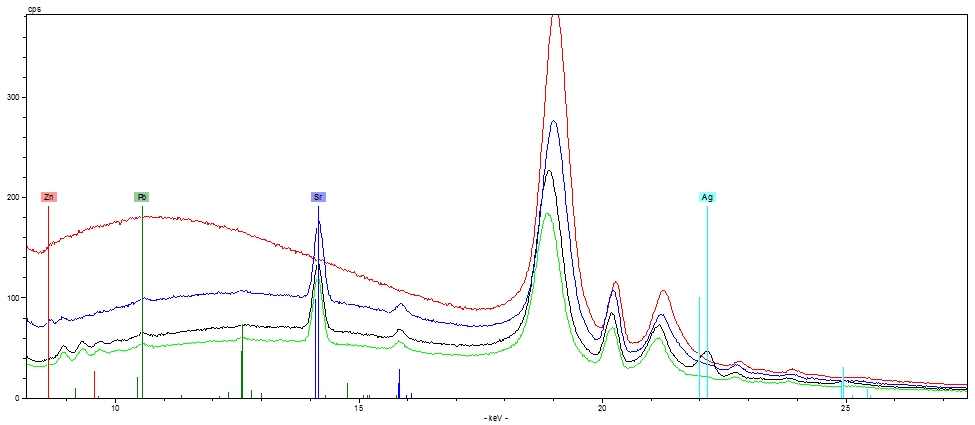 Areas examined: Recto (Dmax: black; Dmin: green), Verso or Mount (blue), Background (red)
Elements identified: Zn, Sr, Ag, Pb
In Context
Related Images
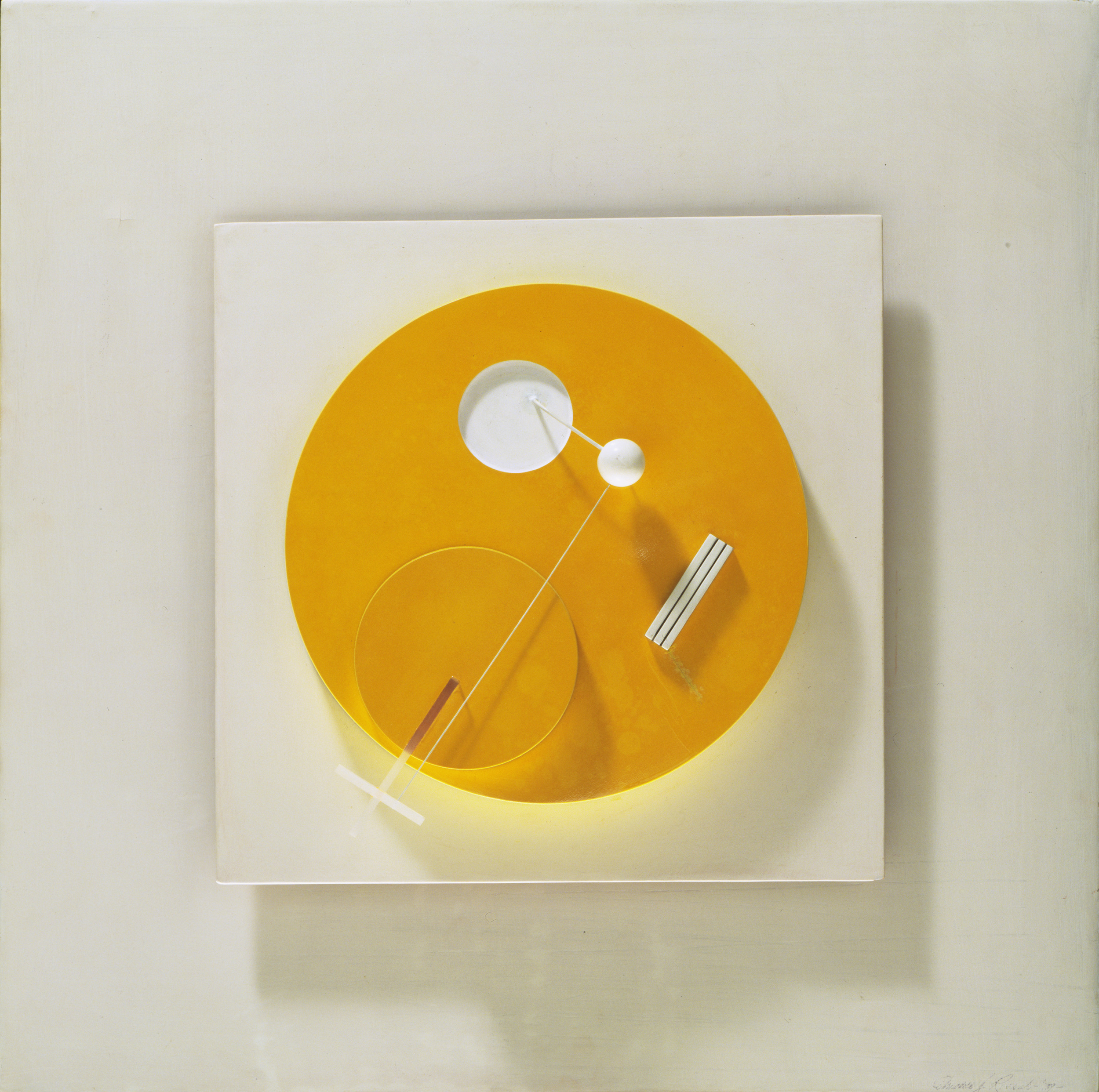
Theodore Roszak. Pierced Circle. 1939. Painted wood, plexiglass, and wire, 24 x 23 7/8 x 4 1/2" (60.8 x 60.6 x 11.4 cm). The Riklis Collection of McCrory Corporation. © Estate of Theodore Roszak/Licensed by VAGA, New York
Theodore Roszak . Untitled. c. 1937–41. Gelatin silver print, 9 3/8 x 7 5/16" (23.8 × 20.2 cm). Museum of Fine Arts, Houston. Gift of Louise Stude Sarofim. © Estate of Theodore Roszak/Licensed by VAGA, New York, NY
Related People
-
Artist
Related Links
- Cultural Hubs New York