
Front / Recto
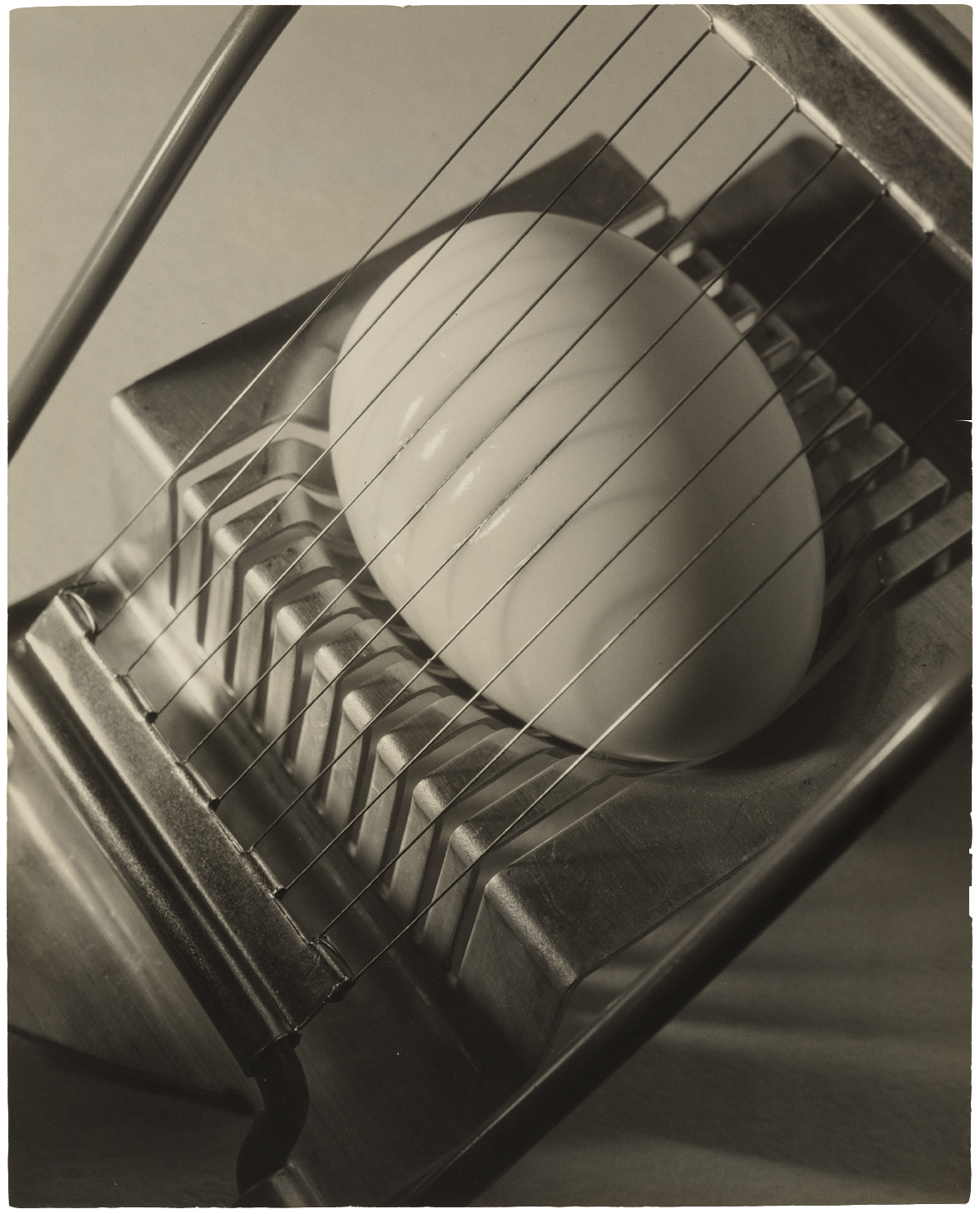
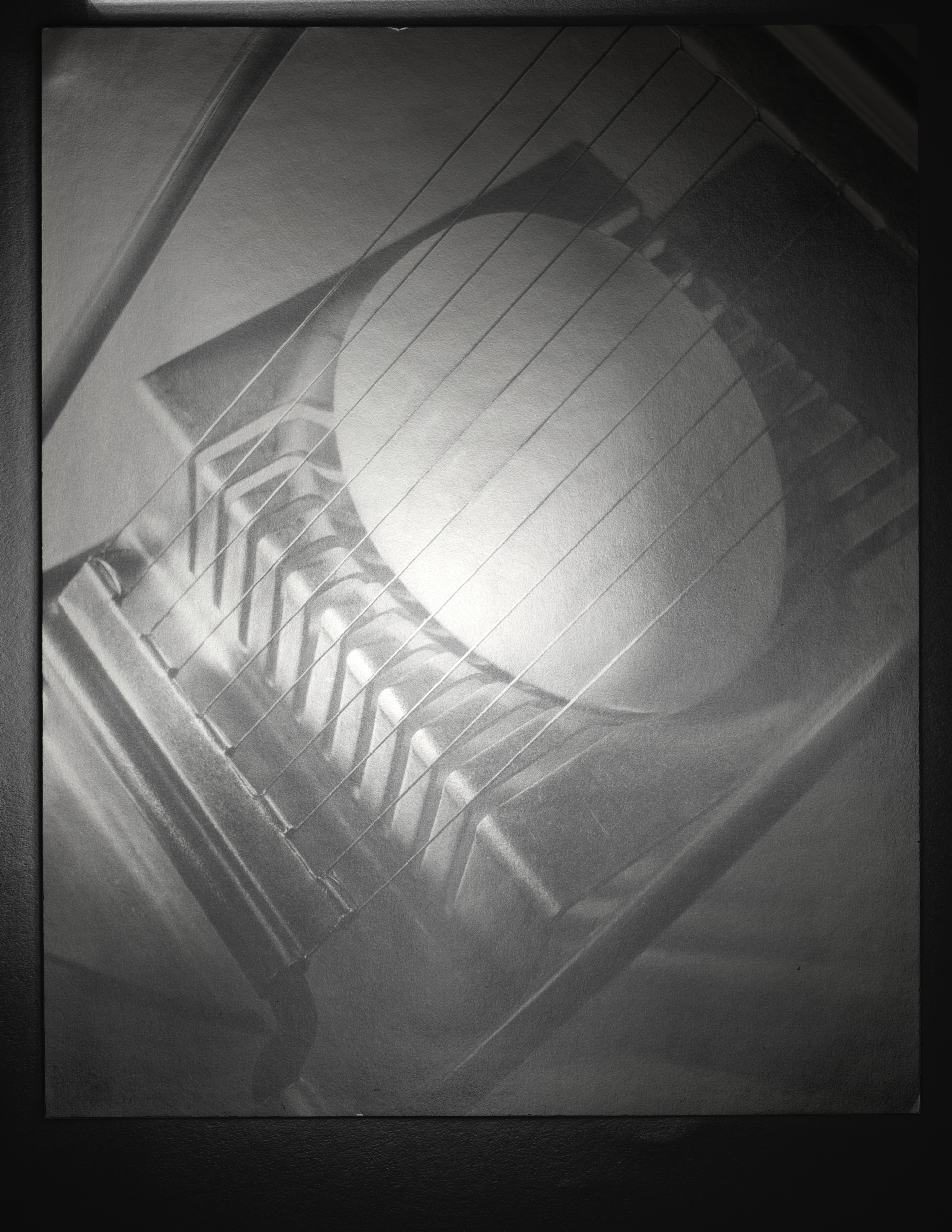
- Title Ellipsoid
- Negative Date 1931
- Print Date 1931–36
- Medium Gelatin silver print
- Dimensions Image 13 1/4 × 10 5/8" (33.7 × 27 cm)
- Place Taken Philadelphia
- Credit Line Thomas Walther Collection. Abbott-Levy Collection funds, by exchange
- MoMA Accession Number 1814.2001
Back / Verso
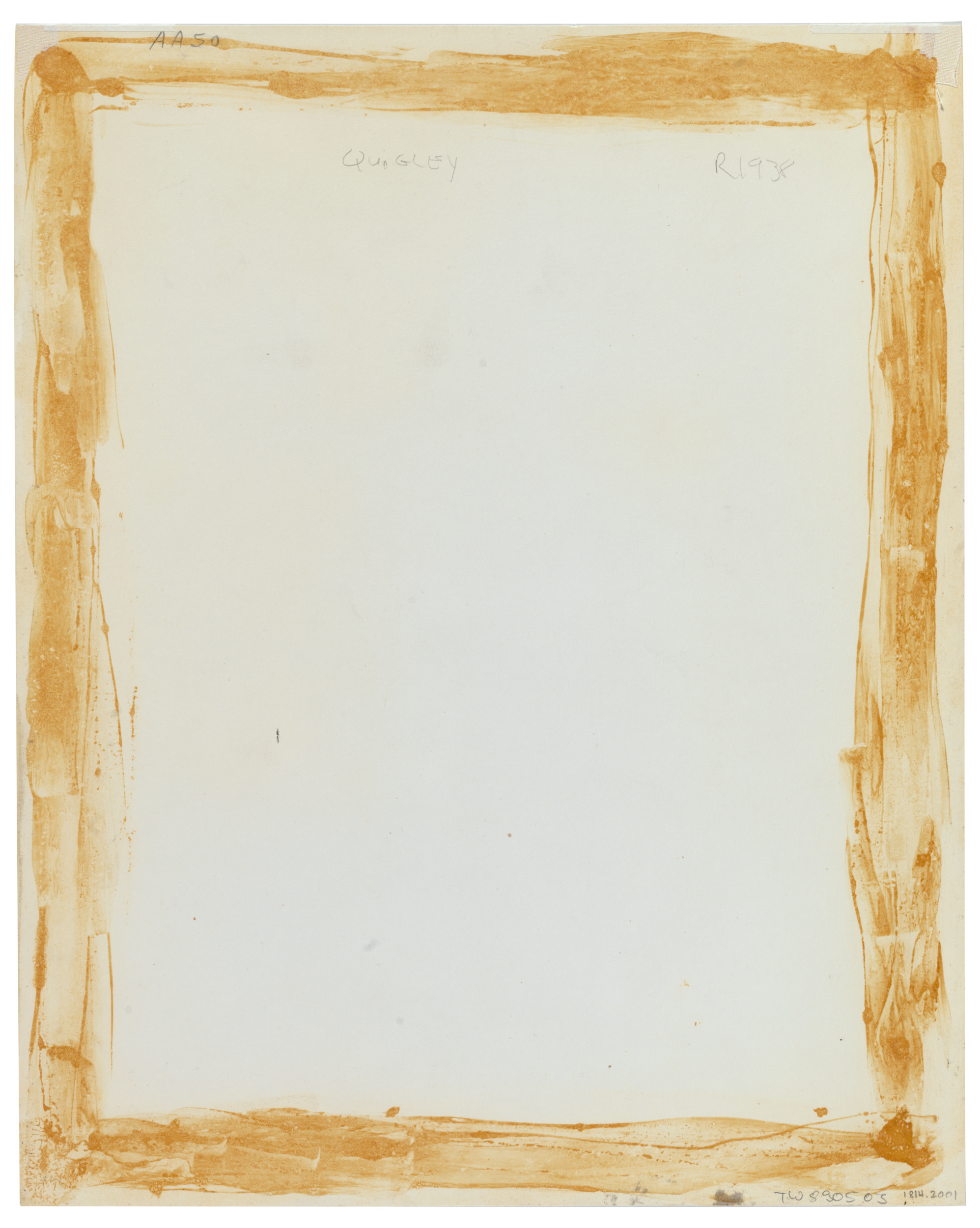
- Mount Type No mount - evidence previous mount
- Marks and Inscriptions Inscribed in pencil on sheet verso, top left: AA50. Inscribed in pencil on sheet verso, top center: QUIGLEY. Inscribed in pencil on sheet verso, top right: R 1938. Inscribed in pencil on sheet verso, bottom right: TW 890505.
-
Provenance
The artist; to the artist's estate [1]; to Jane Bunker, New Jersey [2]; to Keith de Lellis, New York [3]; purchased by Thomas Walther, May 1989 [4]; purchased by The Museum of Modern Art, New York, 2001.
[1] Keith de Lellis, telephone conversation with Simon Bieling, June 22, 2004.
[2] Ibid.; and de Lellis, letter to Audrey Sands, October 26, 2013.
[3] de Lellis, telephone conversation with Bieling.
[4] Thomas Walther archival no. TW 890505 on sheet verso.
Surface
- Surface Sheen Semireflective
- Techniques Retouching (additive) Enlargement
-
PTM
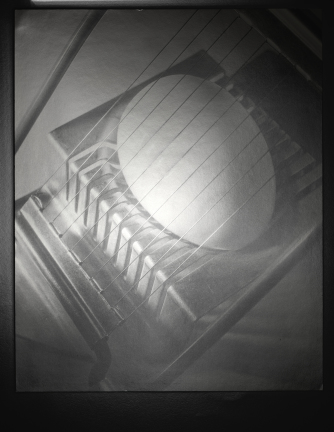 View of the recto of the artwork made using reflectance transformation imaging (RTI) software, which exaggerates subtle surface details and renders the features of the artwork plainly visible. Department of Conservation, MoMA
 -
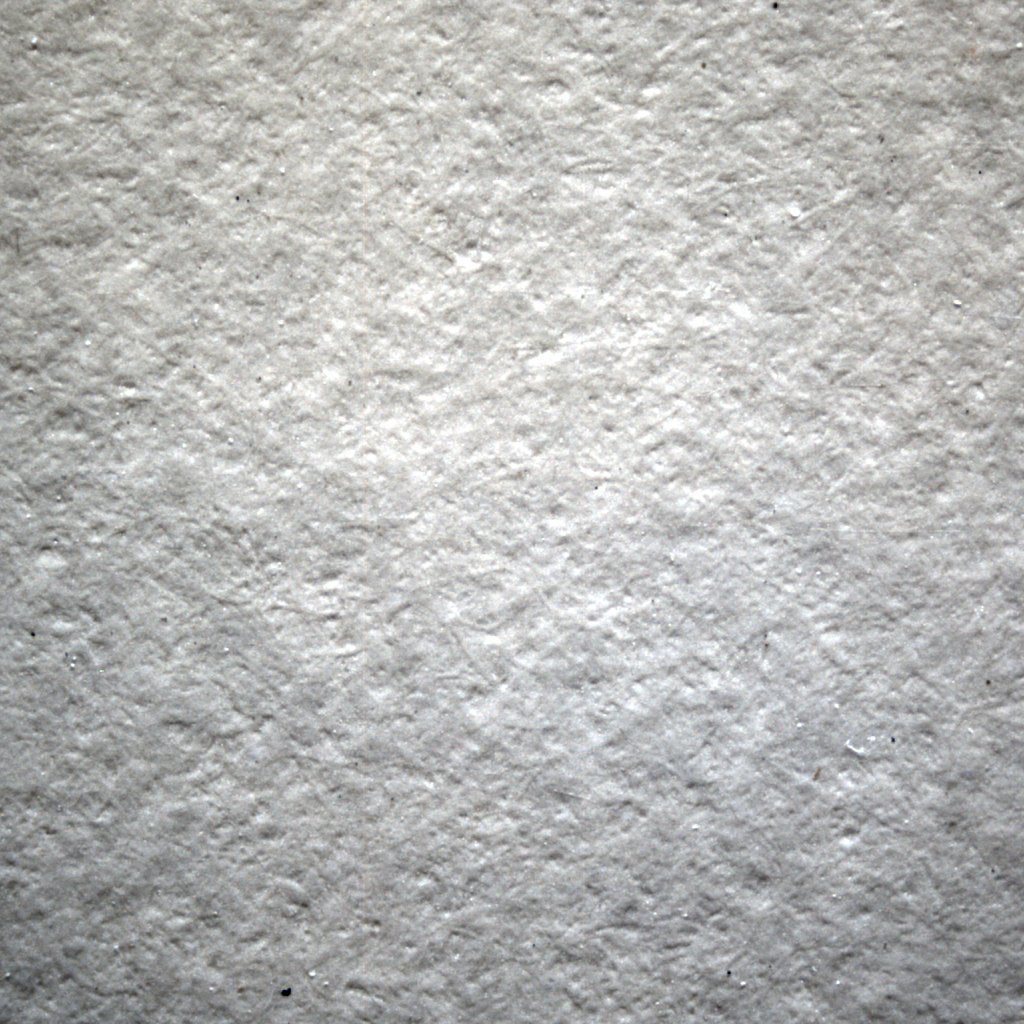
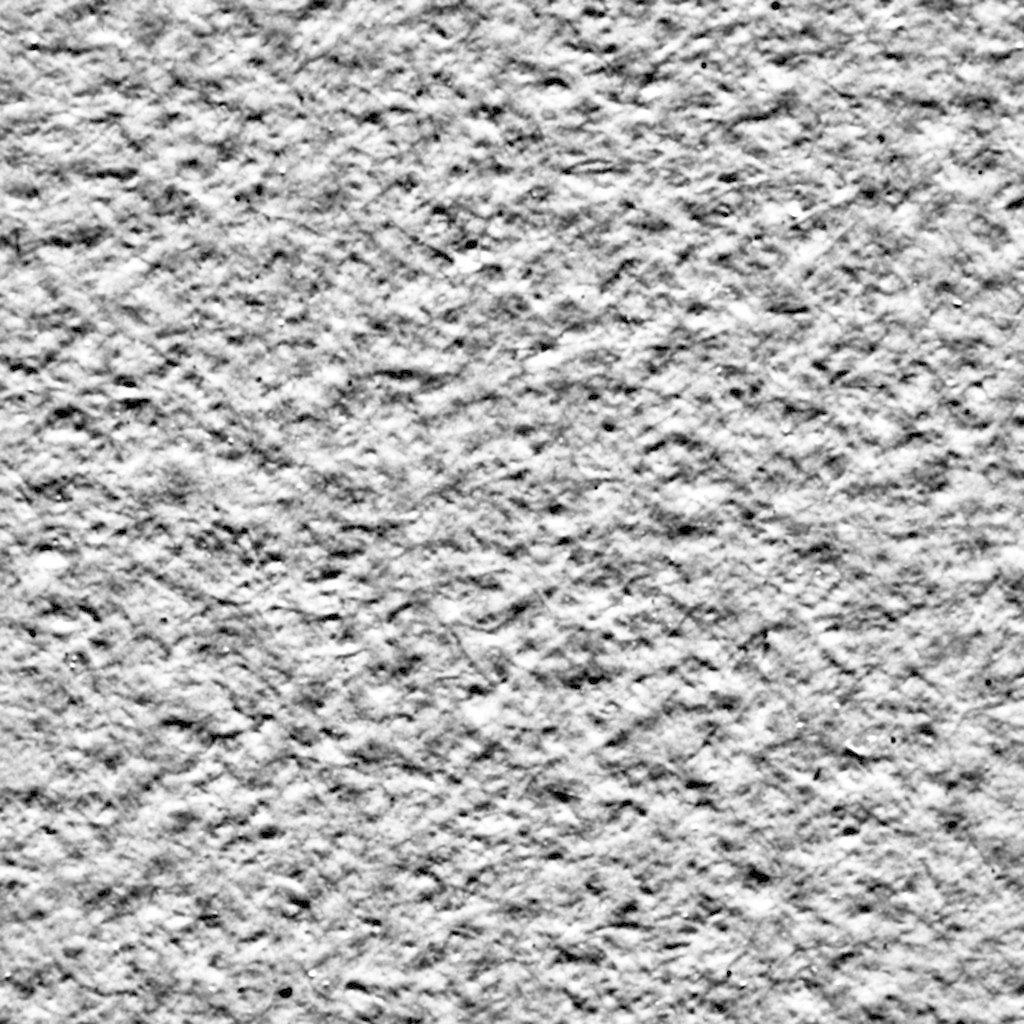
Micro-raking
 Raking-light close-up image, as shot. Area of detail is 6.7 x 6.7 mm. Department of Conservation, MoMA
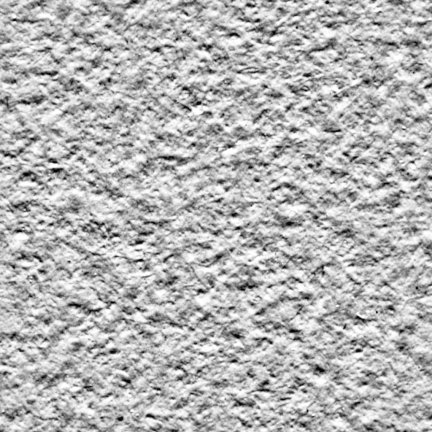 Raking-light close-up image, processed. Processing included removal of color, equalization of the histogram, and sharpening, all designed to enhance visual comparison. Department of Conservation, MoMA
Paper Material
- Format Imperial
- UV Fluorescence Recto negative Verso negative
- Fiber Analysis Softwood bleached sulfite 80% Hardwood bleached sulfite 20%
- Material Techniques Developing-out paper
-
XRF
This work was determined to be a gelatin silver print via X-ray fluorescence (XRF) spectrometry.
The following elements have been positively identified in the work, through XRF readings taken from its recto and verso (or from the mount, where the verso was not accessible):
- Recto: Al, P, S, Cl, Fe, Zn, Rb, Sr, Ag, Ba, Pb
- Verso: Al, Si, S, K, Ca, Fe, Zn, Rb, Sr, Ag, Ba, Pb
The graphs below show XRF spectra for three areas on the print: two of the recto—from areas of maximum and minimum image density (Dmax and Dmin)—and one of the verso or mount. The background spectrum represents the contribution of the XRF instrument itself. The first graph shows elements identified through the presence of their characteristic peaks in the lower energy range (0 to 8 keV). The second graph shows elements identified through the presence of their characteristic peaks in the higher energy range (8 to 40 keV).
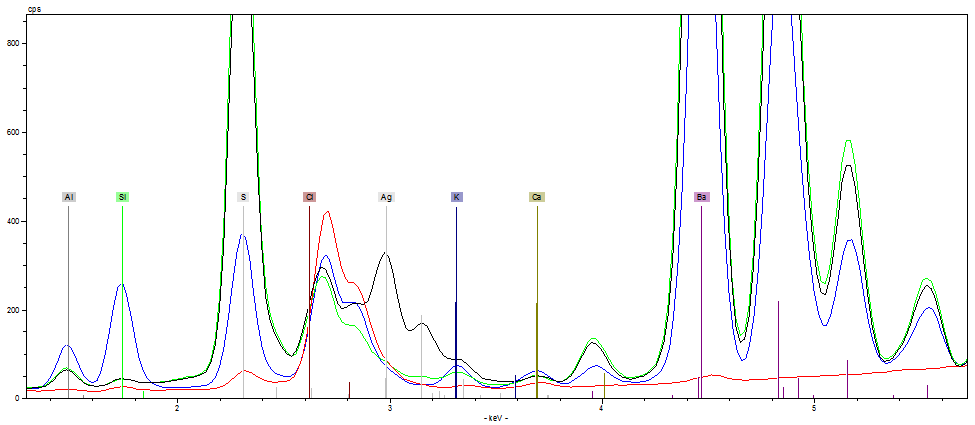 Areas examined: Recto (Dmax: black; Dmin: green), Verso or Mount (blue), Background (red)
Elements identified: Al, Si, P, S, Cl, K, Ca, Ag, Ba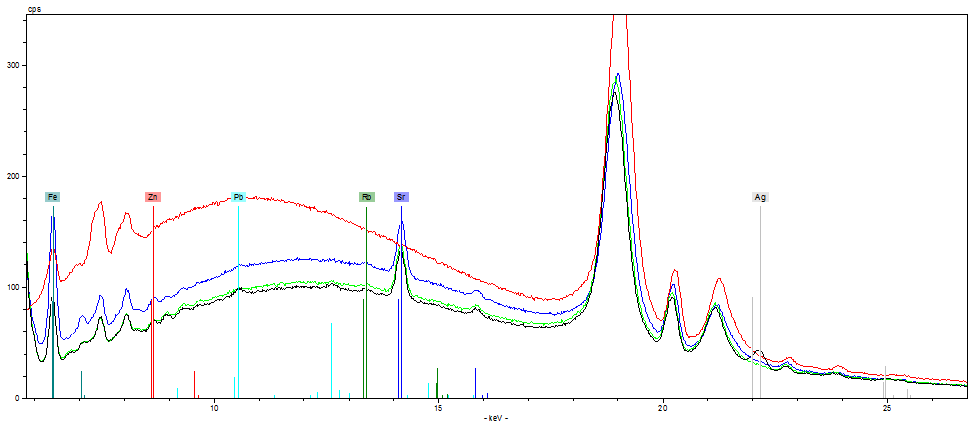 Areas examined: Recto (Dmax: black; Dmin: green), Verso or Mount (blue), Background (red)
Elements identified: Fe, Zn, Rb, Sr, Ag, Pb
In Context
Related Images
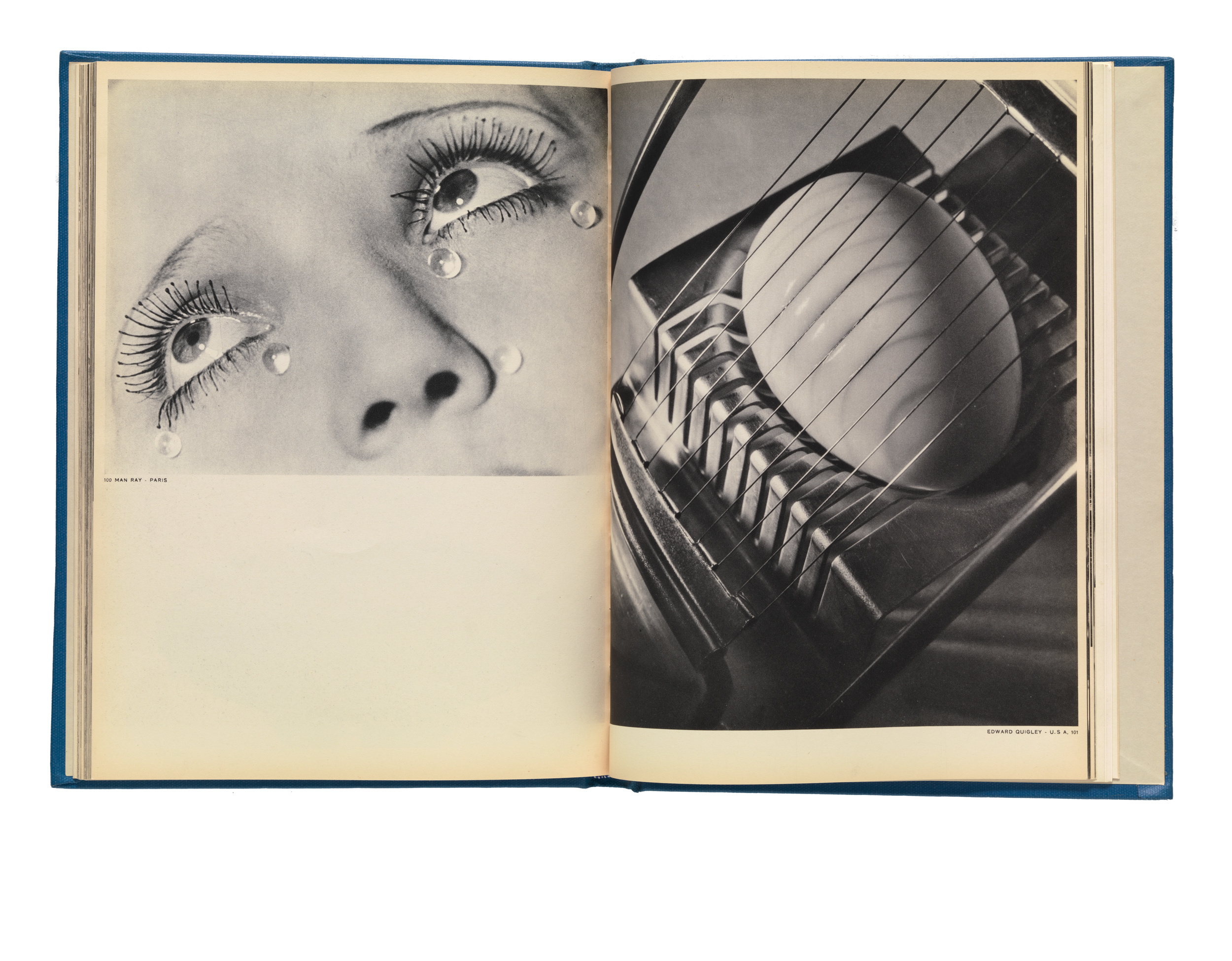
Spread from Photographie. Paris: Arts et Métiers Graphiques, 1933–34. Left: Man Ray. Right: Edward Quigley.
Historical Publications
-
Photographie, p. 101 (as untitled photograph). Paris: Arts et Métiers Graphiques, 1933–34.
Forward, 1942, cover.
Historical Exhibitions
-
Philadelphia Art Alliance. Solo exhibition of photographs by Edward Quigley. June 1932.
Los Angles Museum of History, Science, and Art. 17th Annual Salon of Pictorial Photography. Organized by The Camera Pictorialists of Los Angeles, December 12, 1933–January 28, 1934. Traveled to M. H. de Young Memorial Museum, San Francisco, February 4–March 4, 1934.
Related People
-
Artist
