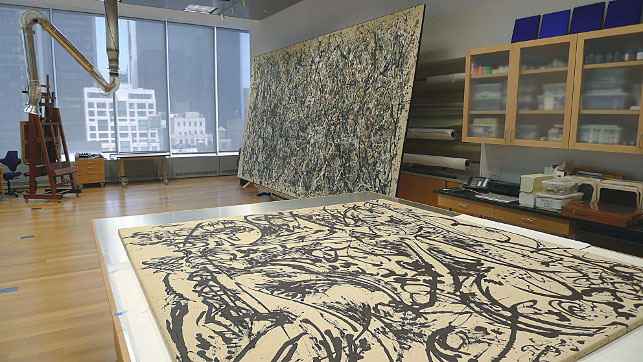
In our introductory post, we explained that Jackson Pollock’s 1950 painting, One, has been relocated to MoMA’s conservation studio for study and conservation.


In our introductory post, we explained that Jackson Pollock’s 1950 painting, One, has been relocated to MoMA’s conservation studio for study and conservation.
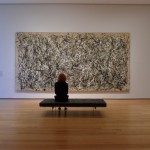
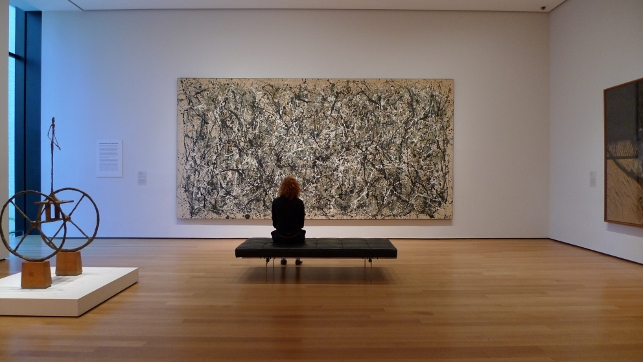
Installation view of Jackson Pollock’s One: Number 31, 1950, at The Museum of Modern Art, New York. 1950. Oil and enamel paint on canvas. Sidney and Harriet Janis Collection Fund (by exchange). © 2012 Pollock-Krasner Foundation/Artists Rights Society (ARS), New York
Recent visitors to The Museum of Modern Art may have found themselves wandering through the Painting and Sculpture Galleries unable to shake the sense that something is awry.

This week’s Ten-Minute Talk features Scott Gerson, Associate Conservator in MoMA’s Department of Conservation who discusses the materials and processes explored in Ellen Gallagher’s featured work Deluxe on display in the Printin’ exhibition.
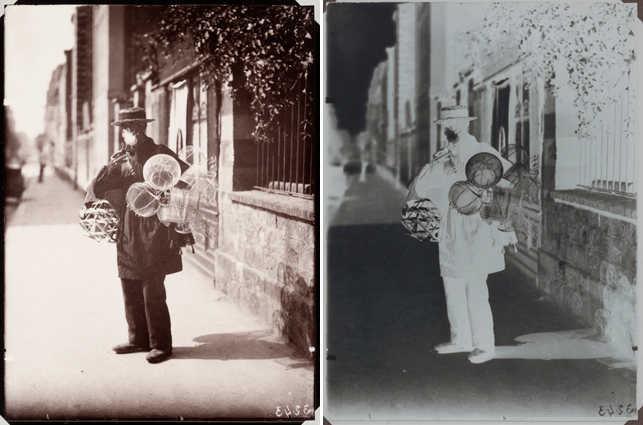
From left: Eugène Atget. Marchand de paniers en fil de fer. 1899–1900. Albumen silver print, printed 1978 by Chicago Albumen Works. Abbott-Levy Collection. Partial gift of Shirley C. Burden; Eugène Atget. Marchand de paniers en fil de fer. 1899–1900. Gelatin dry plate negative. Abbott-Levy Collection. Partial gift of Shirley C. Burden
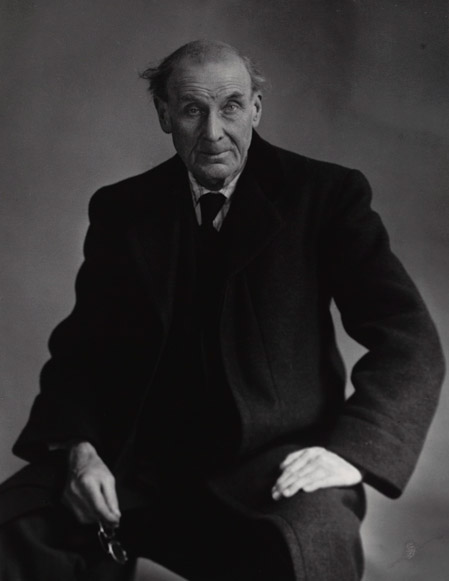
Berenice Abbott. Eugène Atget. 1927. Gelatin silver print. Gift of Maria Morris Hambourg
For the first time in more than 25 years, Museum visitors will have the opportunity to enjoy a generous selection of work by the extraordinarily prolific and inventive photographer Eugène Atget (French, 1857–1927).
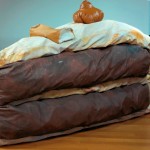
This is the final blog post for the conservation of Claes Oldenburg’s Floor Cake.
Below you can see the individual layers after cleaning.
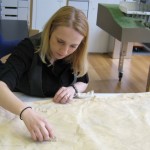
Over the course of the past few months the conservation of Floor Cake has been completed. We would like to use the next posts to describe our treatment and the results.
Before cleaning we consolidated any areas of flaking paint with Lascaux Acrylic Adhesive.
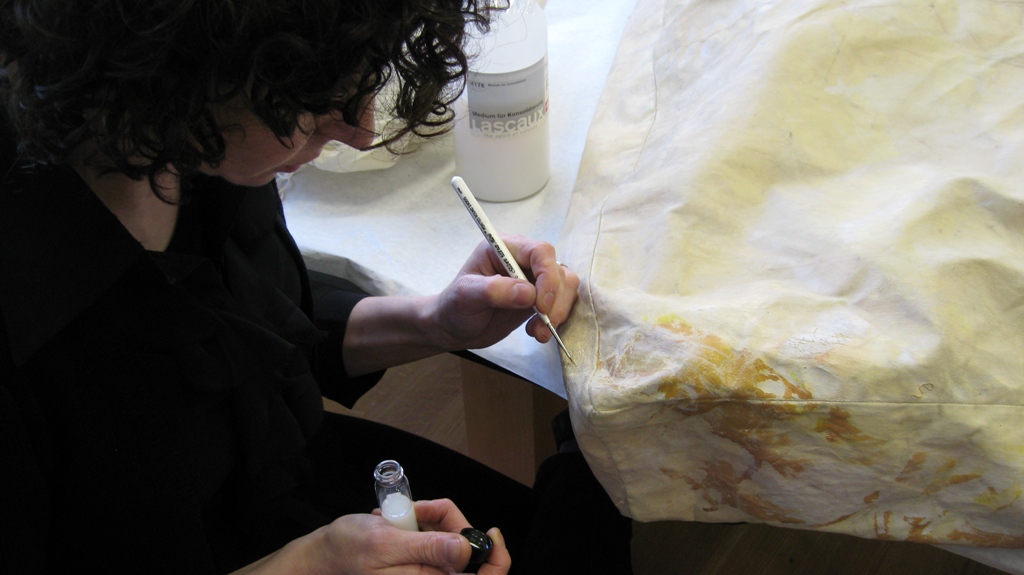
Lascaux was chosen for its low viscosity or ability to wick under paint and mattness upon drying.
We then found that a combination of cleaning techniques yielded the safest and best results. We first vacuumed the entire surface of the cake with a variable-suction vacuum set to very low suction. Then we began with dry cleaning to see just how much dirt and grime we could remove without moisture. Of all of our methods, we found rubber soot sponges to be very gentle and highly effective. We cut the sponges into small, manageable wedges and then lightly rubbed and patted the entire surface overall, including the drop and sprinkle, to remove an initial layer of grime.
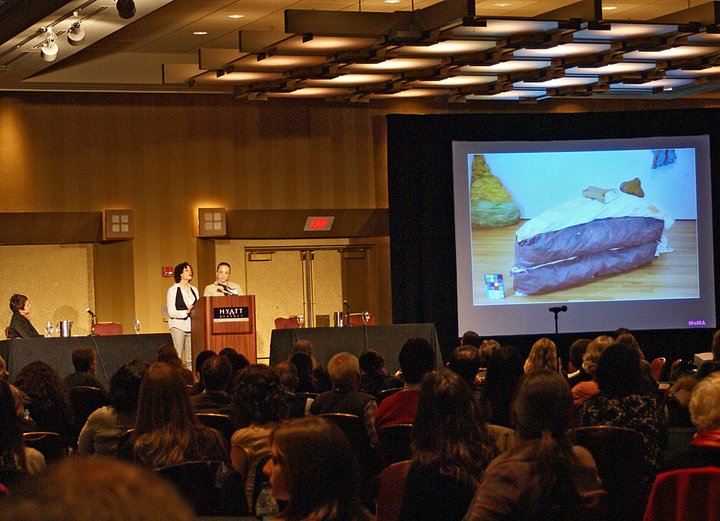
At AIC, Cindy Albertson and Margo Delidow discuss the history and treatment of Floor Cake
We’ve taken a short break from writing about Claes Oldenburg’s iconic Floor Cake sculpture—currently undergoing conservation treatment here at MoMA—to prepare a lecture for last week’s annual meeting of the American Institute for Conservation of Historic and Artistic Works (AIC), in Milwaukee, Wisconsin. Conservators, educators, and scientists gather each year to discuss new types of treatments for works of art and to examine the effects of past treatment. Our presentation focused on the history of Floor Cake and its condition (please see our previous posts), as we have been working to conserve this unique and popular work for the past several months.
In our previous posts we discussed the materials and methods used by Claes Oldenburg to create Floor Cake, the artist’s unique and popular piece of painted cake currently undergoing conservation treatment here at MoMA. This week, we investigate the properties of Floor Cake’s surface dirt, to help us prepare an optimal cleaning solution to remove dirt and grime from the sculpture’s painted surface.
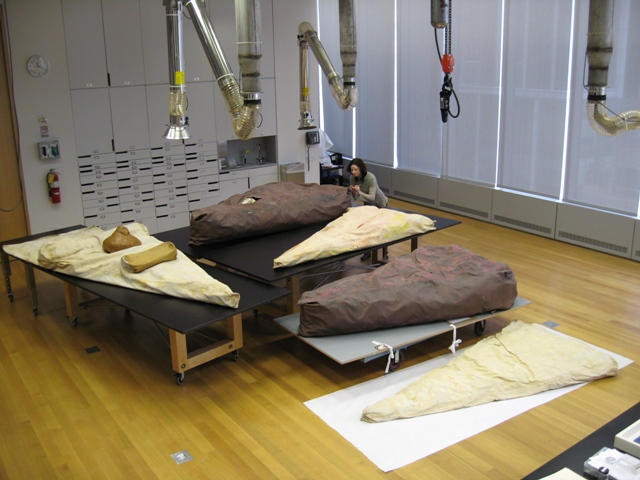
Floor Cake disassembled during treatment
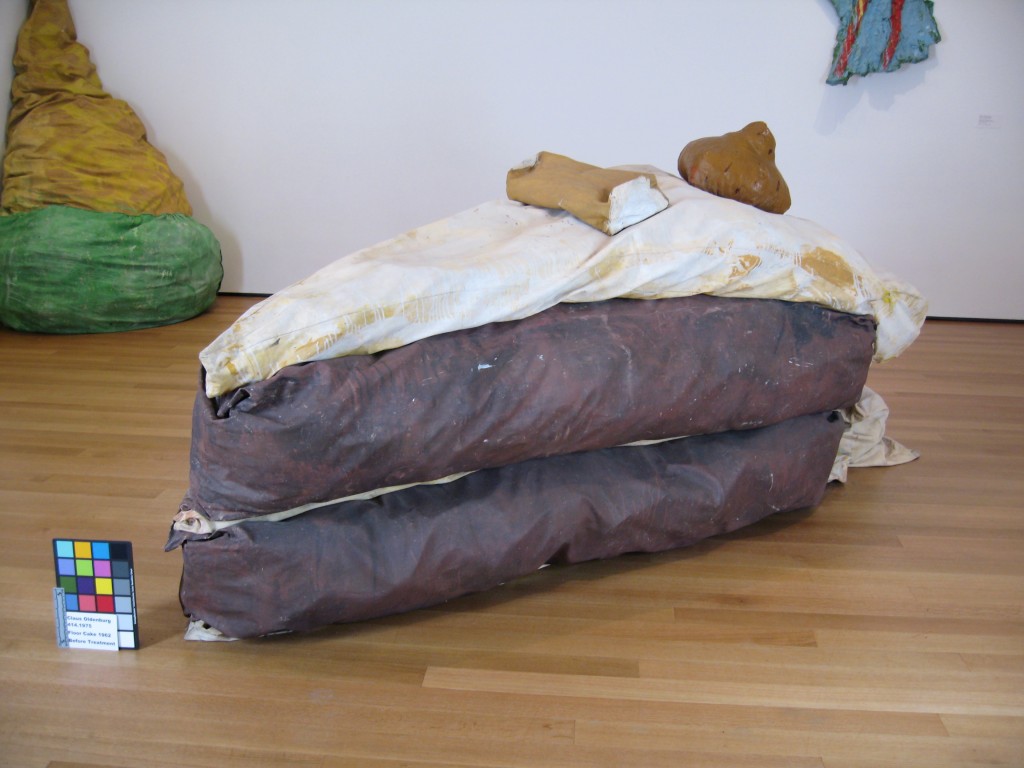
Floor Cake, installed in a MoMA gallery
Looking forward, our preservation of Claes Oldenburg’s Floor Cake aims to bring the object to a state that more closely resembles the artist’s original intent. It will also stabilize the condition of the sculpture so that it can both endure a rigorous exhibition schedule and be safe in long-term storage. To develop a successful treatment plan, we considered the sculpture in distinct sections based on its materials:
If you are interested in reproducing images from The Museum of Modern Art web site, please visit the Image Permissions page (www.moma.org/permissions). For additional information about using content from MoMA.org, please visit About this Site (www.moma.org/site).
© Copyright 2016 The Museum of Modern Art