New York–born actor/director John Cassavetes (1929–1989) began working in early episodic television while directing his first feature film, Shadows, which officially opened in March 1961 in New York City. Concurrent with the production of Shadows, Cassavetes starred in and directed 27 episodes of the early television crime drama Johnny Staccato (which was filmed in Los Angeles but set in a Greenwich Village jazz club), in which he played the title role, a jazz pianist/private detective.


Posts by Anne Morra
May 28, 2014
|
Collection & Exhibitions,
Film
From the Collection: John Cassavetes’s A Pair of Boots (1962)
March 27, 2014
|
Film
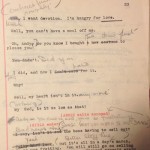
Apple Tree Farm: A Script by Stanley Lupino, with Revisions by Ida Lupino
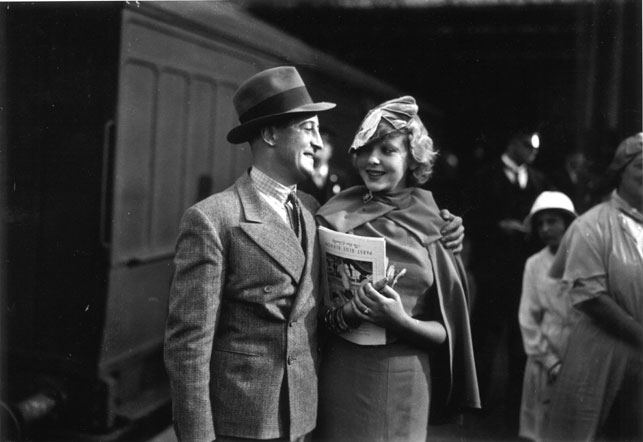
Ida Lupino with her father, Stanley. c. 1936
Ida Lupino’s (1918–1995) work as an accomplished actress is acknowledged by many who enjoy classic Hollywood studio films. With well-known movies like The Adventures of Sherlock Holmes (1939), They Drive by Night (1940), and the memorable High Sierra (1941) as part of her acting résumé
February 6, 2014
|
Collection & Exhibitions,
Film
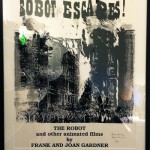
Finding The Robot
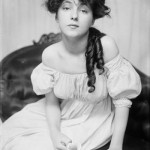
Recently I was watching a 35mm print of a new film acquisition called Vincere (2009), directed by Marco Bellocchio. Vincere tells the story of the rise of Benito Mussolini and Ida Dalser, the woman he kept as his secret lover for decades. At one point in the film, Mussolini pays a visit to the Milan headquarters of the Futurists to view a multimedia art exhibition.
October 10, 2013
|
Film
The Unwritten Law: Reel Life/Real Life
On my way to MoMA each morning, I walk past the majestic Italian Renaissance revival building of the University Club of New York. This stronghold on the corner of Fifth Avenue and 54th Street was designed by the architectural firm of McKim, Mead, and White and completed in 1899.
July 25, 2013
|
Film
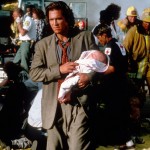
Rediscovering Peter Weir’s Fearless
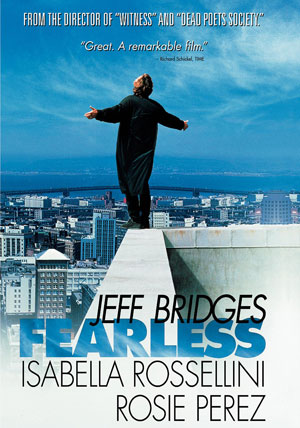
Poster for Fearless. 1993. USA. Directed by Peter Weir

May 16, 2013
|
Film
FIAF Congress 2013: A Visit to Barcelona’s Filmoteca de Cataluyna
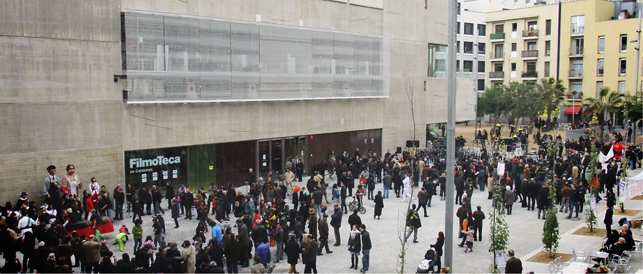
Filmoteca de Catalunya in Barcelona
Chief film curator Rajendra Roy and I attended the 69th congress of the International Federation of Film Archives (FIAF), in Barcelona, Spain, April 21–27. Each year the member and associate film archives convene in a city where the annual congress is hosted by a local FIAF institution
February 21, 2013
|
Film
Discovering No Time for Sergeants (1958)
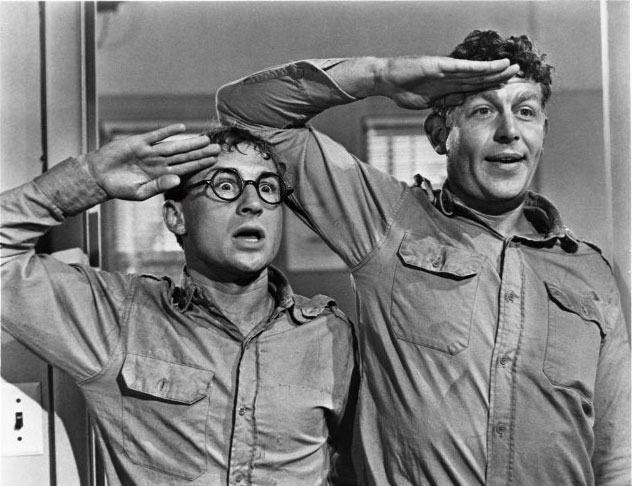
Nick Adams and Andy Griffith in No Time for Sergeants. 1958. USA. Directed by Mervyn LeRoy
I may be a film curator, but I certainly haven’t seen every film ever made. First, such an aspiration is impossible. When do you do the laundry? Second, discovering a film one has not yet seen is too much fun to give up.
December 20, 2012
|
Behind the Scenes,
Film
The Provenance of the Montgomery Clift Film Collection at MoMA
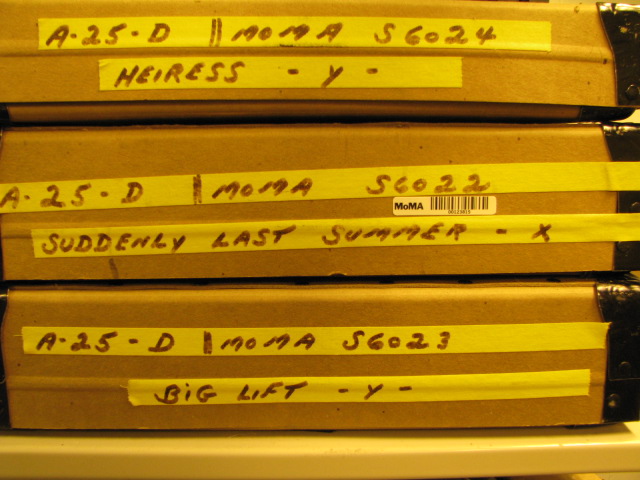
Montgomery Clift collection film cans. Photo by Art Wehrhahn, Celeste Bartos Film Preservation Center manager
The provenance of a work of art is an important part of the acquisition process. What is a provenance? By definition, the noun provenance—with respect to art and archeological specimens—is a place or source of origin.
October 4, 2012
|
Artists,
Collection & Exhibitions,
Film
Goldfinger: A Convergence at MoMA
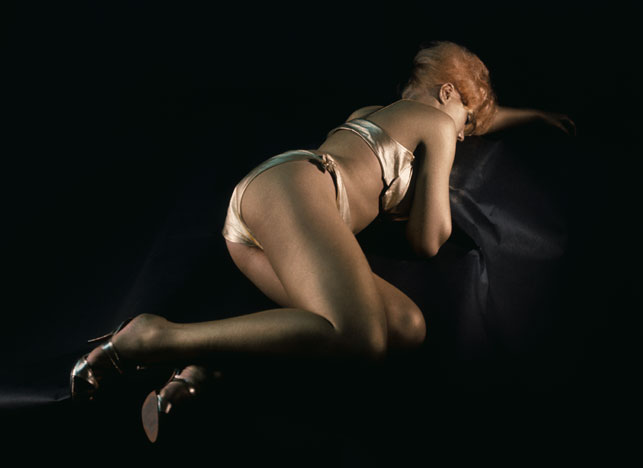
Robert Brownjohn. Preparatory study for Goldfinger title sequence. 1964. Silver-gelatin print. Photograph by Herbert Spencer. The Museum of Modern Art, New York. Gift of Don Goeman. © 2012 Eliza Brownjohn
The 1964 James Bond film Goldfinger is not only an exhilarating classic of the spy genre, but also a recurring influence in art and popular culture. During the month of October, visitors to MoMA can experience the Goldfinger phenomenon in a variety of distinct configurations.

July 19, 2012
|
Collection & Exhibitions,
Film
Unaccompanied Minors: From Feeding the Baby to the Hollow City
Last year my colleagues Juliet Kinchin and Aidan O’Connor invited me to think about organizing a discrete film exhibition in conjunction with their gallery exhibition, Century of the Child: Growing by Design, 1900–2000.
If you are interested in reproducing images from The Museum of Modern Art web site, please visit the Image Permissions page (www.moma.org/permissions). For additional information about using content from MoMA.org, please visit About this Site (www.moma.org/site).
© Copyright 2016 The Museum of Modern Art
Welcome to MoMA.org. To take full advantage of all the site’s features, including the option to save works in the collection, please upgrade your browser to Firefox,
Google Chrome, Safari, or Internet Explorer 9.
See our help page for more information.
To take full advantage of all of the features on MoMA.org, please upgrade your browser to Firefox, Google Chrome,
Safari, or Internet Explorer 9.