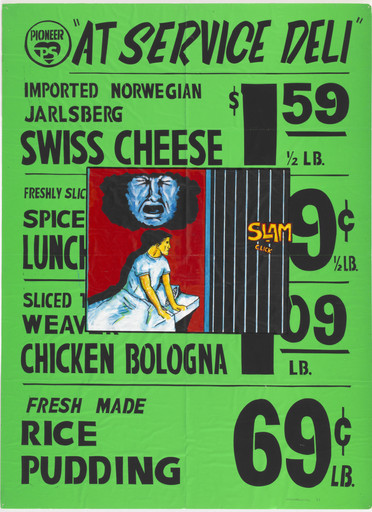
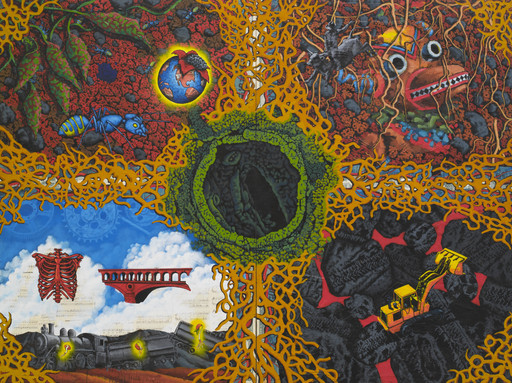
Synthetic polymer paint, felt-tip pen, watercolor, and postcards on supermarket poster
Not on view
Wojnarowicz was a self-taught, multidisciplinary artist and gay activist vital to the 1980s East Village art scene in New York City. In his art he often layered images "cannibalized" from comics, science fiction, news, and advertising with recurring symbols of cryptic, personal significance (like the dung beetle) to probe oppositional themes of order and disorder, birth and death. After being diagnosed with HIV in 1987, his work grew darker and more politically charged, in a searing indictment of a diseased America and its response to the AIDS epidemic. In Seven Miles a Second Wojnarowicz explored his own sense of mortality, also voiced in his essay "Post cards from America: X-Rays from Hell" (1988), for which he wrote, "The minimum speed required to break through the earth's gravitational pull is seven miles a second . . . we would have to learn to run awful fast to achieve escape from where we are heading."
Compass in Hand: Selections from The Judith Rothschild Foundation Contemporary Drawings Collection, April 22, 2009–January 4, 2010.
Explore more
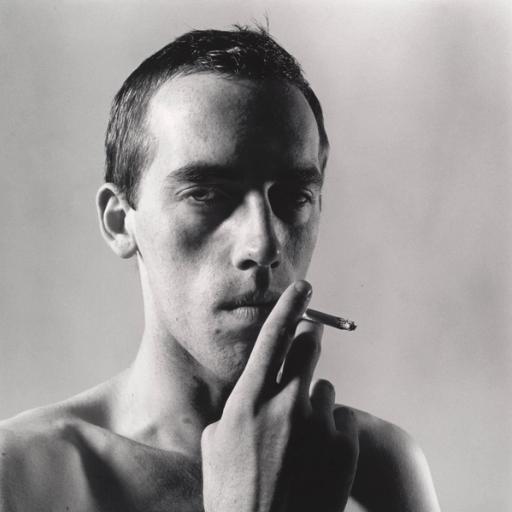
David Wojnarowicz
American, 1954–1992 17 works onlineFor Wojnarowicz, exposing the hypocrisy of an unjust society was a fundamental reason for making art. Through his paintings, photography, sculptures, films, performances, and writing, Wojnarowicz captured the rage felt by those society had cast aside—himself included—and expressed it in ways that still impact us today.
Learn more →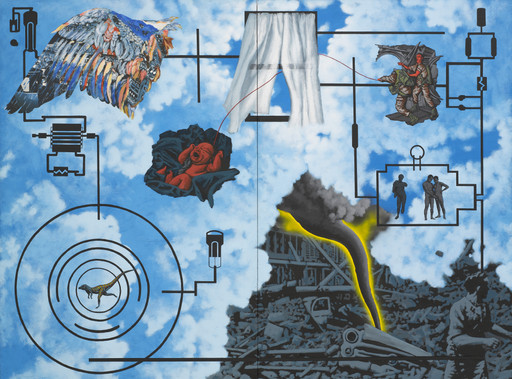

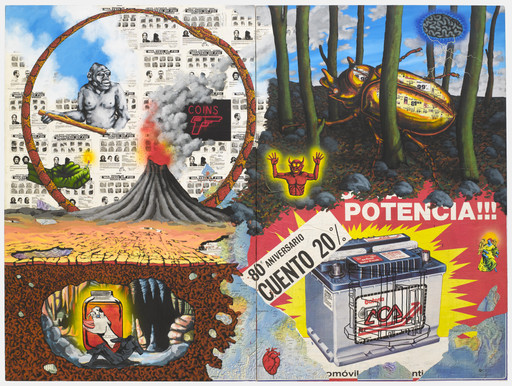

From MoMA Design Store


Installation views
We have identified this work in the following photos from our exhibition history.
Licensing
Artwork or archival images
If you would like to reproduce an image of a work of art in MoMA's collection, or an image of a MoMA publication or archival material (including installation views, checklists, and press releases), please contact Art Resource (publication in North America) or Scala Archives (publication in all other geographic locations).
Audio and film clips
MoMA licenses archival audio and select out of copyright film clips from our film collection. At this time, MoMA produced video cannot be licensed by MoMA/Scala. All requests to license archival audio or out of copyright film clips should be addressed to Scala Archives at [email protected]. Motion picture film stills cannot be licensed by MoMA/Scala. For access to motion picture film stills for research purposes, please contact the Film Study Center at [email protected]. For more information about film loans and our Circulating Film and Video Library, please visit Circulating Film and Video Library.
Text from a publication or the archives
If you would like to reproduce text from a MoMA publication, please email [email protected]. If you would like to publish text from MoMA's archival materials, please fill out this permission form and send to [email protected].
Feedback
This record is a work in progress. If you have additional information or spotted an error, please fill out this feedback form.