Wall began making large backlit transparencies in the late 1970s. He had experimented with filmmaking, and he felt that staging scenes for the camera could radically broaden the potential of still photography. Another touchstone for his large pictures has been the grand theater of human figures in Western painting since the Renaissance.
Wall's ambitious project began to take shape in the early 1980s when he embarked on a series of photographs devoted to the everyday lives of people at the margins of society. Many of the pictures (including Milk) were derived from incidents that Wall observed and subsequently adapted and restaged with nonprofessional actors.
In Milk the harsh, impersonal geometry of the background transforms the scene into a stage, and the man's clenched posture and the liquid explosion distill the violence of anger into a vivid symbol. Instead of evoking the continuity of experience, the arrested image snatches the figure out of time altogether, rendering him a static emblem of distress.
The Museum of Modern Art, MoMA Highlights since 1980, New York: The Museum of Modern Art, 2007, p. 57.
Explore more
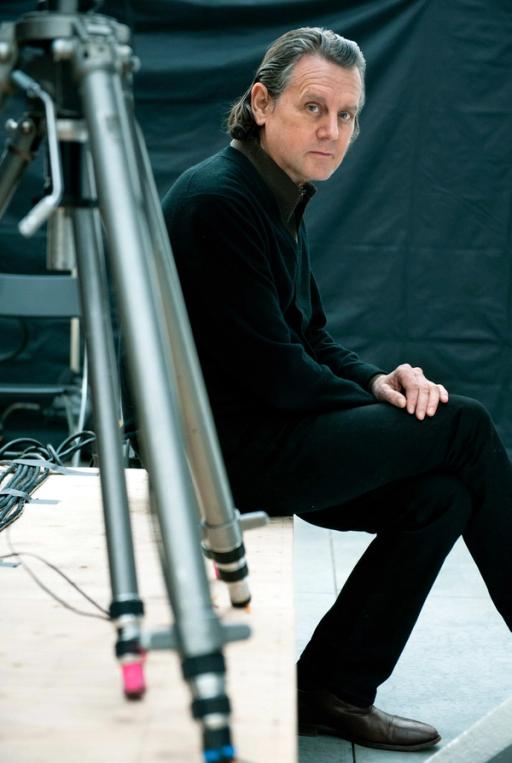
Jeff Wall
Canadian, born 1946 9 works onlineIn the summer of 1977, Jeff Wall visited Madrid’s Museo del Prado for the first time and became enchanted with its collection of Old Master paintings.
Learn more →
From MoMA Design Store


Installation views
We have identified this work in the following photos from our exhibition history.
Licensing
Artwork or archival images
If you would like to reproduce an image of a work of art in MoMA's collection, or an image of a MoMA publication or archival material (including installation views, checklists, and press releases), please contact Art Resource (publication in North America) or Scala Archives (publication in all other geographic locations).
Audio and film clips
MoMA licenses archival audio and select out of copyright film clips from our film collection. At this time, MoMA produced video cannot be licensed by MoMA/Scala. All requests to license archival audio or out of copyright film clips should be addressed to Scala Archives at [email protected]. Motion picture film stills cannot be licensed by MoMA/Scala. For access to motion picture film stills for research purposes, please contact the Film Study Center at [email protected]. For more information about film loans and our Circulating Film and Video Library, please visit Circulating Film and Video Library.
Text from a publication or the archives
If you would like to reproduce text from a MoMA publication, please email [email protected]. If you would like to publish text from MoMA's archival materials, please fill out this permission form and send to [email protected].
Feedback
This record is a work in progress. If you have additional information or spotted an error, please fill out this feedback form.