Oil on burlap
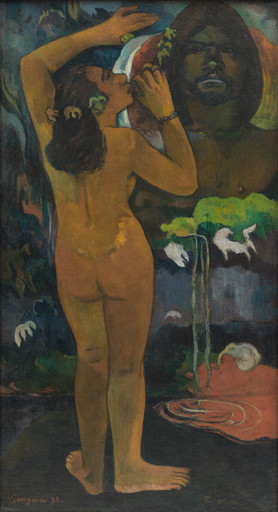
Here a young Polynesian woman sits on a blue-and-white cloth. Gauguin’s style fuses various non-European sources: ancient Egyptian (in the hieratic pose), Japanese (in the relative absence of shadow and modeling and in the areas of flat color), and Javanese (in the position of the arms, influenced by a relief in Indonesia’s Borobudur temple). But there are also signs of the West, specifically through aspects of the pose derived from a work by the French Symbolist painter Pierre Puvis de Chavannes. The color, too, is eclectic: although Gauguin claimed to have found his palette in the Tahitian landscape, the exquisite chromatic chords in The Seed of the Areoi owe more to his aesthetic invention than to the island’s visual realities.
In the origin myth of the Areoi, a Polynesian secret society, a male sun god mates with the most beautiful of all women, Vairaumati, to found a new race. By painting his Tahitian lover Tehura as Vairaumati, Gauguin implied a continuity between the island’s mythology and its present reality during his stay there. In fact, the island had been profoundly altered by colonialism, and the Areoi society itself had disappeared. Gauguin’s anachronistic vision was particularly powerful for him, however, in the contrast it provided with the West, which, he believed, had fallen into “a state of decay.”
MoMA Highlights: 375 Works from The Museum of Modern Art, New York (New York: The Museum of Modern Art, 2019)
Explore more
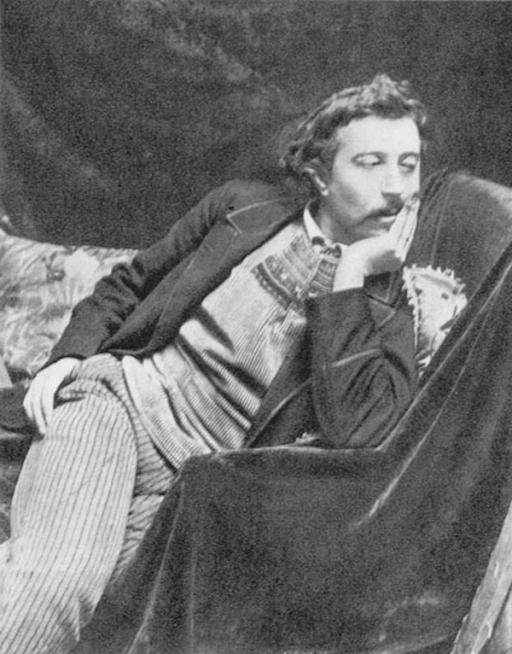
Paul Gauguin
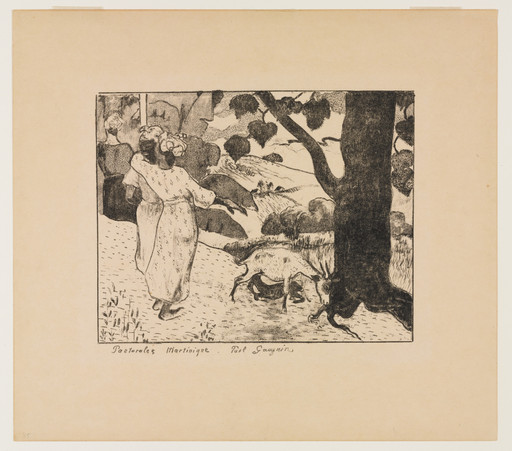
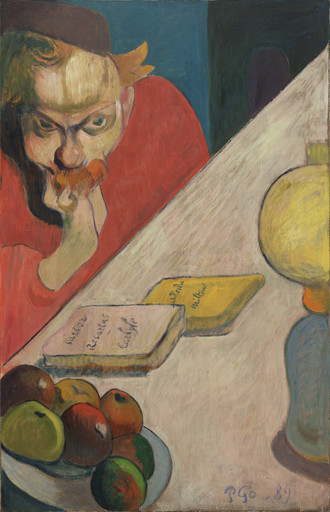
French, 1848–1903 35 works onlineAlong with his contemporaries Vincent van Gogh and Paul Cézanne , Paul Gauguin was a pioneer of modernist art. His use of expressive colors, flat planes, and simplified, distorted forms in paintings, as well as a rough, semi-abstract aesthetic in sculptures and woodcuts , exerted a profound influence on avant-garde artists in the early 20th century, from Henri Matisse and Pablo Picasso to the German Expressionists .
Learn more →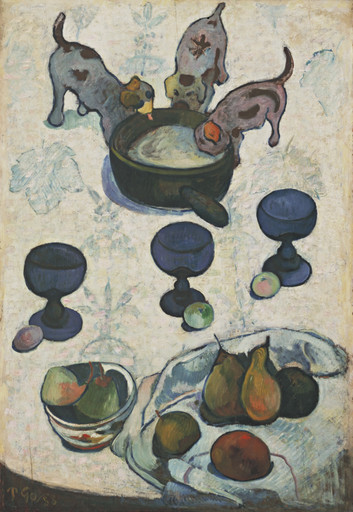
Post-Impressionism
A term coined in 1910 by the English art critic and painter Roger Fry and applied to the reaction against the naturalistic depiction of light and color in Impressionism.
Learn more →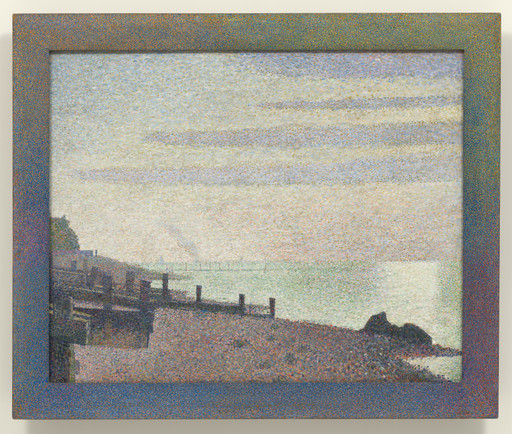
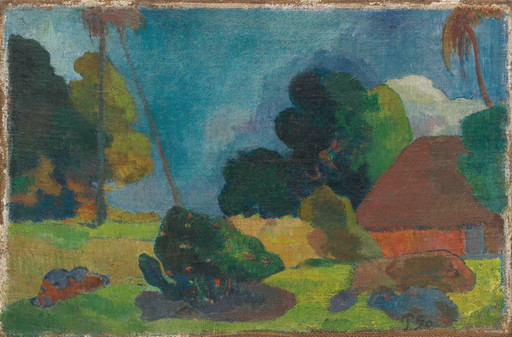
Primitive art
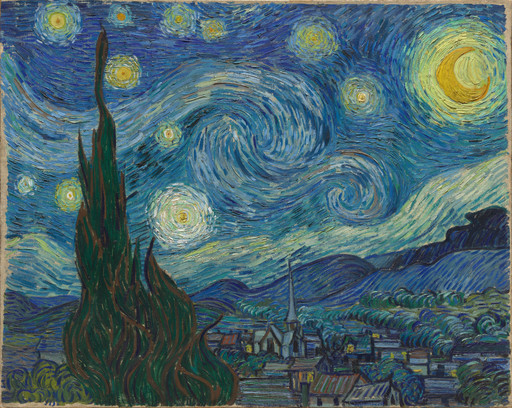
A term that has been used to refer to the art of various historical European periods and of non-Western societies.
Learn more →
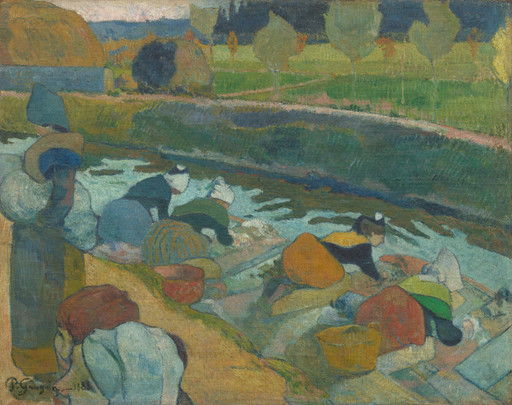
Intimate Visions
Gallery 518Much modern painting is made on a grand scale, but the works in this gallery are intimate in size and character.
Learn more →
From MoMA Design Store


Installation views
We have identified this work in the following photos from our exhibition history.
Licensing
Artwork or archival images
If you would like to reproduce an image of a work of art in MoMA's collection, or an image of a MoMA publication or archival material (including installation views, checklists, and press releases), please contact Art Resource (publication in North America) or Scala Archives (publication in all other geographic locations).
Audio and film clips
MoMA licenses archival audio and select out of copyright film clips from our film collection. At this time, MoMA produced video cannot be licensed by MoMA/Scala. All requests to license archival audio or out of copyright film clips should be addressed to Scala Archives at [email protected]. Motion picture film stills cannot be licensed by MoMA/Scala. For access to motion picture film stills for research purposes, please contact the Film Study Center at [email protected]. For more information about film loans and our Circulating Film and Video Library, please visit Circulating Film and Video Library.
Text from a publication or the archives
If you would like to reproduce text from a MoMA publication, please email [email protected]. If you would like to publish text from MoMA's archival materials, please fill out this permission form and send to [email protected].
Feedback
This record is a work in progress. If you have additional information or spotted an error, please fill out this feedback form.