Painted metal birdcage containing marble blocks, thermometer, and piece of cuttlebone
This painted metal birdcage—cut down to a height that would suit only a very tiny bird—contains 152 cubes that resemble sugar but are, in fact, white marble. (It amused Duchamp to see friends try to lift the work, only to discover that the cubes “weigh a ton.”) Placed among them are a cuttlebone and a thermometer, which is ostensibly taking the temperature of the cold marble. Duchamp acknowledged the absurdity of the title’s question, spelled out in black letters on the underside of the cage, noting, “You can’t sneeze at will!”
Marcel Duchamp, April 12–August 22, 2026
Gallery label from Dada , June 18–September 11, 2006
Rose Sélavy figures allusively in this "semi-Readymade," which consists of a small metal cage containing marble cubes and a thermometer. Duchamp explained that the thermometer was to register the coldness of the marble cubes since it is the cold that causes sneezes.
Dada, June 18–September 11, 2006
Explore more
Marcel Duchamp
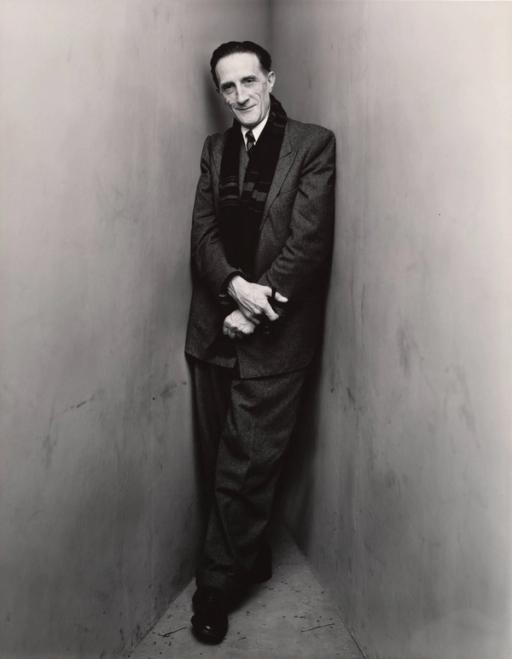
American, born France. 1887–1968 190 works onlineWhen Marcel Duchamp created his most famous work—the industrially produced urinal Fountain —it was largely ignored. Fountain was the high point of Duchamp’s campaign to dismantle and expand the boundaries of what constitutes a work of art; it had begun four years earlier, when he asked, “Can one make works that are not ‘of art’?
Learn more →
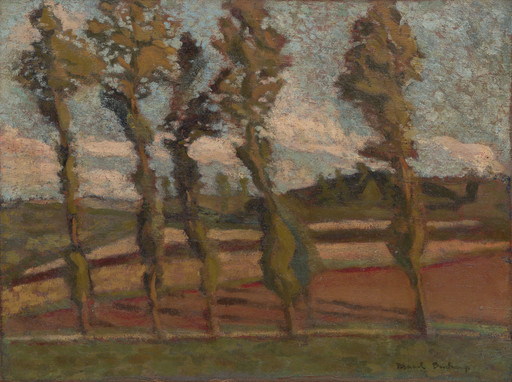
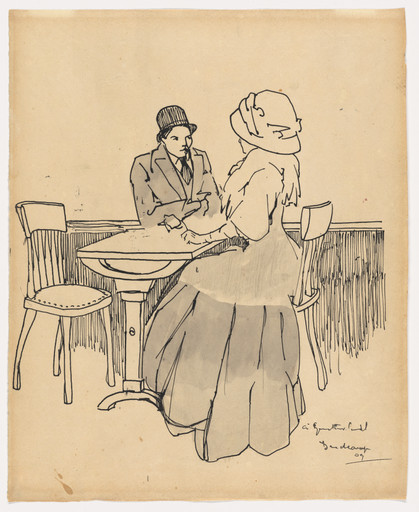
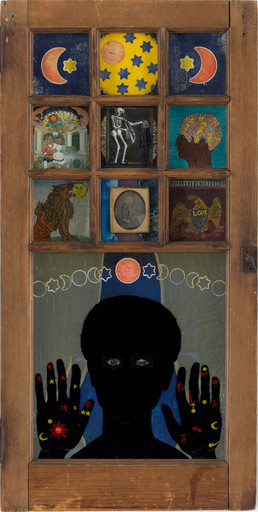
The Art of Assemblage
Gallery 408Everyday objects, popular consumer products, and other nontraditional materials had become, Seitz wrote, “the language for impatient, hypercritical, and anarchistic young artists,” who sought to create an art that—in its subject matter, materials, and making—was closely intertwined with life.
Learn more →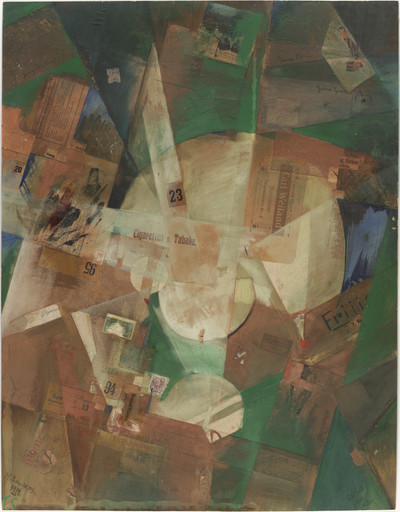
From MoMA Design Store


Licensing
Artwork or archival images
If you would like to reproduce an image of a work of art in MoMA's collection, or an image of a MoMA publication or archival material (including installation views, checklists, and press releases), please contact Art Resource (publication in North America) or Scala Archives (publication in all other geographic locations).
Audio and film clips
MoMA licenses archival audio and select out of copyright film clips from our film collection. At this time, MoMA produced video cannot be licensed by MoMA/Scala. All requests to license archival audio or out of copyright film clips should be addressed to Scala Archives at [email protected]. Motion picture film stills cannot be licensed by MoMA/Scala. For access to motion picture film stills for research purposes, please contact the Film Study Center at [email protected]. For more information about film loans and our Circulating Film and Video Library, please visit Circulating Film and Video Library.
Text from a publication or the archives
If you would like to reproduce text from a MoMA publication, please email [email protected]. If you would like to publish text from MoMA's archival materials, please fill out this permission form and send to [email protected].
Feedback
This record is a work in progress. If you have additional information or spotted an error, please fill out this feedback form.