Not on view
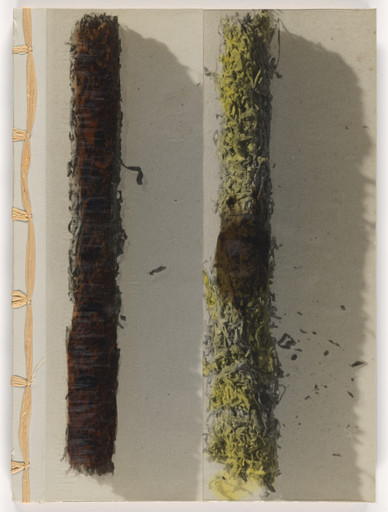
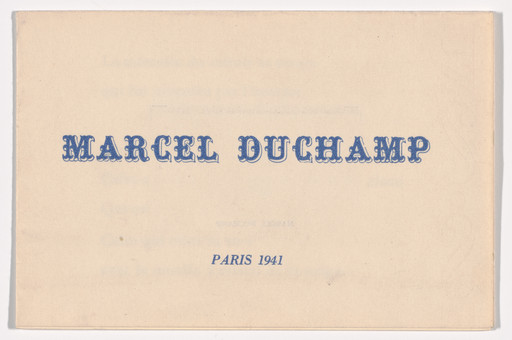
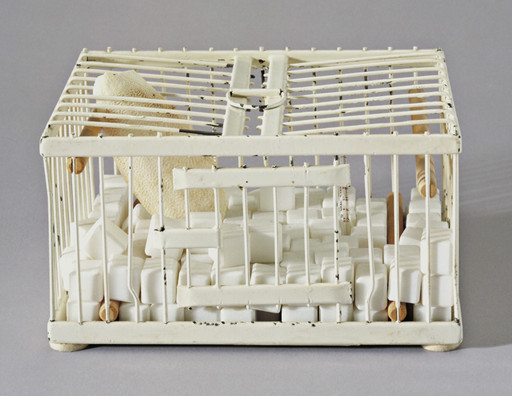
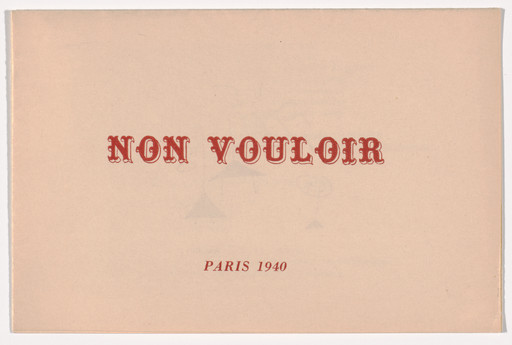
Duchamp assembled twenty-four deluxe boxes, known as Series A, through 1949. Each box was signed, numbered, and housed in a leather suitcase with a unique artwork under the lid. Duchamp gifted and sold the boxes, priced at around $200, to friends, collectors, and institutions. Each of the initial boxes, including those for his patrons Louise and Walter Arensberg as well as MoMA, featured a unique “coloriage original,” produced as color guides for his printers. Later, Duchamp incorporated new artworks. The box for his lover, the artist Maria Martins, contained Wayward Landscape (Paysage fautif) (1946), an abstract composition made of seminal fluid.
Marcel Duchamp, April 12–August 22, 2026
Explore more
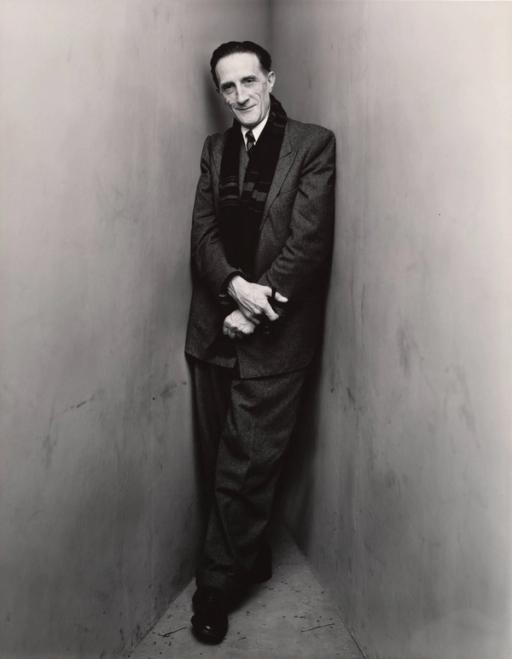
Marcel Duchamp
American, born France. 1887–1968 192 works onlineWhen Marcel Duchamp created his most famous work—the industrially produced urinal Fountain —it was largely ignored. Fountain was the high point of Duchamp’s campaign to dismantle and expand the boundaries of what constitutes a work of art; it had begun four years earlier, when he asked, “Can one make works that are not ‘of art’?
Learn more →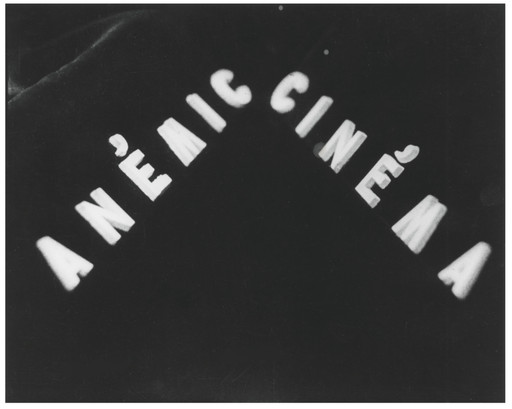

Audio
Audio from the playlist Marcel Duchamp
From MoMA Design Store


Installation views
We have identified this work in the following photos from our exhibition history.
Licensing
Artwork or archival images
If you would like to reproduce an image of a work of art in MoMA's collection, or an image of a MoMA publication or archival material (including installation views, checklists, and press releases), please contact Art Resource (publication in North America) or Scala Archives (publication in all other geographic locations).
Audio and film clips
MoMA licenses archival audio and select out of copyright film clips from our film collection. At this time, MoMA produced video cannot be licensed by MoMA/Scala. All requests to license archival audio or out of copyright film clips should be addressed to Scala Archives at [email protected]. Motion picture film stills cannot be licensed by MoMA/Scala. For access to motion picture film stills for research purposes, please contact the Film Study Center at [email protected]. For more information about film loans and our Circulating Film and Video Library, please visit Circulating Film and Video Library.
Text from a publication or the archives
If you would like to reproduce text from a MoMA publication, please email [email protected]. If you would like to publish text from MoMA's archival materials, please fill out this permission form and send to [email protected].
Feedback
This record is a work in progress. If you have additional information or spotted an error, please fill out this feedback form.