Oil and tempera on canvas
“I want to include in my painting all the objects that haunt my thoughts,” said Jean Dubuffet, as referenced in an essay published in Présence Africaine in 1948. In Grand Jazz Band (New Orleans), the artist used thickly applied paint and flat, graphic composition, methods he later likened to a conductor directing an orchestra. Although Dubuffet never traveled to New Orleans, he frequented jazz clubs in Paris and played the music himself. Negrophilia, the fascination with Black cultural expressions, was prevalent among the white avant-garde in the capital. Dubuffet made this painting only months after the city’s liberation by Allied Forces, including African American soldiers.
520: Présence Africaine, 2025
Explore more
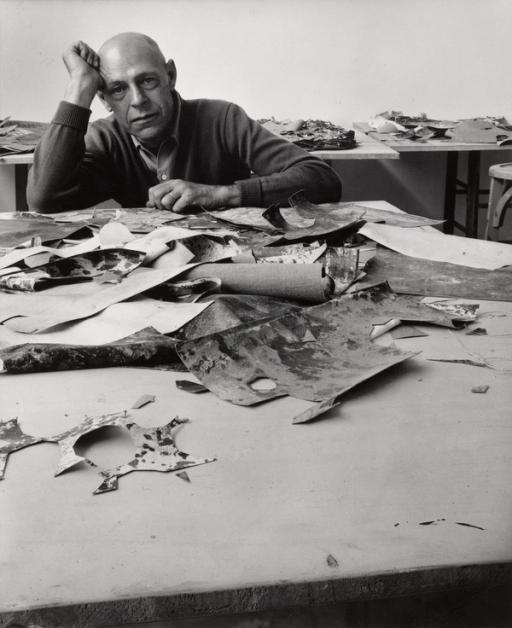
Jean Dubuffet
French, 1901–1985 748 works onlineJean Dubuffet’s work is marked by a rebellious attitude toward prevailing notions of high culture, beauty, and good taste. He began making art in earnest at age 41, after a stint in the army and a successful career as a wine merchant.
Learn more →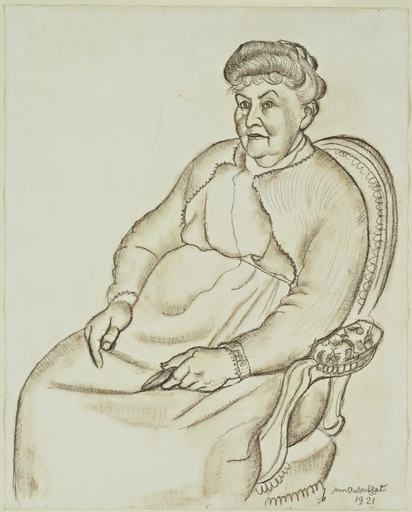
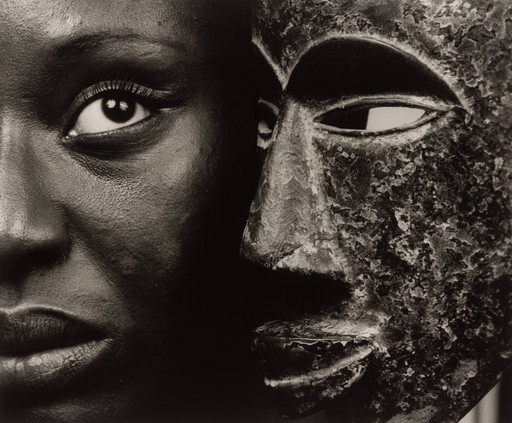
Présence Africaine
Gallery 520In the 1930s and 1940s, Paris was a mecca for Black artists, writers, musicians, and intellectuals from around the world.
Learn more →
From MoMA Design Store


Installation views
We have identified this work in the following photos from our exhibition history.
Provenance Research Project
This work is included in the Provenance Research Project, which investigates the ownership history of works in MoMA's collection.
Jean Fautrier (French painter, 1898-1964), Châtenay-Malabry, France. By 1954
Maurice Lafaille, Paris. 1955
Private collection of Mr and Mrs Pierre Matisse, New York. Acquired from Lafaille, 1955 - April 1960
Museum of Modern Art benefit auction, Parke-Bernet Galleries, April 27, 1960. Donated by Mr and Mrs Pierre Matisse
Nina and Gordon Bunshaft, New York, N.Y. Purchased at Museum of Modern Art benefit auction, 1960 - 1968
The Museum of Modern Art, New York. Gift of Nina and Gordon Bunshaft, 1968
Provenance research is a work in progress, and is frequently updated with new information. If you have any questions or information to provide about the listed works, please email [email protected] or write to:
Provenance Research Project
The Museum of Modern Art
11 West 53 Street
New York, NY 10019
Licensing
Artwork or archival images
If you would like to reproduce an image of a work of art in MoMA's collection, or an image of a MoMA publication or archival material (including installation views, checklists, and press releases), please contact Art Resource (publication in North America) or Scala Archives (publication in all other geographic locations).
Audio and film clips
MoMA licenses archival audio and select out of copyright film clips from our film collection. At this time, MoMA produced video cannot be licensed by MoMA/Scala. All requests to license archival audio or out of copyright film clips should be addressed to Scala Archives at [email protected]. Motion picture film stills cannot be licensed by MoMA/Scala. For access to motion picture film stills for research purposes, please contact the Film Study Center at [email protected]. For more information about film loans and our Circulating Film and Video Library, please visit Circulating Film and Video Library.
Text from a publication or the archives
If you would like to reproduce text from a MoMA publication, please email [email protected]. If you would like to publish text from MoMA's archival materials, please fill out this permission form and send to [email protected].
Feedback
This record is a work in progress. If you have additional information or spotted an error, please fill out this feedback form.