Slashed canvas and gauze
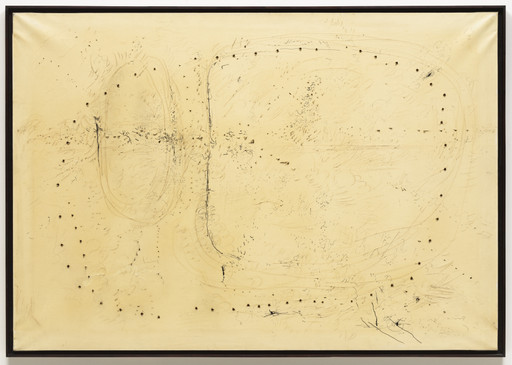
“Sculpture and painting are both things of the past,” argued Fontana. “We need a new form. Art that’s movement. Art within space.” While living in Buenos Aires between 1940 and 1947, Fontana consorted with many Argentine Concrete artists, such as the Madí group. Inspired by their defiant attitude toward the tradition of painting, he began slashing his canvases in 1949. This iconoclastic gesture destroyed painting as a receptacle of illusions and left viewers contemplating a real cut, which Fontana described as “the beginning of a sculpture in space.”
Sur moderno: Journeys of Abstraction—The Patricia Phelps de Cisneros Gift, October 21, 2019–March 14, 2020
Gallery label from 2006.
By slashing the center of his canvases, Fontana allowed three–dimensional space to intrude into an otherwise two–dimensional surface. Fontana first introduced perforations within his works in 1949 and referred to these as “spatial concepts.” He then began slashing his canvases in the early 1950s and added the term “Expectations” to the title. While these works immediately conjure acts of violence and iconoclasm, Fontana claimed “I have constructed, not destroyed.”
2006.
Explore more
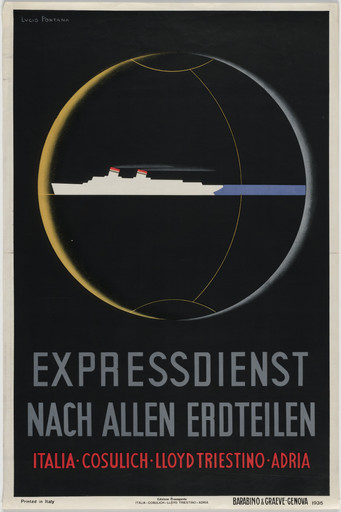
![Lucio Fontana. Services Express Pour le Monde Entier (Poster advertising the four United Italian shipping lines [Italia Flotte Riunite, Consulich S.T.N., Lloyd Triestino and Adria])](https://www.moma.org/media/W1siZiIsIjIxMTY5NiJdLFsicCIsImNvbnZlcnQiLCItcXVhbGl0eSA5MCAtcmVzaXplIDUxMng1MTJcdTAwM2UiXV0.jpg?sha=52a766b6da1f2cd3)

Canvas
A closely woven, sturdy cloth of hemp, cotton, linen, or a similar fiber, frequently stretched over a frame and used as a surface for painting.
Learn more →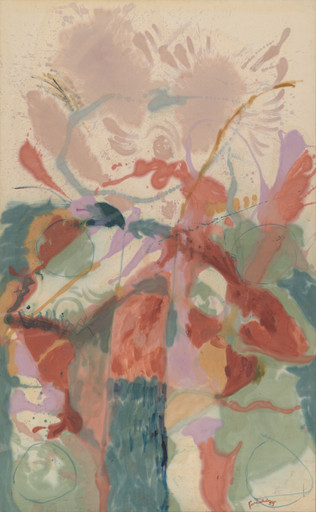

Acting Out
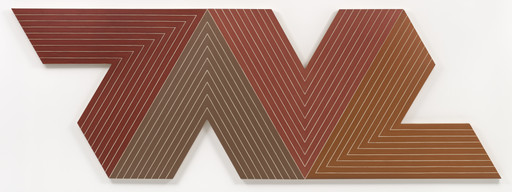
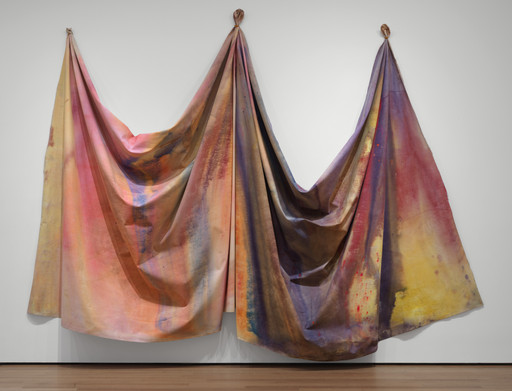
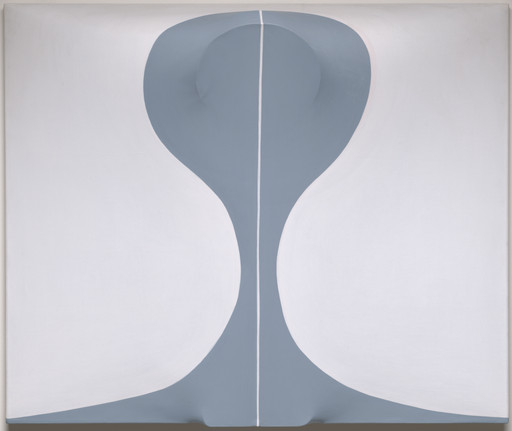
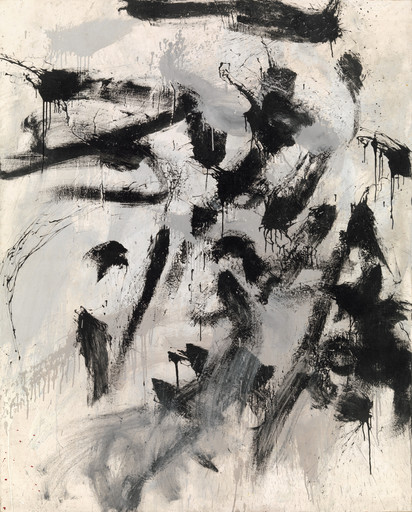
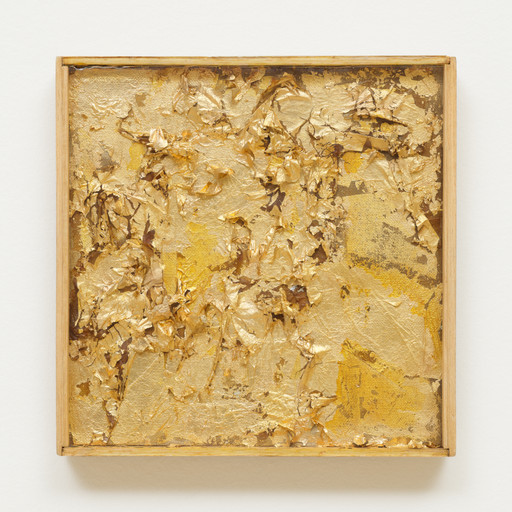
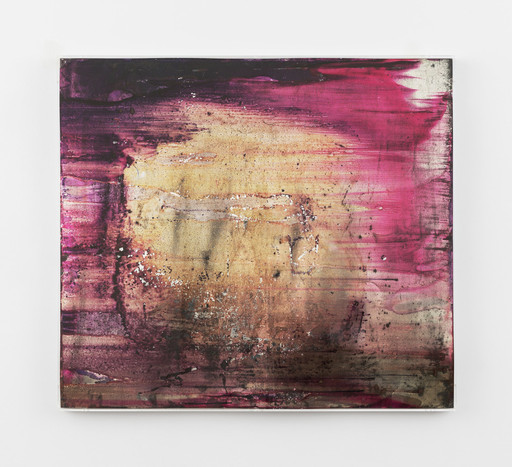
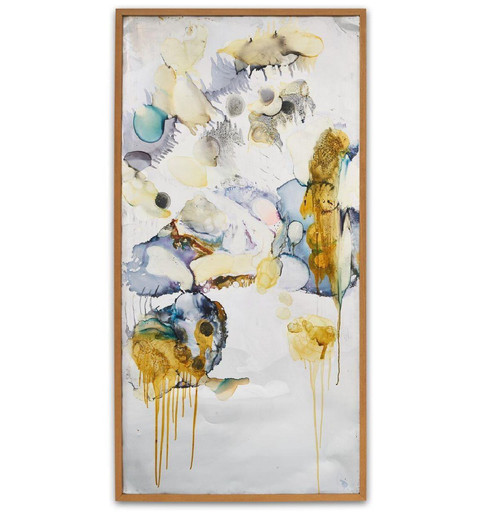
Gallery 405Around the world, in the 1950s and ’60s, artists found new ways to make their mark. Instead of applying paint with a brush, they painted with their feet, stained and soaked canvases with thinned pigment, or poured vibrantly hued dyes on tin.
Learn more →
From MoMA Design Store


Installation views
We have identified this work in the following photos from our exhibition history.
Licensing
Artwork or archival images
If you would like to reproduce an image of a work of art in MoMA's collection, or an image of a MoMA publication or archival material (including installation views, checklists, and press releases), please contact Art Resource (publication in North America) or Scala Archives (publication in all other geographic locations).
Audio and film clips
MoMA licenses archival audio and select out of copyright film clips from our film collection. At this time, MoMA produced video cannot be licensed by MoMA/Scala. All requests to license archival audio or out of copyright film clips should be addressed to Scala Archives at [email protected]. Motion picture film stills cannot be licensed by MoMA/Scala. For access to motion picture film stills for research purposes, please contact the Film Study Center at [email protected]. For more information about film loans and our Circulating Film and Video Library, please visit Circulating Film and Video Library.
Text from a publication or the archives
If you would like to reproduce text from a MoMA publication, please email [email protected]. If you would like to publish text from MoMA's archival materials, please fill out this permission form and send to [email protected].
Feedback
This record is a work in progress. If you have additional information or spotted an error, please fill out this feedback form.