Oil on canvas
In Landscape at Collioure, Henri Matisse applied oil paint to an unprimed canvas, mostly with quick, sketchy brushstrokes and sometimes using paint directly from the tube. Though he left parts of the canvas unpainted, so that its raw, woven surface shows through between his brushstrokes, this painting is considered a finished work.
Landscape at Collioure reflects the point at which Matisse began to use a more instinctive, spontaneous way of painting, unparalleled among his contemporaries. The landscapes he painted in the summer of 1905 were “wilder, more reckless than any subsequently produced in his career,” according to Matisse scholar and former MoMA curator John Elderfield. “In the works of that period color speaks for itself with a directness previously unknown in Western painting, and speaks directly too of the emotional response to the natural world that required changing the color of this world the better to render that emotion.”
Explore more
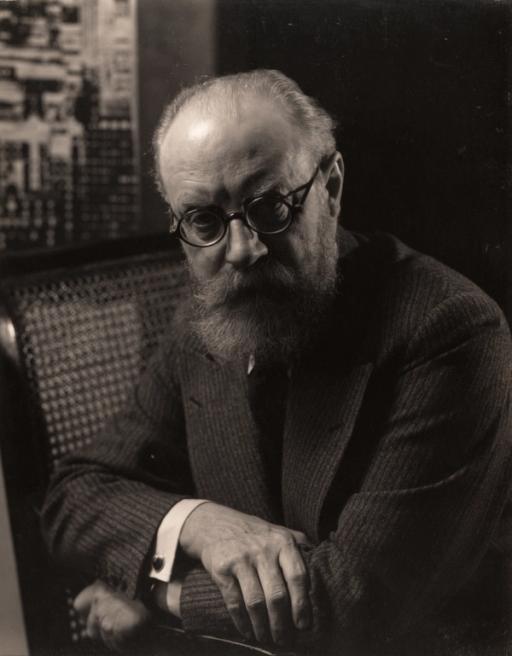
Henri Matisse
French, 1869–1954 428 works onlineThroughout his decades-long career as a painter, sculptor, draftsman, and printmaker, Henri Matisse continuously searched, in his own words, “for the same things, which I have perhaps realized by different means.
Learn more →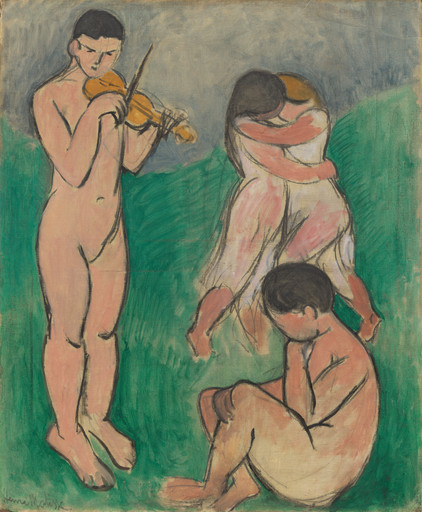
Fauvism
A style of painting in the first decade of the 20th century that emphasized strong, vibrant color and bold brushstrokes over realistic or representational qualities.
Learn more →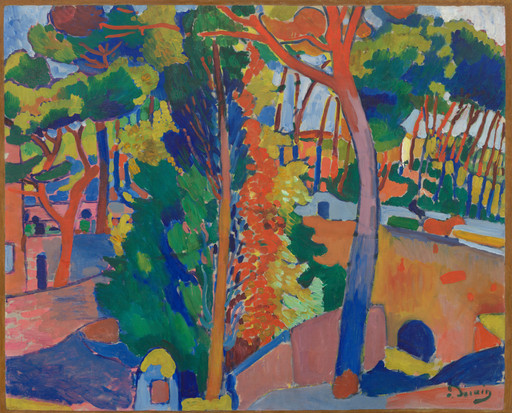
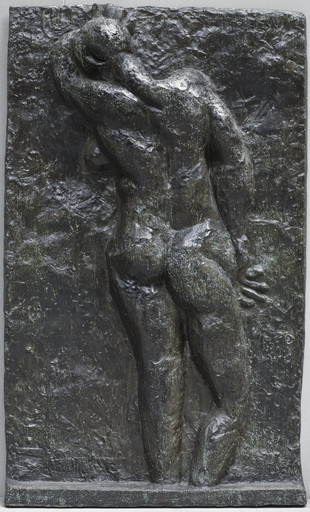
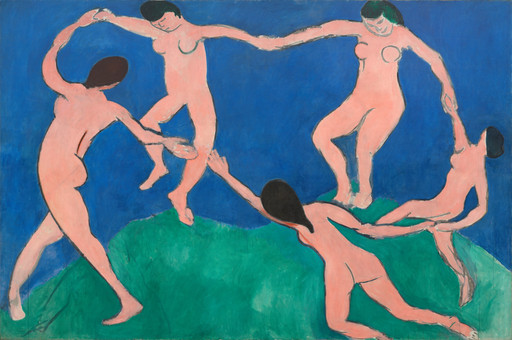
Henri Matisse
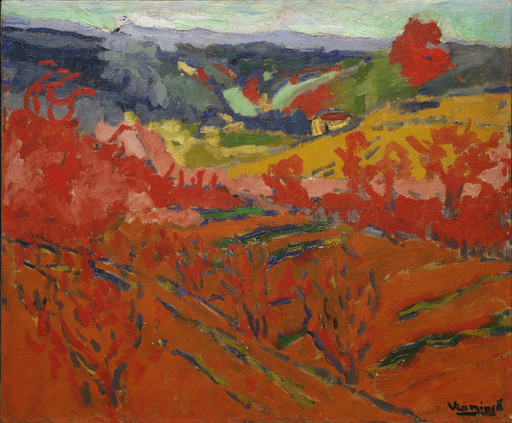
Gallery 506Henri Matisse’s audacious experimentation with form and color was inseparable from his dedication to an art of harmonious expression, an ambition lost on most of his contemporary viewers.
Learn more →
From MoMA Design Store


Installation views
We have identified this work in the following photos from our exhibition history.
Provenance Research Project
This work is included in the Provenance Research Project, which investigates the ownership history of works in MoMA's collection.
1954 Louise Smith, New York (Purchased from Sidney Janis Gallery, New York on November 3, 1954)
1990 The Museum of Modern Art, New York (Gift and Bequest of Louise Reinhard Smith)
Provenance research is a work in progress, and is frequently updated with new information. If you have any questions or information to provide about the listed works, please email [email protected] or write to:
Provenance Research Project
The Museum of Modern Art
11 West 53 Street
New York, NY 10019
Licensing
Artwork or archival images
If you would like to reproduce an image of a work of art in MoMA's collection, or an image of a MoMA publication or archival material (including installation views, checklists, and press releases), please contact Art Resource (publication in North America) or Scala Archives (publication in all other geographic locations).
Audio and film clips
MoMA licenses archival audio and select out of copyright film clips from our film collection. At this time, MoMA produced video cannot be licensed by MoMA/Scala. All requests to license archival audio or out of copyright film clips should be addressed to Scala Archives at [email protected]. Motion picture film stills cannot be licensed by MoMA/Scala. For access to motion picture film stills for research purposes, please contact the Film Study Center at [email protected]. For more information about film loans and our Circulating Film and Video Library, please visit Circulating Film and Video Library.
Text from a publication or the archives
If you would like to reproduce text from a MoMA publication, please email [email protected]. If you would like to publish text from MoMA's archival materials, please fill out this permission form and send to [email protected].
Feedback
This record is a work in progress. If you have additional information or spotted an error, please fill out this feedback form.