Henri Matisse
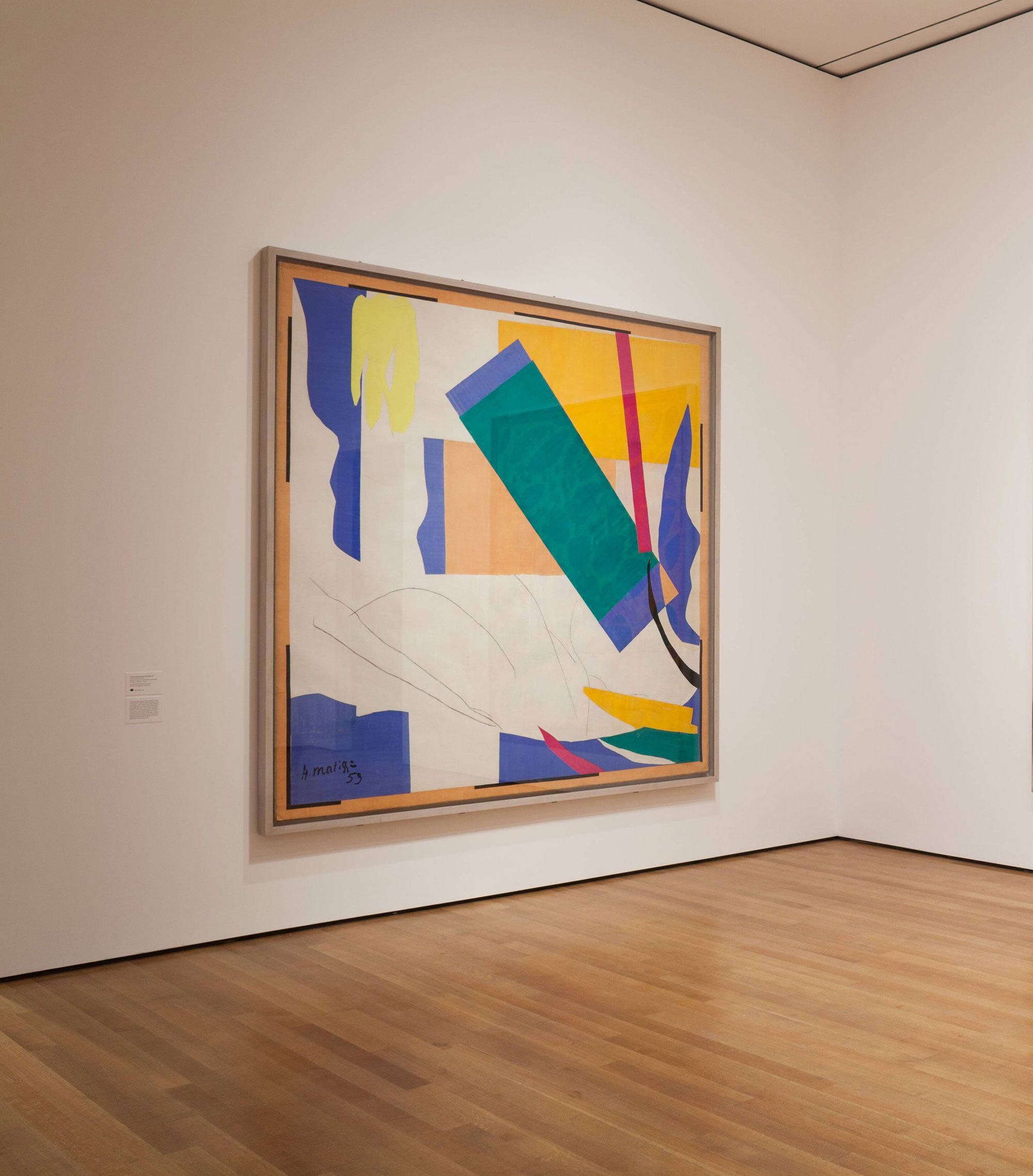
The Swimming Pool, Maquette for ceramic (realized 1999 and 2005)
Nice-Cimiez, Hôtel Régina, late summer 1952
Not on view
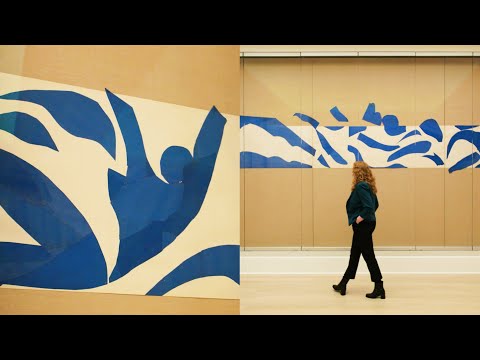
One summer morning in 1952, Matisse told his studio assistant and secretary Lydia Delectorskaya that “he wanted to see divers,” so they went to a favorite pool in Cannes. Suffering under the blazing sun, they returned home, and Matisse declared, “I will make myself my own pool.” He asked Delectorskaya to ring the walls of his dining room at the Hôtel Régina in Nice with a white paper band just above the level of his head, breaking only at window and doors at opposite ends of the room. Matisse cut divers, swimmers, and sea creatures out of paper painted ultramarine blue and pinned them onto the white paper.
The result was Matisse’s first and only self-contained, site-specific cut-out. Matisse saw in paper’s pliability an ideal match for the fluidity of water, making the piece a perfect synthesis of subject and means. With its simplification of forms, dynamic use of positives and negatives, and expansion across the walls, The Swimming Pool was the culmination of Matisse’s cut-paper work up to that point.
2019
Explore more
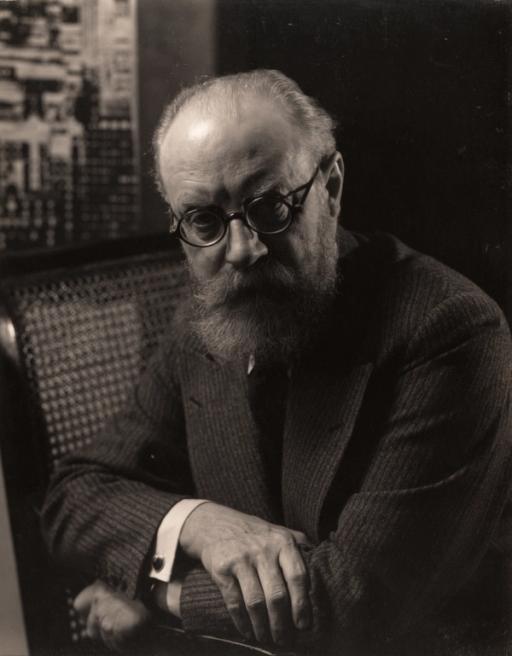
Henri Matisse
French, 1869–1954 429 works onlineThroughout his decades-long career as a painter, sculptor, draftsman, and printmaker, Henri Matisse continuously searched, in his own words, “for the same things, which I have perhaps realized by different means.
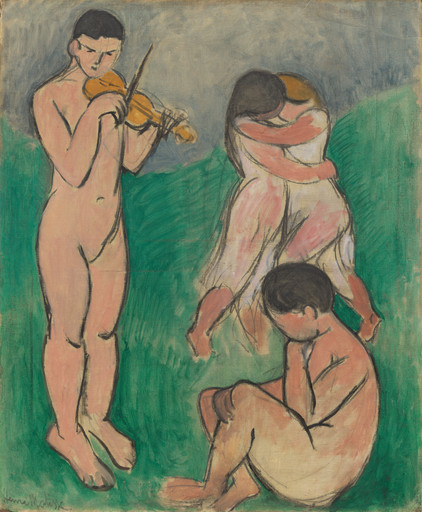
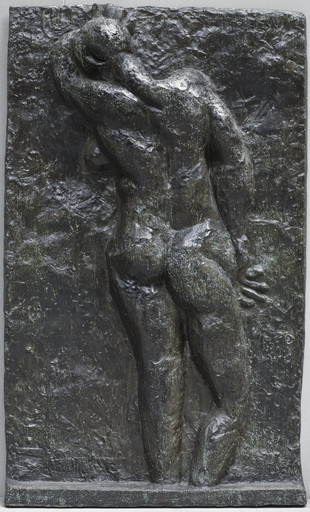
Learn more →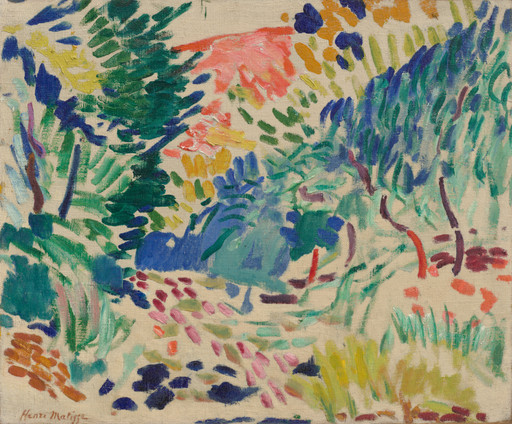

Audio
Audio from the playlist Audio Descriptions
Audio from the playlist Kids
Audio from the playlist 1950–1980: Works from the Collection
Audio from the playlist Poetry Project
From MoMA Design Store


Installation views
We have identified this work in the following photos from our exhibition history.
Licensing
Artwork or archival images
If you would like to reproduce an image of a work of art in MoMA's collection, or an image of a MoMA publication or archival material (including installation views, checklists, and press releases), please contact Art Resource (publication in North America) or Scala Archives (publication in all other geographic locations).
Audio and film clips
MoMA licenses archival audio and select out of copyright film clips from our film collection. At this time, MoMA produced video cannot be licensed by MoMA/Scala. All requests to license archival audio or out of copyright film clips should be addressed to Scala Archives at [email protected]. Motion picture film stills cannot be licensed by MoMA/Scala. For access to motion picture film stills for research purposes, please contact the Film Study Center at [email protected]. For more information about film loans and our Circulating Film and Video Library, please visit Circulating Film and Video Library.
Text from a publication or the archives
If you would like to reproduce text from a MoMA publication, please email [email protected]. If you would like to publish text from MoMA's archival materials, please fill out this permission form and send to [email protected].
Feedback
This record is a work in progress. If you have additional information or spotted an error, please fill out this feedback form.