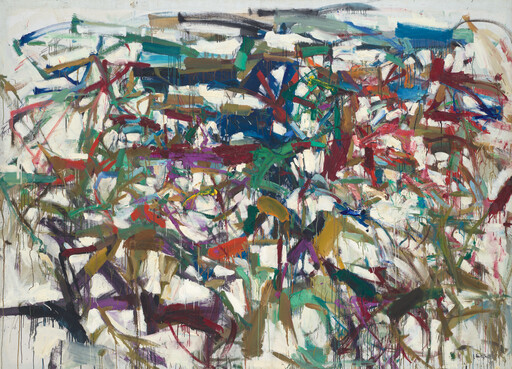
In this painting inspired by the Shinnecock Canal, which runs through the South Fork of Long Island, Hartigan transforms landscape into a dynamic interplay of colliding colors and forceful gestures. "I want an art that is not 'abstract' and not 'realistic,'" she said. Hartigan was the only woman included in New American Painting, an exhibition organized by MoMA that traveled throughout Europe from 1956 to 1958 and helped to establish Abstract Expressionism as a dominant international style. In an attempt to circumvent the prejudice against women artists in the 1950s, she exhibited briefly under the name George Hartigan.
Making Space: Women Artists and Postwar Abstraction, April 19 - August 13, 2017.
Explore more
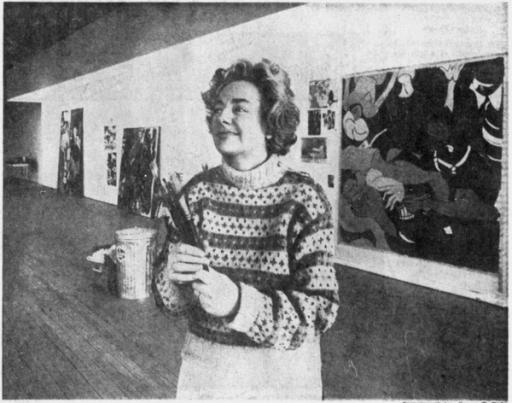
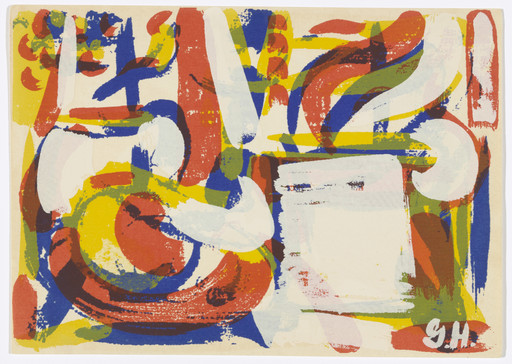
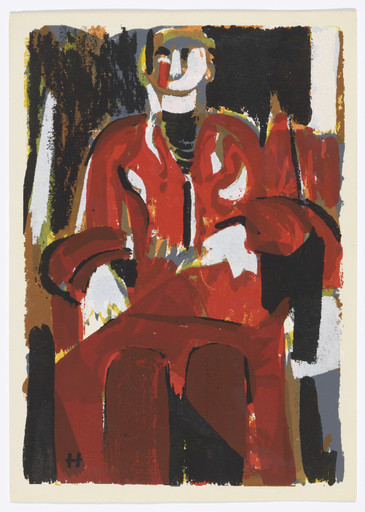
Grace Hartigan
American, 1922–2008 41 works onlineThis impulse to search, question, and change is a recurrent theme in Hartigan’s life and work. She alternated between abstraction and representation, flouting the art world’s expectations by embracing subjects deemed anathema in the early 1950s: people, clichés, and snippets from modern life.
Learn more →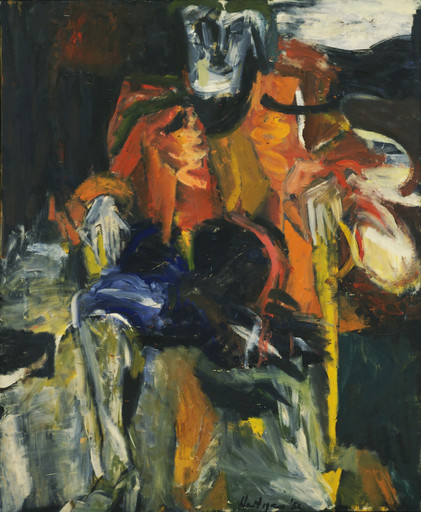
Action painting
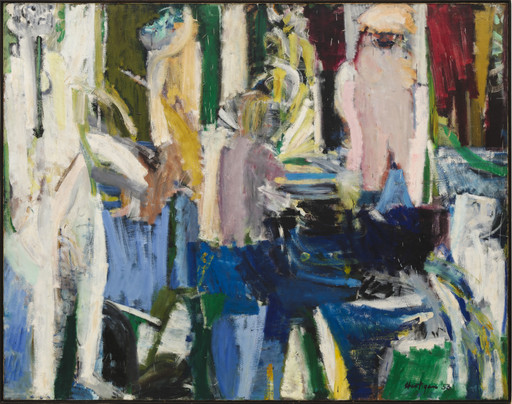
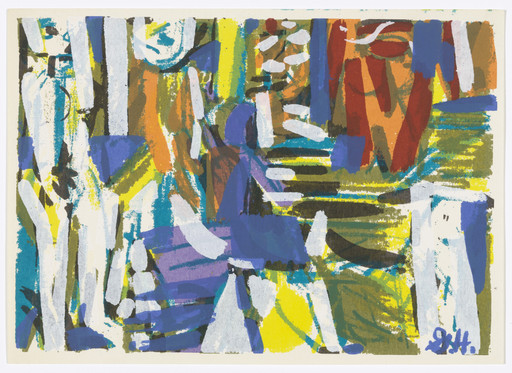
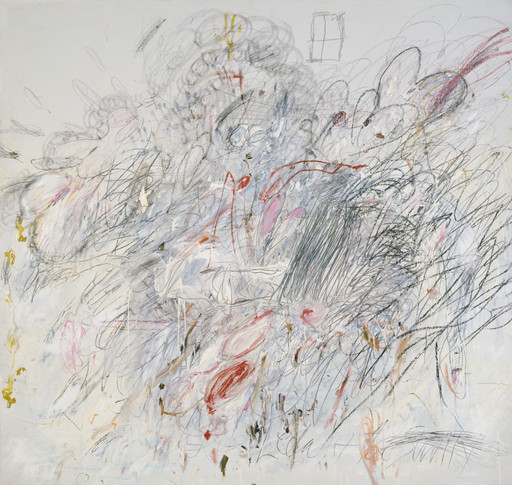
Art critic Harold Rosenberg coined the term “action painting” in 1952 to describe the work of artists who painted using bold gestures that engaged more of the body than traditional easel painting.
Learn more →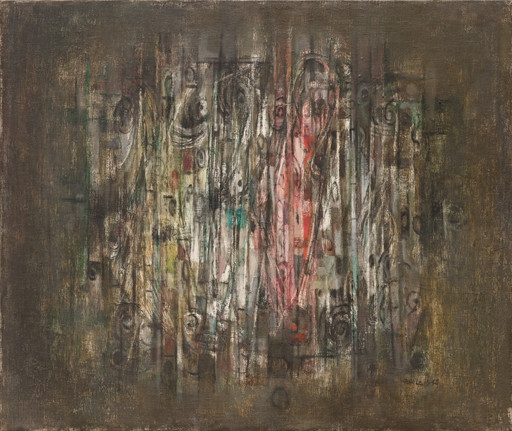

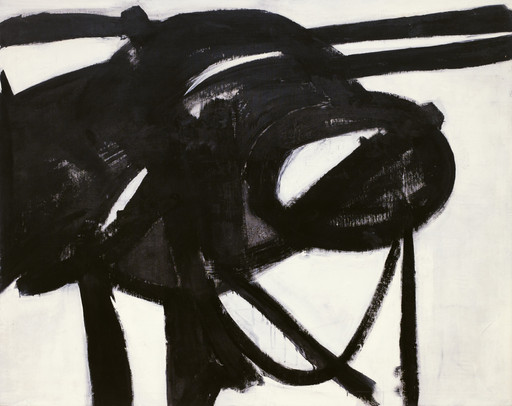
Gestural
Relating to methods of applying a medium, such as paint, to a surface, often with active or sweeping body movements.
Learn more →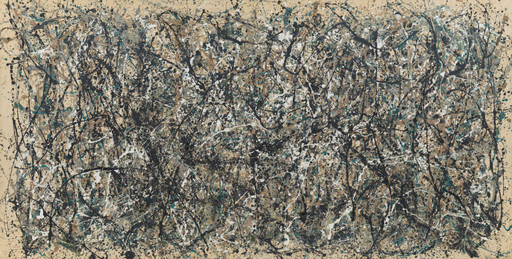
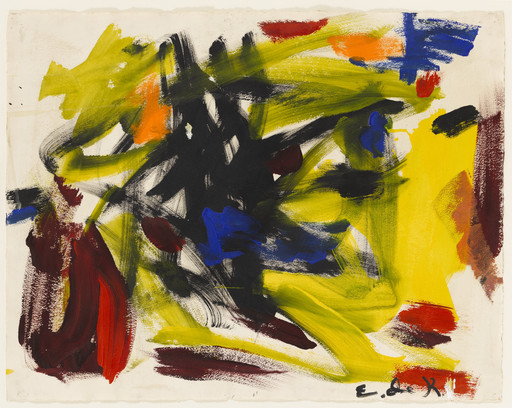
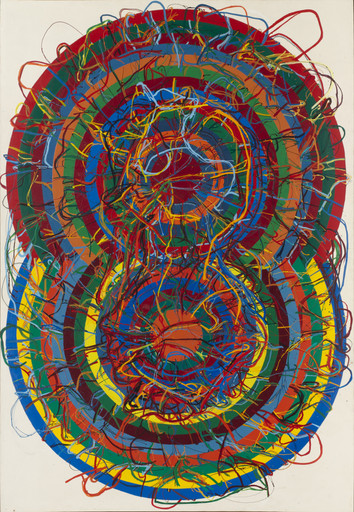
New York School
An interdisciplinary, avant-garde movement of painters, sculptors, poets, dancers, musicians, and composers active in New York City in the 1950s and ’60s.
Learn more →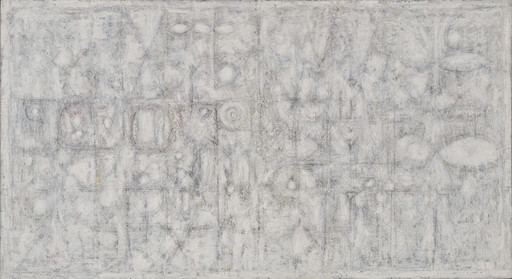

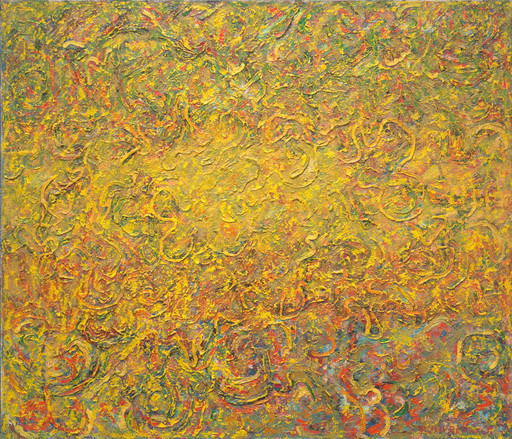

Audio
Audio from the playlist Making Space: Women Artists and Postwar Abstraction
Audio from the playlist Abstract Expressionist New York
Audio from the playlist 1950–1980: Works from the Collection
From MoMA Design Store


Installation views
We have identified this work in the following photos from our exhibition history.
Licensing
Artwork or archival images
If you would like to reproduce an image of a work of art in MoMA's collection, or an image of a MoMA publication or archival material (including installation views, checklists, and press releases), please contact Art Resource (publication in North America) or Scala Archives (publication in all other geographic locations).
Audio and film clips
MoMA licenses archival audio and select out of copyright film clips from our film collection. At this time, MoMA produced video cannot be licensed by MoMA/Scala. All requests to license archival audio or out of copyright film clips should be addressed to Scala Archives at [email protected]. Motion picture film stills cannot be licensed by MoMA/Scala. For access to motion picture film stills for research purposes, please contact the Film Study Center at [email protected]. For more information about film loans and our Circulating Film and Video Library, please visit Circulating Film and Video Library.
Text from a publication or the archives
If you would like to reproduce text from a MoMA publication, please email [email protected]. If you would like to publish text from MoMA's archival materials, please fill out this permission form and send to [email protected].
Feedback
This record is a work in progress. If you have additional information or spotted an error, please fill out this feedback form.