Oil on canvas
This image of a young woman and her mirror reflection is riotous in color and chockablock with pattern. It is one of the last in a major series of canvases that Picasso created between 1931 and 1932. According to The Museum of Modern Art’s founding director, Alfred H. Barr, Jr., Picasso said he “preferred this painting to any of the others,” which speaks to the painting’s dazzling visual and thematic complexity. Its primary subject is the time-honored artistic theme of a woman before her mirror, reinvented in strikingly modern terms. The girl’s smoothly painted profile, in a delicately blushing pink-lavender, abuts a heavily built-up and garishly colored frontal view in yellow and red. Allusions to youth and old age, sun and moon, light and shadow are compressed into a single multivalent face.
The female protagonist of Girl before a Mirror actively reaches out to embrace the mirror that frames her reflection—a nominally fleeting image that paradoxically displays a pronounced physicality. The picture’s rigorous symmetrical organization creates a structure against which the curves of the model’s head and body, as well as those of her reflection, register all the more strongly. Her ithyphallic left arm and testicular breasts continue the game of visual punning seen in Picasso’s other paintings and sculptures of the time, in which facial and bodily features double as male and female sex organs.
MoMA Highlights: 375 Works from The Museum of Modern Art, New York (New York: The Museum of Modern Art, 2019)
Explore more
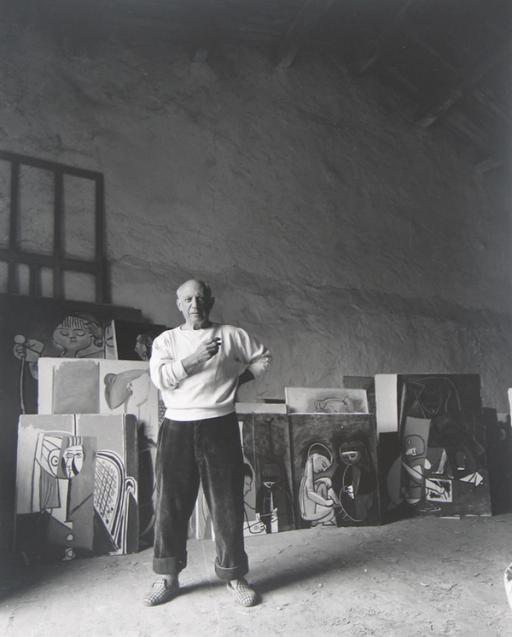
Pablo Picasso
Spanish, 1881–1973 1251 works onlineWith these words, Picasso shed light on two central principles of his artistic production over nearly 80 years: his openness to a diverse range of styles, subject matters, and mediums, and his resistance to the notion that change in art necessarily corresponds to improvement or progress.
Learn more →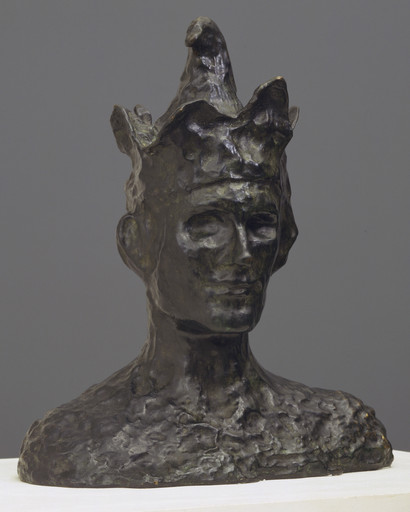
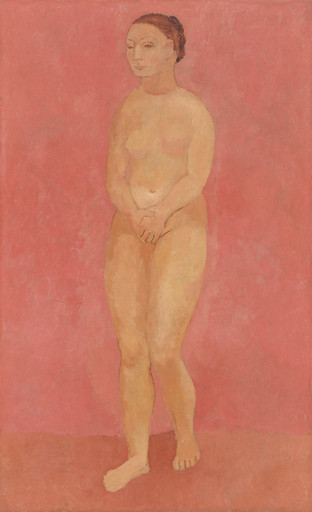
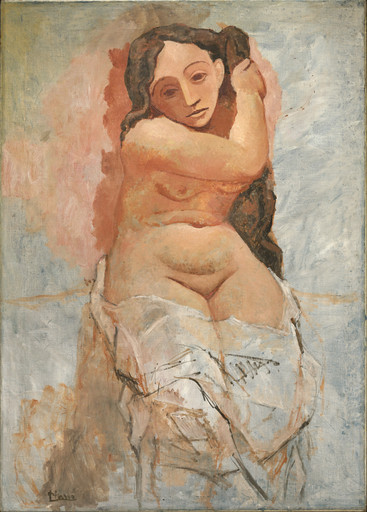
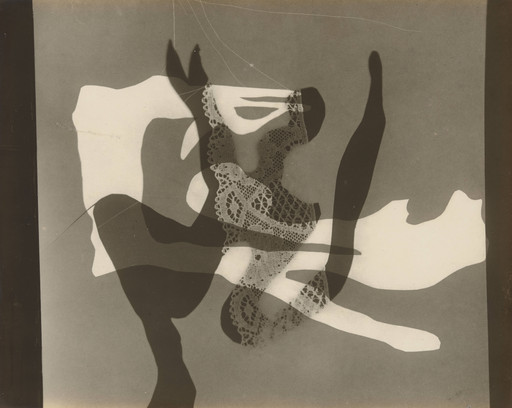
A Surreal Lens
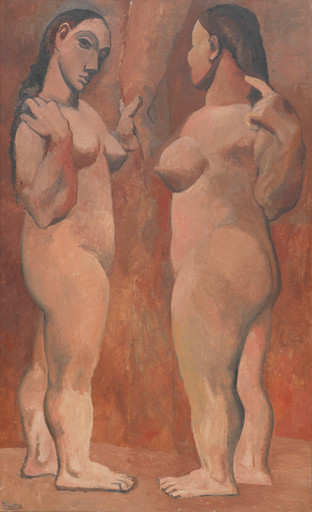
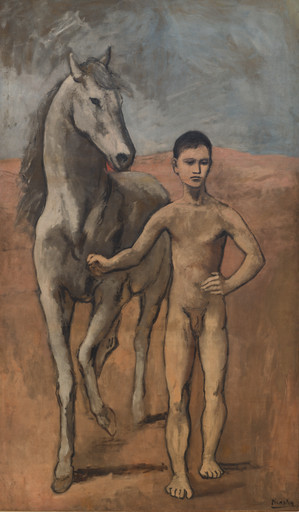
Gallery 517In 1924, André Breton published his Manifesto of Surrealism, which, guided by Sigmund Freud’s psychoanalytic theories, declared a radical break from the rationalism of modern society in favor of imagination, erotic desire, and unconscious thought.
Learn more →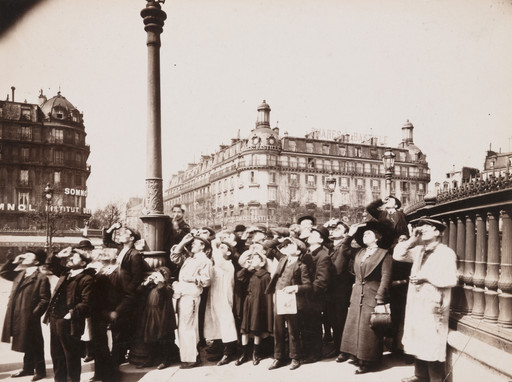
Audio
Audio from the playlist Collection 1880s–1940s
From MoMA Design Store


Installation views
We have identified this work in the following photos from our exhibition history.
Provenance Research Project
This work is included in the Provenance Research Project, which investigates the ownership history of works in MoMA's collection.
March 1932 - at least March 1934, Pablo Picasso, Paris.
By March 1936 - December 1937, Paul Rosenberg, Paris, acquired from the artist.
December 1937, The Museum of Modern Art, New York, purchased from Paul Rosenberg through Valentine Gallery (no. 1320C), New York.
Provenance research is a work in progress, and is frequently updated with new information. If you have any questions or information to provide about the listed works, please email [email protected] or write to:
Provenance Research Project
The Museum of Modern Art
11 West 53 Street
New York, NY 10019
Licensing
Artwork or archival images
If you would like to reproduce an image of a work of art in MoMA's collection, or an image of a MoMA publication or archival material (including installation views, checklists, and press releases), please contact Art Resource (publication in North America) or Scala Archives (publication in all other geographic locations).
Audio and film clips
MoMA licenses archival audio and select out of copyright film clips from our film collection. At this time, MoMA produced video cannot be licensed by MoMA/Scala. All requests to license archival audio or out of copyright film clips should be addressed to Scala Archives at [email protected]. Motion picture film stills cannot be licensed by MoMA/Scala. For access to motion picture film stills for research purposes, please contact the Film Study Center at [email protected]. For more information about film loans and our Circulating Film and Video Library, please visit Circulating Film and Video Library.
Text from a publication or the archives
If you would like to reproduce text from a MoMA publication, please email [email protected]. If you would like to publish text from MoMA's archival materials, please fill out this permission form and send to [email protected].
Feedback
This record is a work in progress. If you have additional information or spotted an error, please fill out this feedback form.