One of the earliest American photographers and the owner of a successful photography studio, Mathew B. Brady photographed celebrities, presidents, and, most famously, scenes of his country’s Civil War. From 1860 to 1864, his studio made more than 30 portraits of President Abraham Lincoln. Among them is this thoughtful and introspective image, made when the president had been in office for two years, and one year into the Civil War. President Lincoln understood the power of these portraits and used photography to his advantage, acknowledging, “Brady and The Cooper Union speech made me president of the United States.”
Many of Brady’s photographs of President Lincoln were reproduced on buttons and posters and, in the case of this image, as cartes de visites. These pocket-sized photographs served as visual calling cards and were an inexpensive and popular way of distributing portraits and self-portraits, which people often collected in albums. Those picturing President Lincoln—in particular a portrait taken on February 27, 1860, after the speech at The Cooper Union, in New York City, that launched his presidential campaign—sold widely. Cartes de visites became a valuable political tool. For the first time in history, they enabled a broad segment of the American public to actually see their presidential candidates (an ability taken for granted today).
Explore more
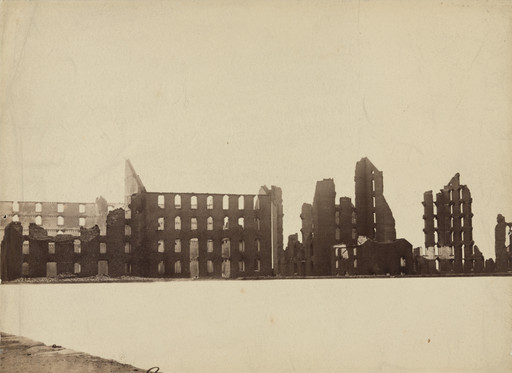
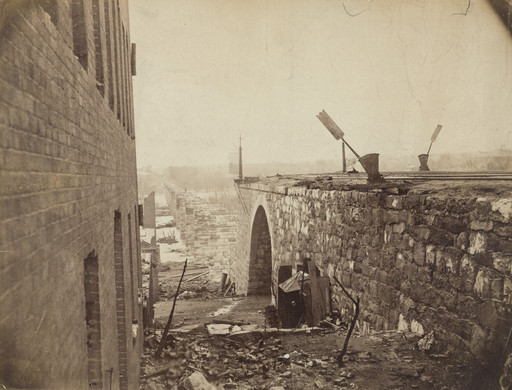
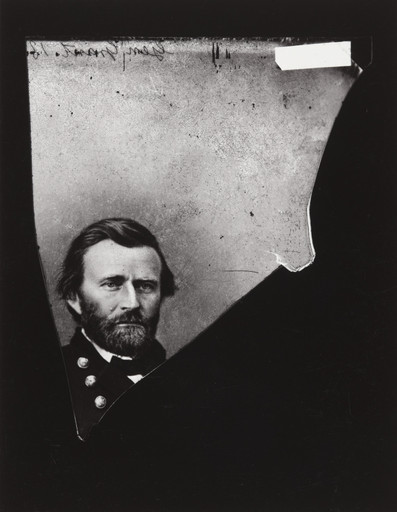
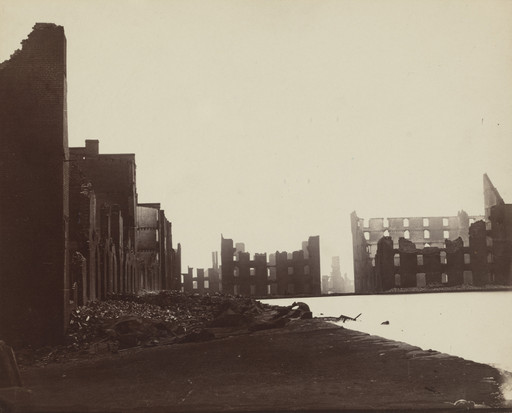
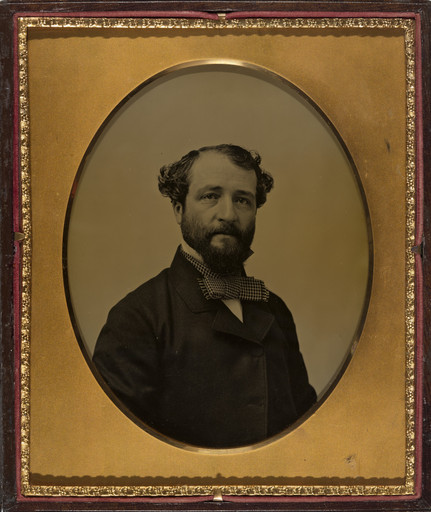
Cartes-de-visite
Small photographs mounted to cardstock, patented in 1854. These “visiting” cards, most often featuring individual or celebrity portraits, were popularly traded and collected in albums.
Learn more →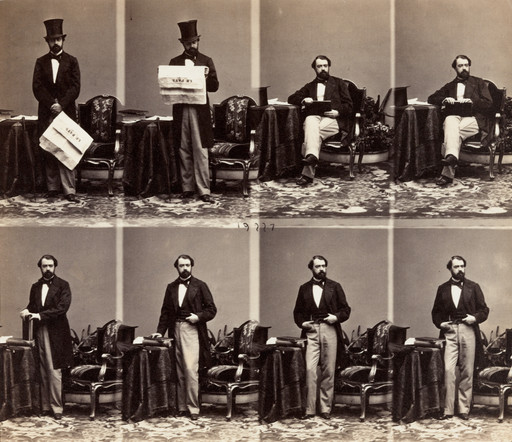
Commercial photography
Years after Louis Daguerre invented and popularized the daguerreotype , advancements in camera technology grew. Developments like shortened shutter times and decreased lens sizes increased convenience and reduced costs, and as a result, commercial photography studios multiplied across the United States and Western Europe.
Learn more →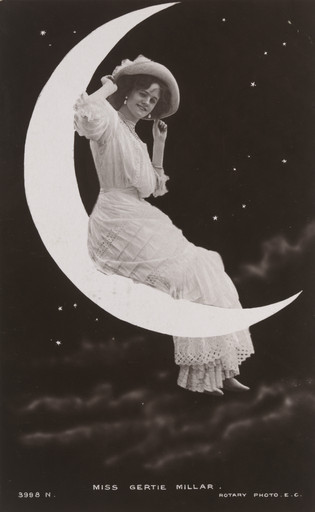
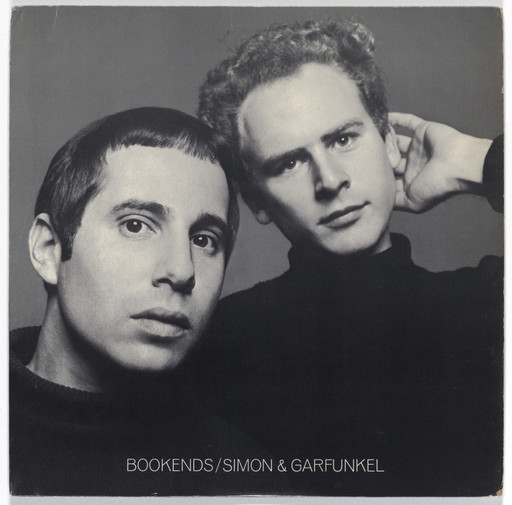
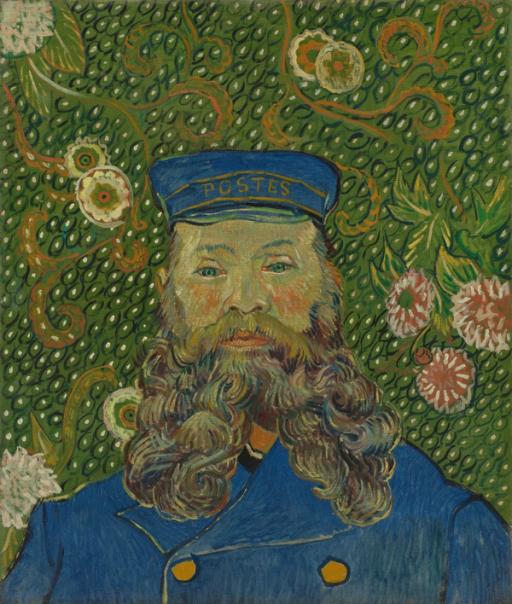
Portrait
A representation of a particular individual, usually intended to capture their likeness or personality.
Learn more →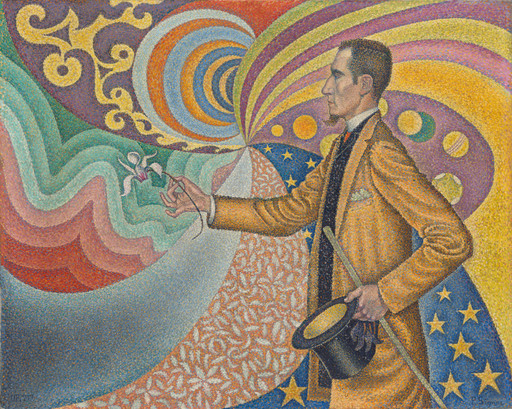
From MoMA Design Store


Licensing
Artwork or archival images
If you would like to reproduce an image of a work of art in MoMA's collection, or an image of a MoMA publication or archival material (including installation views, checklists, and press releases), please contact Art Resource (publication in North America) or Scala Archives (publication in all other geographic locations).
Audio and film clips
MoMA licenses archival audio and select out of copyright film clips from our film collection. At this time, MoMA produced video cannot be licensed by MoMA/Scala. All requests to license archival audio or out of copyright film clips should be addressed to Scala Archives at [email protected]. Motion picture film stills cannot be licensed by MoMA/Scala. For access to motion picture film stills for research purposes, please contact the Film Study Center at [email protected]. For more information about film loans and our Circulating Film and Video Library, please visit Circulating Film and Video Library.
Text from a publication or the archives
If you would like to reproduce text from a MoMA publication, please email [email protected]. If you would like to publish text from MoMA's archival materials, please fill out this permission form and send to [email protected].
Feedback
This record is a work in progress. If you have additional information or spotted an error, please fill out this feedback form.