Metal cabinet with perforated metal front panel and nickel-plated steel stand
Not on view
This electrostatic loudspeaker is distinguished by its large, light membrane, meant to symbolize the clarity of its sound. It is representative of the remarkable range of clean and elegant designs for which Rams is famous, all shaped by his steadfast philosophy: "Omit the unimportant." Rams was the primary force in developing the modern design program at the German appliance company Braun, which he joined in 1955 and led for almost thirty years as head of design. Rams gave utmost consideration to the interests and needs of the user, valuing accessibility and enjoyment as much as advanced engineering.
Making Music Modern: Design for Ear and Eye, November 15, 2014–January 17, 2016.
Gallery label from Shaping Modernity: Design 1880-1980 , December 23, 2009–July 25, 2010 .
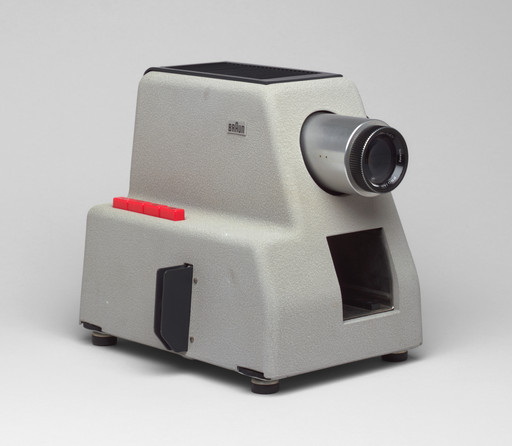
This electrostatic loudspeaker is distinguished by its large, light membrane, meant to symbolize the clarity of its sound. It is representative of the remarkable range of clean and elegant designs for which Dieter Rams is famous, all shaped by his steadfast philosophy, "Omit the unimportant." Rams was the primary force in developing the modern design program at the German appliance company Braun, which he joined in 1955 and led for almost thirty years as head of design. He secured Braun's success in the postwar consumer electronics market, creating esteemed series of radios, record players, bathroom scales, fans, food mixers, space heaters, slide projectors, calculators, hair dryers, toasters, juicers, and lighters. Rams gave utmost consideration to the interests and needs of the user, valuing comprehensibility and enjoyment at the same level as advanced engineering.
Shaping Modernity: Design 1880-1980, December 23, 2009–July 25, 2010 .
Explore more



From MoMA Design Store


Installation views
We have identified this work in the following photos from our exhibition history.
Licensing
Artwork or archival images
If you would like to reproduce an image of a work of art in MoMA's collection, or an image of a MoMA publication or archival material (including installation views, checklists, and press releases), please contact Art Resource (publication in North America) or Scala Archives (publication in all other geographic locations).
Audio and film clips
MoMA licenses archival audio and select out of copyright film clips from our film collection. At this time, MoMA produced video cannot be licensed by MoMA/Scala. All requests to license archival audio or out of copyright film clips should be addressed to Scala Archives at [email protected]. Motion picture film stills cannot be licensed by MoMA/Scala. For access to motion picture film stills for research purposes, please contact the Film Study Center at [email protected]. For more information about film loans and our Circulating Film and Video Library, please visit Circulating Film and Video Library.
Text from a publication or the archives
If you would like to reproduce text from a MoMA publication, please email [email protected]. If you would like to publish text from MoMA's archival materials, please fill out this permission form and send to [email protected].
Feedback
This record is a work in progress. If you have additional information or spotted an error, please fill out this feedback form.