.1: Stainless steel and polypropylene .2: Plastic
Not on view
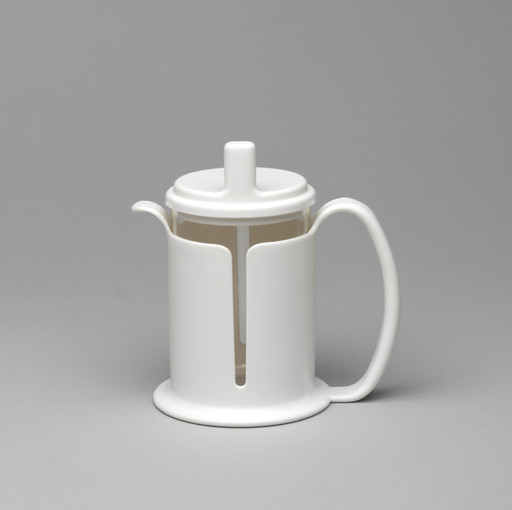
While designers often reimagine the standard forms of kitchen tools for aesthetic reasons or to utilize new materials, these works demonstrate ergonomic changes intended to make familiar objects more accessible. Most of them were featured in MoMA's 1988 exhibition Designing for Independent Living, which highlighted the efforts of designers to meet the needs of the elderly and people with physical disabilities. Since 1969 Ergonomi Design has specialized in this area, reflecting through its award-winning products and its motto "Innovation for People" an outstanding commitment to diverse user needs. Their work from the 1970s and '80s, much of which is still in production today, represents the progressive “democratic” design that has long been associated with the historically equality-driven culture of Sweden.
Counter Space: Design and the Modern Kitchen, September 15, 2010–March 14, 2011.
Explore more
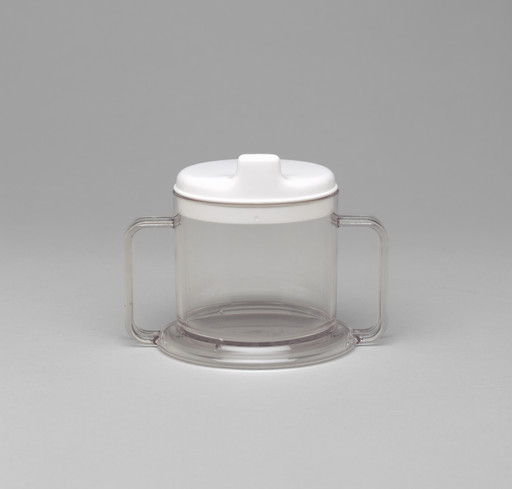
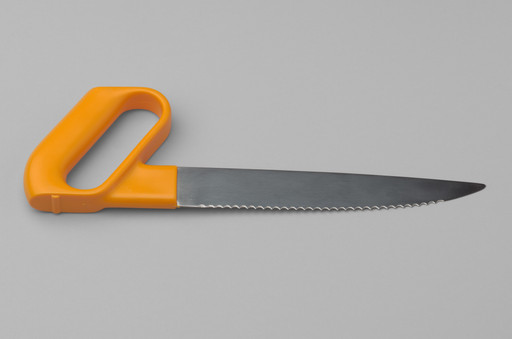
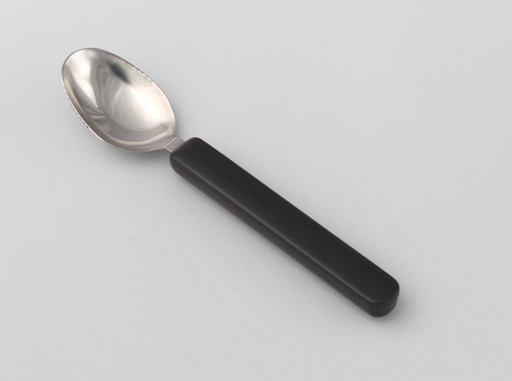
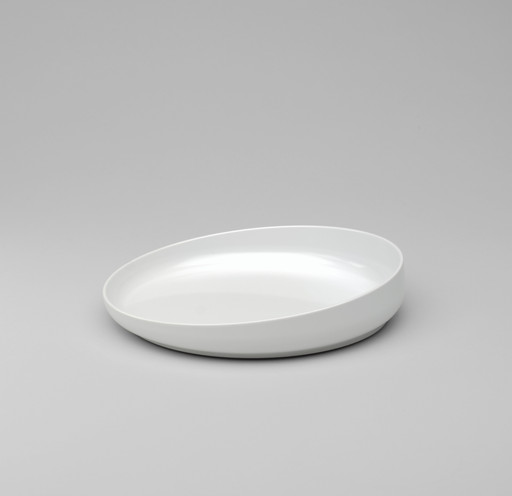


From MoMA Design Store


Installation views
We have identified this work in the following photos from our exhibition history.
Licensing
Artwork or archival images
If you would like to reproduce an image of a work of art in MoMA's collection, or an image of a MoMA publication or archival material (including installation views, checklists, and press releases), please contact Art Resource (publication in North America) or Scala Archives (publication in all other geographic locations).
Audio and film clips
MoMA licenses archival audio and select out of copyright film clips from our film collection. At this time, MoMA produced video cannot be licensed by MoMA/Scala. All requests to license archival audio or out of copyright film clips should be addressed to Scala Archives at [email protected]. Motion picture film stills cannot be licensed by MoMA/Scala. For access to motion picture film stills for research purposes, please contact the Film Study Center at [email protected]. For more information about film loans and our Circulating Film and Video Library, please visit Circulating Film and Video Library.
Text from a publication or the archives
If you would like to reproduce text from a MoMA publication, please email [email protected]. If you would like to publish text from MoMA's archival materials, please fill out this permission form and send to [email protected].
Feedback
This record is a work in progress. If you have additional information or spotted an error, please fill out this feedback form.