Fourteen-channel video (black and white, sound) and vinyl map
Not on view
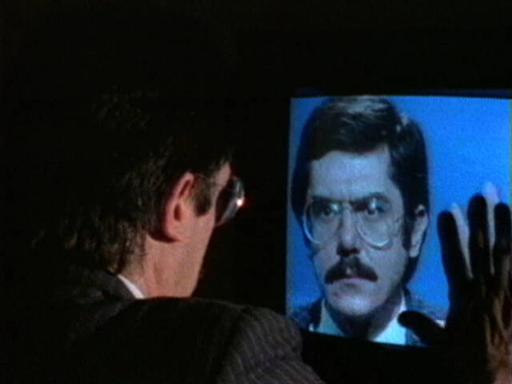
Downey immigrated to the United States from Chile in 1965 and quickly became an integral member of a dynamic lower Manhattan community of artists experimenting with the new medium of video. In 1973 he embarked on a three-year series of journeys to South America, motivated by a personal longing to reconnect with his roots and a utopian vision of fostering a transnational Latin American identity. Video Trans Americas comprises footage from Mexico, Guatemala, Peru, Bolivia, and Chile, where Downey documented native cultures. He challenged the power dynamics of traditional ethnographic documentary by sharing his recordings with his subjects, whom he considered to be his collaborators, involving them in the production process and questioning his own position as an outsider.
Chilean general Augusto Pinochet’s violent US-backed coup d’état took place two months into Downey’s first trip, intensifying the artist’s commitment to technology as an instrument of unity and freedom. Prefiguring the possibilities of a networked world, Downey hoped to unite the people of the Americas by using video to lay the groundwork for an “invisible architecture” that would connect people across continents and histories. Video Trans Americas is shown on fourteen video monitors arranged geographically on a large map outlined on the floor and walls, allowing viewers to traverse the work through both virtual and physical space.
MoMA Highlights: 375 Works from The Museum of Modern Art, New York (New York: The Museum of Modern Art, 2019)
Explore more
Juan Downey
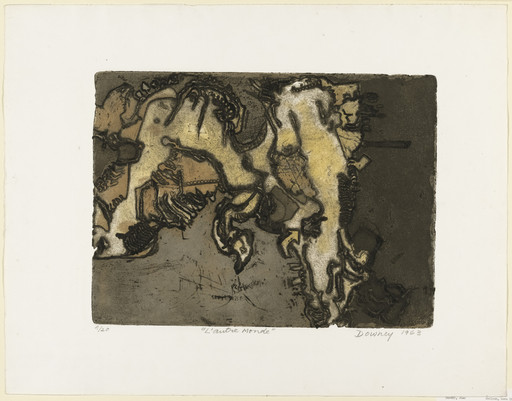
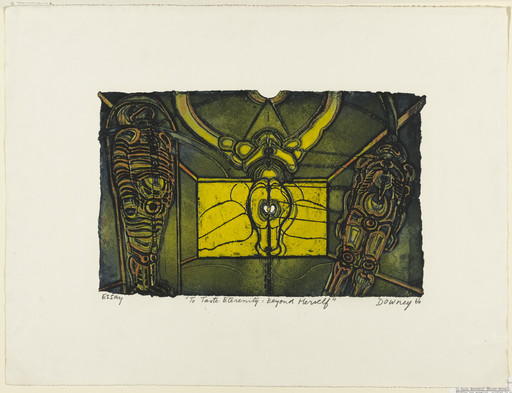
Chilean, 1940–1993 15 works onlineFrom the late 1960s until his death in 1993, the Chilean-born artist pursued an expansive and deeply philosophical artistic practice combining architecture , technology , and anthropology to question how we understand humanity and represent people from Latin America who have been historically exoticized.
Learn more →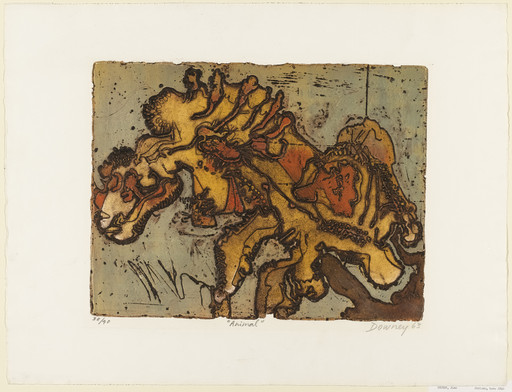


From MoMA Design Store


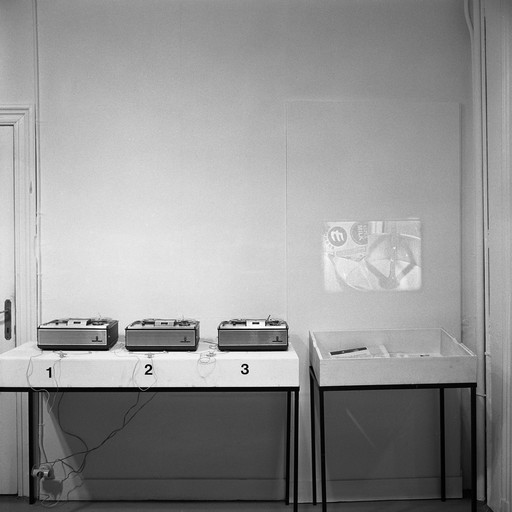
Installation views
We have identified this work in the following photos from our exhibition history.
Licensing
Artwork or archival images
If you would like to reproduce an image of a work of art in MoMA's collection, or an image of a MoMA publication or archival material (including installation views, checklists, and press releases), please contact Art Resource (publication in North America) or Scala Archives (publication in all other geographic locations).
Audio and film clips
MoMA licenses archival audio and select out of copyright film clips from our film collection. At this time, MoMA produced video cannot be licensed by MoMA/Scala. All requests to license archival audio or out of copyright film clips should be addressed to Scala Archives at [email protected]. Motion picture film stills cannot be licensed by MoMA/Scala. For access to motion picture film stills for research purposes, please contact the Film Study Center at [email protected]. For more information about film loans and our Circulating Film and Video Library, please visit Circulating Film and Video Library.
Text from a publication or the archives
If you would like to reproduce text from a MoMA publication, please email [email protected]. If you would like to publish text from MoMA's archival materials, please fill out this permission form and send to [email protected].
Feedback
This record is a work in progress. If you have additional information or spotted an error, please fill out this feedback form.