This black panel, which recalls the weighty history of monochrome painting throughout the twentieth century, from Aleksandr Rodchenko to Ad Reinhardt, was made with Guyton’s signature technique, in which he produces works that approximate paintings but are created solely with a computer and printer. This work consists of a sheet of standard plywood whose surface has been printed through a commercial inkjet process—a reversal of the conventional woodcut technique, in which carved wood is inked to transfer a composition to paper. Guyton created a digital image of a solid black rectangle—the color formulated with a mix of cyan, magenta, yellow, and black to create the richest tone—and left the rest to chance, allowing any inconsistencies or failures in the printing or material (knots in the plywood or visible manufacturer’s stamps) to be exposed. Propped against the wall, the work is simultaneously a print, a painting, a sculpture, and a ready-made object, asserting what the artist sees as “the malleability of the categories of art.”
Abstract Generation: Now in Print, March 15–September 2, 2013.
Explore more
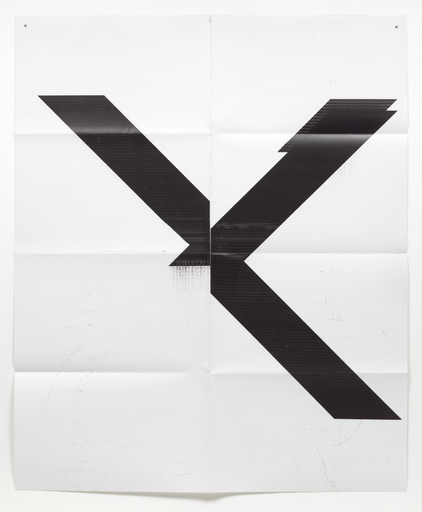
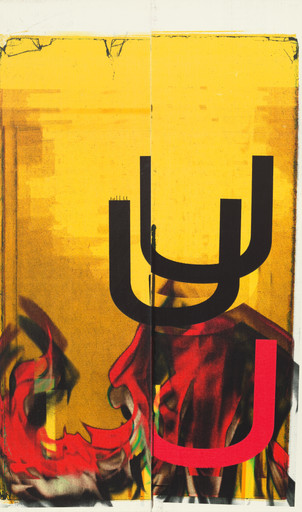
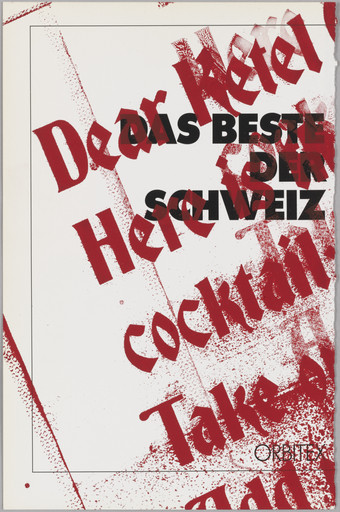
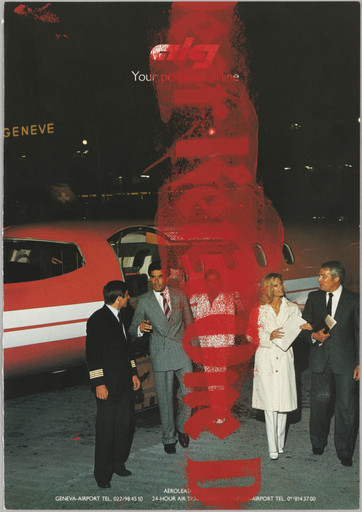
Arthur Jafa—Less Is Morbid
1 NorthOriginally from Tupelo, Mississippi, and trained as an architect and cinematographer, he has become well-known for his collages, montages, assemblages, and installations—combining images imbued with what he calls “affective capacity,” or the emotional power of association.
Learn more →

From MoMA Design Store


Installation views
We have identified this work in the following photos from our exhibition history.
Licensing
Artwork or archival images
If you would like to reproduce an image of a work of art in MoMA's collection, or an image of a MoMA publication or archival material (including installation views, checklists, and press releases), please contact Art Resource (publication in North America) or Scala Archives (publication in all other geographic locations).
Audio and film clips
MoMA licenses archival audio and select out of copyright film clips from our film collection. At this time, MoMA produced video cannot be licensed by MoMA/Scala. All requests to license archival audio or out of copyright film clips should be addressed to Scala Archives at [email protected]. Motion picture film stills cannot be licensed by MoMA/Scala. For access to motion picture film stills for research purposes, please contact the Film Study Center at [email protected]. For more information about film loans and our Circulating Film and Video Library, please visit Circulating Film and Video Library.
Text from a publication or the archives
If you would like to reproduce text from a MoMA publication, please email [email protected]. If you would like to publish text from MoMA's archival materials, please fill out this permission form and send to [email protected].
Feedback
This record is a work in progress. If you have additional information or spotted an error, please fill out this feedback form.