Not on view
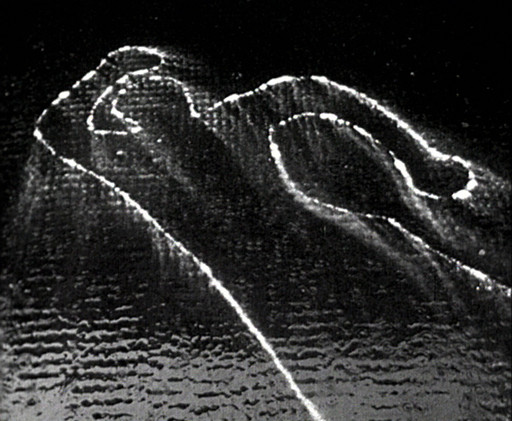
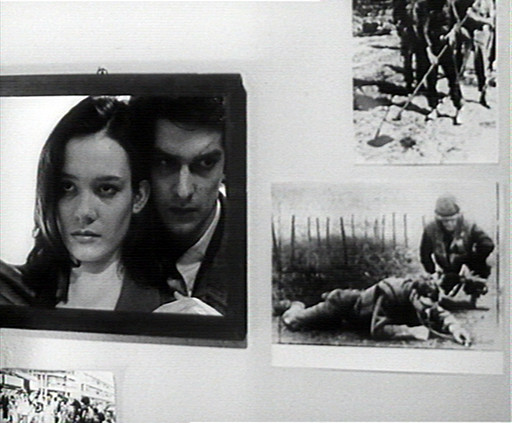
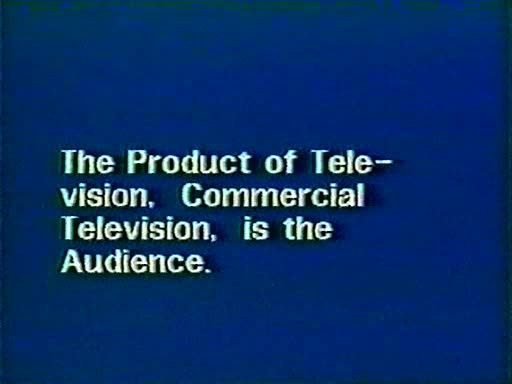
Like many of Farocki's films, Inextinguishable Fire adheres to a short experimental documentary format and an essayistic style combining text, narration, and images collected from the mass communications industry. Made early in the prolific artist's nearly fifty-year career, the film is a critique of the Vietnam War and the role of industry in the production of chemical weapons. It begins with the following narration: "When we show you pictures of napalm victims, you'll shut your eyes. You'll close your eyes to the pictures. Then you'll close them to the memory. And then you'll close your eyes to the facts." In analyzing the production, dissemination, and consumption of images, he revealed the inextricable links between media culture, politics, technology, and violence.
From the Collection: 1960-69, March 26, 2016 - March 12, 2017.
Explore more
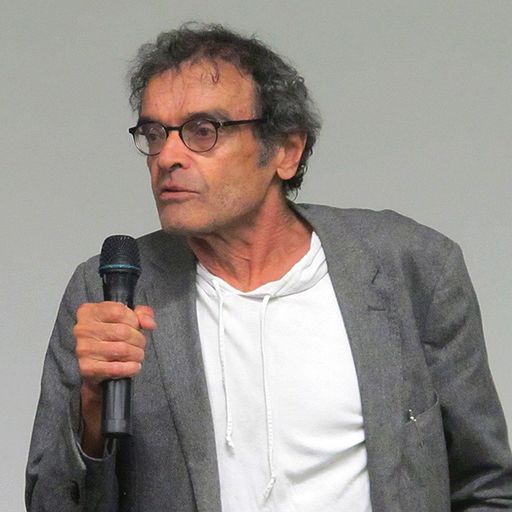
Harun Farocki
German, 1944–2014 45 works onlineGerman filmmaker Harun Farocki began making films in the late 1960s amid a highly politicized cultural milieu. Citing the influence of such Marxist cultural practitioners as theater director Bertolt Brecht, philosopher Theodor Adorno, and film director Jean-Luc Godard , Farocki consistently addressed two principal subjects: the practices of labor and the production of images.
Learn more →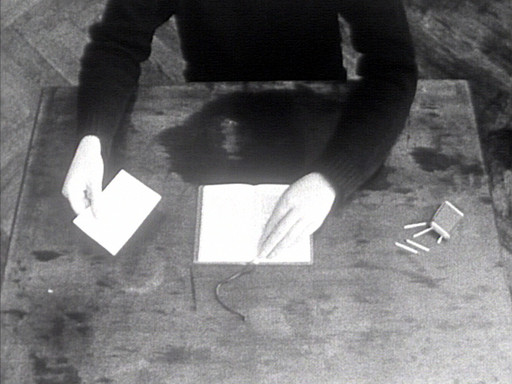


From MoMA Design Store


Licensing
Artwork or archival images
If you would like to reproduce an image of a work of art in MoMA's collection, or an image of a MoMA publication or archival material (including installation views, checklists, and press releases), please contact Art Resource (publication in North America) or Scala Archives (publication in all other geographic locations).
Audio and film clips
MoMA licenses archival audio and select out of copyright film clips from our film collection. At this time, MoMA produced video cannot be licensed by MoMA/Scala. All requests to license archival audio or out of copyright film clips should be addressed to Scala Archives at [email protected]. Motion picture film stills cannot be licensed by MoMA/Scala. For access to motion picture film stills for research purposes, please contact the Film Study Center at [email protected]. For more information about film loans and our Circulating Film and Video Library, please visit Circulating Film and Video Library.
Text from a publication or the archives
If you would like to reproduce text from a MoMA publication, please email [email protected]. If you would like to publish text from MoMA's archival materials, please fill out this permission form and send to [email protected].
Feedback
This record is a work in progress. If you have additional information or spotted an error, please fill out this feedback form.