Ballpoint pen on cardstock and transfer type and pencil on five boards
Not on view
Ono was a close friend of Cage’s throughout his life. She helped to organize his tour to Japan in 1962 and performed in his concerts at the Sogetsu Art Center in Tokyo and other places in Japan. That year, Cage composed 0’00” (4’33” No. 2) and dedicated it to Ono and her then–husband, Toshi Ichiyanagi.
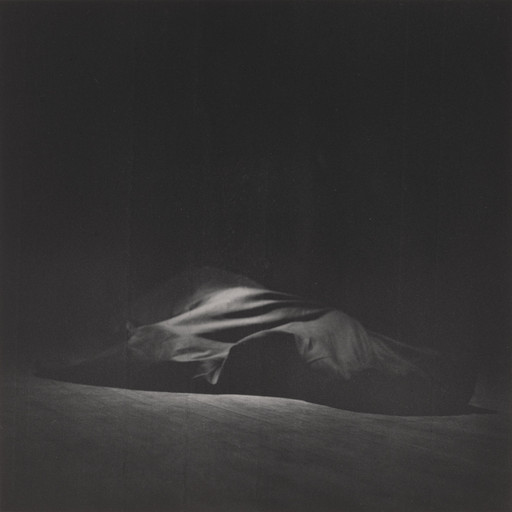
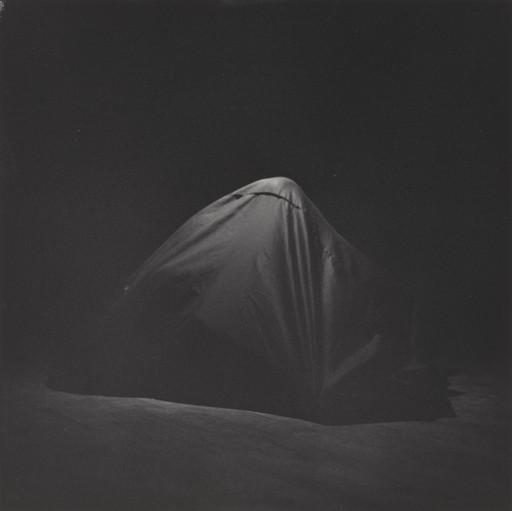
Ono’s Pieces for Orchestra to La Monte Young have numerous possible interpretations for a performance. They were composed in 1962 and first performed in New York in 1965. The complete scores are published in her book Grapefruit, a collection of Ono’s word works from 1952 to 1964, including her Instruction for Paintings. These pieces achieve a strong conceptual presence and are a final stage in a three–year evolutionary process about the idea of what constitutes an original artwork. Starting in 1961 with her AG Gallery show in New York, she explained the process or function of the works, with two or three exceptions where labels contained the scores. The following year in Tokyo, she showed only written instructions for the paintings. She then made a group of photostats of these “originals” that could substitute for the handwritten ones, finally typing them and reproducing them by offset in Grapefruit, still considering each an original work.
There Will Never Be Silence: Scoring John Cage’s 4’33”, October 12, 2013–June 22, 2014.
Explore more
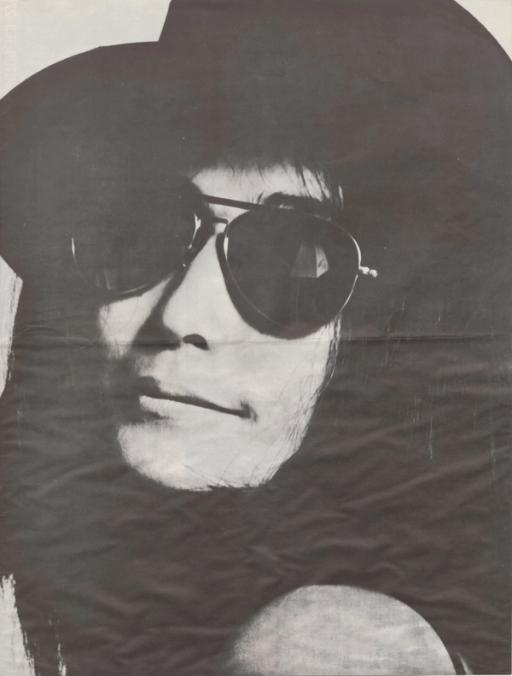
Yoko Ono
Born Japan, 1933 81 works onlineSince emerging onto the international art scene in the early 1960s, Yoko Ono has made profound contributions to visual art, performance, filmmaking, and experimental music.
Learn more →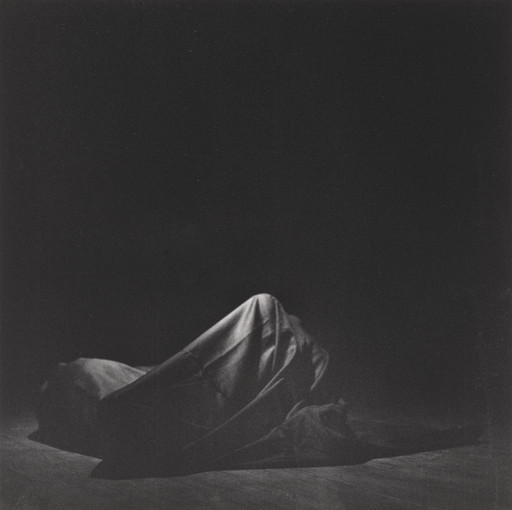
From MoMA Design Store


Installation views
We have identified this work in the following photos from our exhibition history.
Licensing
Artwork or archival images
If you would like to reproduce an image of a work of art in MoMA's collection, or an image of a MoMA publication or archival material (including installation views, checklists, and press releases), please contact Art Resource (publication in North America) or Scala Archives (publication in all other geographic locations).
Audio and film clips
MoMA licenses archival audio and select out of copyright film clips from our film collection. At this time, MoMA produced video cannot be licensed by MoMA/Scala. All requests to license archival audio or out of copyright film clips should be addressed to Scala Archives at [email protected]. Motion picture film stills cannot be licensed by MoMA/Scala. For access to motion picture film stills for research purposes, please contact the Film Study Center at [email protected]. For more information about film loans and our Circulating Film and Video Library, please visit Circulating Film and Video Library.
Text from a publication or the archives
If you would like to reproduce text from a MoMA publication, please email [email protected]. If you would like to publish text from MoMA's archival materials, please fill out this permission form and send to [email protected].
Feedback
This record is a work in progress. If you have additional information or spotted an error, please fill out this feedback form.