16mm film transferred to standard-definition video (black and white, silent)
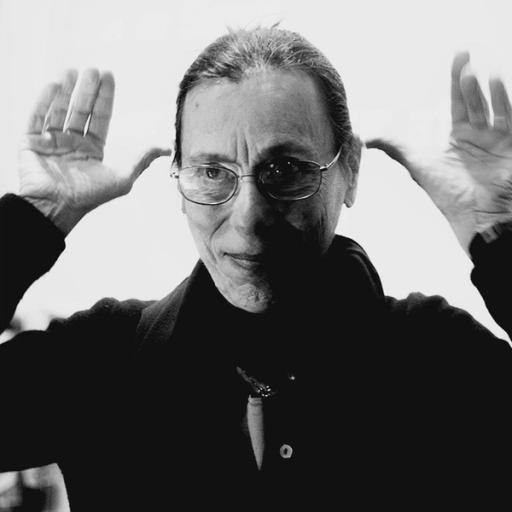
Yvonne Rainer—regarded as a foundational force in American contemporary art, film, and postmodern dance—began her career in New York in 1956. After a false start in acting, she entered the Martha Graham School, a dance school and associated company named for its founder, who is largely credited with revolutionizing modern dance. There, Rainer discovered a passion for this art form. She was trained in a style of movement characterized by expressiveness and virtuosity and in narrative choreography filled with drama and psychological intensity. But Rainer grew dissatisfied with the conventions of modern dance and the traditional relationship between dancer and audience. As she has explained: “Early on, I began to question the pleasure I took in being looked at, this dual voyeuristic, exhibitionistic relation of dancer to audience.” Fueled by such questioning, and her opposition to the tenets of classical and modern dance, she created Trio A.
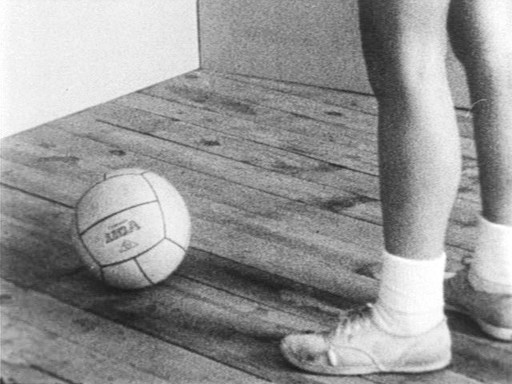
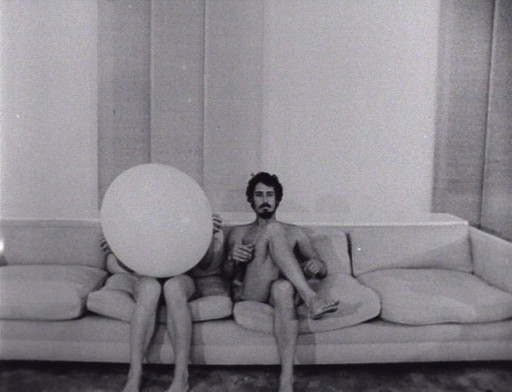
Rainer choreographed Trio A in 1966, and performed it for the camera in 1978. Written for a solo performer, it incorporates no music and features a seamless flow of everyday movements like toe tapping, walking, and kneeling. “[It] would be about a kind of pacing where a pose is never struck,” the artist once described. “There would be no dramatic changes, like leaps. There was a kind of folky step that had a rhythm to it, and I worked a long time to get the syncopation out of it.” Trio A positioned Rainer as a leader among the dancers, composers, and visual artists who were involved in the Judson Dance Theater (which she co-founded in 1962), an avant-garde collaborative that ushered in an era of contemporary dance through stripped-down choreography and casual and spontaneous performances.
Gallery label from 2024
First performed in 1966, Trio A consists of an approximately five-minute sequence of discrete movements that, with the exception of walking, are never repeated. Although it appears effortless, the dance is painstaking to learn in its precise articulation of the body. It is a characteristic work by Rainer, who in the 1960s moved away from classical and modern dance—which were rooted in virtuosic technique—in favor of an unenhanced physicality and uninflected continuity of motion. This film depicts Rainer’s solo performance of Trio A in 1978, several years after she transitioned from choreography to filmmaking.
2024
Publication excerpt from MoMA Highlights: 375 Works from The Museum of Modern Art, New York (New York: The Museum of Modern Art, 2019)
Trio A, a solo dance by Rainer, was initially performed in 1966 as a trio by Rainer and fellow New York choreographer-dancers David Gordon and Steve Paxton under the title The Mind is a Muscle, Part 1. At the premiere, at Manhattan’s Judson Memorial Church, the dancers each performed the same sequence of movements twice but not in unison, accompanied by the sound of wooden slats being thrown from the balcony one by one. Since then it has been presented in various forms, sometimes integrated into other pieces by Rainer or adapted and interpreted by other choreographers. This film depicts Rainer’s solo performance of the work in 1978, several years after she transitioned from choreography to filmmaking.
Trio A consists of a four-and-a-half-to-five-minute sequence of discrete movements that, with the exception of walking, are never repeated. Although it appears effortless, the dance is painstaking to learn in its precise articulation of hands, arms, shoulders, feet, and legs. It is a signature work by Rainer, who in the 1960s transposed to dance the ideas that were then giving shape to the era’s Minimalist sculpture and painting, abandoning the aesthetics of classical and modern dance—which were rooted in virtuosic technique and expression—in favor of an unenhanced physicality and uninflected continuity of motion. The deceptive “ordinariness” of many of the individual movements in Trio A had a profound impact on the development of postmodern dance.
MoMA Highlights: 375 Works from The Museum of Modern Art, New York (New York: The Museum of Modern Art, 2019)
Gallery label from Here Is Every. Four Decades of Contemporary Art , September 10, 2008–March 23, 2009.
Trio A, choreographed in 1966, became the first part of Rainer's best known performance, The Mind Is a Muscle (1966–68). The artist herself is the dancer in this film documentation from 1978. Rainer's emphasis on ordinary motions and gesture is readily apparent, and the dance is an exploration of action rather than a vehicle for dramatic storytelling. Rainer cofounded the Judson Dance Theater in 1962, and together with her colleagues she questioned the role of dance as a modern art form.
Here Is Every. Four Decades of Contemporary Art, September 10, 2008–March 23, 2009.
Explore more
Yvonne Rainer
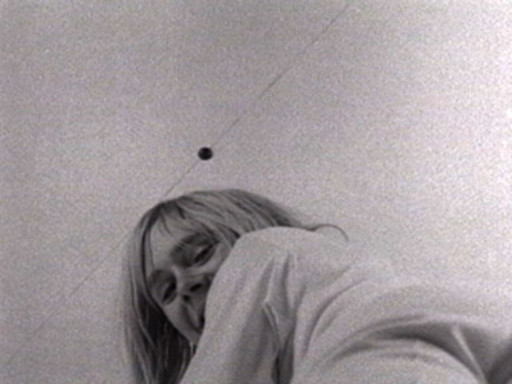
American, born 1934 9 works onlineThe most subversive step in Yvonne Rainer’s choreography wasn’t a leap or a turn—it was a simple walk. Or a run. A catch. A fall.
Learn more →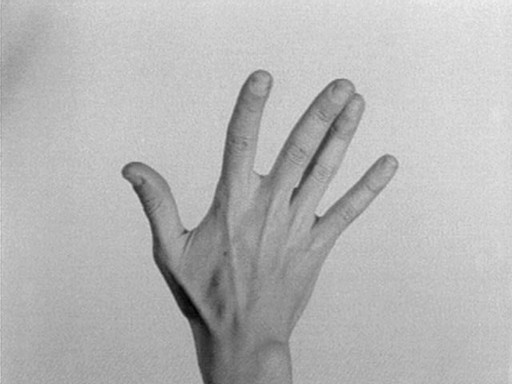

Choreography
The art of creating and arranging a wide range of dance, from classical ballet to experimental performance; a work created by this art. A person who creates choreography is called a choreographer.
Learn more →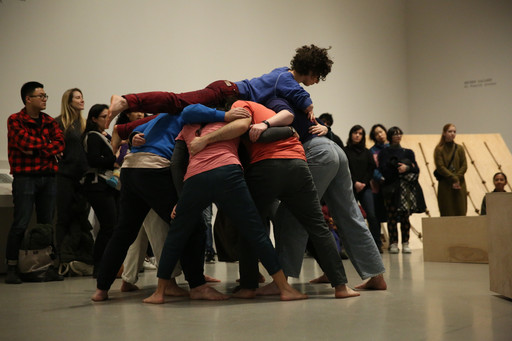

Dance
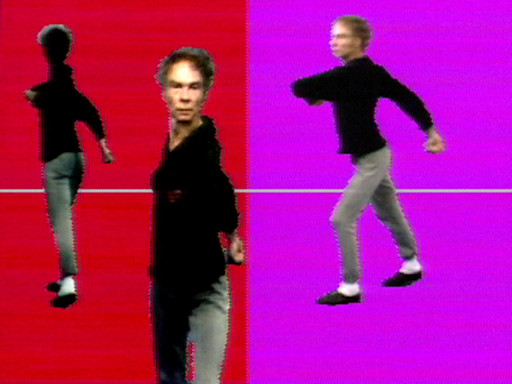
Dance is the rhythmic movement of the body to express a feeling or idea, usually accompanied by music.
Learn more →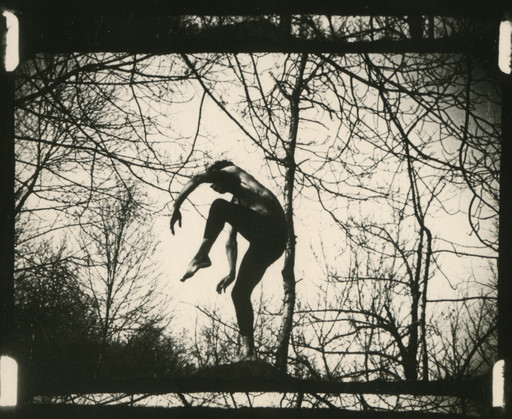
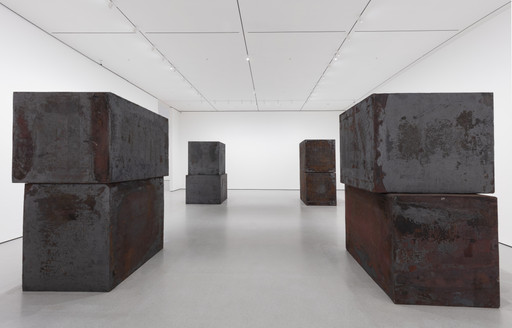

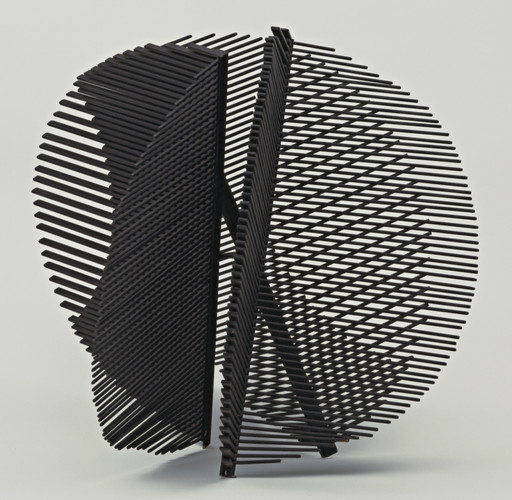
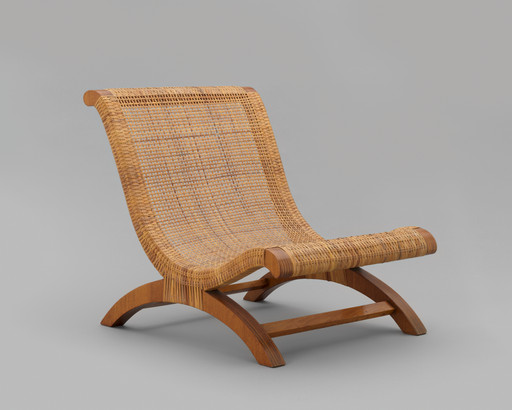
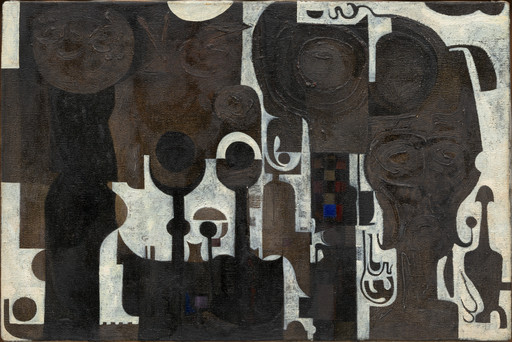
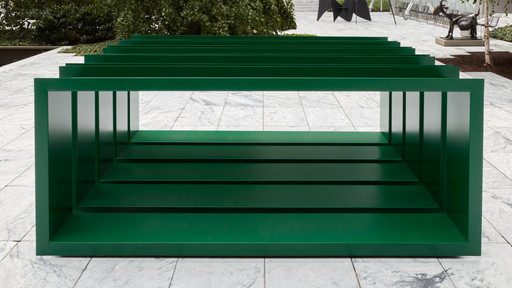
One Thing After Another
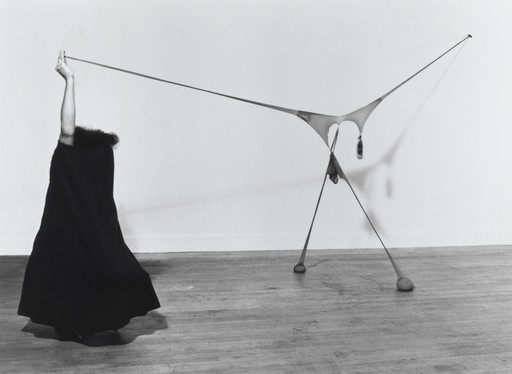
Gallery 413The “best new work” was made using industrial materials—steel, vinyl, and aluminum panels, for example—or easily available canvases, and often with an economy of means.
Learn more →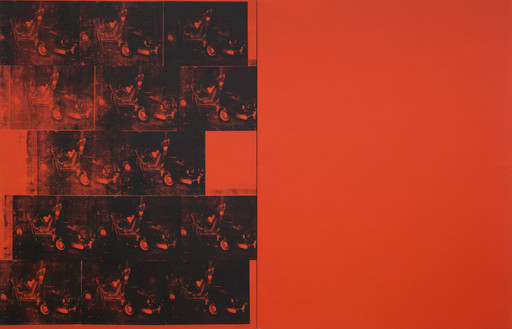





From MoMA Design Store


Installation views
We have identified this work in the following photos from our exhibition history.
Licensing
Artwork or archival images
If you would like to reproduce an image of a work of art in MoMA's collection, or an image of a MoMA publication or archival material (including installation views, checklists, and press releases), please contact Art Resource (publication in North America) or Scala Archives (publication in all other geographic locations).
Audio and film clips
MoMA licenses archival audio and select out of copyright film clips from our film collection. At this time, MoMA produced video cannot be licensed by MoMA/Scala. All requests to license archival audio or out of copyright film clips should be addressed to Scala Archives at [email protected]. Motion picture film stills cannot be licensed by MoMA/Scala. For access to motion picture film stills for research purposes, please contact the Film Study Center at [email protected]. For more information about film loans and our Circulating Film and Video Library, please visit Circulating Film and Video Library.
Text from a publication or the archives
If you would like to reproduce text from a MoMA publication, please email [email protected]. If you would like to publish text from MoMA's archival materials, please fill out this permission form and send to [email protected].
Feedback
This record is a work in progress. If you have additional information or spotted an error, please fill out this feedback form.