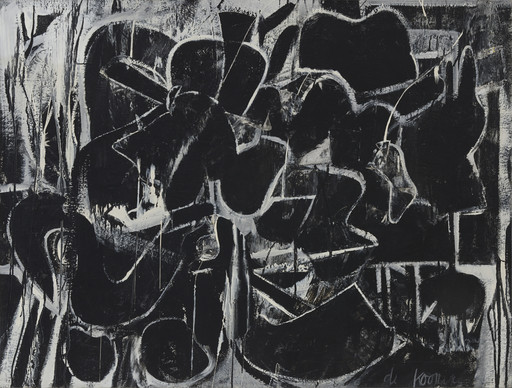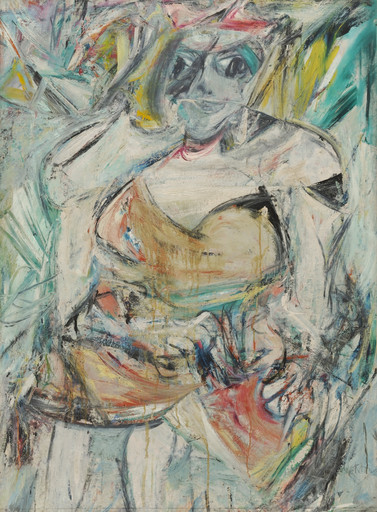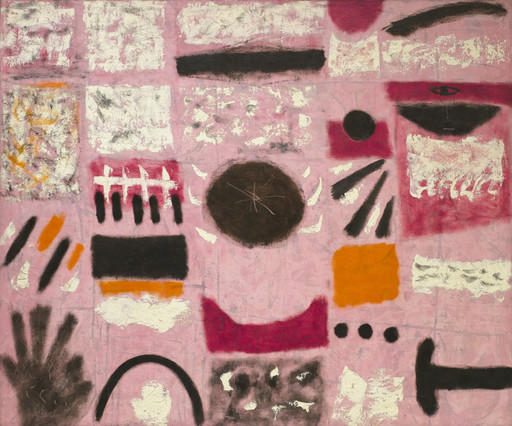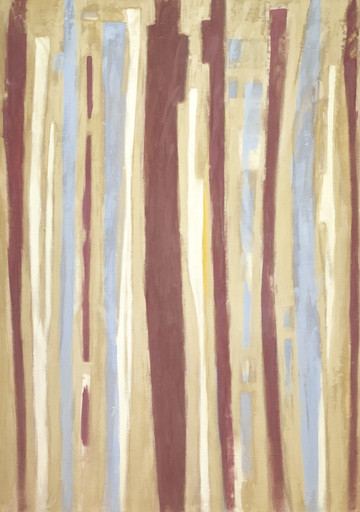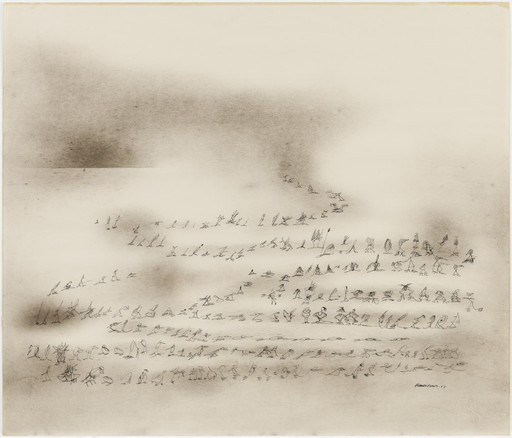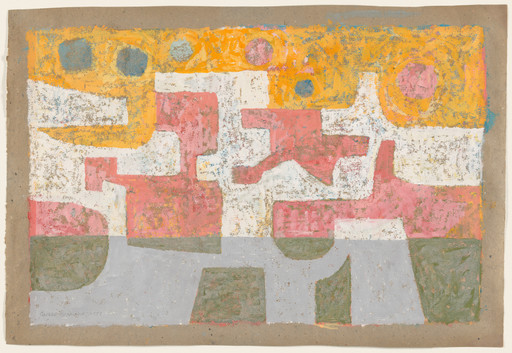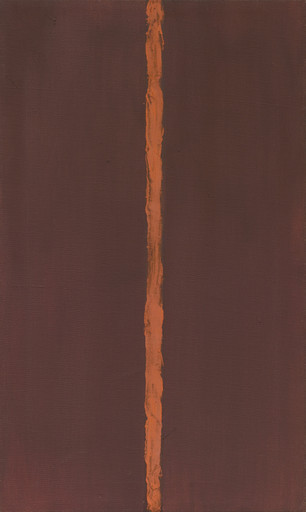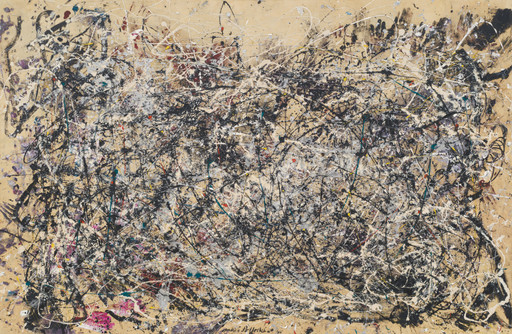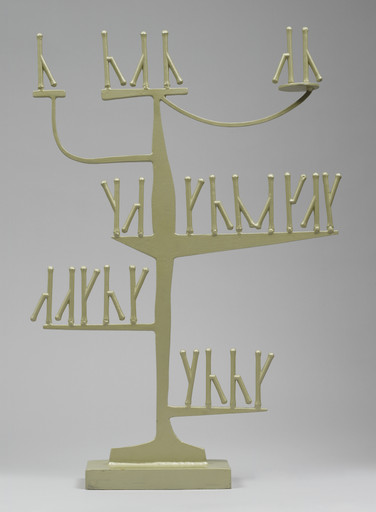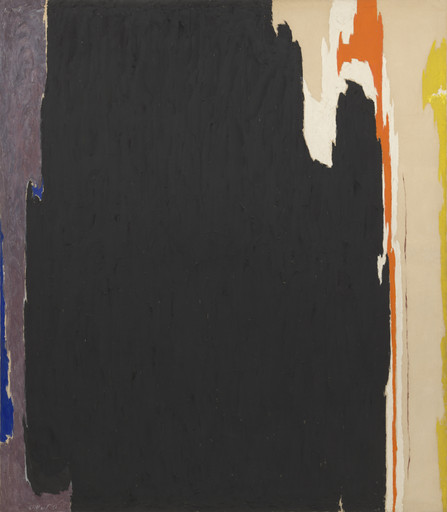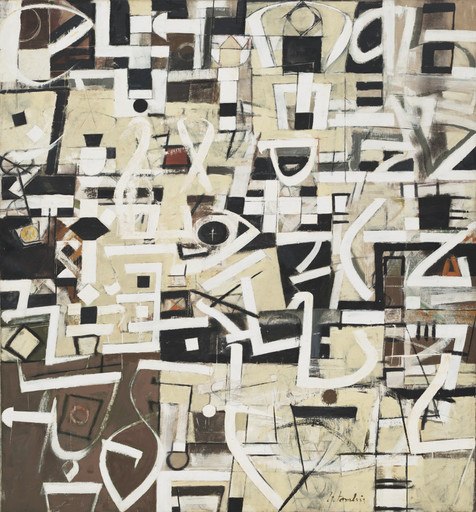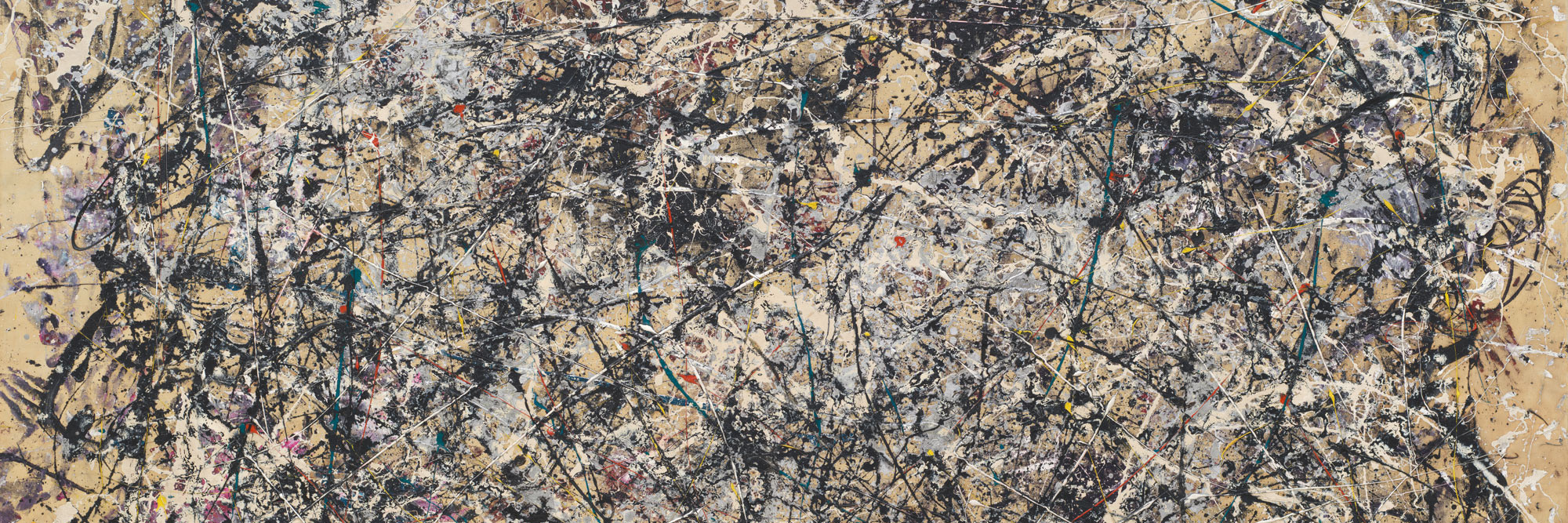
In the aftermath of World War II, a new generation of artists catapulted New York City to the forefront of the international art world. These artists explored gesture, color, scale, and material as vehicles for expression. They were united by a shared belief in the power of abstraction to communicate profound human experiences. As this new, US-born style of modern art—dubbed Abstract Expressionism by an art critic—became widely recognized both at home and abroad, its artists increasingly strove to distinguish themselves as individuals. For example, Jackson Pollock became known for his drip paintings and Barnett Newman for his vertical “zips.” Many others in New York City and elsewhere also embraced nonrepresentational modes, charting their own radical paths toward abstraction.
Organized by Ann Temkin, The Marie-Josée and Henry Kravis Chief Curator of Painting and Sculpture, with Rachel Rosin, Curatorial Associate, Department of Drawings and Prints and Department of Curatorial Affairs.