Ongoing

MoMA

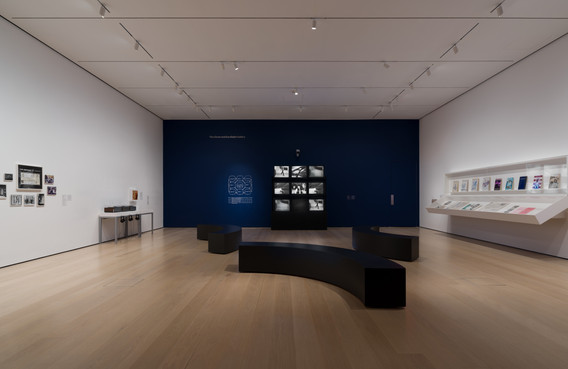
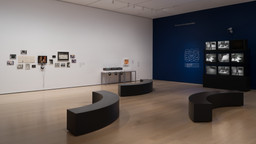
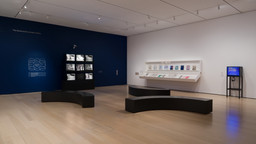
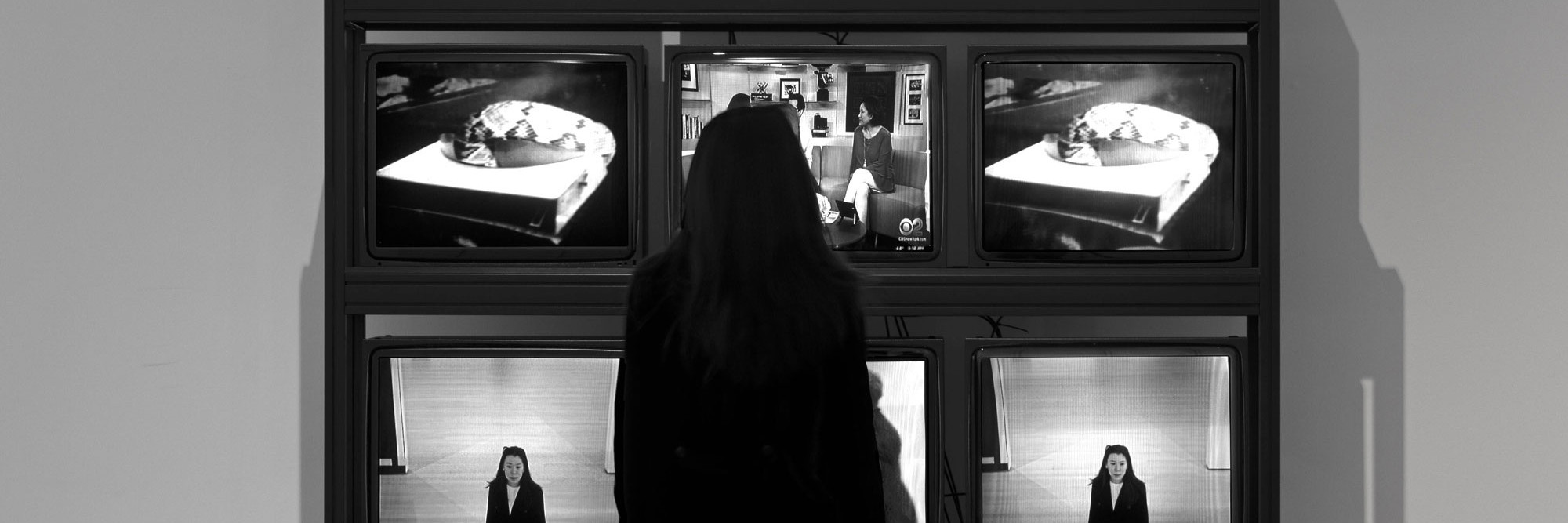
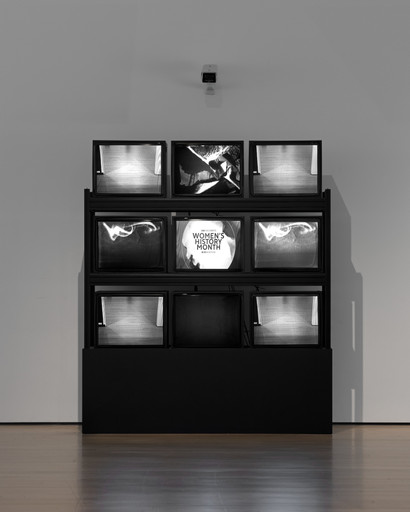
Installation view of the exhibition Signals: How Video Transformed the World, The Museum of Modern Art, New York, March 5–July 8, 2023. Photo: Robert Gerhardt. Digital image © 2026 The Museum of Modern Art, New York. Shown: Frank Gillette, Ira Schneider. Wipe Cycle. 1969/2017. Two standard-definition videos (black and white, silent; 30 min.); sound; live television broadcast; surveillance camera; nine cathode-ray tube monitors; custom-made video switcher, micro-controllers, and software; shelving, 94 1/2 × 82 11/16 × 29 9/16" (240 × 210 × 75 cm). The Museum of Modern Art, New York. Acquired through the generosity of Maja Oeri. © 2026 Frank Gillette and Ira Schneider Artworks Company LLC
  • MoMA, Floor 4, 414

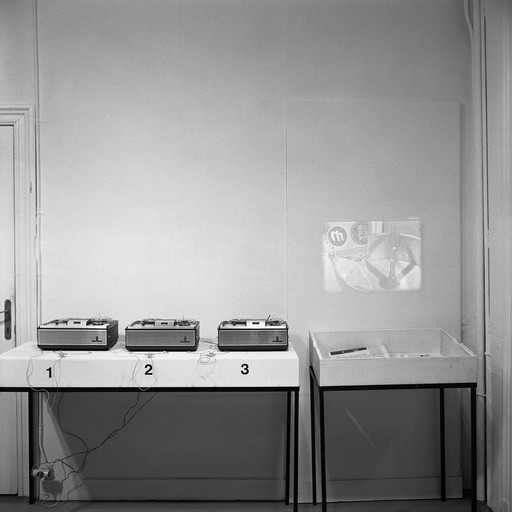
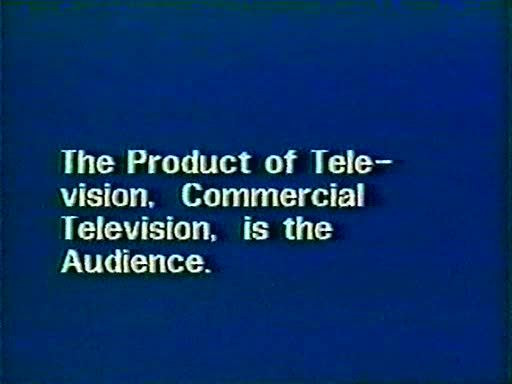
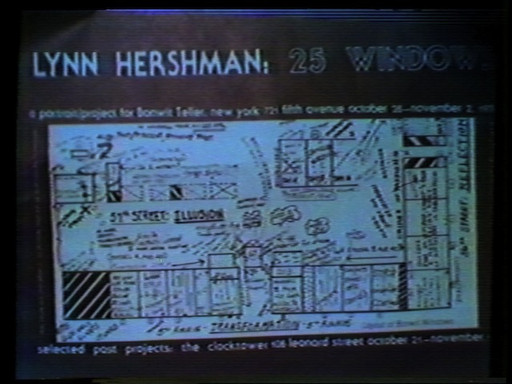
In the late 1960s and early 1970s, artists responded to a world increasingly shaped by mass media and consumer culture. They repurposed tools of commerce and communication—from shop windows to television, radio, and print media—to explore alternative models of distribution free from corporate control. As video became available outside the television industry, it made possible new forms of art making, activism, critique, and connection.

The works on view here harnessed the technology of this period to expose the feedback loop between spectatorship and surveillance. Anchoring the display is Frank Gillette and Ira Schneider’s landmark video installation Wipe Cycle (1969/2017), which disrupts the traditional flow of televisual information by incorporating a live feed of the viewer. This gallery also features archival materials related to early video projects, including the artist-run journal Radical Software. In its inaugural 1970 issue, the journal’s creators declared, “Power is no longer measured in land, labor, or capital, but by access to information and the means to disseminate it.”

Organized by Michelle Elligott, Chief of Archives, Library, and Research Collections, and Erica Papernik-Shimizu, Associate Curator, Department of Media and Performance, with Rachel Rosin, departments of Drawings and Prints and Curatorial Affairs.
2 works online

Artists

Installation images

How we identified these works

In 2018–19, MoMA collaborated with Google Arts & Culture Lab on a project using machine learning to identify artworks in installation photos. That project has concluded, and works are now being identified by MoMA staff.

If you notice an error, please contact us at [email protected].

Licensing

If you would like to reproduce an image of a work of art in MoMA’s collection, or an image of a MoMA publication or archival material (including installation views, checklists, and press releases), please contact Art Resource (publication in North America) or Scala Archives (publication in all other geographic locations).

MoMA licenses archival audio and select out of copyright film clips from our film collection. At this time, MoMA produced video cannot be licensed by MoMA/Scala. All requests to license archival audio or out of copyright film clips should be addressed to Scala Archives at [email protected]. Motion picture film stills cannot be licensed by MoMA/Scala. For access to motion picture film stills for research purposes, please contact the Film Study Center at [email protected]. For more information about film loans and our Circulating Film and Video Library, please visit https://www.moma.org/research/circulating-film.

If you would like to reproduce text from a MoMA publication, please email [email protected]. If you would like to publish text from MoMA’s archival materials, please fill out this permission form and send to [email protected].

Feedback

This record is a work in progress. If you have additional information or spotted an error, please send feedback to [email protected].